
 +86-15829394411



0102030405
What Factors Determine the Perforation Effect in Oil and Gas Wells?
2026-05-25
The perforation effect is one of the key factors influencing oil and gas well productivity. During well completion, perforating operations create flow channels between the reservoir and the wellbore, allowing hydrocarbons to enter the production system. The quality of these perforations directly affects production efficiency, reservoir connectivity, and long-term well performance.
Several important factors determine the final perforation effect.
1. Shaped Charge Performance
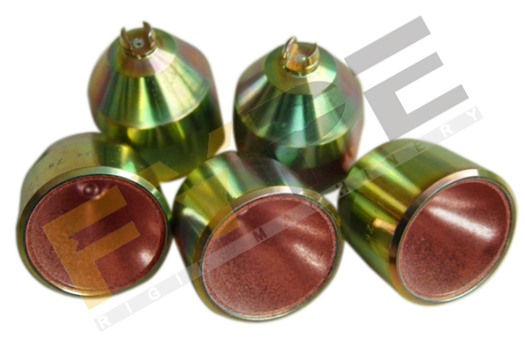
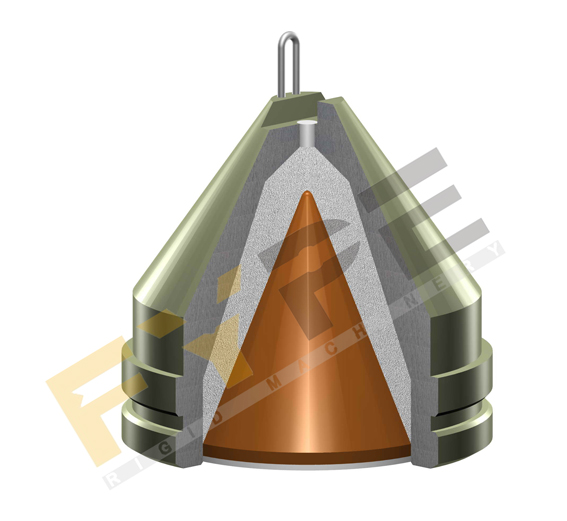
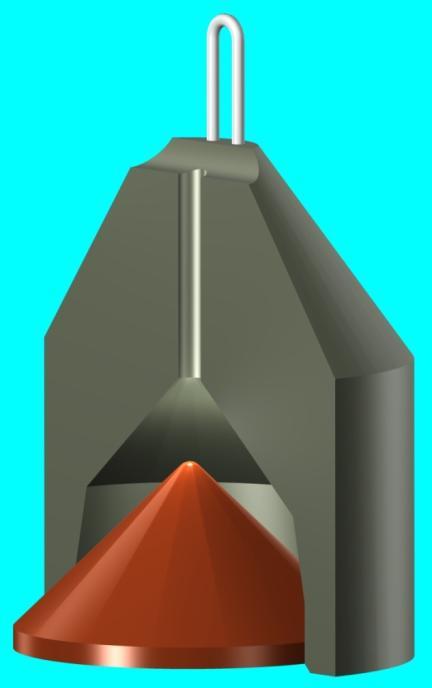
The shaped charge is the core component of a perforating system. Its performance determines how effectively the perforation jet can penetrate the casing, cement sheath, and reservoir formation.
A high-quality shaped charge produces a concentrated, high-velocity jet with strong penetration capability. Important design factors include explosive type, liner material, charge size, and structural precision. Different charge designs are developed for various completion requirements, such as deep penetration, large entrance hole diameter, or reduced formation damage.
Consistent manufacturing quality is also critical. Even small deviations in charge assembly can affect jet formation and reduce perforation efficiency.
2. Gun System Configuration
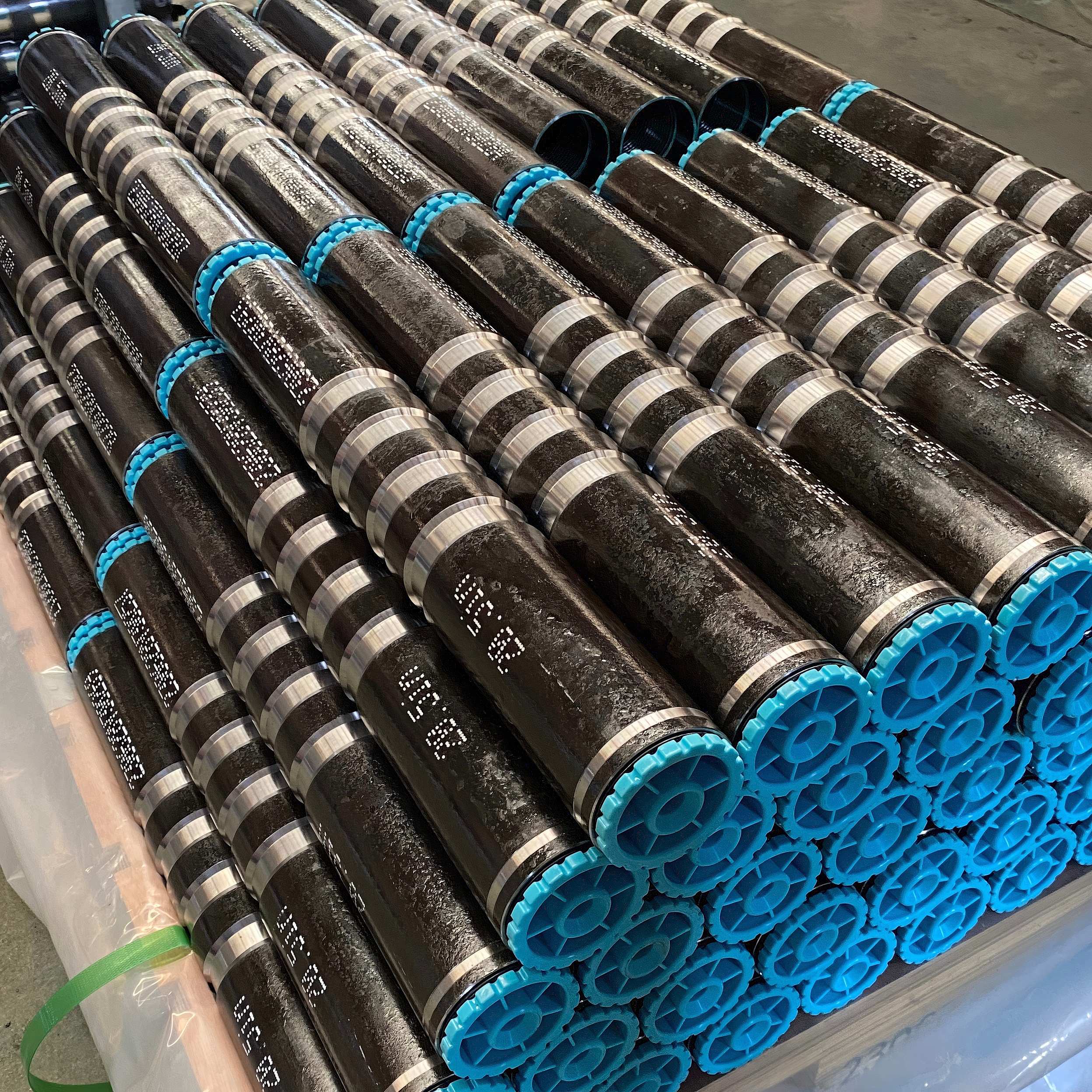
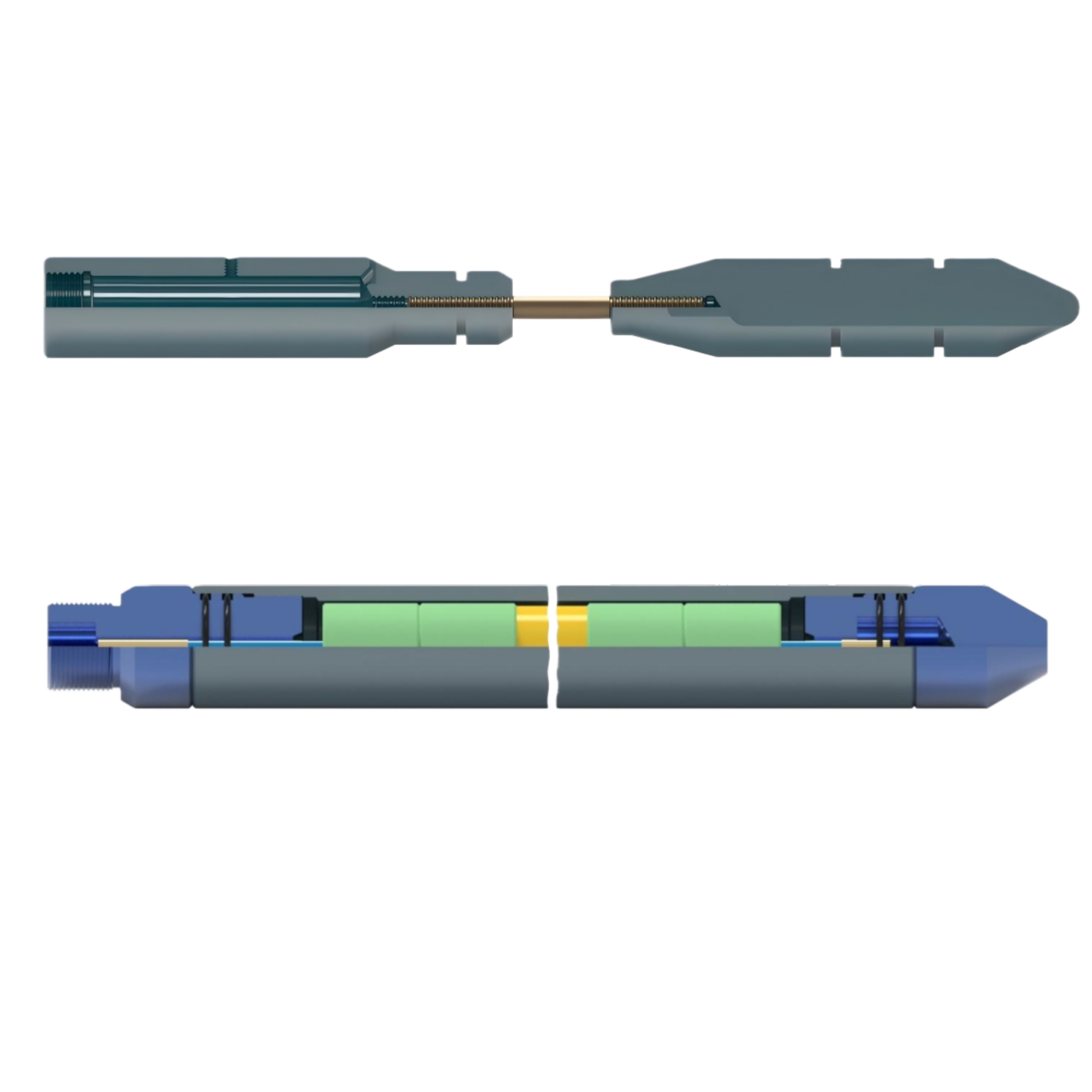
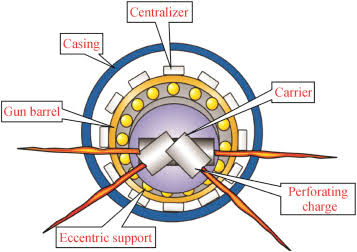
The design and configuration of the perforating gun significantly influence perforation results. Parameters such as shot density, phasing angle, gun diameter, and charge spacing must be carefully selected according to the reservoir and completion design.
Higher shot density creates more perforation tunnels, which can improve fluid flow from the formation into the wellbore. Phasing angle affects how the perforations are distributed around the casing and influences reservoir exposure. Proper gun diameter selection also helps optimize perforation performance under different well conditions.
A well-designed gun system improves perforation consistency and operational reliability.
3. Formation Characteristics
Reservoir geology has a major impact on perforation effectiveness. Formation hardness, rock strength, permeability, porosity, and in-situ stress conditions all affect penetration depth and tunnel stability.
In hard formations, perforation jets may experience reduced penetration. In softer or unconsolidated formations, perforation tunnels may collapse or produce excessive debris. Reservoir pressure and natural fractures can also influence fluid flow after perforation.
Understanding formation characteristics helps operators choose the most suitable perforating products and firing strategy.
4. Well Conditions
Well conditions such as downhole pressure, temperature, casing thickness, and cement quality directly affect perforation performance.
High pressure and high temperature (HPHT) wells require perforating systems with strong structural integrity and stable explosive performance. Thick casing or poor cement bonding may require higher penetration capability to achieve effective communication with the reservoir.
Wellbore fluids can also influence gun operation and detonation reliability, especially in challenging downhole environments.
5. Operational Accuracy
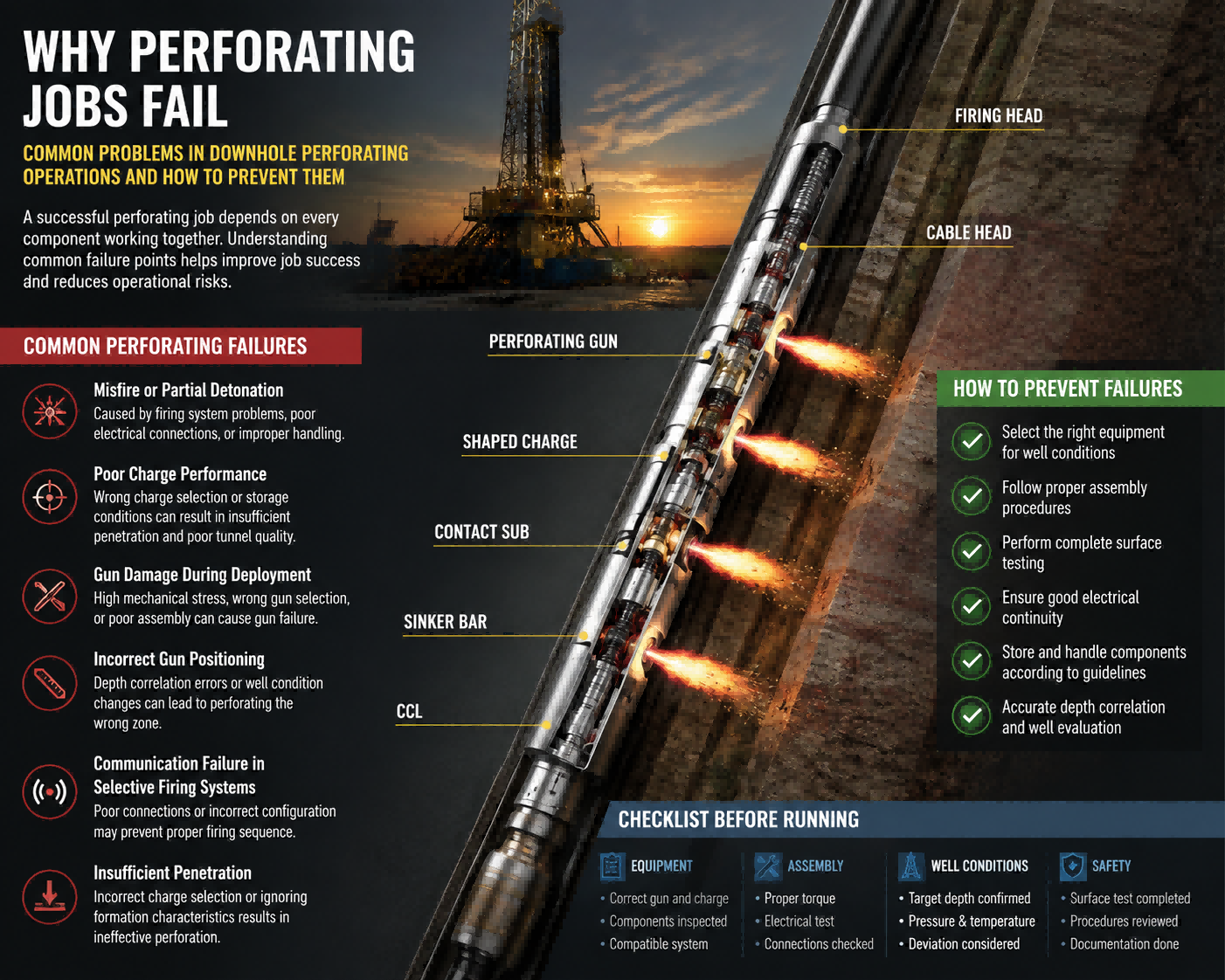
Accurate perforating operations are essential for achieving the desired perforation effect. Depth correlation must be precise to ensure the productive formation zone is perforated correctly.
Improper gun positioning can reduce reservoir contact or perforate non-productive intervals. In addition, reliable detonation systems, proper handling procedures, and experienced field operations all contribute to perforating success.
Careful operational planning helps improve safety, efficiency, and perforation consistency.
Why Reliable Perforating Products Matter
Achieving optimal perforation performance requires reliable perforating guns, shaped charges, and accessories capable of operating in demanding oilfield environments. Advanced manufacturing processes, strict quality control, and consistent product performance are essential for improving well completion efficiency and perforation reliability.
At FYPE, we manufacture and supply perforating guns, shaped charges, and related perforating products for the global oil and gas industry. Engineered for a wide range of well conditions, our products are designed to deliver dependable performance, consistent perforation results, and efficient well completion operations.
Find out more about FYPE gun systems and how our products can support improved production performance and reliable perforating operations in challenging downhole environments.