
 +86-15829394411



0102030405
What Is a Wireline Perforating String Assembly? A Complete Guide for Oilfield Professionals
2026-07-27
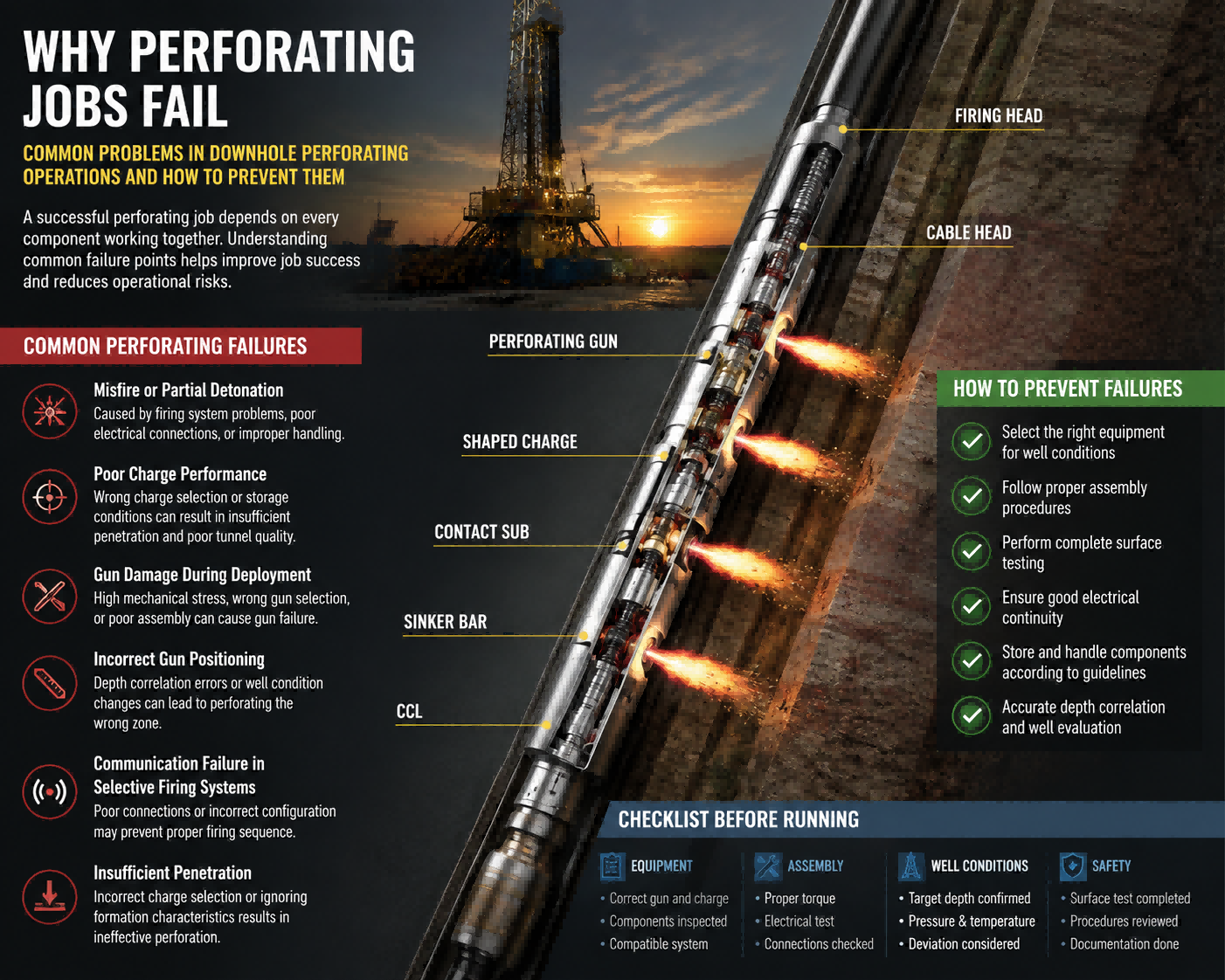
A wireline perforating string assembly is the complete downhole tool configuration used during a wireline perforating operation. It is typically deployed using an armored electric wireline, which provides both mechanical support and electrical communication between surface equipment and downhole tools.
The assembly normally includes:
Wireline cable head
CCL (Casing Collar Locator)
Gamma Ray tool (optional)
Setting or positioning tools
Safety subs
Sinker bars / weight bars
Perforating guns
Gun connectors
Detonating systems
Shock absorbers and accessories
The exact configuration depends on well conditions, perforation requirements, gun size, pressure rating, temperature rating, and completion design.
Main Components of a Wireline Perforating String
1 Wireline Cable Head
The cable head is the uppermost connection between the wireline cable and the downhole tool string.
Main functions:
Provides a mechanical connection between cable and tools
Transfers pulling force during deployment and retrieval
Provides electrical connection for tool communication
Protects cable termination from downhole loads
A reliable cable head is essential because it supports the entire perforating assembly during well intervention operations.
2 Casing Collar Locator (CCL)
The Casing Collar Locator is an important depth-control device used to accurately position the perforating gun.
How it works:
The CCL detects magnetic changes caused by casing collars. These signals allow operators to correlate the downhole tool position with well completion records.
Benefits:
Improves perforation depth accuracy
Ensures shots are placed at the target interval
Reduces the risk of ineffective perforation placement
Accurate positioning is especially important in selective perforating operations where multiple zones must be perforated separately.
3 Gamma Ray Tool (Optional)
In many wireline operations, a Gamma Ray tool is combined with the CCL to improve depth correlation.
Gamma Ray logging identifies natural radioactive signatures from formations, helping operators match the current well condition with previous logging data.
This combination provides:
Better formation identification
Improved depth control
More accurate perforation placement
4 Sinker Bar / Weight Bar
The sinker bar, also known as a weight bar, is installed above the perforating gun assembly to provide additional weight.
Because wireline tools may experience difficulty reaching target depths due to well deviation, friction, or fluid resistance, sinker bars help overcome these challenges.
Functions of sinker bars:
Increase downward force
Improve tool descent speed
Stabilize the perforating string
Assist deployment in deviated wells
Common sinker bar designs include solid steel bars, tungsten-heavy bars, and specialized weight bars for high-temperature or high-pressure applications.
Proper sinker bar selection is important to maintain safe running conditions and prevent tool sticking.
5 Perforating Gun Assembly
The perforating gun is the core component of the wireline perforating string.
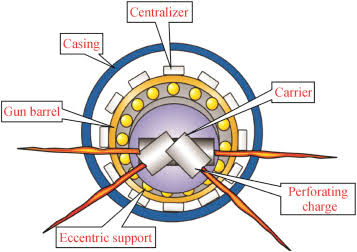
A perforating gun contains:
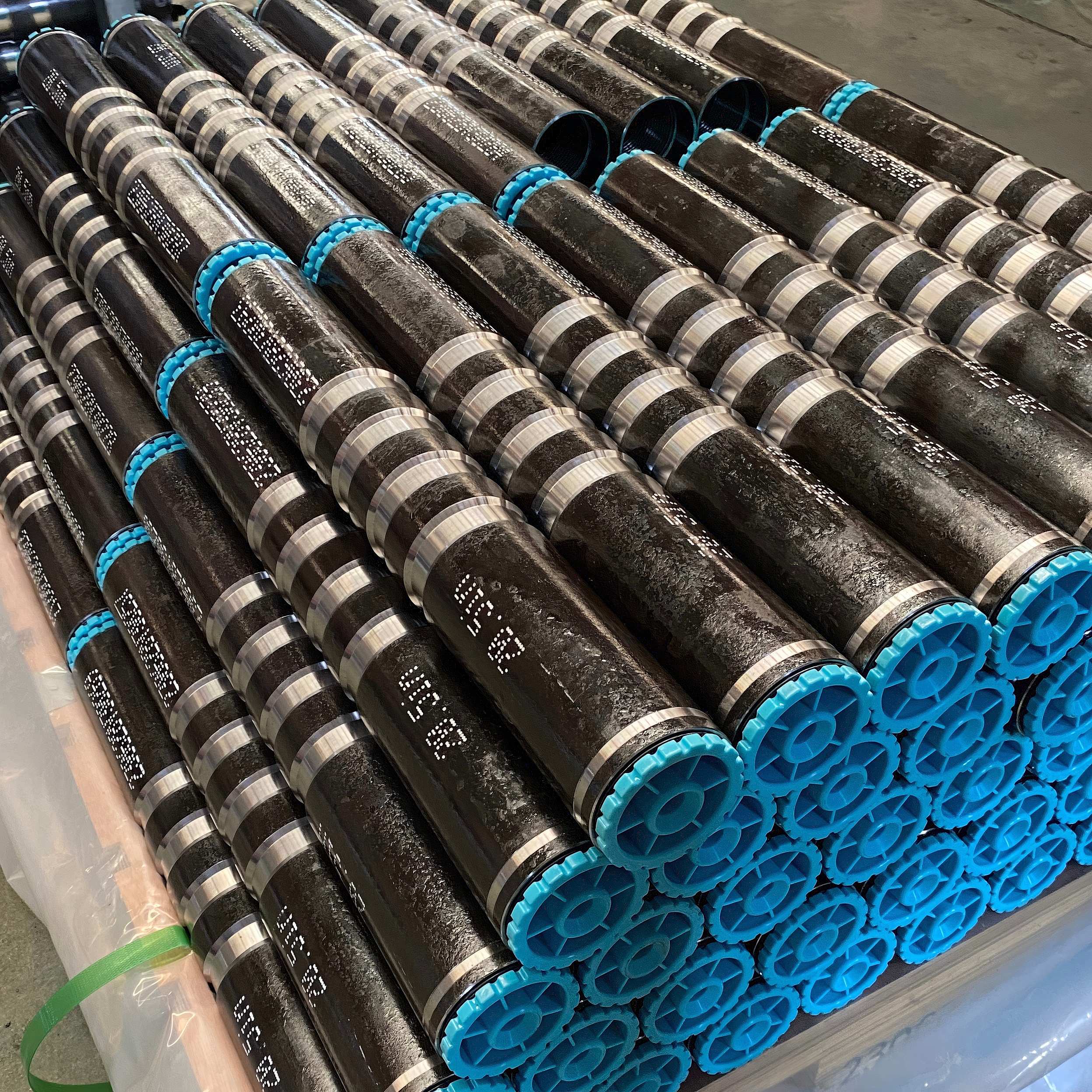
Gun carrier
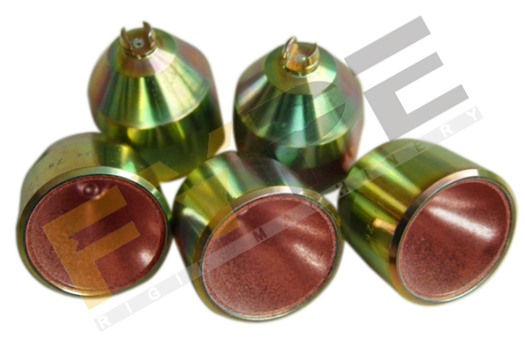
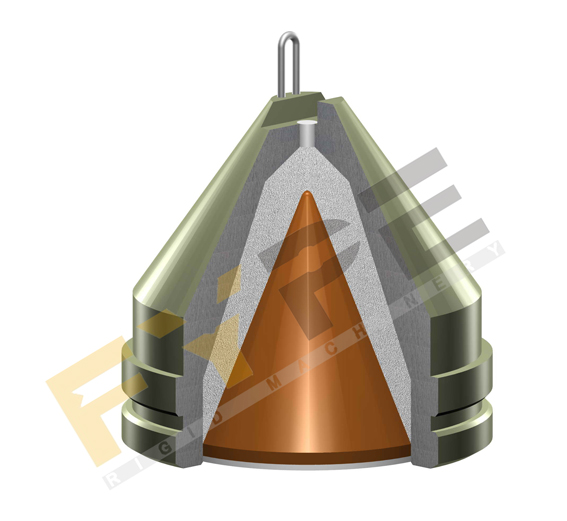
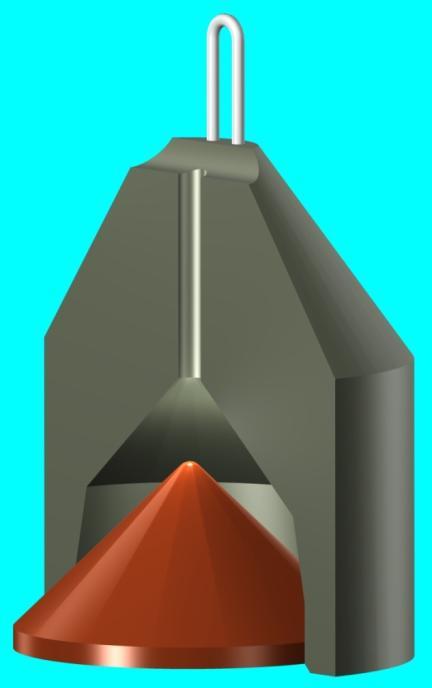
Shaped charges
Detonating cord
Charge holders
Firing head or initiation system
When activated, the shaped charges create high-energy jets that penetrate:
Steel casing
Cement sheath
Formation rock
The resulting perforation tunnels provide a flow path for hydrocarbons to enter the wellbore.
Types of Wireline Perforating Guns
Different well conditions require different perforating gun designs.
Conventional Carrier Guns
Traditional carrier guns provide reliable performance and are widely used in oilfield completion operations.
Advantages:
Proven technology
Strong mechanical protection
Suitable for many well environments
Scalloped Perforating Guns
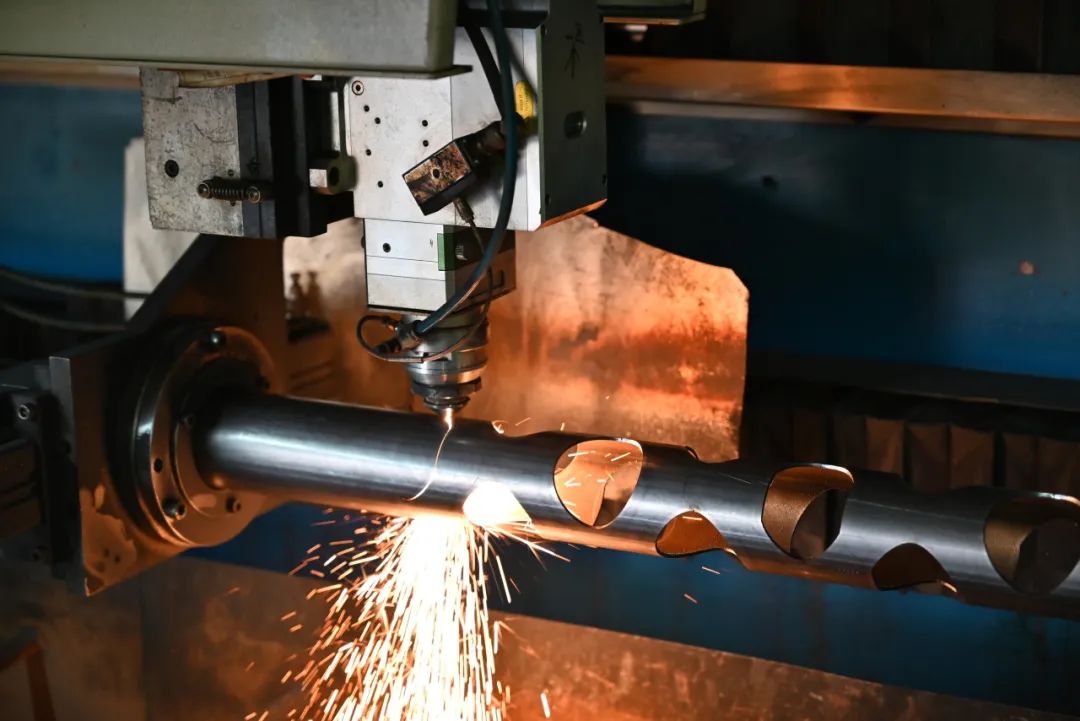
A scalloped perforating gun uses a specially designed carrier profile that improves charge performance and reduces interaction between adjacent shaped charges.
Key advantages include:
Reduced charge interference
Cleaner perforation tunnels
Improved penetration efficiency
Reduced debris and burr formation
Easier retrieval after firing
This design is particularly valuable in applications requiring improved perforation quality and operational reliability.
Through-Tubing Perforating Guns
Through-tubing guns are designed to pass through production tubing before deployment.
They are commonly used for:
Mature wells
Workover operations
Re-perforation projects
6. Gun Connectors and Subs
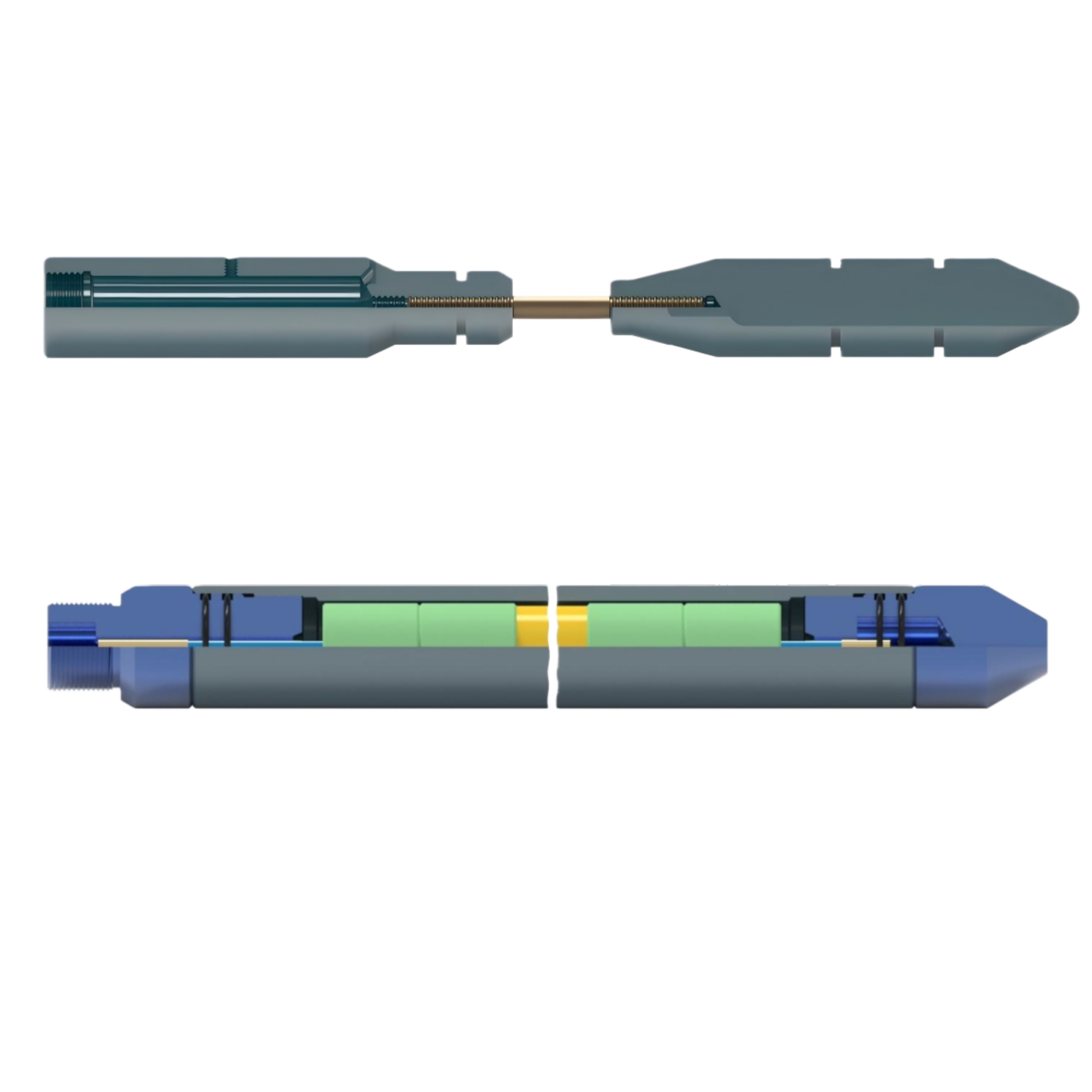
Gun connectors connect multiple perforating gun sections together.
They must provide:
Strong mechanical connection
Reliable electrical continuity
Pressure integrity
Proper alignment between gun sections
For long perforating intervals, multiple guns are often connected together to achieve the required shot density and coverage.
7. Detonating System
The detonating system transfers the initiation signal from the firing mechanism to the shaped charges.
Typical components include:
Detonators
Detonating cord
Booster systems
Firing heads
The system must provide reliable ignition while maintaining safety during transportation, assembly, and deployment.
8. Shock Absorbers and Accessories
During perforating, explosive energy creates significant shock and vibration.
Shock absorbers and protective components help:
Reduce mechanical damage
Protect sensitive electronic components
Improve tool life
Maintain assembly integrity
The wireline perforating string assembly is a highly engineered system where every component plays an important role in achieving successful well completion. From the sinker bar that ensures proper deployment to the perforating gun that creates reservoir communication, each part contributes to operational safety and production performance.
Selecting the right perforating gun system, accessories, and configurations allows operators to maximize perforation effectiveness while reducing operational risks.
As an experienced perforating gun supplier, we provide reliable perforating gun assemblies, gun carriers, scalloped perforating guns, connectors, and related completion tools designed for demanding oil and gas applications.