
 +86-15829394411


0102030405
Why HPHT Wells Are Driving the Next Wave of High-Performance Perforating Tools?
2026-07-01
High pressure, high temperature (HPHT) wells are no longer niche projects in the oil and gas industry. As conventional reserves mature, operators are increasingly developing deeper, hotter, and higher-pressure formations—especially in offshore basins, deep shale plays, and carbonate reservoirs. These conditions are pushing completion technology, particularly perforating systems, to evolve in both reliability and performance.
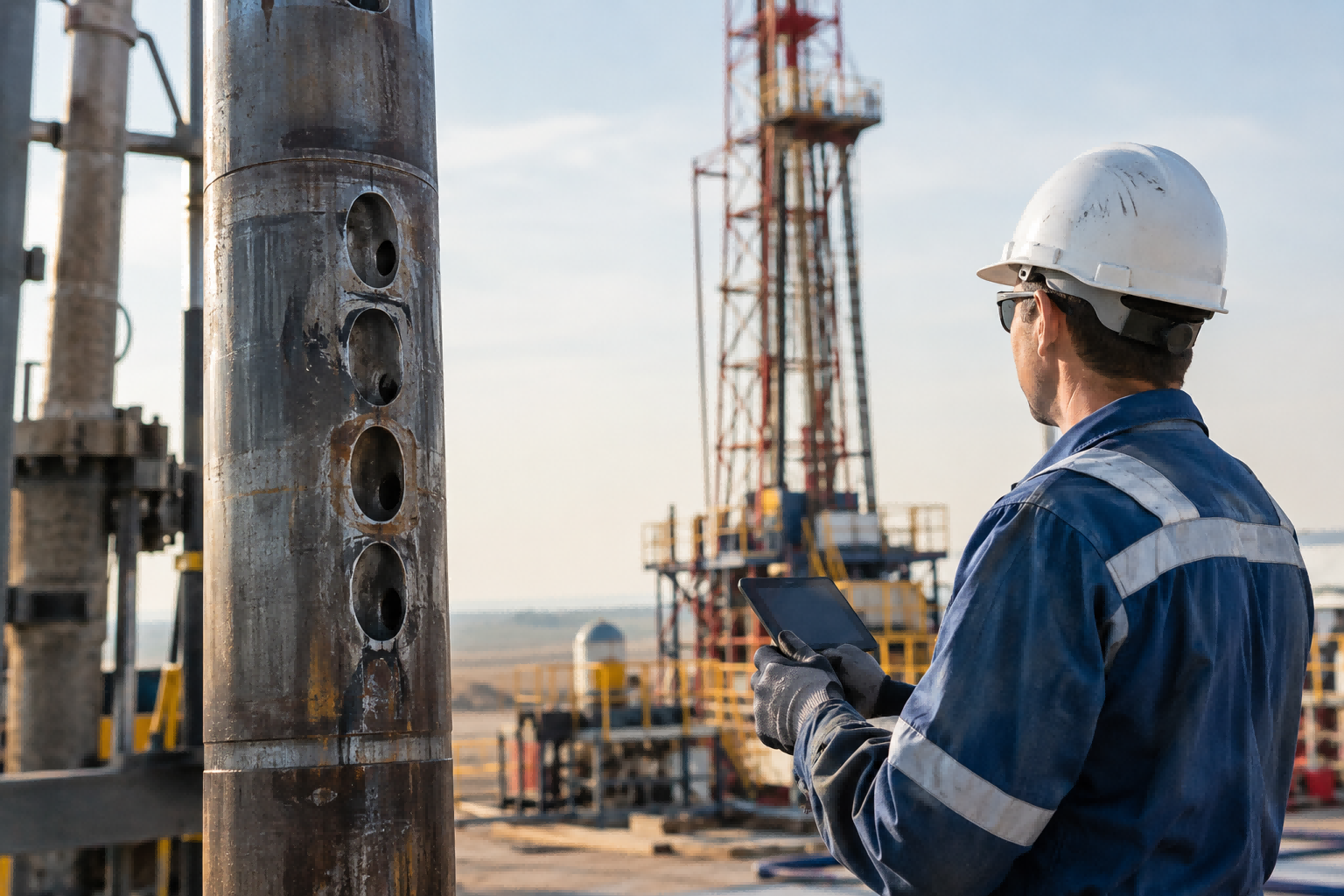
In practical industry terms, HPHT wells are typically defined as environments exceeding 10,000 psi and 300°F (150°C), though some modern developments go significantly beyond these thresholds. In these settings, standard perforating equipment often struggles with material degradation, pressure containment limits, and reduced reliability of explosive and firing systems.
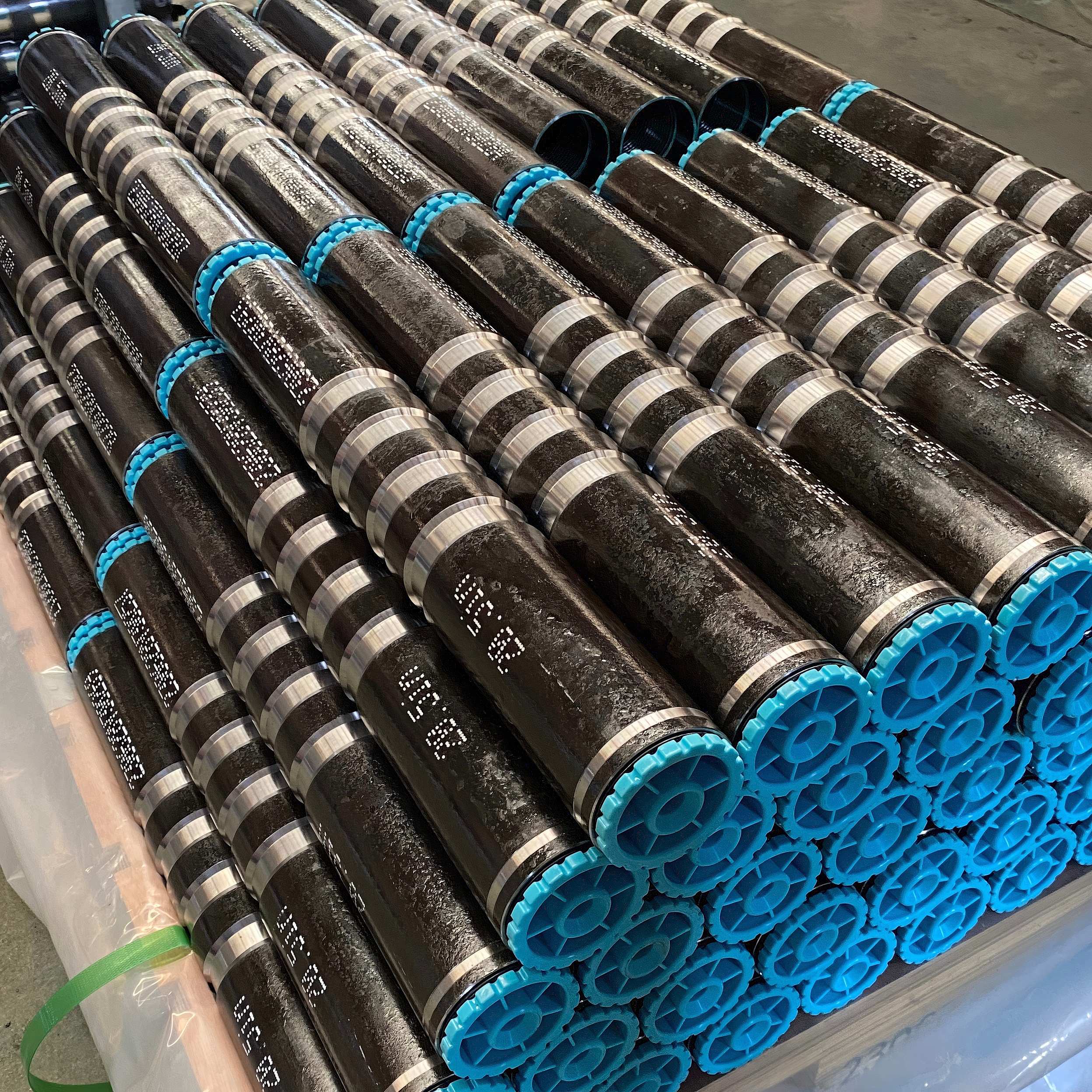
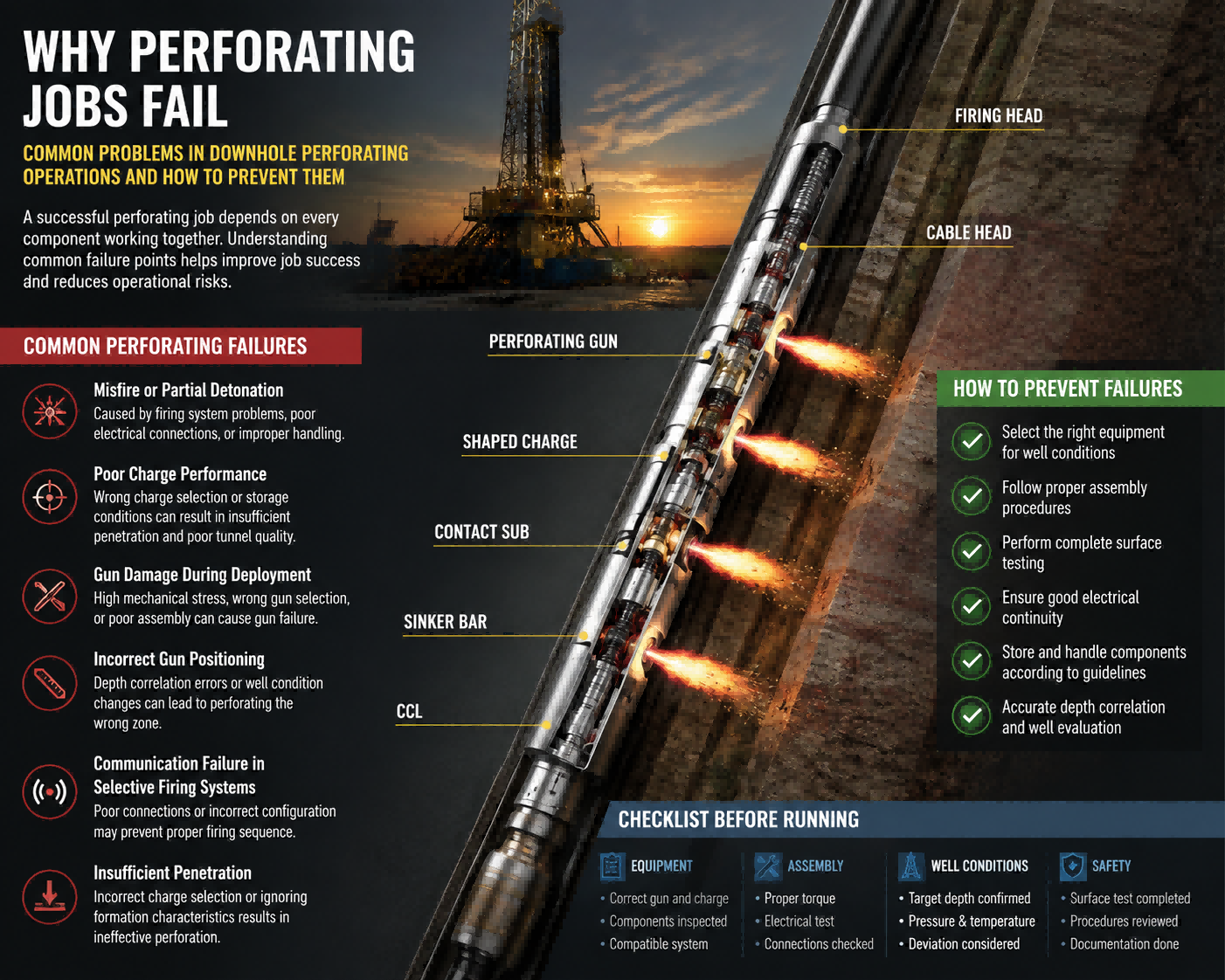
One of the most critical challenges in HPHT perforating is maintaining tool integrity under extreme stress. High downhole pressure can deform housings, affect seal performance, and increase the risk of premature failure. At the same time, elevated temperatures accelerate aging in elastomers, electronic components, and explosive initiation systems. As a result, manufacturers have had to adopt advanced metallurgy, high-temperature-resistant polymers, and more robust sealing technologies.
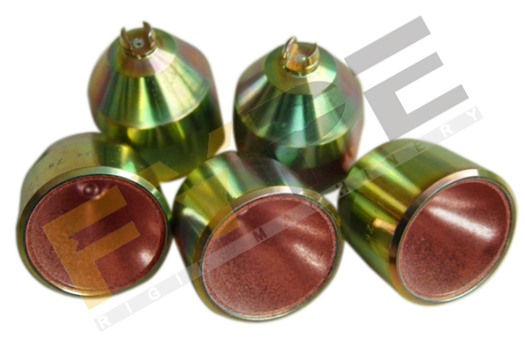
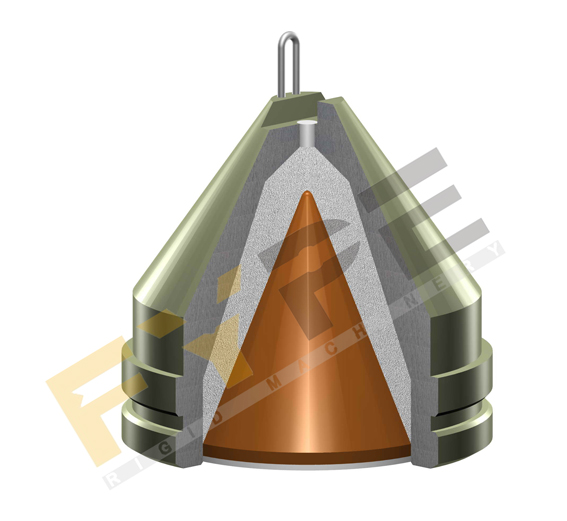
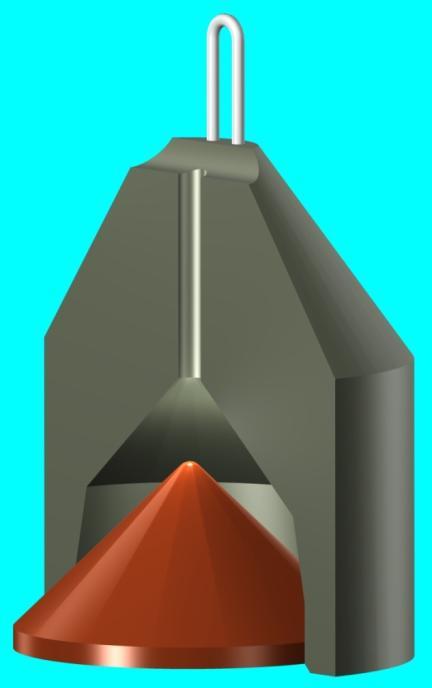
Another major factor is consistent charge performance under extreme conditions. Shaped charges must detonate reliably and maintain predictable penetration performance even after exposure to high heat during deployment. Industry testing standards—such as those guided by API and ISO specifications—have become increasingly strict to ensure perforating guns perform predictably in HPHT environments. Operators expect consistent perforation depth, tunnel quality, and debris management regardless of downhole variability.
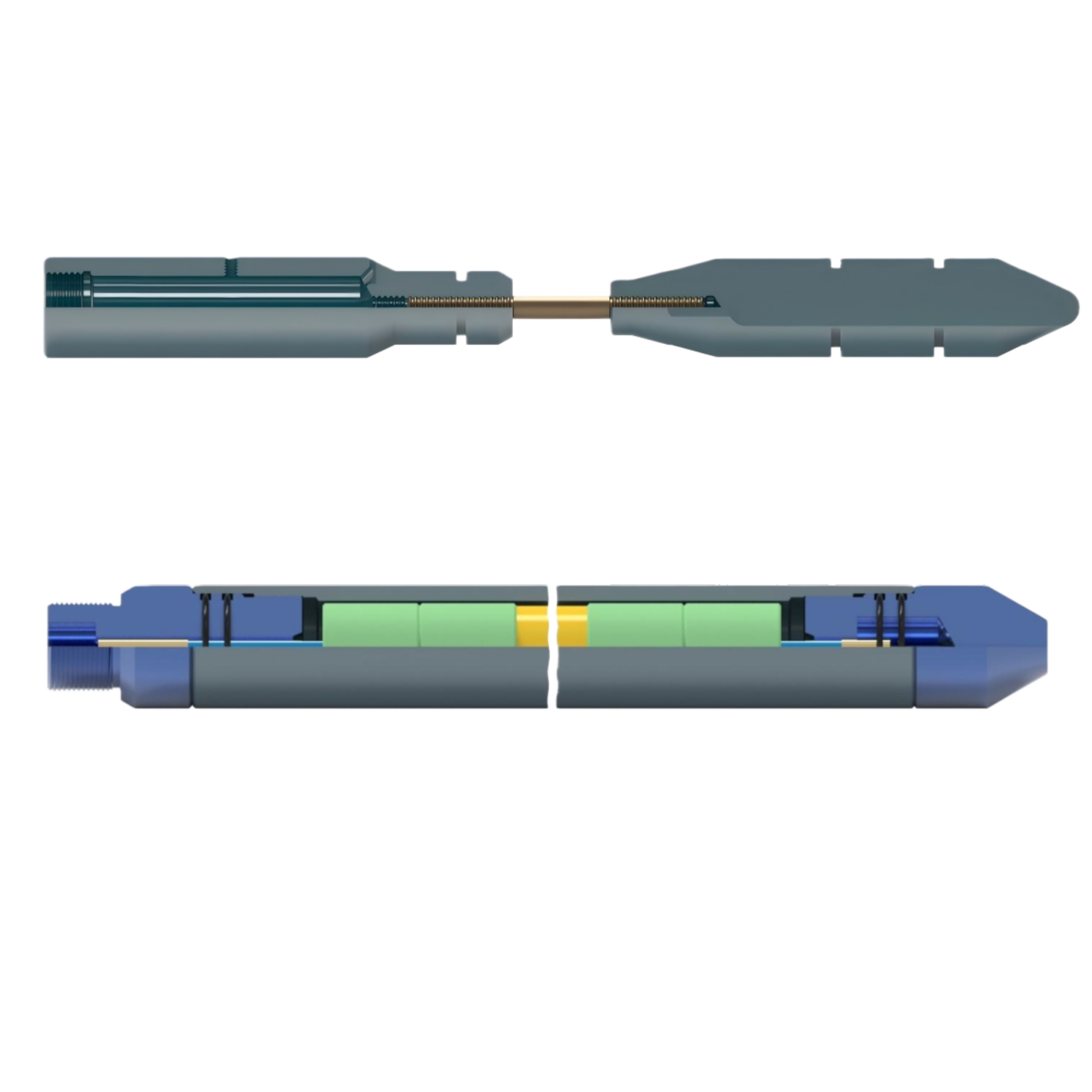
HPHT development has also increased demand for wireline-conveyed and tubing-conveyed perforating systems with enhanced safety mechanisms. As wellbore pressures rise, the consequences of misfires or premature detonation become more severe. This has driven adoption of redundant safety features, improved ballistic transfer systems, and better surface-to-downhole communication reliability.
In addition, HPHT wells often target reservoirs where production efficiency is highly sensitive to perforation quality. In tight formations, small improvements in tunnel conductivity or cluster efficiency can significantly impact flow rates. This has encouraged operators to adopt high-density perforating strategies, optimized phasing designs, and advanced simulation tools to predict perforation effectiveness before deployment.
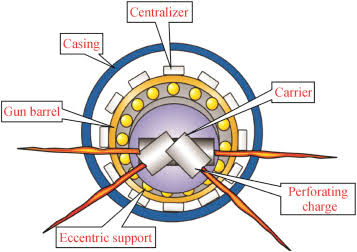
Ultimately, HPHT environments are accelerating a broader shift in the industry: perforating tools are no longer treated as simple explosive carriers, but as engineered completion systems integrated into the well’s overall productivity strategy. The next generation of high-performance perforating guns is defined not just by their ability to survive extreme conditions, but by their precision, repeatability, and contribution to reservoir performance.
As HPHT exploration expands globally, especially in deepwater and unconventional basins, demand for more resilient and intelligent perforating solutions will continue to rise—driving innovation across materials science, well completion design, and downhole tool engineering.
At FYPE, we’ve built our portfolio around exactly this reality. From high-temperature charge technology to pressure-validated gun systems, our solutions are engineered for reliability when it matters most.
Ready to equip your HPHT wells with perforating tools that are proven to perform? Contact us or explore our HPHT guns to learn how we can support your next deep, hot, high-pressure project.