
 +86-15829394411
Leave Your Message
-
Contact WhatsApp
-
 Contact Phone
-
 Contact Email
High-performance wireline and modular gun systems designed specifically to streamline plug-and-perf operations in tight reservoirs.
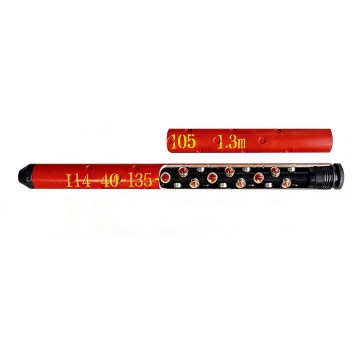
Engineered to bypass near-wellbore damage and optimize fracture initiation by creating deep, clean tunnels in high-stress formations.
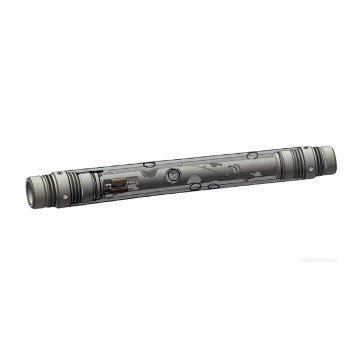
A wireless, modular design that minimizes assembly time, ensures electrical connection integrity, and speeds up multi-stage completions.
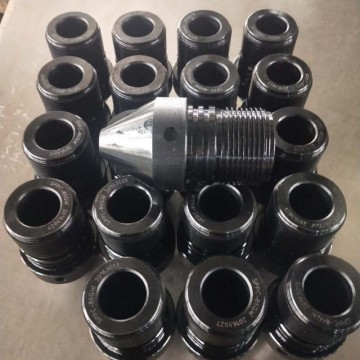
Premium manufactured subs designed to withstand extreme tensile loads and high pressure during complex multi-stage operations.
Reliable, factory-tested modular gun strings designed to enhance operational efficiency and safety in horizontal wells.
In modern unconventional reservoir development, horizontal drilling combined with multi-stage hydraulic fracturing has revolutionized the oil and gas sector. At the heart of this process is oil perforating, a critical operation that establishes the physical communication path between the steel-cased wellbore and the hydrocarbon-bearing formation. Without precise, reliable, and optimized perforation, subsequent fracturing treatments cannot effectively place proppants, leading to poor reservoir stimulation and suboptimal production rates.
As operators target increasingly complex shale plays and tight sandstone reservoirs, the demand for high-efficiency perforating technologies has surged. The industry has shifted from traditional tubing-conveyed perforating (TCP) to highly automated, wireline-deployed modular gun systems. This evolution is driven by the commercial need to reduce cost per stage, minimize rig time, and maximize the Estimated Ultimate Recovery (EUR) of each well.
Industrial Insight: Modern multi-stage completions often involve 30 to 60 fracturing stages per well, with each stage requiring multiple perforation clusters. The efficiency of the entire operation hinges on the reliability of the perforating guns, detonators, and modular connectors. A single misfire can cost hundreds of thousands of dollars in non-productive time (NPT).
In multi-stage fracturing, "cluster efficiency" refers to the percentage of perforation clusters that actually take fracturing fluid and contribute to production. Historical diagnostics show that in many horizontal wells, up to 30% of perforation clusters remain unproductive due to uneven fluid distribution or poor perforation execution. This represents a massive loss of capital investment.
To combat this, advanced oil perforating technologies focus on consistent hole sizing and oriented perforating. By maintaining uniform entry hole diameters across different casing grades and cement thicknesses, engineers can ensure even flow distribution (limited entry design). This technique forces fracturing fluid into all clusters within a stage, preventing the fluid from thief zones and maximizing fracture network complexity.
Expetro Energy Service Co., Ltd. (FYPE) is a leading manufacturer of downhole perforating systems in China. We are dedicated to the research, development, and production of shaped charges, perforating guns, and associated accessories for oil and gas completions. Our engineering team focuses on developing products that solve the toughest downhole challenges in high-temperature, high-pressure (HTHP) environments.

Equipped with state-of-the-art automated production and inspection lines, we deliver over 2.5 million shaped charges and 500,000 meters of perforating guns annually — meeting diverse customer requirements across the global market.
Every stage of our production process strictly adheres to the API Q1 Quality Management System. This unwavering commitment to quality, innovation, and customer satisfaction has established FYPE as a trusted partner in the global energy sector.
To date, our products have served customers in 38 countries worldwide and consistently earn positive feedback for performance and reliability. FYPE is dedicated to expanding its global footprint and building long-term partnerships.
How advanced shaped charge metallurgy, modular wireline setups, and oriented perforating guns are transforming horizontal well completions.
In tight shale reservoirs, the rock matrix possesses extremely low permeability. To initiate a fracture, the perforating charge must penetrate deep beyond the zone damaged by drilling fluids. High-Density Deep Penetration (HDDP) guns utilize optimized explosive liners (often containing tungsten and copper powders) to generate a high-velocity jet that cuts through the casing, cement, and deep into the formation. This deep tunnel lowers the breakdown pressure required to initiate the hydraulic fracture, reducing wear and tear on surface pumping equipment.
The plug-and-perf completion method is the dominant multi-stage fracturing technique in North America and is rapidly expanding globally. In this operation, a composite frac plug and a string of perforating guns are run into the wellbore via wireline. Once the plug is set at the target depth, the guns are fired sequentially from bottom to top to create the clusters for that stage. Modular gun systems eliminate the need for internal wiring between guns at the wellsite, utilizing plug-and-play connectors that dramatically reduce assembly errors, eliminate misfires, and improve safety.
Traditional perforating guns feature spiral shot patterns. However, in stress-sensitive formations, initiating fractures in random directions can lead to tortuous fracture paths, causing high friction and early screen-outs. Constant Plane Perforating Systems align all shots in a single cross-sectional plane perpendicular to the wellbore axis. This concentrates the hydraulic energy in the direction of the preferred fracture plane, ensuring cleaner fracture initiation and lower pumping pressures.
In horizontal wells, gravity causes the gun string to lie on the low side of the casing. If the guns shoot downward, the jet must penetrate through the thickest part of the casing and cement, often leading to poor perforation tunnels. Horizontal Oriented Perforating Guns utilize eccentric weighting or internal rotating mechanisms to orient the charges toward the high side or the direction of maximum principal stress. This ensures optimal fracture propagation and avoids fracturing into water-bearing zones situated below the target zone.
Why leading energy companies worldwide trust FYPE for their critical multi-stage fracturing projects.
Our professional inspection team operates under a quality management system certified to API Q1 and ISO 9001 standards, ensuring product reliability and superior performance in every delivery.
Our automated production lines ensure consistency and enhance productivity. The daily capacity of shaped charges can reach 10,000. The gun line processes 100+ types of different specifications.
Our lab carries out real-core target tests in simulated reservoirs, ultimate pressure resistance tests on perforation tools, and explosion mechanism tests on shaped charges.
With nearly 20 years of export experience across 38 countries, we deeply understand global market demands and deliver trusted, tailored solutions for multi-stage fracturing.
The oil and gas industry is undergoing a digital transformation, and perforating technology is no exception. Several key trends are shaping the future of multi-stage completion designs:
Our widely deployed downhole components, trusted by service providers globally for high-reliability completion operations.
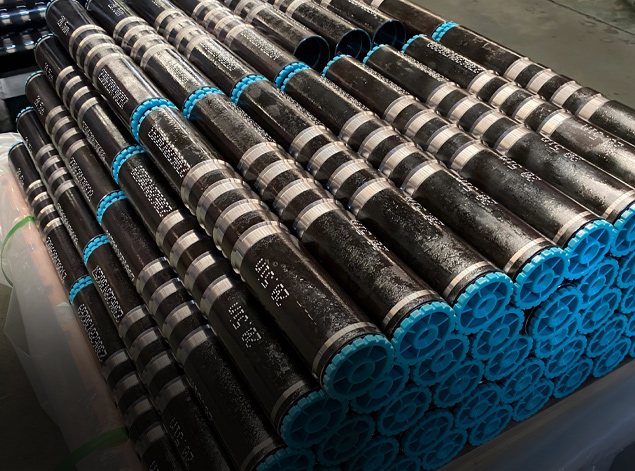
Instead of scallops, it can shoot regardless of the charge tube's angular position.
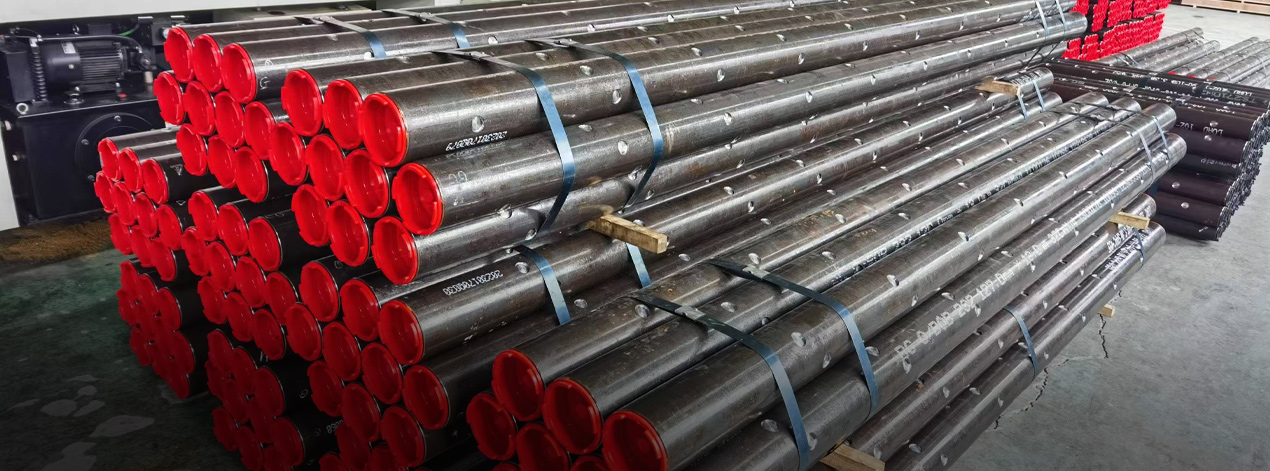
Provides deep penetration and high shot density for demanding formations.
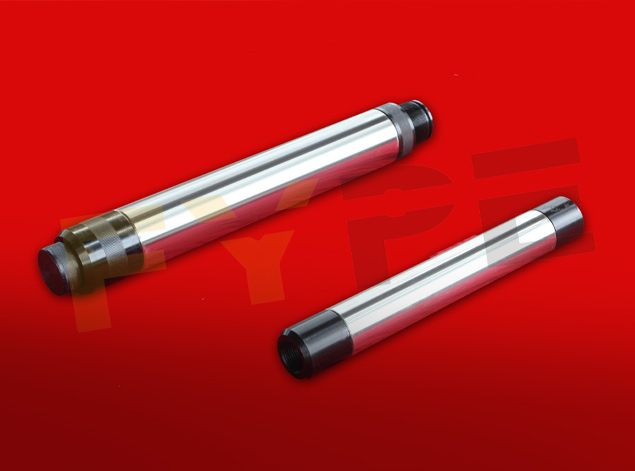
Detects casing collars for precise depth correlation in vertical and horizontal wells.
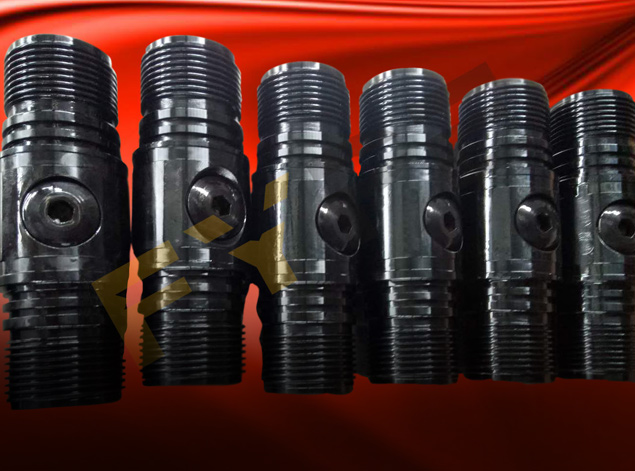
High-grade connecting components utilized in complex downhole gun strings.
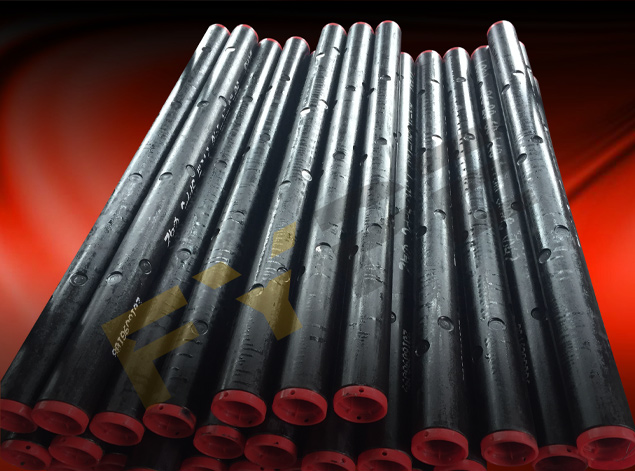
Designed for compact spaces, restricted zones, and limited depth perforation.
A glimpse inside our modern manufacturing facility, showing our advanced production lines and testing chambers.








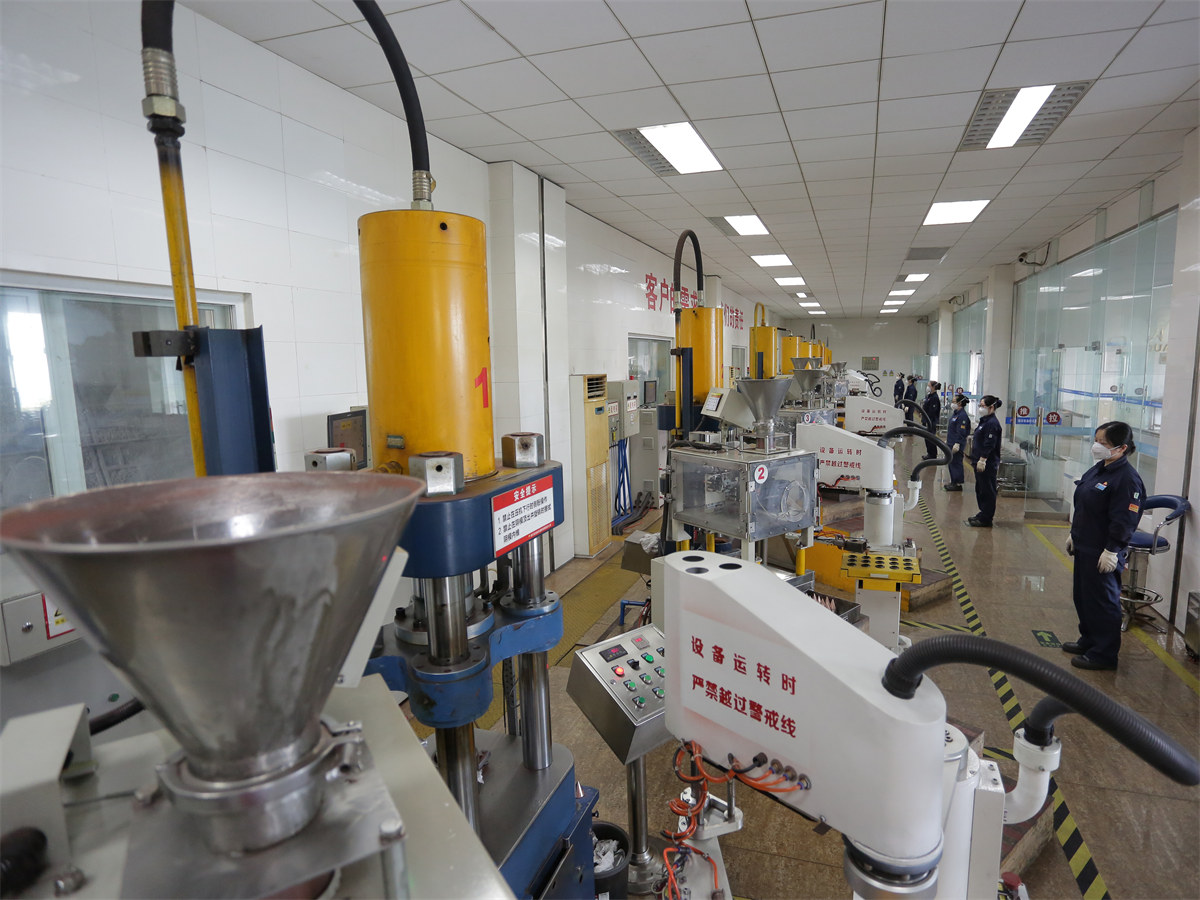
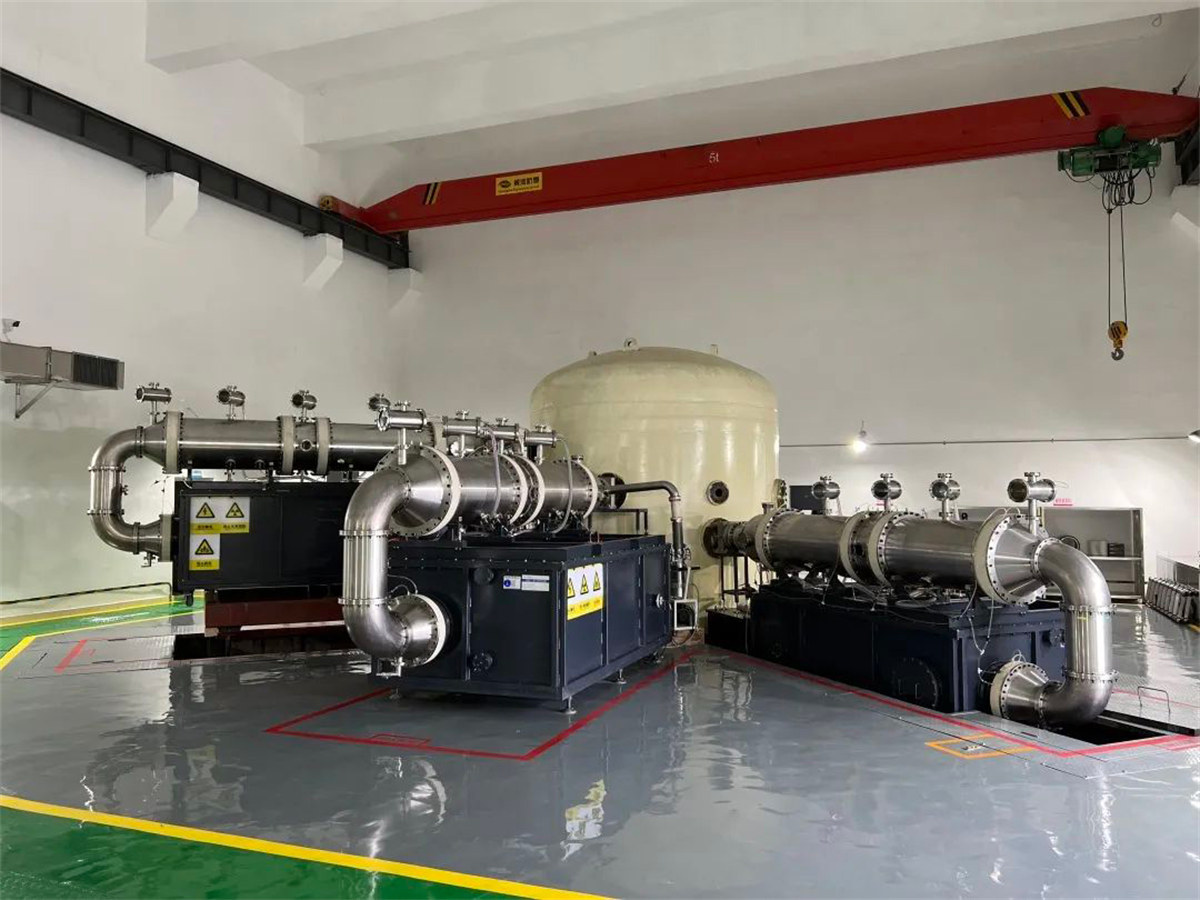
At FYPE, we believe every well deserves precision, reliability, and excellence. Whether you require high-performance perforating tools or dependable technical support, we are your trusted partner in the oil and gas industry.
Inquiry Now
Explore our full line of downhole perforating guns, modular wireline systems, detonating cords, and customized completion tools.
Designed to maximize tunnel depth and overcome formation damage in tough shale formations.
Advanced modular technology to optimize stage turnaround time and enhance system safety.
Precision-machined connections ensuring structural integrity under high mechanical stress.
Factory-assembled and pre-wired systems built for rapid deployment and minimized NPT.
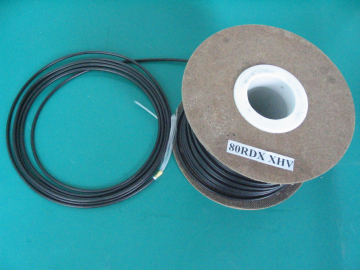
Highly stable detonating cords designed to function reliably under extreme bottomhole temperatures.
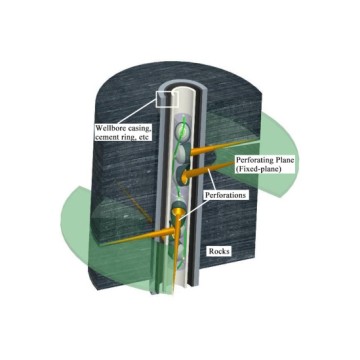
Concentrates perforation entry points on a single plane to facilitate easier fracture initiation.
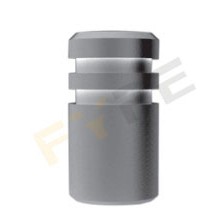
Robust mechanical detonators engineered for tubing-conveyed completion operations.
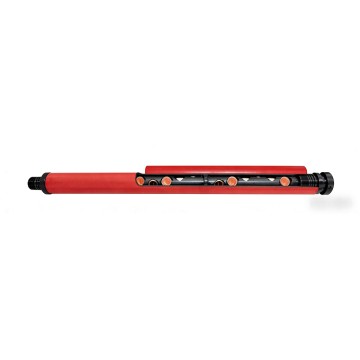
Ensures the gun string shoots in the direction of maximum stress for optimal fracture propagation.