+86-15829394411
Leave Your Message
-
Contact WhatsApp
-
 Contact Phone
-
 Contact Email
Precision-engineered perforating systems designed to optimize production flow in oil & gas completions — trusted by operators across 38 countries worldwide.
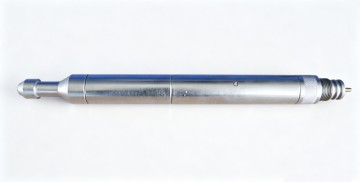
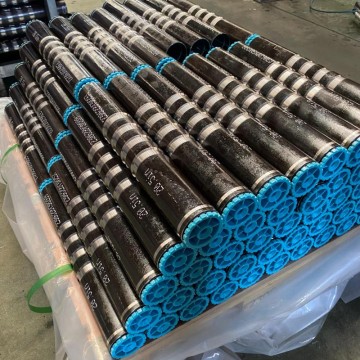
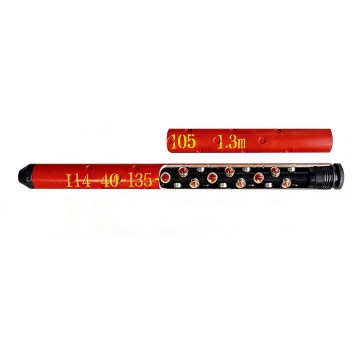
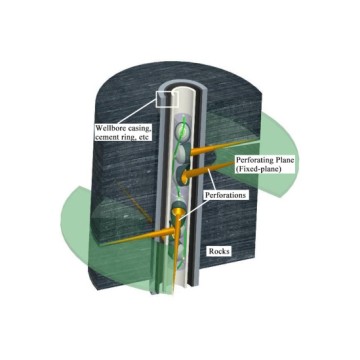
Oil perforating is the critical well completion process by which shaped explosive charges are fired through the casing and cement sheath into the reservoir formation, creating channels — called perforations — that allow hydrocarbons to flow from the rock matrix into the wellbore. Without precisely engineered perforations, even the most productive reservoirs cannot deliver their full potential to surface.
Modern perforating technology has evolved far beyond simple hole-making. Today's systems integrate deep-penetrating shaped charges, high-shot-density gun systems, and intelligent deployment tools that together maximize the inflow performance of each well. The geometry, phasing, density, and depth of perforations directly determine the productivity index of a well — making perforating engineering one of the highest-impact disciplines in the entire completion workflow.
From conventional vertical wells to complex extended-reach horizontal laterals and multi-stage hydraulic fracturing operations, oil perforating for optimizing production flow has become an indispensable technical cornerstone for operators seeking to maximize return on their drilling investment.
The global oil perforating market is undergoing rapid transformation driven by deepwater expansion, unconventional resource development, and the digital revolution in oilfield services.
The worldwide perforating services market is projected to exceed USD 8 billion by 2030, driven by accelerating upstream investment in the Middle East, Latin America, Southeast Asia, and Africa. Operators are increasingly demanding integrated perforating solutions that combine precision engineering with rapid deployment capability to reduce non-productive time (NPT) and lower overall well costs.
The shale revolution in North America — and its replication across Argentina's Vaca Muerta, China's Sichuan Basin, and Australia's Cooper Basin — has fundamentally reshaped perforating demand. Multi-stage hydraulic fracturing requires precisely engineered perforation clusters to initiate fractures at optimal intervals, placing extraordinary demands on perforating gun reliability, shot density uniformity, and charge penetration performance.
The integration of real-time downhole telemetry, fiber-optic distributed sensing, and AI-driven completion optimization is transforming how perforating programs are designed and executed. Smart perforating systems now allow operators to correlate perforation placement with microseismic data, formation evaluation logs, and production analytics — enabling data-driven decisions that continuously improve production outcomes across entire field developments.
Industry studies consistently show that optimized perforating programs — combining the right charge type, gun system, phasing, and deployment method — can increase initial production rates by 15–40% and reduce stimulation costs by improving fracture initiation uniformity in multi-stage completions.
Next-generation perforating systems are being engineered to address the most demanding reservoir conditions and complex completion architectures of the modern oil & gas industry.
As operators push into deeper, hotter, and higher-pressure reservoirs — including HPHT fields in the North Sea, Gulf of Mexico, and South China Sea — perforating systems must withstand temperatures exceeding 200°C and pressures above 20,000 psi. Advanced material science and precision manufacturing are enabling a new generation of ultra-HTHP tools that maintain full performance integrity in these extreme environments.
Directional clustering perforating systems allow engineers to orient perforation tunnels toward the maximum horizontal stress direction, dramatically improving hydraulic fracture initiation efficiency. This technology is becoming standard practice in unconventional completions, where consistent fracture geometry across all clusters is essential for uniform production contribution from every stage of a horizontal lateral.
Through-tubing perforating (TTP) systems enable operators to re-perforate or add new perforations in existing wells without the need for expensive workover rigs. Slim-profile gun systems deployed on wireline or coiled tubing can access zones that were previously bypassed or underperforming, unlocking incremental production from mature fields and extending the economic life of existing wellbore infrastructure.
Increasing perforation shot density — from traditional 4 to 6 shots per foot up to 12 or more — creates a more uniformly distributed inflow profile along the perforated interval. High-density deep-penetration perforating guns are now engineered to maintain structural integrity and charge performance even at maximum loading densities, ensuring consistent results across the entire gun string.
Constant-plane perforating systems ensure that all charges fire in a single geometric plane, concentrating the perforation damage zone and maximizing the surface area exposed to the reservoir. This architecture is particularly effective in thin-bed reservoirs and formations with strong vertical permeability barriers, where conventional helical phasing would result in uneven production contribution from the perforated interval.
Environmental responsibility and wellbore cleanliness are driving the development of low-debris, minimal-residue perforating systems. Advanced charge liner metallurgy and gun body design innovations are reducing the volume of downhole debris generated during firing, protecting downhole equipment, improving wellbore cleanup efficiency, and minimizing the environmental footprint of perforating operations.
Oil perforating for optimizing production flow spans a wide spectrum of reservoir types, well architectures, and operational contexts — each demanding specialized engineering solutions.
In ultra-low permeability tight gas and shale oil formations, perforating is the gateway to hydraulic fracturing success. Precisely engineered perforation clusters — with controlled spacing, phasing, and depth of penetration — are essential for initiating simultaneous, uniformly distributed hydraulic fractures across multi-stage horizontal laterals. FYPE's high-density deep-penetration systems deliver the shot uniformity and penetration performance required to maximize stimulated reservoir volume (SRV) and long-term production sustainability.
Deepwater completions present unique perforating challenges: extreme hydrostatic pressures, limited wellbore access, and the high cost of intervention operations make tool reliability absolutely critical. FYPE's ultra-HTHP perforating systems are engineered to maintain full mechanical and explosive performance at water depths exceeding 3,000 meters, ensuring that deepwater operators achieve first-run success and avoid costly re-runs in subsea environments where intervention costs can exceed USD 1 million per day.
Mature oil fields with declining production rates represent a major opportunity for through-tubing perforating interventions. By deploying slim TTP gun systems through existing production tubing, operators can access bypassed pay zones, re-perforate damaged or scaled intervals, and add new perforations in previously untested formations — all without pulling the completion. This approach delivers incremental production at a fraction of the cost of drilling new wells, making it one of the highest-value applications in the entire production enhancement toolkit.
The economics of horizontal well development are fundamentally linked to the quality and consistency of the perforating program. Directional clustering systems that orient perforations toward the maximum principal stress direction ensure that hydraulic fractures initiate at the designed locations and propagate in the optimal geometry. This precision engineering approach reduces the risk of fracture complexity, improves proppant placement efficiency, and maximizes the productive length of each horizontal lateral.
The global energy transition is expanding the role of geothermal energy, and perforating technology is increasingly being adapted for high-temperature geothermal well completions. FYPE's ultra-HTHP systems — rated for temperatures up to 220°C and pressures exceeding 20,000 psi — provide the performance envelope required for both conventional HPHT oil and gas wells and next-generation geothermal completions, demonstrating the versatility and forward-looking engineering capability of advanced perforating technology.
The integration of perforating with real-time formation evaluation is creating powerful new capabilities for completion optimization. Electrical cable head assemblies that combine logging and perforating functions allow operators to confirm depth correlation, verify formation properties, and fire perforating guns in a single wireline run — dramatically reducing rig time and improving the accuracy of perforation placement relative to the target pay zone. This integrated approach is becoming standard practice in high-value wells where precision and efficiency are paramount.
Expetro Energy Service Co., Ltd. (FYPE) is a leading manufacturer of downhole perforating systems in China, dedicated to the research, development, and production of shaped charges, perforating guns, and associated accessories for oil and gas completions.
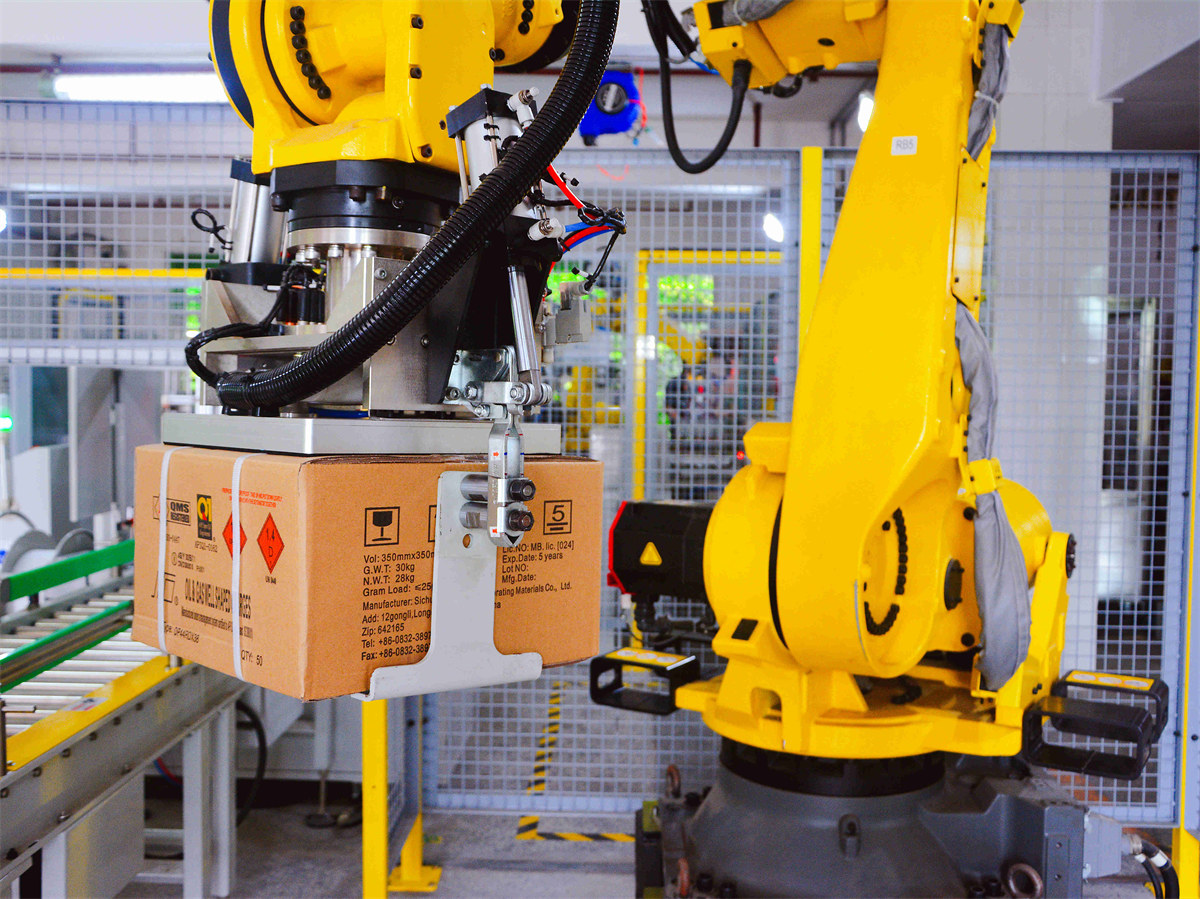
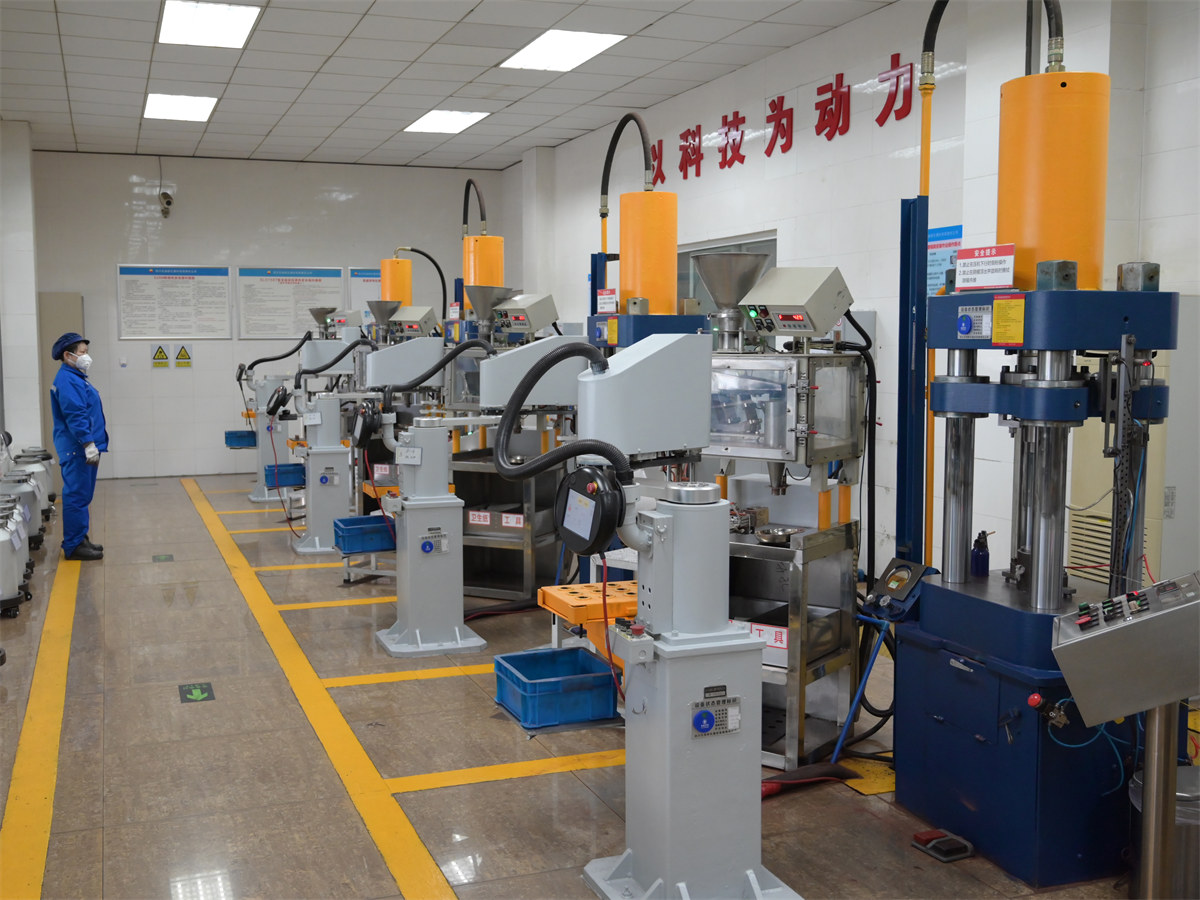
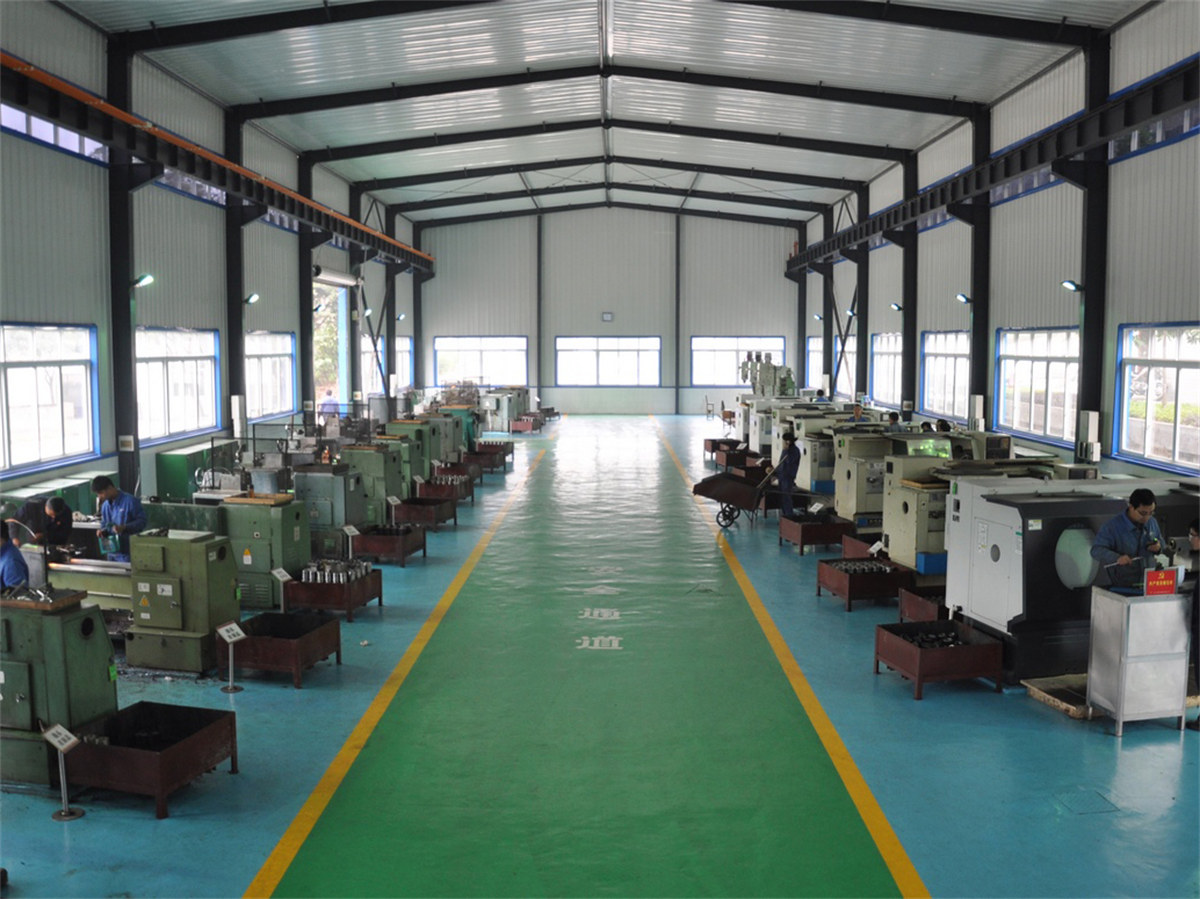
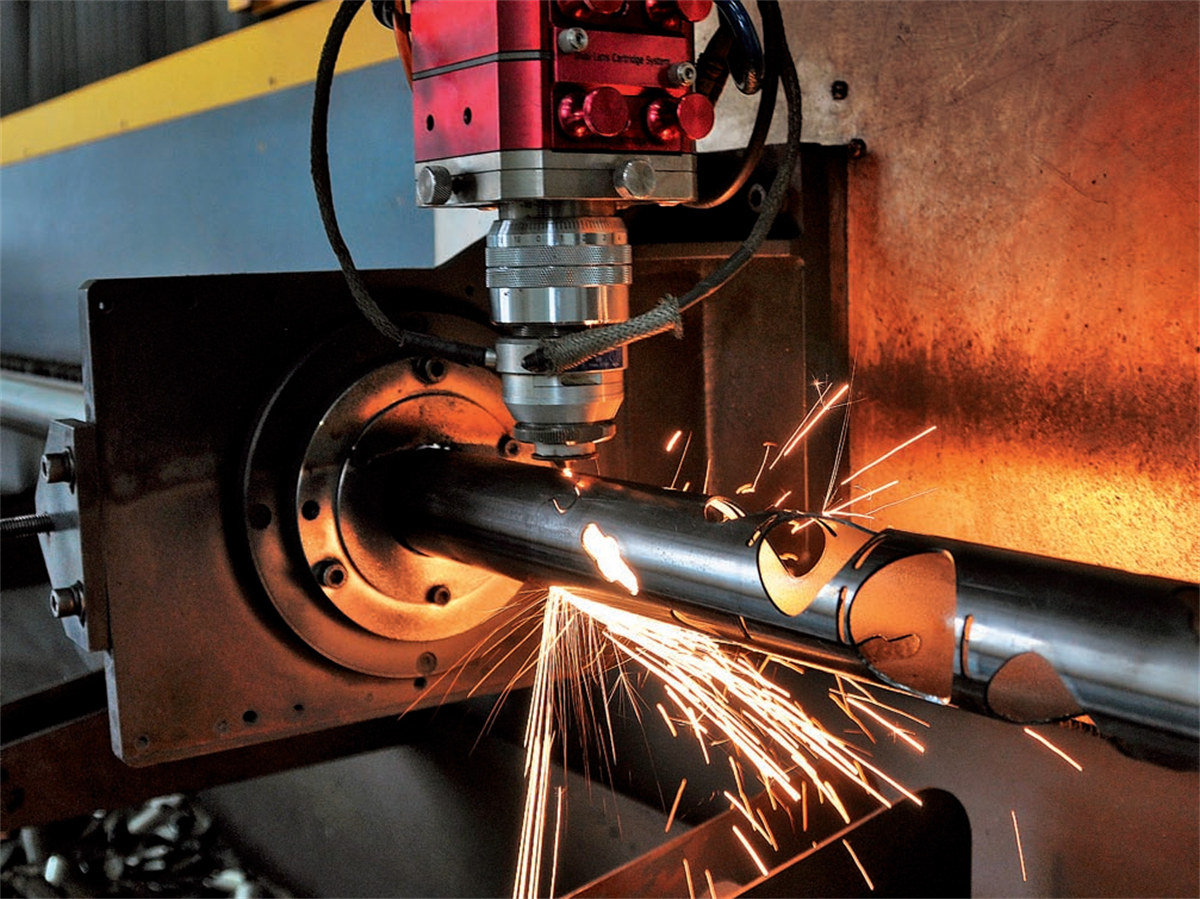
Equipped with state-of-the-art automated production and inspection lines, we deliver over 2.5 million shaped charges and 500,000 meters of perforating guns annually — meeting diverse customer requirements across the global market. Every stage of our production process strictly adheres to the API Q1 Quality Management System, ensuring product reliability and superior performance in every delivery.
To date, our products have served customers in 38 countries worldwide and consistently earn positive feedback for performance and reliability. FYPE is dedicated to expanding its global footprint and building long-term partnerships with clients across continents.
Four core pillars that make FYPE the preferred partner for oil perforating solutions worldwide.
Our professional inspection team operates under a quality management system certified to API Q1 and ISO 9001 standards, ensuring product reliability and superior performance in every delivery.
Our automated production lines ensure product consistency and enhance productivity. Daily shaped charge capacity reaches 10,000 units. The perforating gun line handles 100+ specification types.
Our lab conducts real-core target tests in simulated reservoirs, ultimate pressure resistance tests on perforation tools, and explosion mechanism tests on shaped charges — validating every design before deployment.
With nearly 20 years of export experience across 38 countries, we deeply understand global market demands and deliver trusted, tailored solutions that meet the most demanding international specifications.
FYPE's integrated R&D, manufacturing, and testing capabilities ensure that every perforating system we deliver meets the highest standards of performance and reliability.
Our laboratory can carry out real-core target tests in simulated reservoir conditions, providing accurate data on shaped charge penetration depth, entry hole diameter, and crushed zone characteristics under realistic downhole pressure and temperature environments.
Advanced high-speed imaging and pressure measurement systems allow our engineers to analyze the jet formation, penetration dynamics, and energy distribution of shaped charges in detail — enabling continuous optimization of charge liner geometry, explosive loading, and case design for maximum perforation performance.
Every perforating gun and tool assembly undergoes rigorous pressure integrity testing to validate performance at rated HPHT conditions. Our test facilities can simulate wellbore pressures exceeding 20,000 psi and temperatures up to 220°C, ensuring that tools perform reliably at the most extreme downhole conditions encountered in global operations.
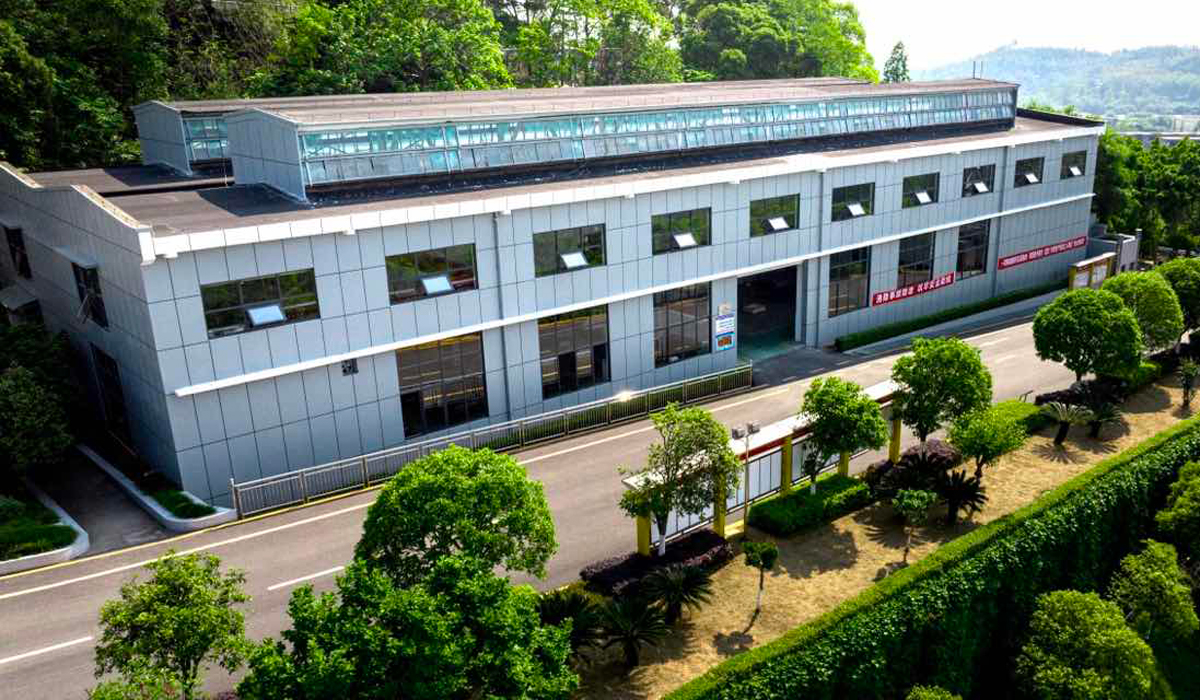
A glimpse into FYPE's world-class manufacturing facilities — where precision engineering meets large-scale production capability.
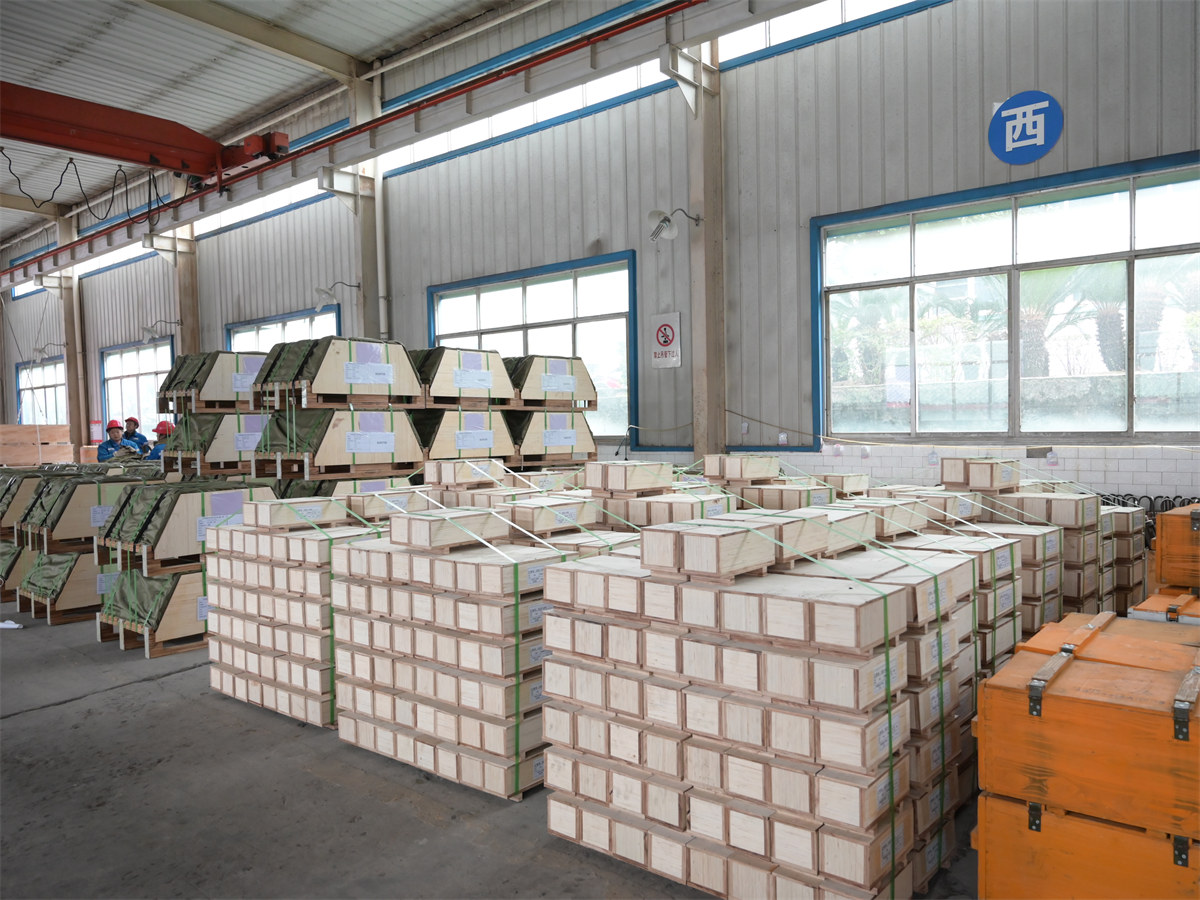
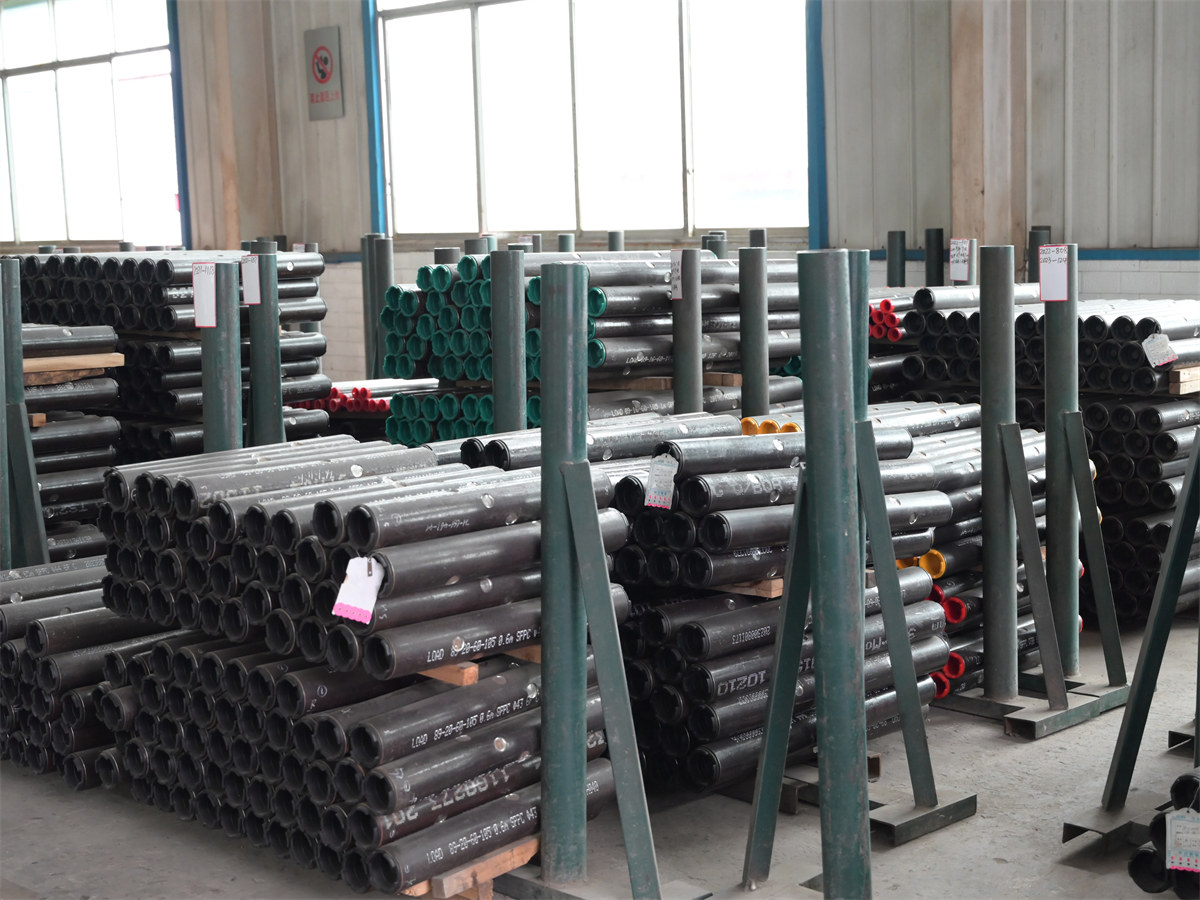
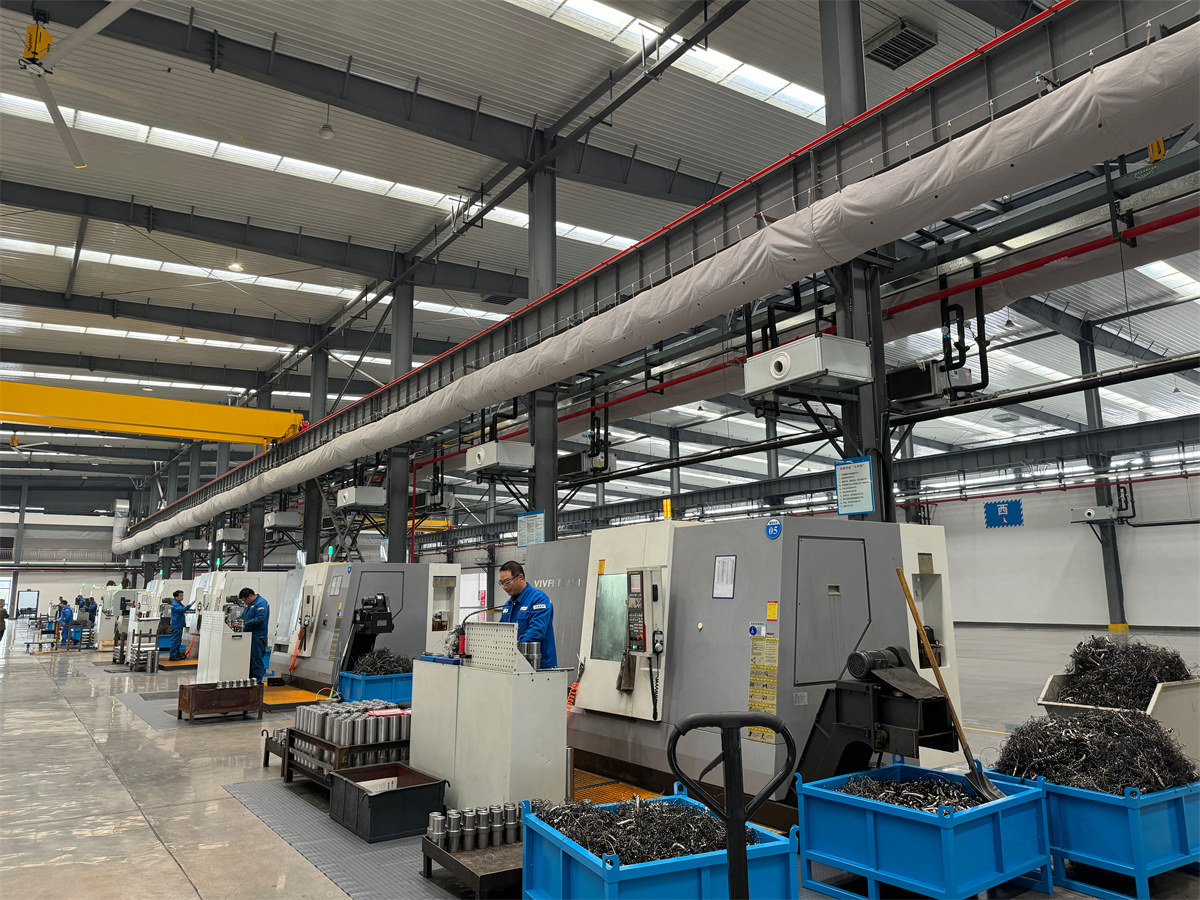
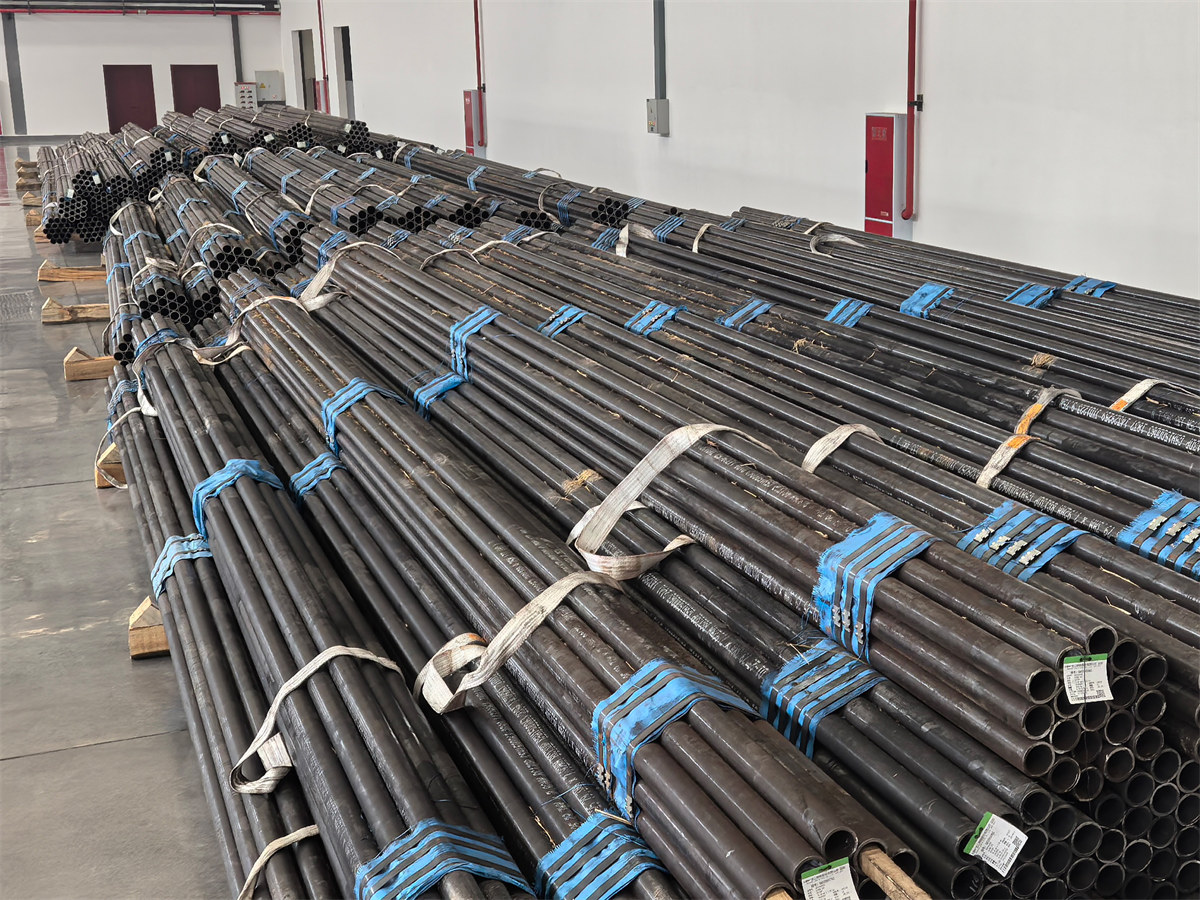
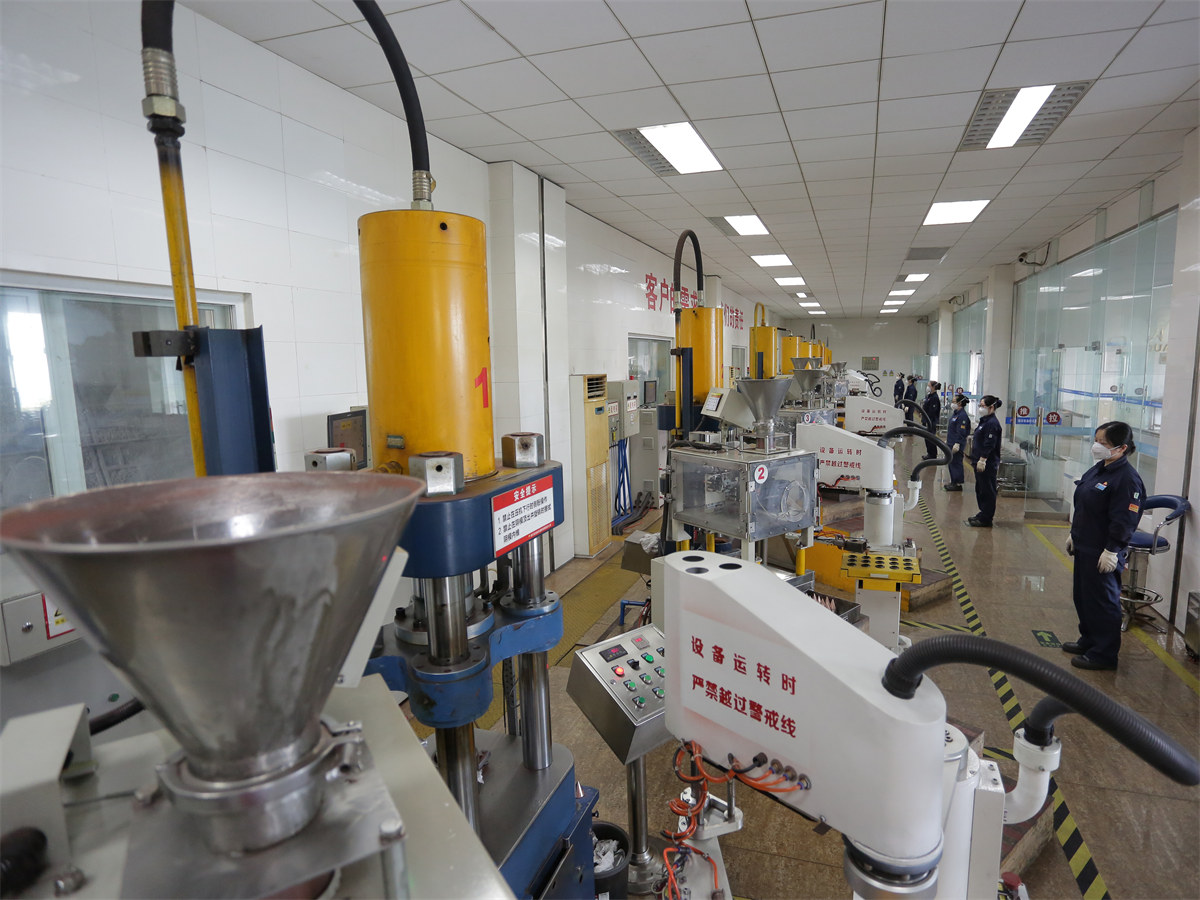
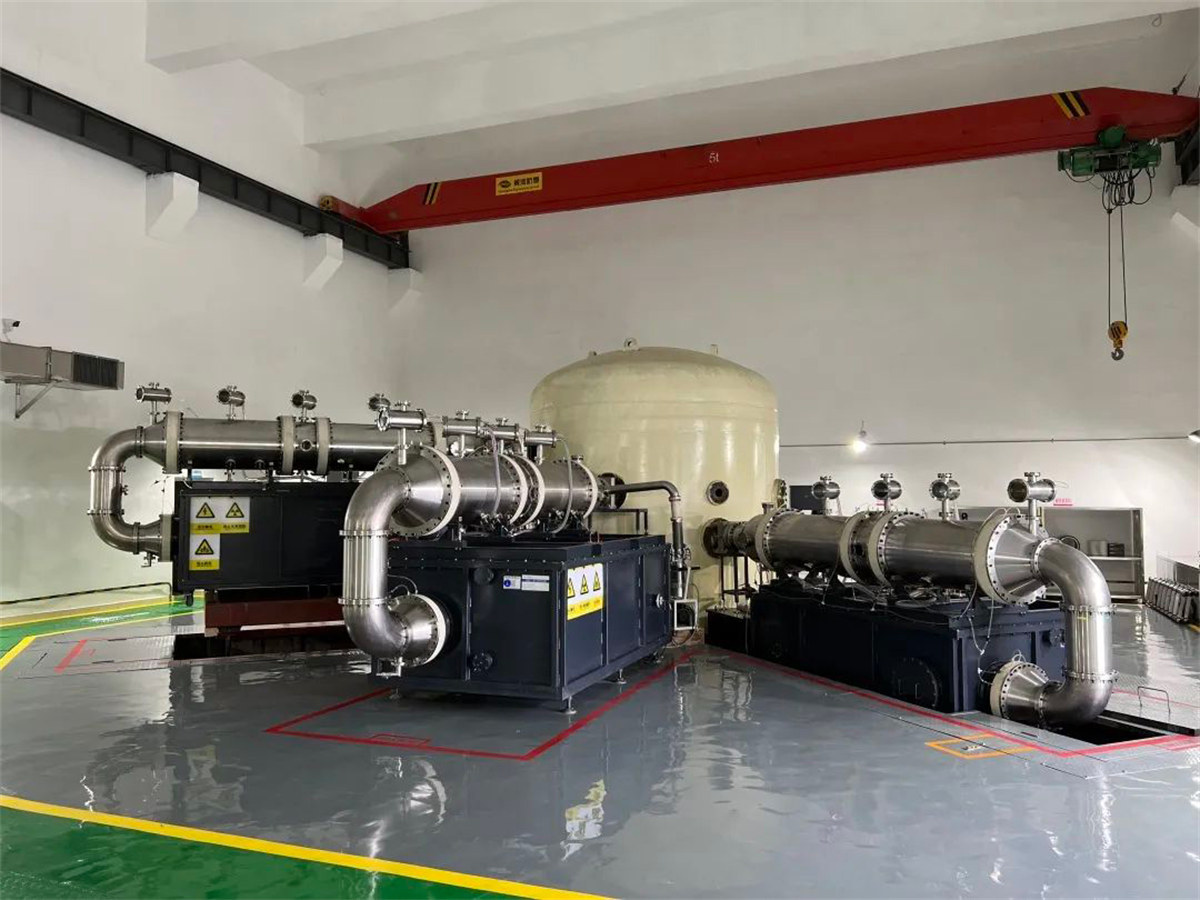
To date, our products have served customers in 38 countries worldwide and consistently earn positive feedback for performance and reliability.
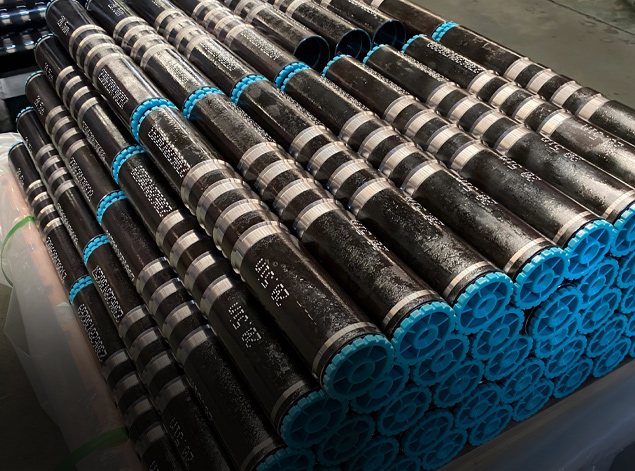
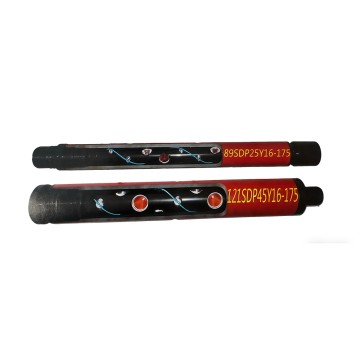
Instead of scallops, it can shoot regardless of the charge tube's angular position — maximizing production flow coverage.
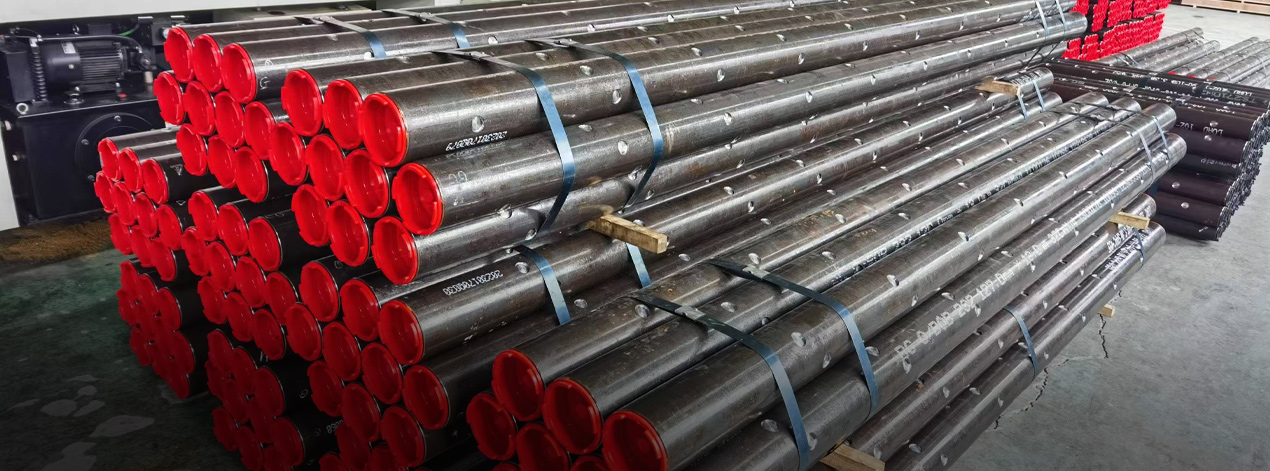
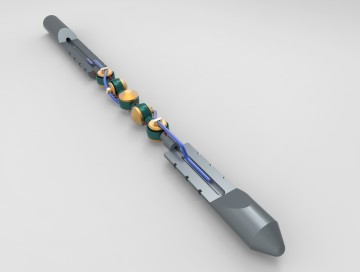
Provides deep penetration and high shot density for maximum reservoir connectivity and optimized inflow performance.
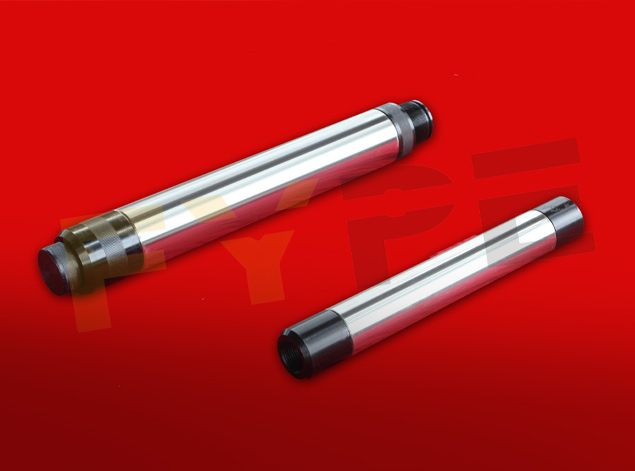
Detects casing collars for accurate depth correlation in wells — ensuring precise perforation placement.
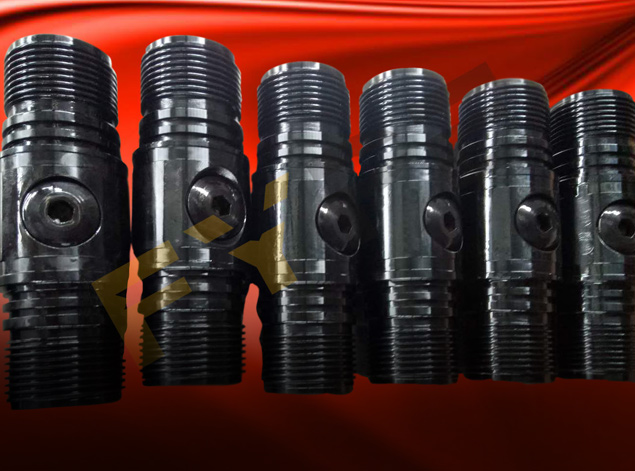
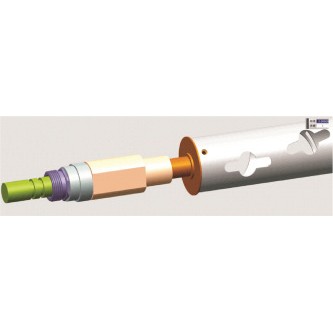
Connecting components used in perforating systems — engineered for reliability under extreme downhole conditions.
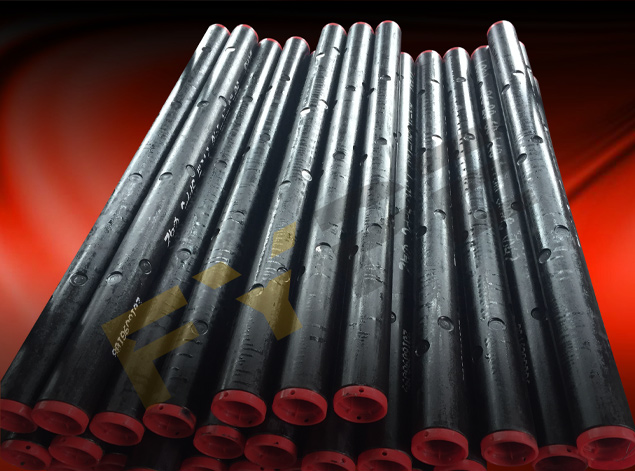
Designed for compact spaces and limited depth perforation — ideal for through-tubing and workover applications.
At FYPE, we believe every well deserves precision, reliability, and excellence. Whether you require high-performance perforating tools or dependable technical support, we are your trusted partner in the oil and gas industry. Our engineering team is ready to work with you to design the optimal perforating program for your specific reservoir conditions and production objectives.
Inquiry Now
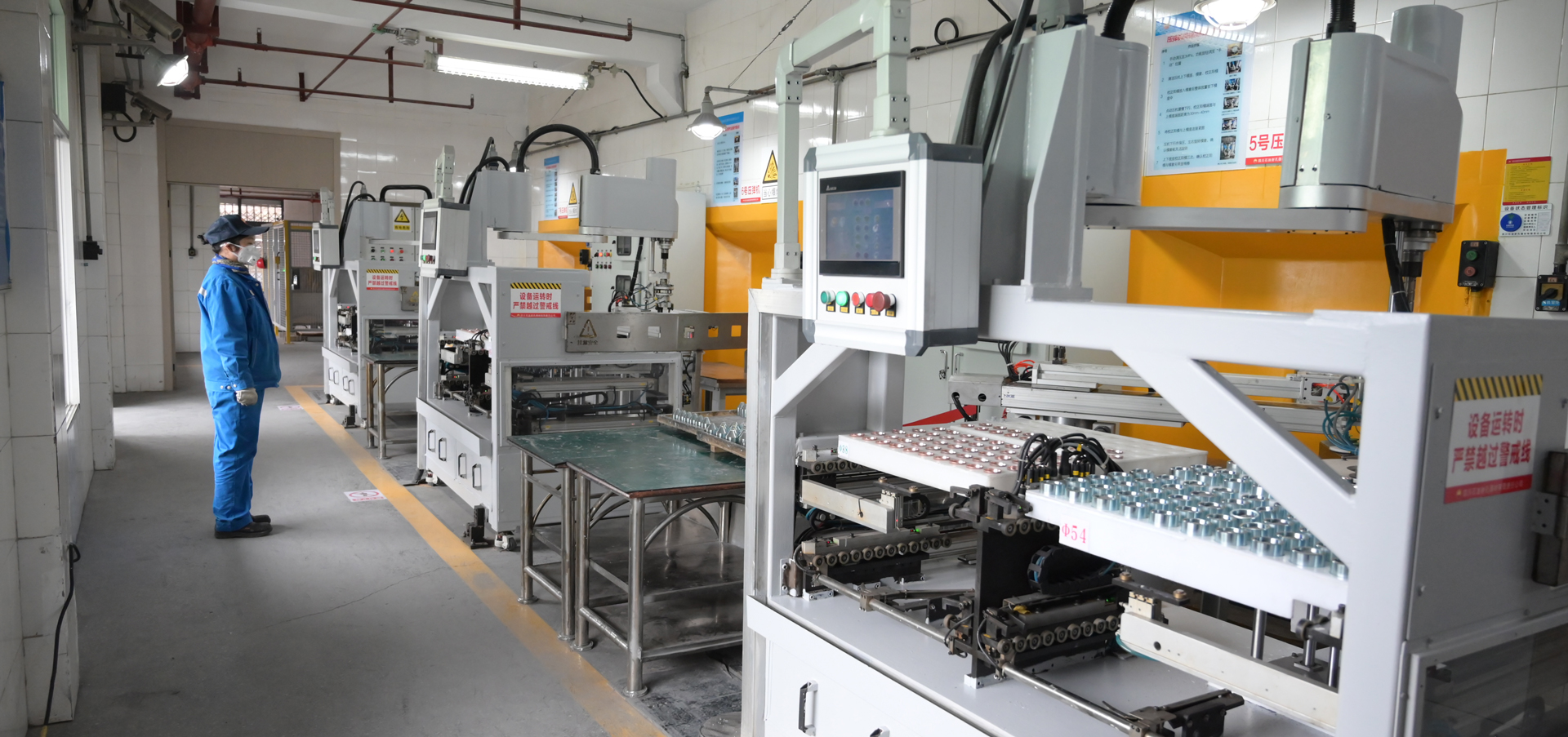
Explore our full range of downhole perforating systems — engineered to optimize production flow across every reservoir type, well architecture, and operating environment.