 +86-15829394411
Leave Your Message
-
Contact WhatsApp
-
 Contact Phone
-
 Contact Email
Purpose-engineered perforating tools designed to optimize perforation geometry, minimize formation damage, and enhance sand control performance across diverse reservoir conditions.
Oil perforating is a critical well completion process in which shaped charges are detonated to create precise channels — known as perforations — through the casing, cement sheath, and into the surrounding reservoir formation. These perforations establish the primary flow path through which hydrocarbons travel from the reservoir into the wellbore.
In sandy or unconsolidated formations, however, this process introduces a significant challenge: sand production. Without careful engineering of the perforation geometry, shot density, phasing, and penetration depth, loose sand particles can migrate into the wellbore alongside oil and gas, causing erosion of downhole equipment, surface facilities, and pipelines — and ultimately reducing well productivity and increasing operational costs.
Sand control management through optimized perforating addresses this challenge by engineering the perforation tunnel geometry to minimize drawdown pressure, reduce near-wellbore stress concentration, and create stable perforation tunnels that resist sand influx. This integrated approach combines perforation design, completion strategy, and advanced gun system technology to deliver long-term well integrity and sustained production performance.
Sand production is responsible for billions of dollars in annual losses across the global oil and gas industry. From wellbore plugging and choke erosion to complete well abandonment, uncontrolled sand influx represents one of the most costly operational challenges in unconsolidated reservoir development. Precision perforating is the first — and most impactful — line of defense.
The global sand control market is experiencing accelerated growth driven by increasing deepwater developments, tight reservoir exploitation, and the demand for longer well life cycles. Here is how oil perforating technology is shaping this landscape.
The global sand control market was valued at over USD 2.8 billion in 2023 and is projected to grow at a CAGR exceeding 5.2% through 2030. This growth is primarily fueled by rising deepwater and ultra-deepwater exploration activities in the Gulf of Mexico, West Africa, and Southeast Asia — regions where unconsolidated, sand-prone formations are prevalent. Perforating systems that integrate sand control functionality are increasingly specified as standard in completion designs for these environments.
The convergence of perforating technology with real-time downhole measurement and intelligent completion systems is transforming sand control management. Modern perforating guns are increasingly being deployed alongside distributed temperature sensing (DTS), fiber optic monitoring, and autonomous inflow control devices (AICDs). This integration allows operators to dynamically respond to sand breakthrough events, adjust drawdown profiles, and extend well life — all while maintaining production efficiency. The rise of digital twin technology further enables predictive perforation modeling before any gun is run downhole.
The industry is moving away from treating perforating and sand control as separate completion phases. Today's leading operators adopt a holistic "perf-to-pack" completion philosophy, where perforation geometry is co-engineered with gravel pack or frac-pack designs from the outset. This approach requires perforating guns with precisely calibrated big-bore charge configurations, optimal phasing angles, and minimal formation damage — capabilities that define the next generation of sand control perforating systems.
Chinese manufacturers of perforating systems have significantly elevated their position in the global supply chain over the past decade. With API Q1 certification, advanced automated production capabilities, and competitive pricing, companies like FYPE are capturing increasing market share across the Middle East, Southeast Asia, Central Asia, and South America. The combination of high-volume capacity — over 2.5 million shaped charges annually — and rigorous quality control has made Chinese suppliers a preferred partner for international operators seeking reliable, cost-effective sand control perforating solutions.
As exploration pushes into deeper, hotter, and higher-pressure reservoirs, the demand for HTHP-rated perforating systems has surged. Sand control in HTHP environments presents unique challenges: elevated temperatures accelerate explosive degradation, while extreme pressures require gun bodies with exceptional burst and collapse ratings. Advanced HTHP perforating guns rated beyond 200°C and 20,000 psi are now essential tools for deepwater and high-pressure gas condensate completions where sand control is simultaneously required.
Environmental and operational sustainability is reshaping perforation strategy. Self-cleaning perforating systems, which actively remove perforation debris and crushed zone damage immediately after firing, are gaining traction as operators seek to minimize formation damage, reduce stimulation requirements, and lower the overall environmental footprint of completion operations. These systems deliver cleaner perforation tunnels, improved productivity ratios, and reduced chemical usage — aligning with the industry's broader ESG commitments.
From offshore deepwater fields to onshore tight formations, optimized oil perforating for sand control management is deployed across a wide spectrum of reservoir environments and completion architectures.
In unconsolidated sandstone reservoirs, perforating guns are deployed with large-bore, high-shot-density configurations specifically designed to facilitate gravel pack placement. The perforation tunnels must be large enough to allow gravel slurry to flow freely into the formation while maintaining structural integrity. Optimized phasing — typically 0° or 180° — ensures gravel bridges do not form prematurely, enabling a complete, uniform gravel pack that physically prevents sand from entering the wellbore.
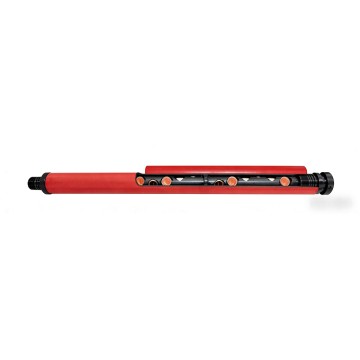
Standalone sand screens are widely used in moderate-to-weakly consolidated formations. When combined with precision perforating, the perforation geometry must be engineered to produce a stable sand arch at each perforation tunnel entrance — preventing sand migration while maintaining acceptable flow rates. Horizontal oriented perforating guns play a crucial role here, ensuring shots are directed toward the formation's natural stress orientation to maximize arch stability and minimize screen plugging.
Horizontal wells in sand-prone formations present unique perforation challenges. The wellbore orientation relative to formation stresses means that conventional phasing patterns can create preferential flow paths that accelerate sand production. Horizontal oriented perforating guns, designed to fire charges selectively toward the high-side or low-side of the wellbore, enable operators to control inflow distribution, reduce localized drawdown, and significantly delay sand onset — extending the productive life of horizontal completions in challenging reservoirs.
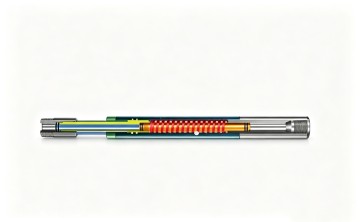
Tubing Conveyed Perforating (TCP) is the method of choice for deep, high-pressure, and HTHP wells requiring sand control. TCP allows large gun strings to be deployed on tubing, enabling simultaneous perforation of long intervals in a single run — critical for efficient gravel pack or frac-pack placement. The Longitudinal Shock Absorber plays an essential role in TCP sand control completions, protecting the tubing string and surface equipment from the intense dynamic loads generated during simultaneous multi-gun detonation in deep wells.
Deepwater subsea completions in West Africa, the Gulf of Mexico, and the Asia-Pacific region frequently encounter thick, highly permeable sand intervals with little cementation. These environments demand perforating systems capable of operating reliably at extreme hydrostatic pressures and temperatures, while delivering the precise perforation geometry required for effective gravel pack placement. The economic stakes are enormous — a single deepwater well can cost USD 100–200 million to drill and complete, making perforation optimization for sand control a critical investment with outsized returns.
Many mature producing wells experience progressive sand control failure as reservoir pressure depletes and formation cementation weakens over time. Re-perforating with modern, optimized gun systems allows operators to re-establish productive zones with improved perforation geometry, while simultaneously enabling the installation of new sand exclusion screens or chemical consolidation treatments. Self-cleaning perforating systems are particularly valuable in re-entry applications, where residual formation damage and debris from previous completions can compromise new perforation quality.
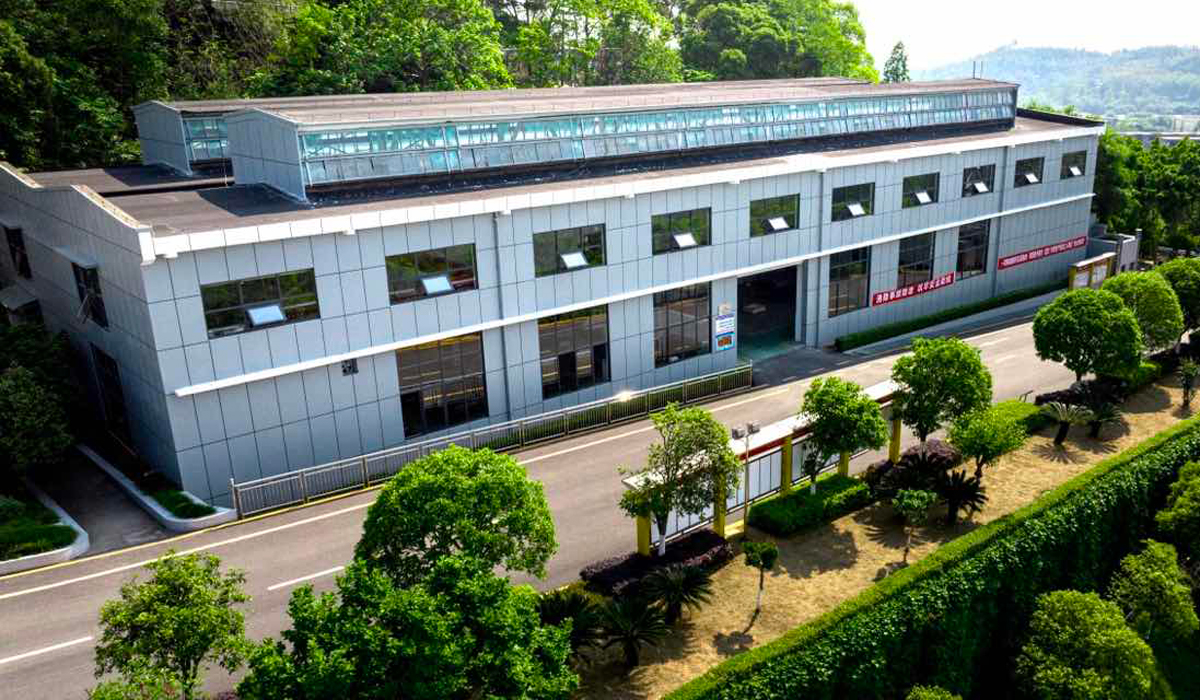
Expetro Energy Service Co., Ltd. (FYPE) is a leading manufacturer of downhole perforating systems in China, dedicated to the research, development, and production of shaped charges, perforating guns, and associated accessories for oil and gas completions.
With nearly two decades of deep domain expertise and an unwavering commitment to engineering excellence, FYPE has established itself as a globally trusted partner for operators and service companies seeking reliable, high-performance perforating solutions — including specialized systems for sand control management applications.
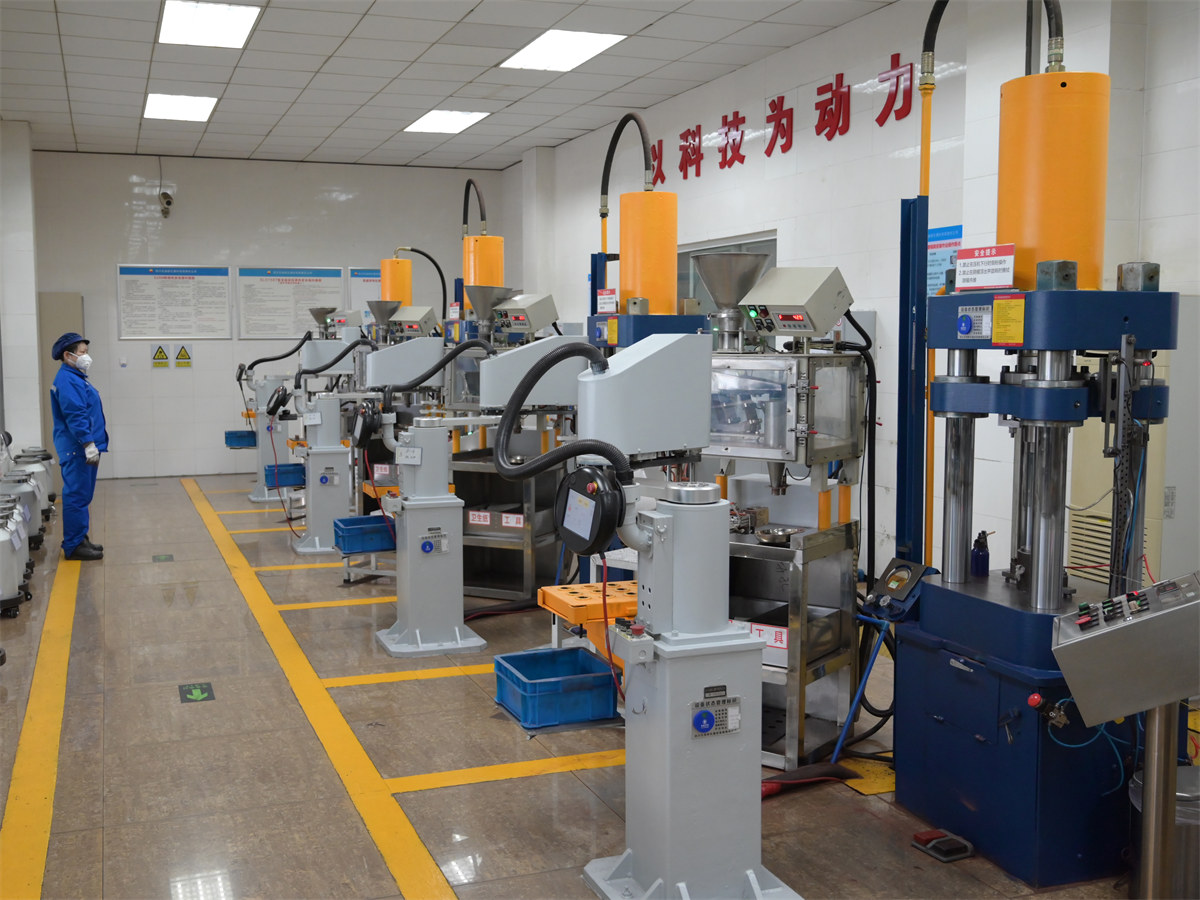
Equipped with state-of-the-art automated production and inspection lines, we deliver over 2.5 million shaped charges and 500,000 meters of perforating guns annually — meeting diverse customer requirements across the global market.
Every stage of our production process strictly adheres to the API Q1 Quality Management System. This unwavering commitment to quality, innovation, and customer satisfaction has established FYPE as a trusted partner in the global energy sector.
To date, our products have served customers in 38 countries worldwide and consistently earn positive feedback for performance and reliability. FYPE is dedicated to expanding its global footprint and building long-term partnerships with clients across continents.
Our professional inspection team operates under a quality management system certified to API Q1 and ISO 9001 standards, ensuring product reliability and superior performance in every delivery.
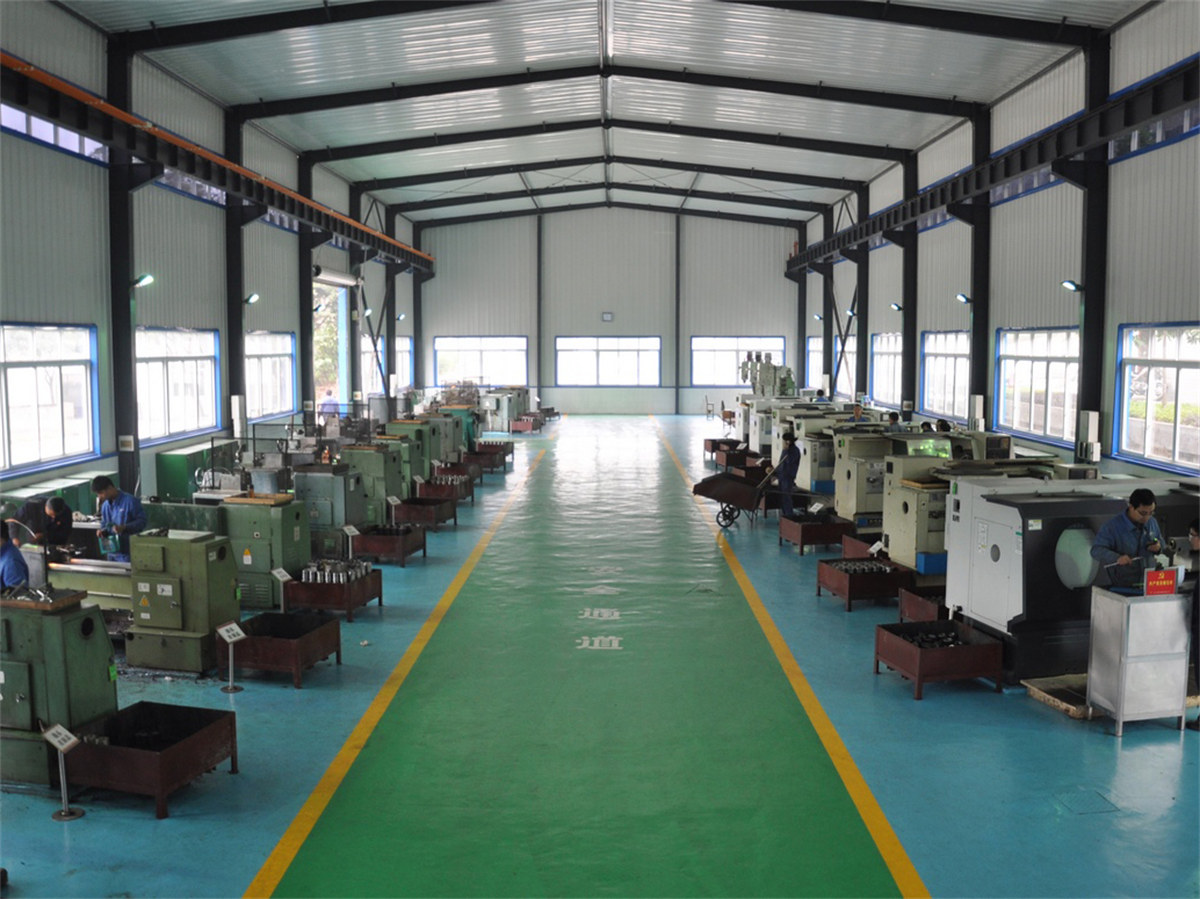
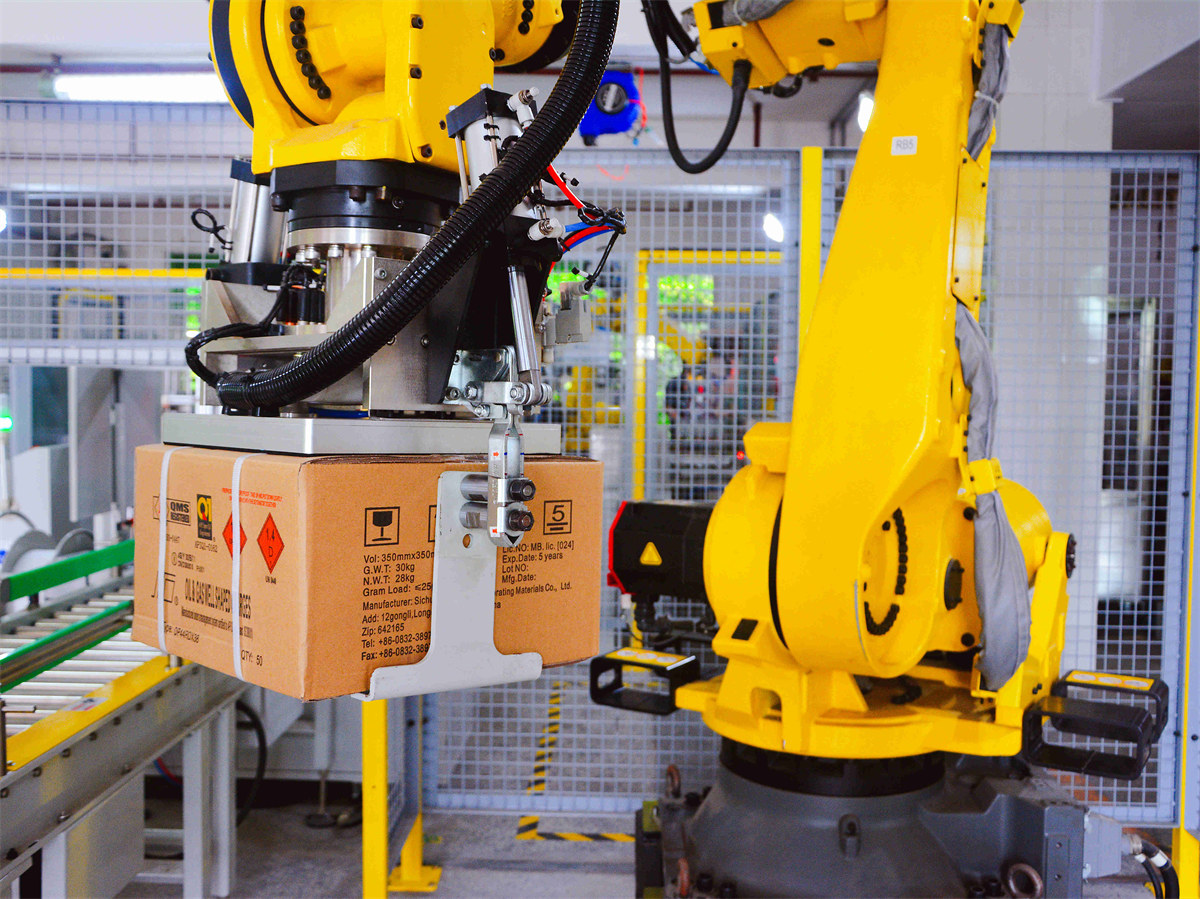
Our automated production lines ensure product consistency and enhance productivity. The daily capacity of shaped charges can reach 10,000. The perforating gun production line can meet the processing of 100+ types with different specifications.
Our lab can carry out real-core target tests in simulated reservoirs, ultimate pressure resistance tests on perforation tools, explosion mechanism tests on shaped charges, and sand control simulation studies under representative downhole conditions.
With nearly 20 years of export experience across 38 countries, we deeply understand global market demands and deliver trusted, tailored solutions for sand control perforating in diverse geological and operational environments.
To date, our products have served customers in 38 countries worldwide and consistently earn positive feedback for performance and reliability.
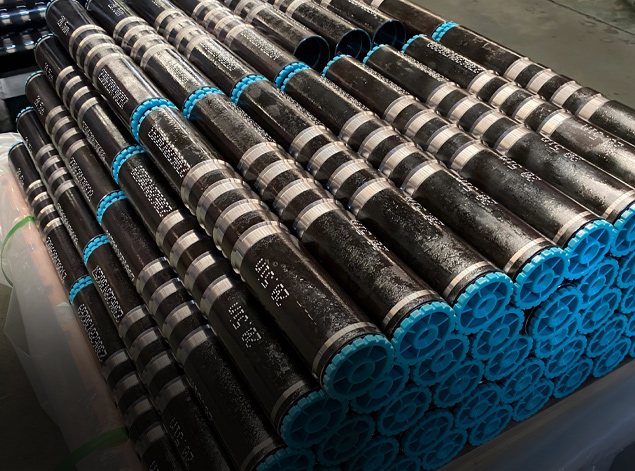
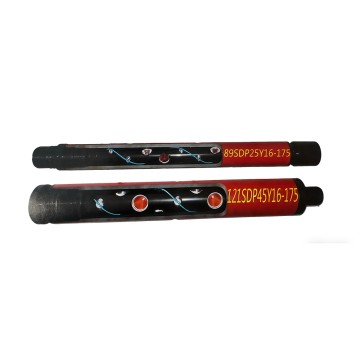
Instead of scallops, it can shoot regardless of the charge tube's angular position.
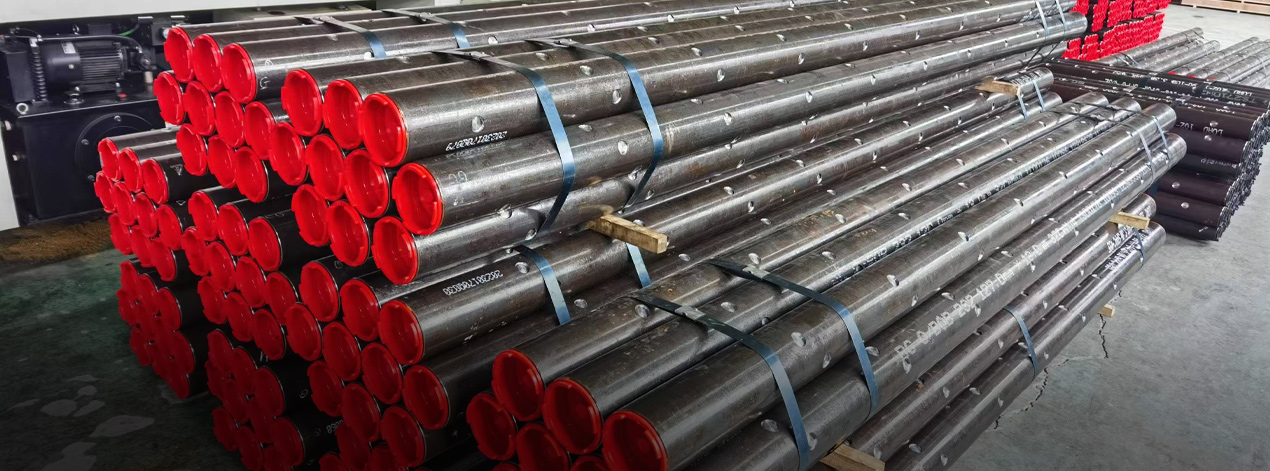
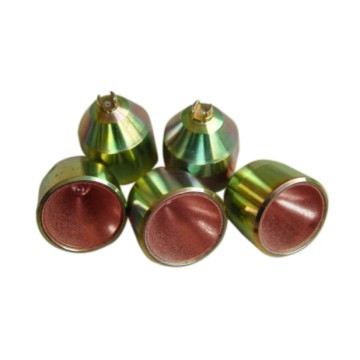
Provides deep penetration and high shot density for optimal sand control perforation.
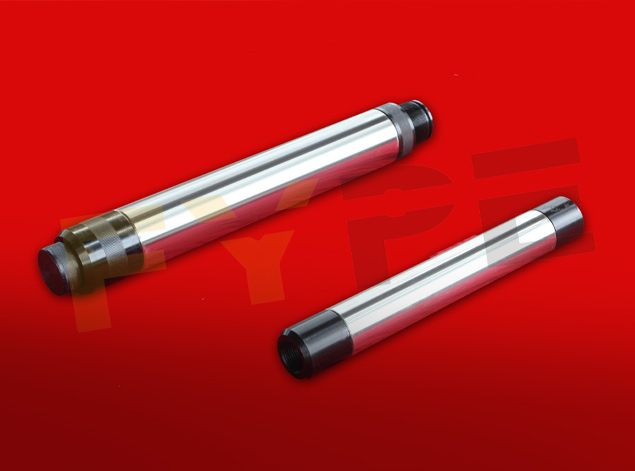
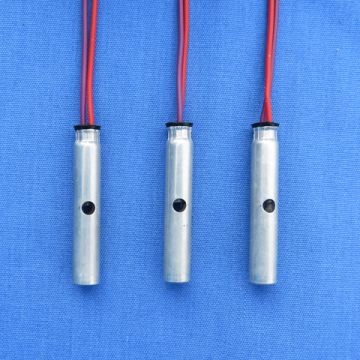
Detects casing collars for precise depth correlation in sand control completions.
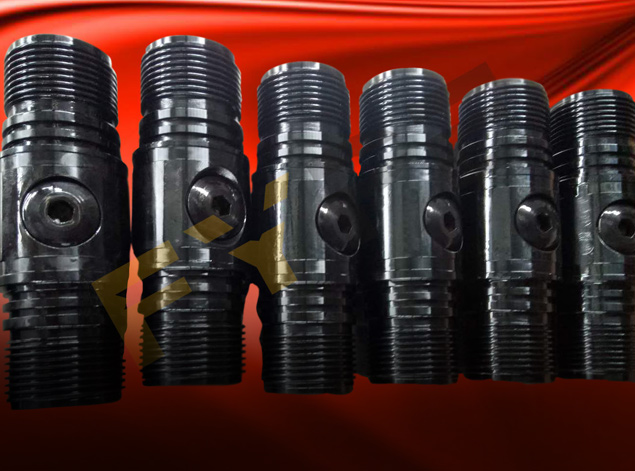
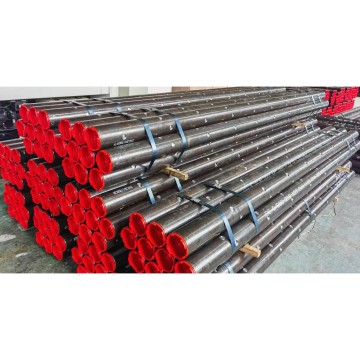
Connecting components used in sand control perforating systems.
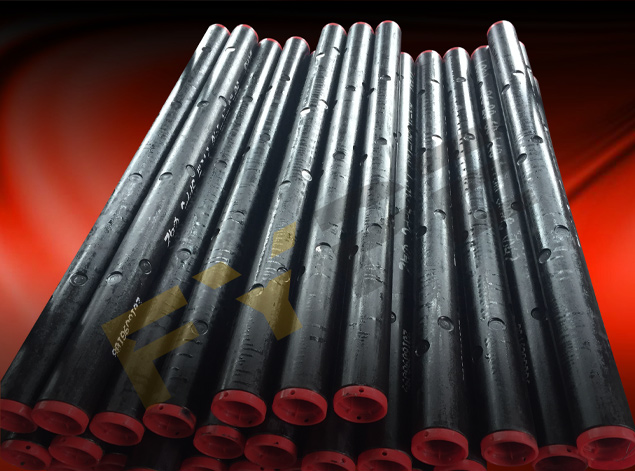
Designed for compact spaces and limited depth sand control perforation.
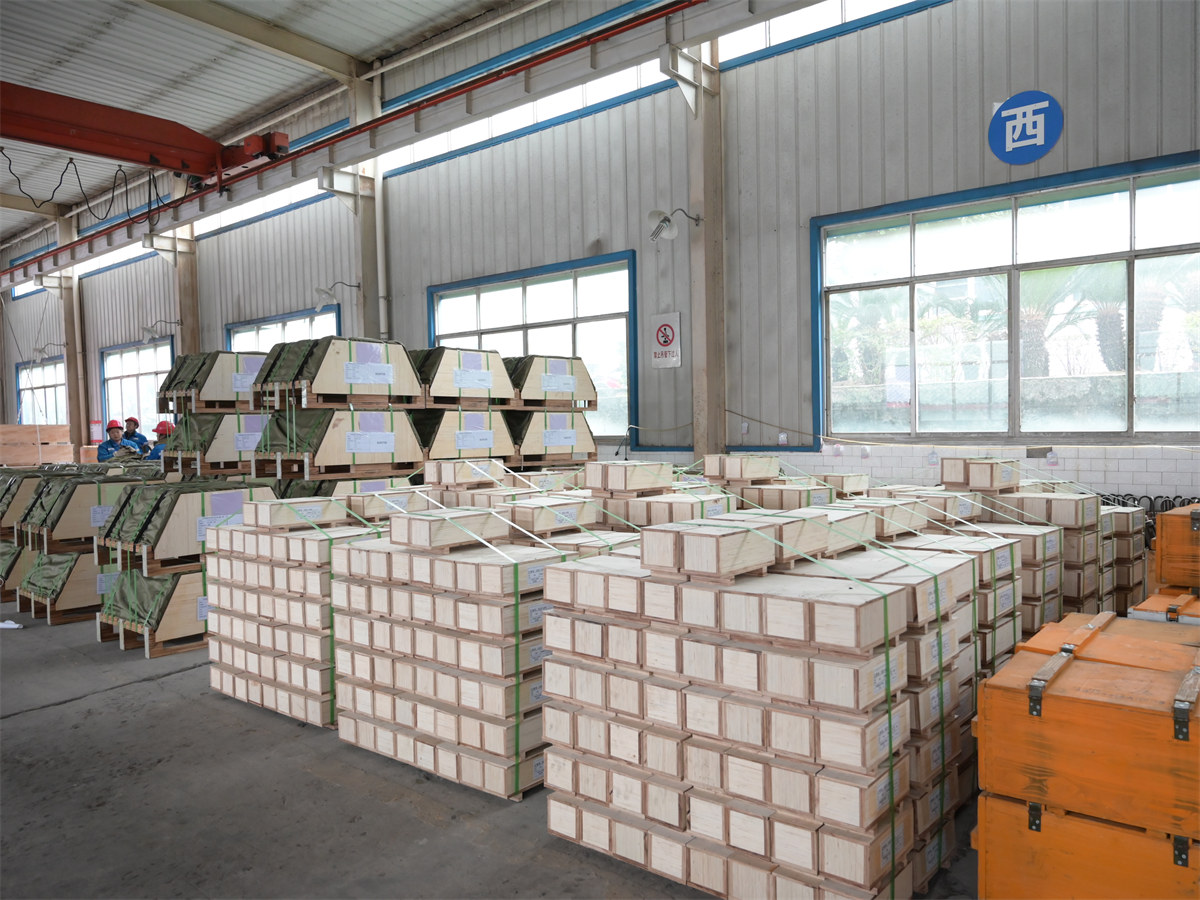
Our state-of-the-art manufacturing facility is purpose-built for the precision demands of oil perforating and sand control management equipment production.
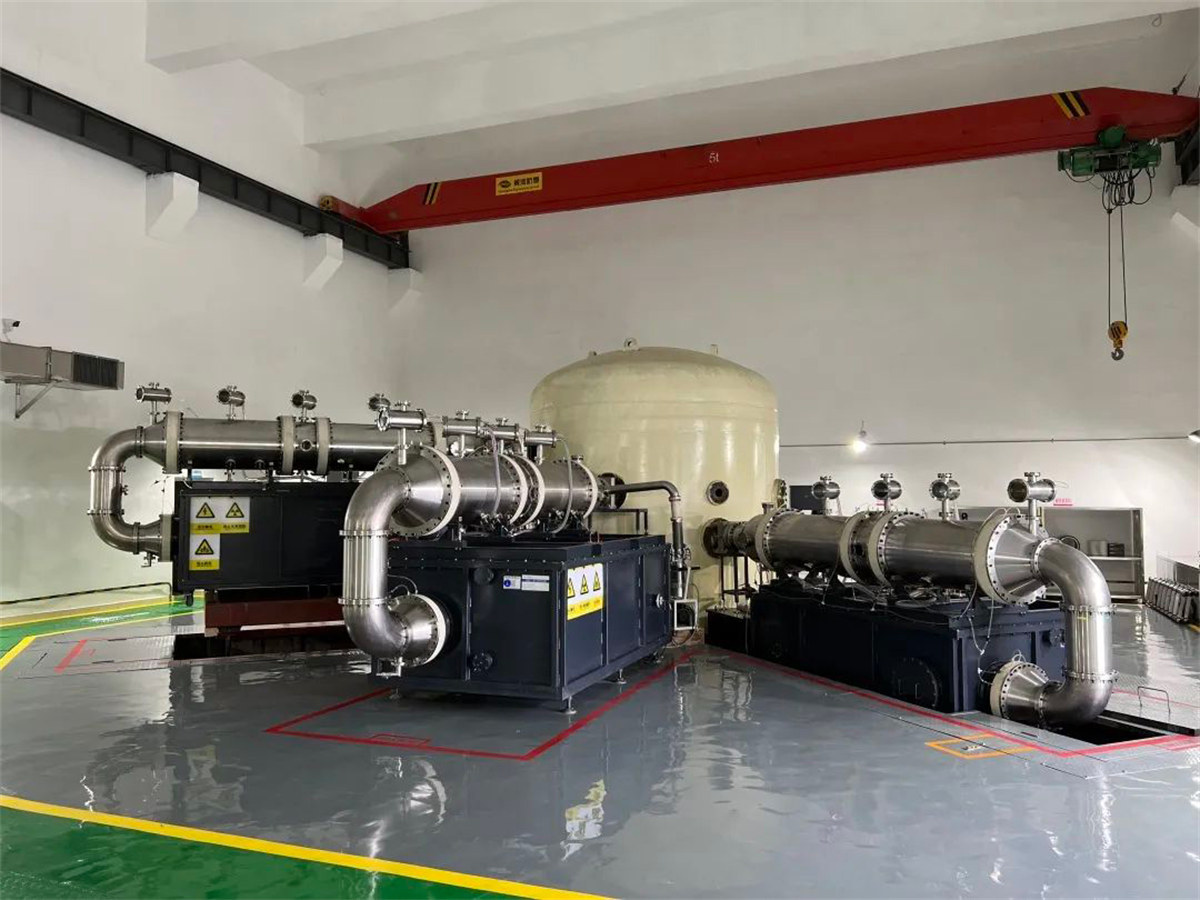
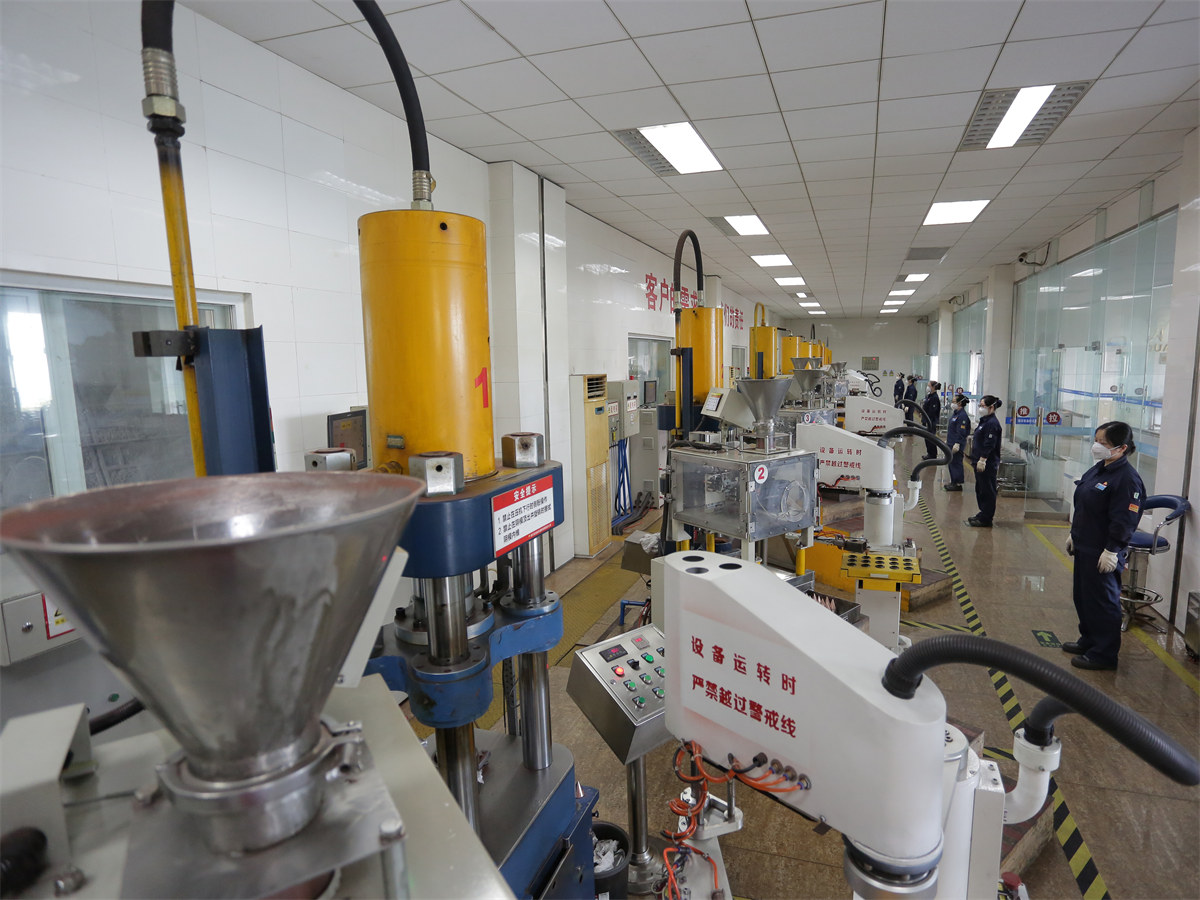
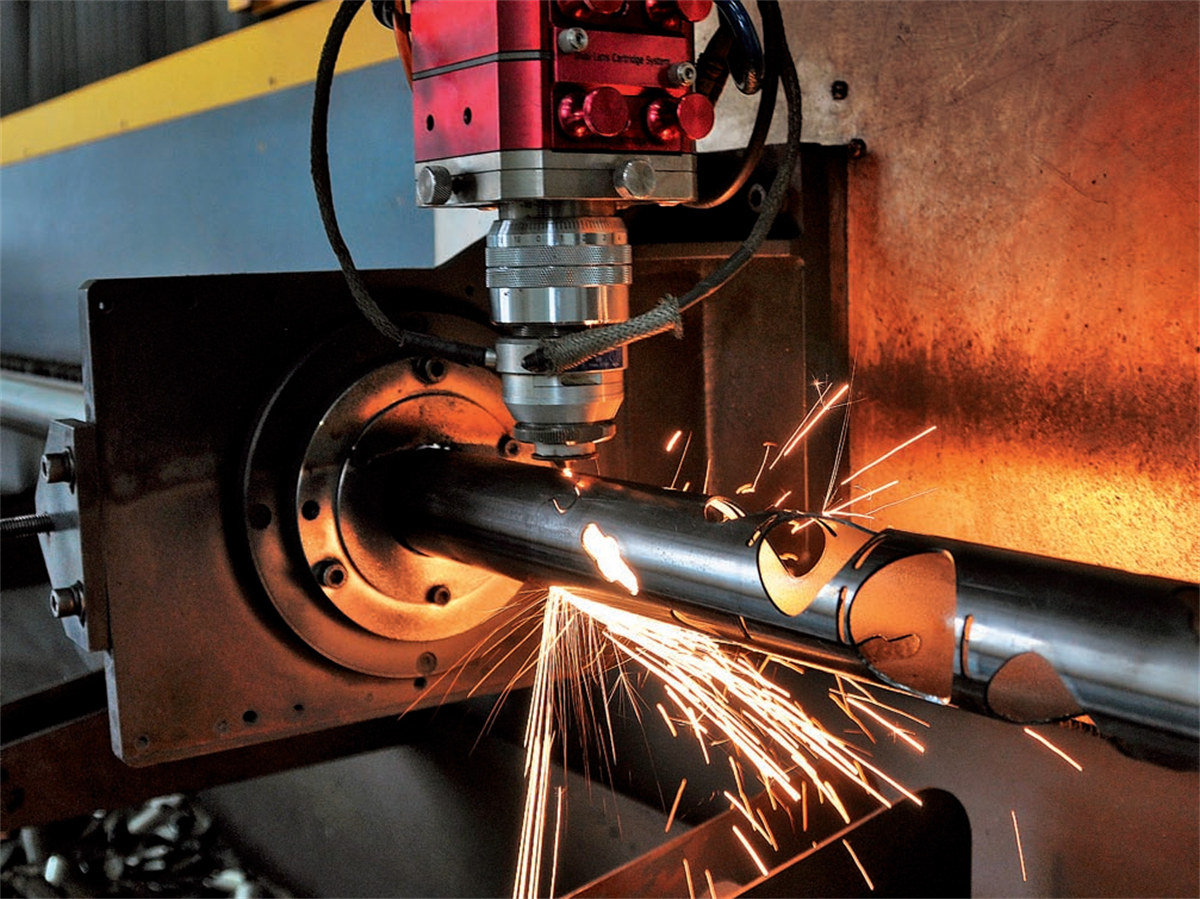
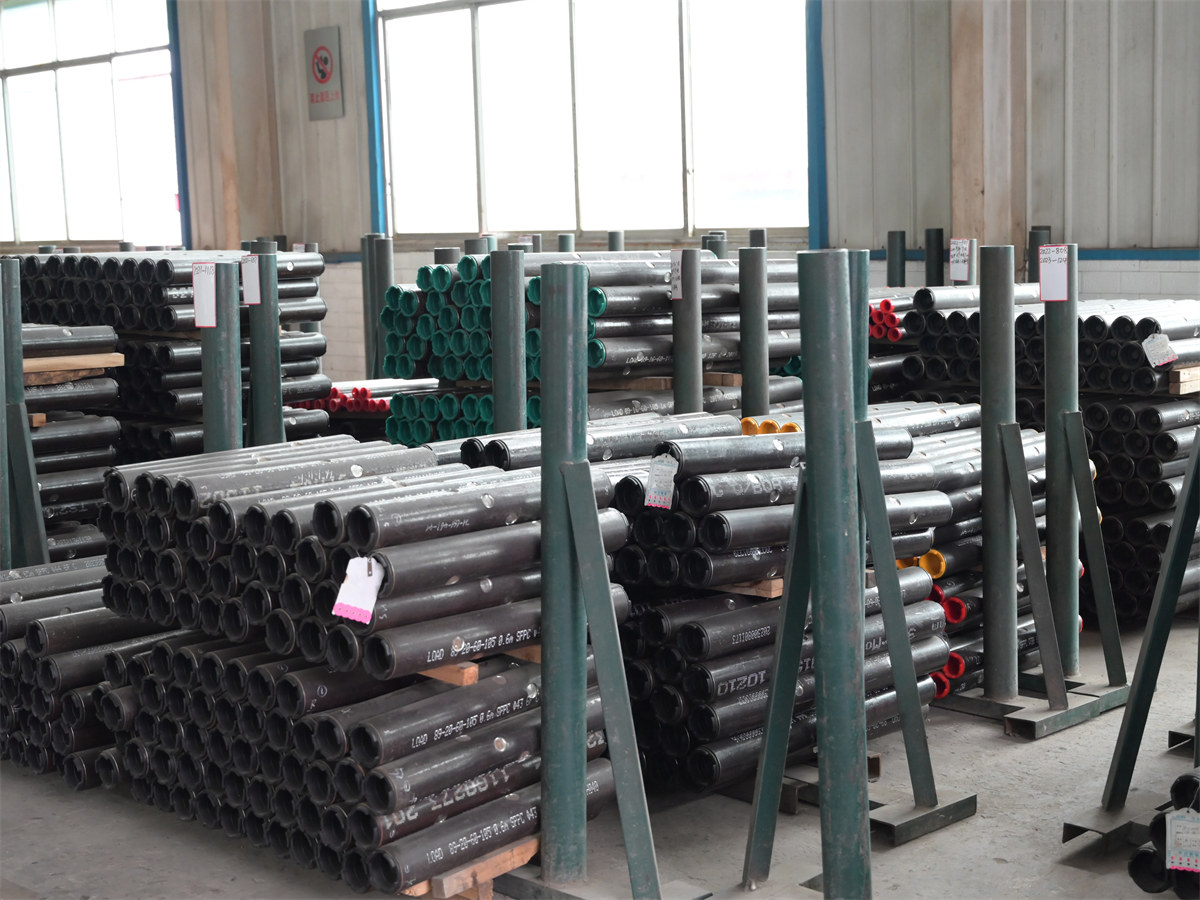
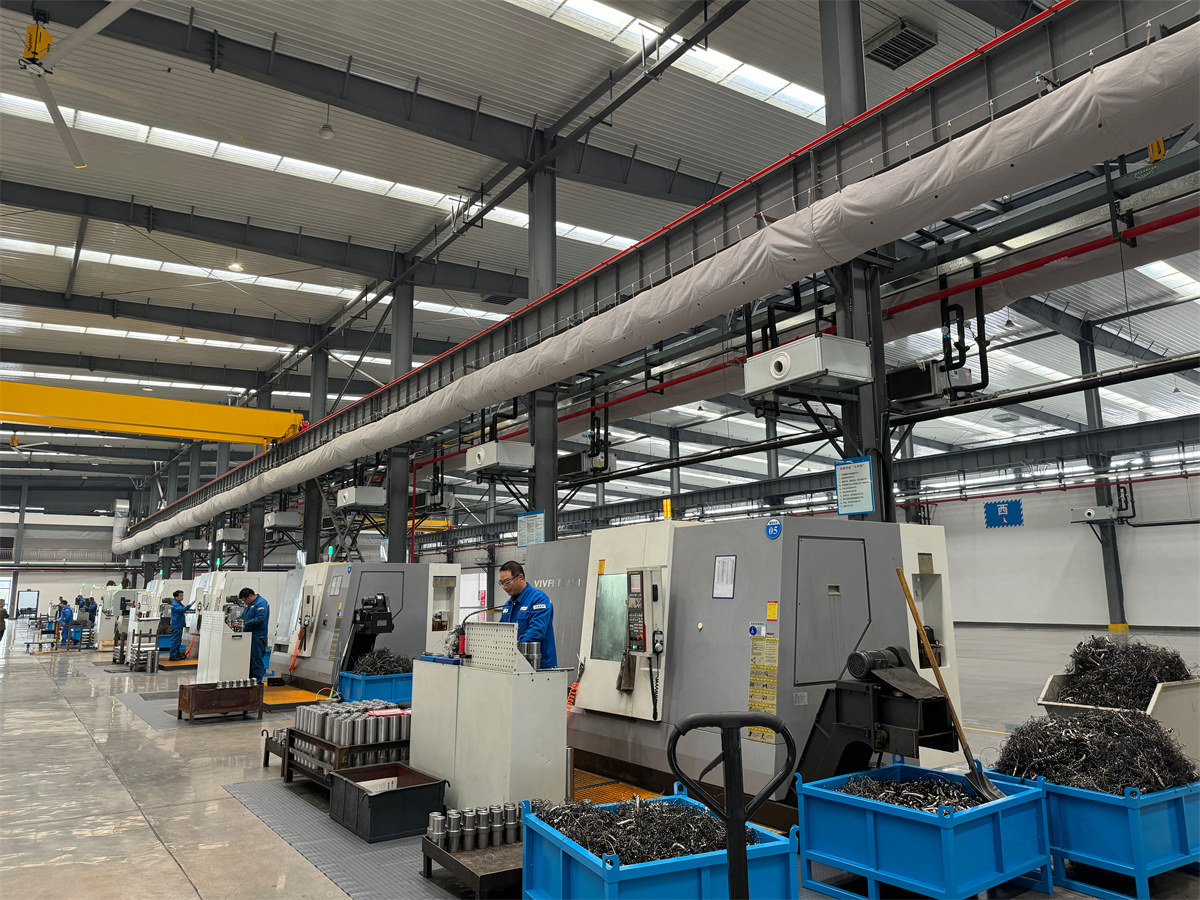
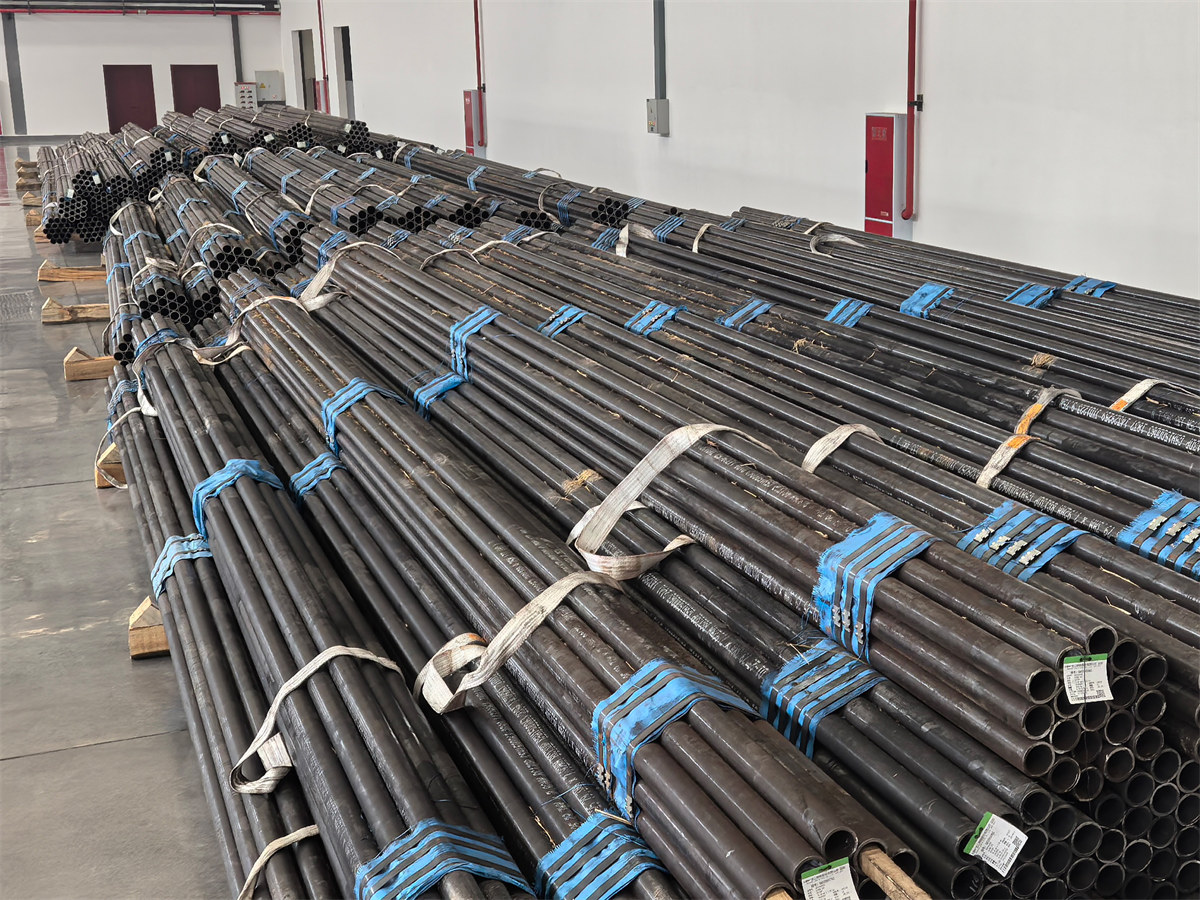
At FYPE, we believe every well deserves precision, reliability, and excellence. Whether you require high-performance perforating tools for sand control management or dependable technical support, we are your trusted partner in the oil and gas industry.
Inquiry Now
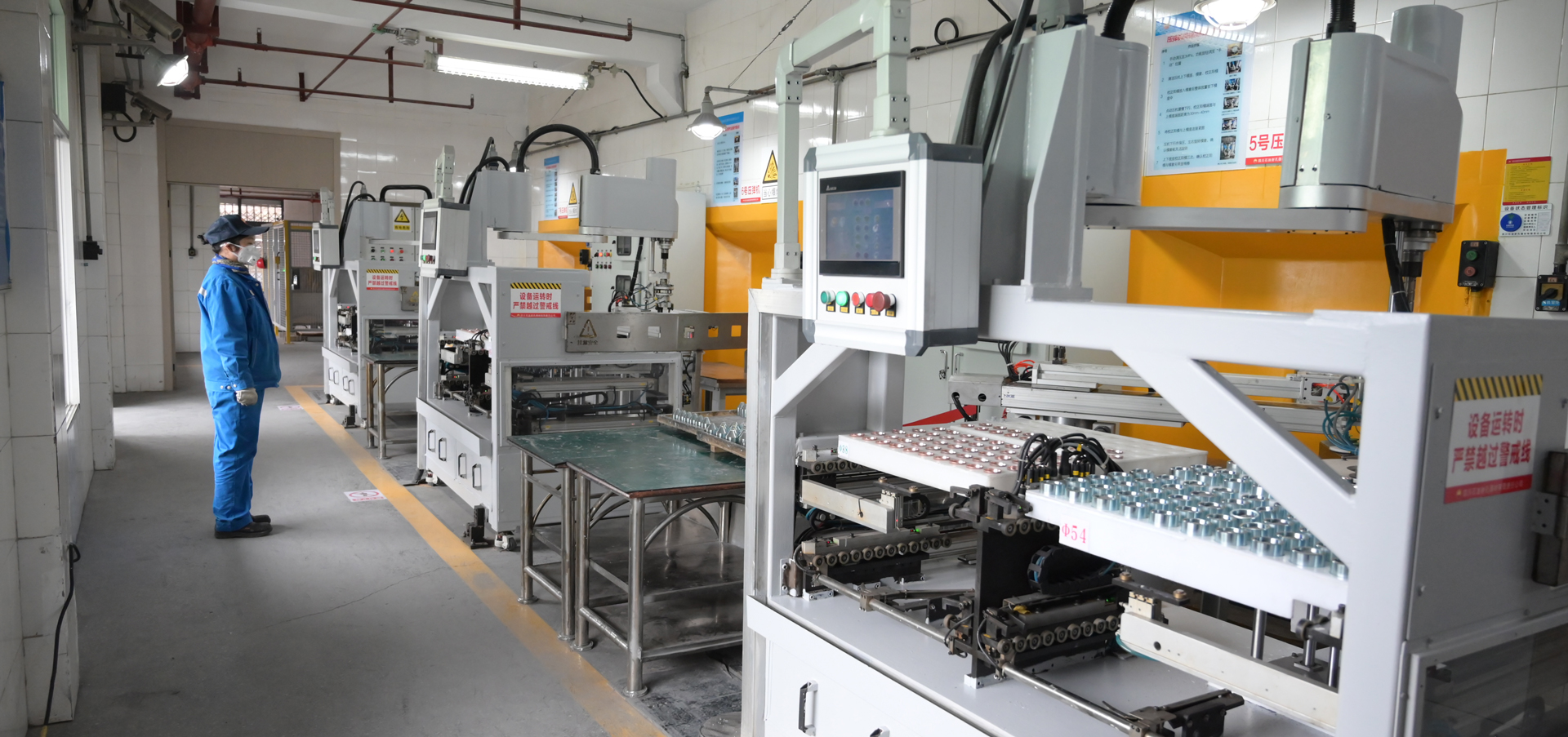
Explore our comprehensive portfolio of perforating systems and accessories engineered for sand control management across all well types and reservoir conditions.