+86-15829394411
Leave Your Message
-
Contact WhatsApp
-
 Contact Phone
-
 Contact Email
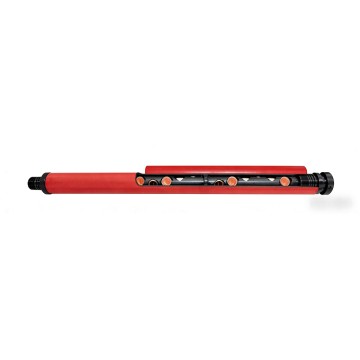
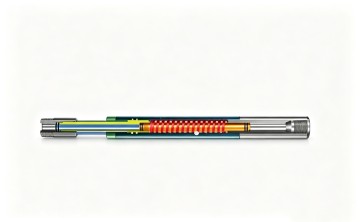
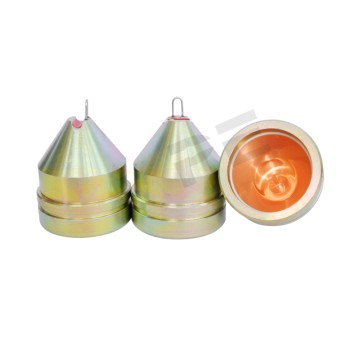
High-performance perforating tools engineered for precise formation pressure testing and reservoir evaluation.
Ensures consistent detonation energy for accurate pressure test initiation.
Formation Testing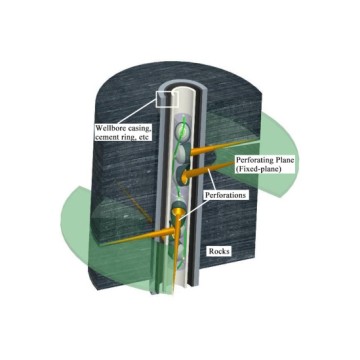
Uniform perforation geometry for reliable formation pressure data acquisition.
Pressure Evaluation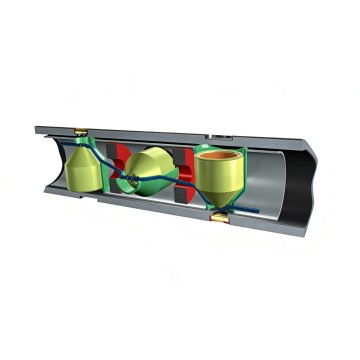
Optimized entry points for hydraulic fracturing and pressure buildup tests.
Fracturing & TestingHigh shot density design for comprehensive reservoir pressure characterization.
Enhanced ProductionAn oil perforator for formation pressure testing is a specialized downhole tool designed to create precise perforations through the casing, cement sheath, and into the reservoir rock. These perforations serve as the critical communication pathways that allow formation fluids to flow into the wellbore, enabling engineers to measure reservoir pressure, fluid composition, and productivity index with high accuracy.
Formation pressure testing (FPT) is a cornerstone of modern reservoir engineering. It provides indispensable data for well completion design, production optimization, enhanced oil recovery (EOR) planning, and long-term field development strategies. Without accurate perforation geometry and consistent penetration depth, pressure readings can be compromised, leading to costly misinterpretations of reservoir behavior.
⚠ Key Insight: The quality of perforation directly determines the reliability of formation pressure data. A poorly perforated interval introduces skin damage and flow restriction, distorting pressure transient analysis (PTA) results by up to 30%.
Modern oil perforators integrate shaped charge technology, precision-engineered carrier systems, and advanced detonation mechanisms to deliver controlled, repeatable perforation results under extreme downhole conditions — including high temperatures exceeding 200°C and pressures beyond 20,000 psi.
The global market for downhole perforating systems has grown significantly over the past decade, driven by increasing deepwater exploration, unconventional resource development, and the demand for more accurate reservoir characterization. According to industry analyses, the perforating systems market is projected to surpass USD 5.2 billion by 2028, with formation testing applications representing one of the fastest-growing sub-segments.
Key market drivers include:
China has emerged as a major manufacturing hub for perforating systems, with companies like Expetro Energy Service Co., Ltd. (FYPE) supplying API-certified products to operators in 38 countries. The combination of advanced manufacturing capabilities, rigorous quality management, and competitive pricing has made Chinese-manufactured perforators a preferred choice for international E&P companies.
The technology landscape for oil perforators used in formation pressure testing is evolving rapidly. Several transformative trends are reshaping how these tools are designed, deployed, and integrated into broader well evaluation workflows:
The convergence of perforating guns with wireline formation testing tools allows operators to perforate, test, and sample formation fluids in a single downhole run. This "perf-and-test" approach reduces rig time by up to 40% while providing higher-quality pressure data from precisely controlled perforation intervals.
As exploration targets move deeper, perforators must withstand increasingly severe downhole environments. Next-generation shaped charges and carrier materials are being developed to maintain performance at temperatures above 230°C and hydrostatic pressures exceeding 25,000 psi, conditions common in deep carbonate reservoirs and HPHT gas wells.
Oriented perforating systems allow charges to be fired in specific azimuthal directions, aligning perforations with natural fractures or maximum horizontal stress orientations. This dramatically improves the connectivity between the wellbore and the formation, yielding more representative pressure transient responses and reducing formation damage.
Electronic detonation systems replace conventional ballistic initiation with programmable, addressable firing heads. These systems enable precise depth control, selective interval firing, and real-time telemetry integration — all of which enhance the accuracy and reliability of formation pressure testing operations.
Environmental regulations are driving R&D into reduced-toxicity explosive compounds that maintain ballistic performance while minimizing hazardous residues in the wellbore — a critical consideration for offshore operations and environmentally sensitive regions.
Addressable, programmable detonation systems enable selective interval firing with real-time telemetry, reducing operational risk and improving pressure data quality.
Advanced materials engineering extends tool ratings to 230°C+ and 25,000 psi+, unlocking deep and ultra-deep reservoir pressure testing capabilities.
Azimuthal alignment of perforations with natural fractures maximizes reservoir connectivity and delivers more accurate pressure transient analysis results.
Combining perforating and formation testing tools in one run reduces NPT by up to 40% while capturing higher-fidelity reservoir pressure profiles.
Next-generation explosive formulations reduce toxic residues while maintaining ballistic performance — meeting tightening environmental compliance requirements globally.
Simulation-driven perforation design using digital twin technology optimizes charge placement and shot density before deployment, minimizing formation damage.
In wildcat and appraisal wells, perforators are deployed as part of drill stem testing assemblies to open up the formation for short-duration flow and buildup tests. The pressure data collected during DST directly informs decisions on whether to proceed with full field development, making perforation quality a business-critical factor. High-penetration shaped charges with minimal formation damage characteristics are essential to obtain representative reservoir pressure without skin-induced flow distortion.
For producing wells undergoing workover or recompletion operations, perforators are used to re-perforate new intervals or re-open damaged perforations prior to pressure buildup testing. The goal is to establish clean, undamaged flow paths that allow pressure to equilibrate with the reservoir quickly and accurately. Band perforating guns and constant plane perforating systems are particularly well-suited for this application due to their consistent angular distribution of shots.
Horizontal wells in tight oil and shale gas formations require multi-stage perforating strategies where each cluster is individually tested for pressure response before and after hydraulic fracturing. Fracturing perforating systems with optimized phasing and shot density enable operators to isolate zones for step-rate tests and instantaneous shut-in pressure (ISIP) measurements, providing critical data for fracture geometry modeling and completion optimization.
Deepwater and ultra-deepwater wells present unique challenges for formation pressure testing — extreme hydrostatic pressures, narrow mud weight windows, and limited intervention opportunities make each perforating run a high-stakes operation. Through-tubing perforating (TTP) systems combined with downhole gauges allow operators to acquire formation pressure data without pulling the production tubing, significantly reducing intervention costs in subsea wells.
Beyond conventional oil and gas, perforators are increasingly used in geothermal energy projects and carbon capture and storage (CCS) operations. Formation pressure testing in these contexts verifies reservoir capacity, injectivity, and containment integrity — applications where precision perforating technology borrowed from the oil industry provides critical operational advantages.
Low-permeability formations require extended pressure transient tests to determine true reservoir parameters. Perforators with deep penetration capability and minimal compaction damage are essential to establish the flow connection needed for meaningful pressure data collection in these challenging reservoir types.

Expetro Energy Service Co., Ltd. (FYPE) is a leading manufacturer of downhole perforating systems in China, dedicated to the research, development, and production of shaped charges, perforating guns, and associated accessories for oil and gas completions.
As a trusted supplier of oil perforators for formation pressure testing, FYPE combines over two decades of engineering expertise with state-of-the-art automated production facilities to deliver tools that meet the most demanding downhole requirements worldwide.
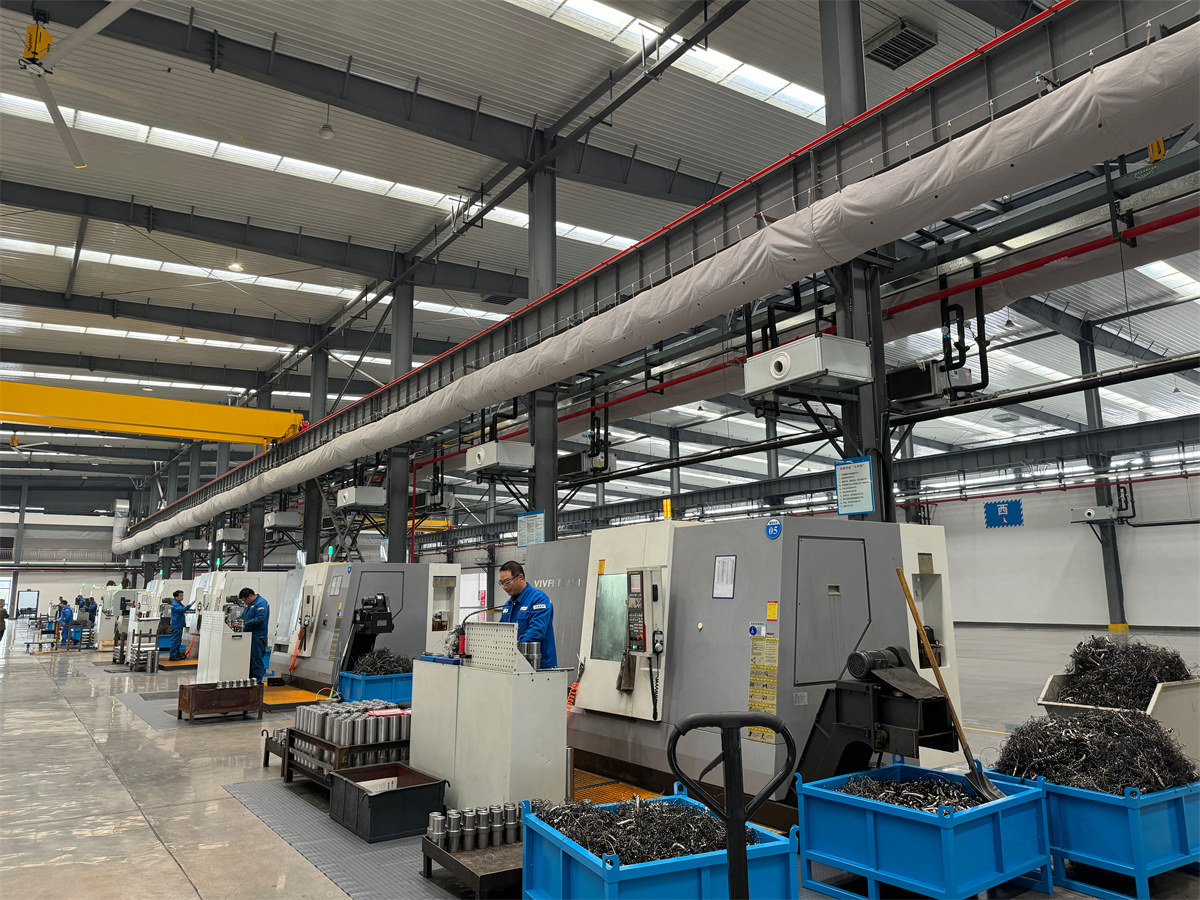
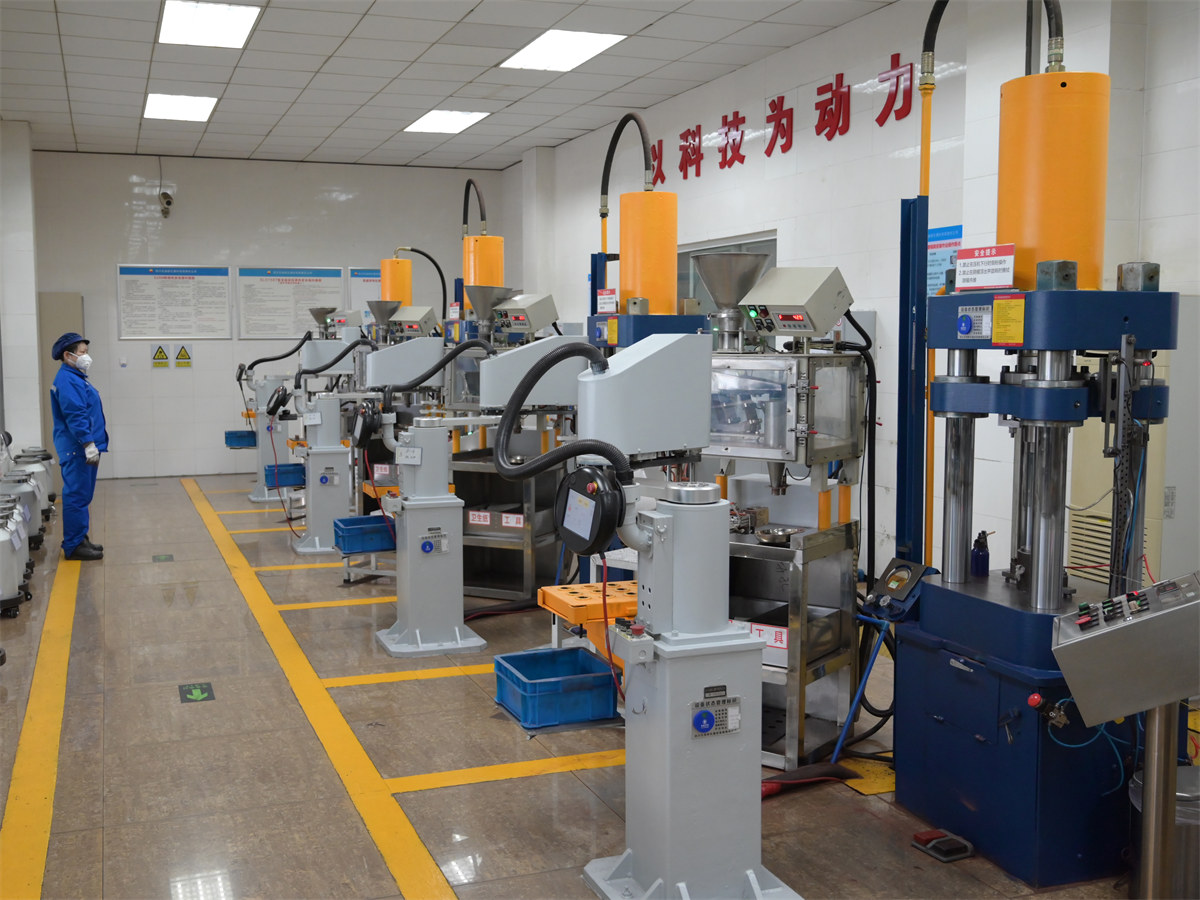
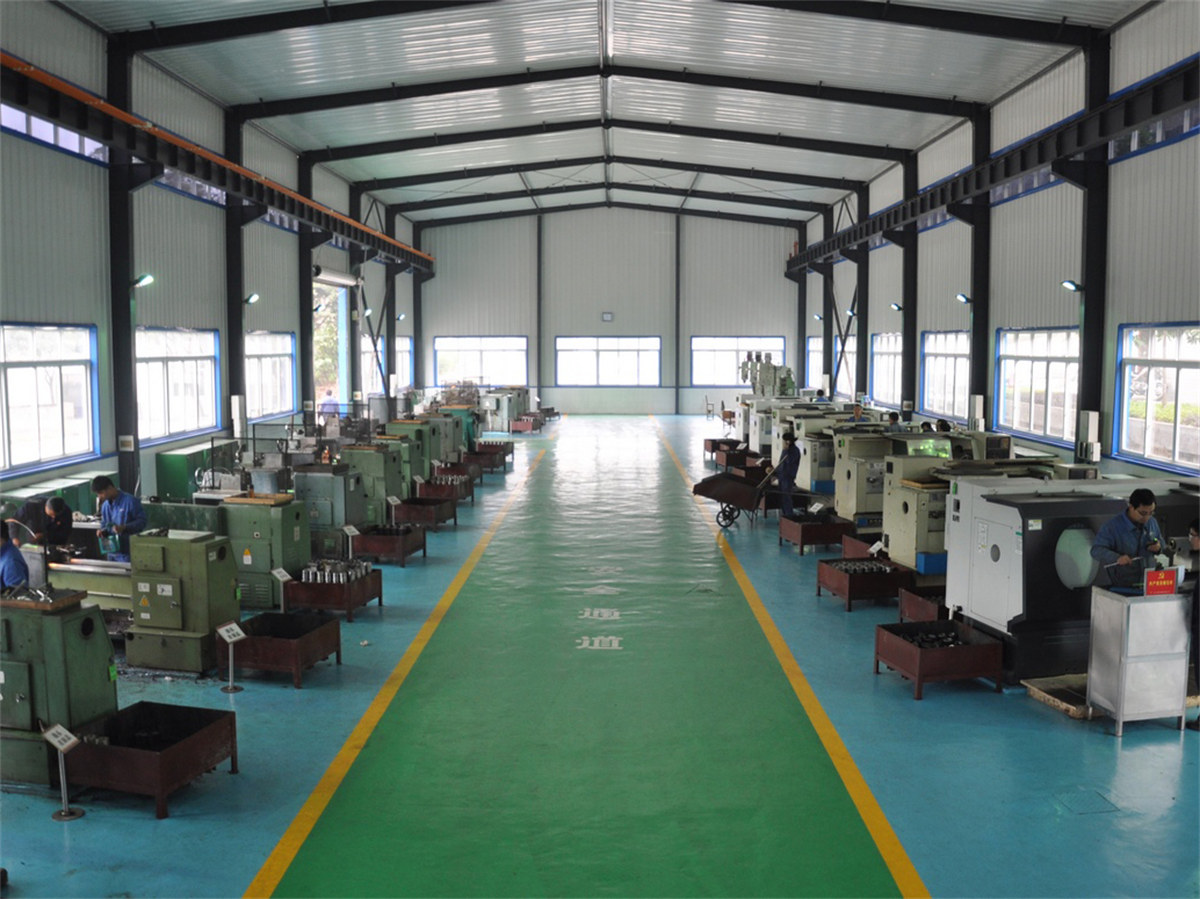
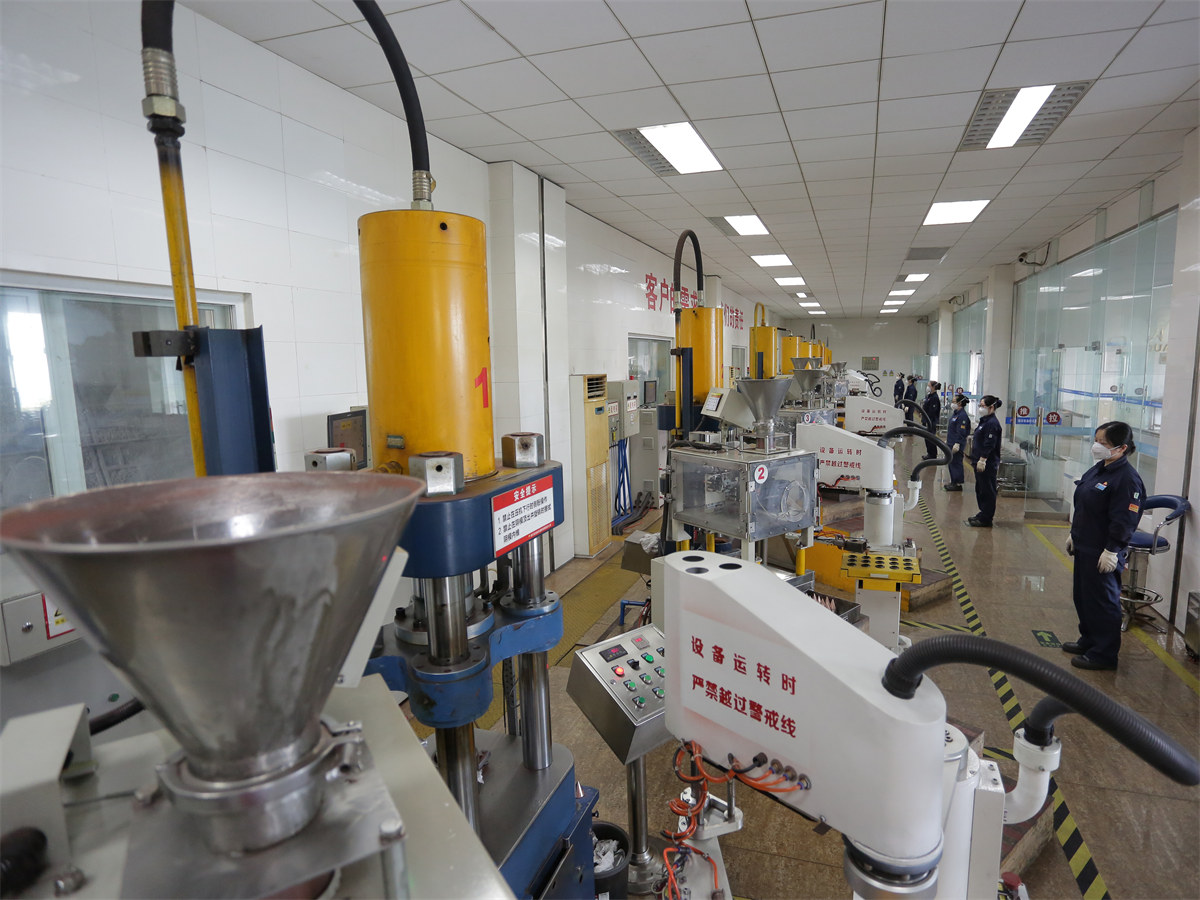
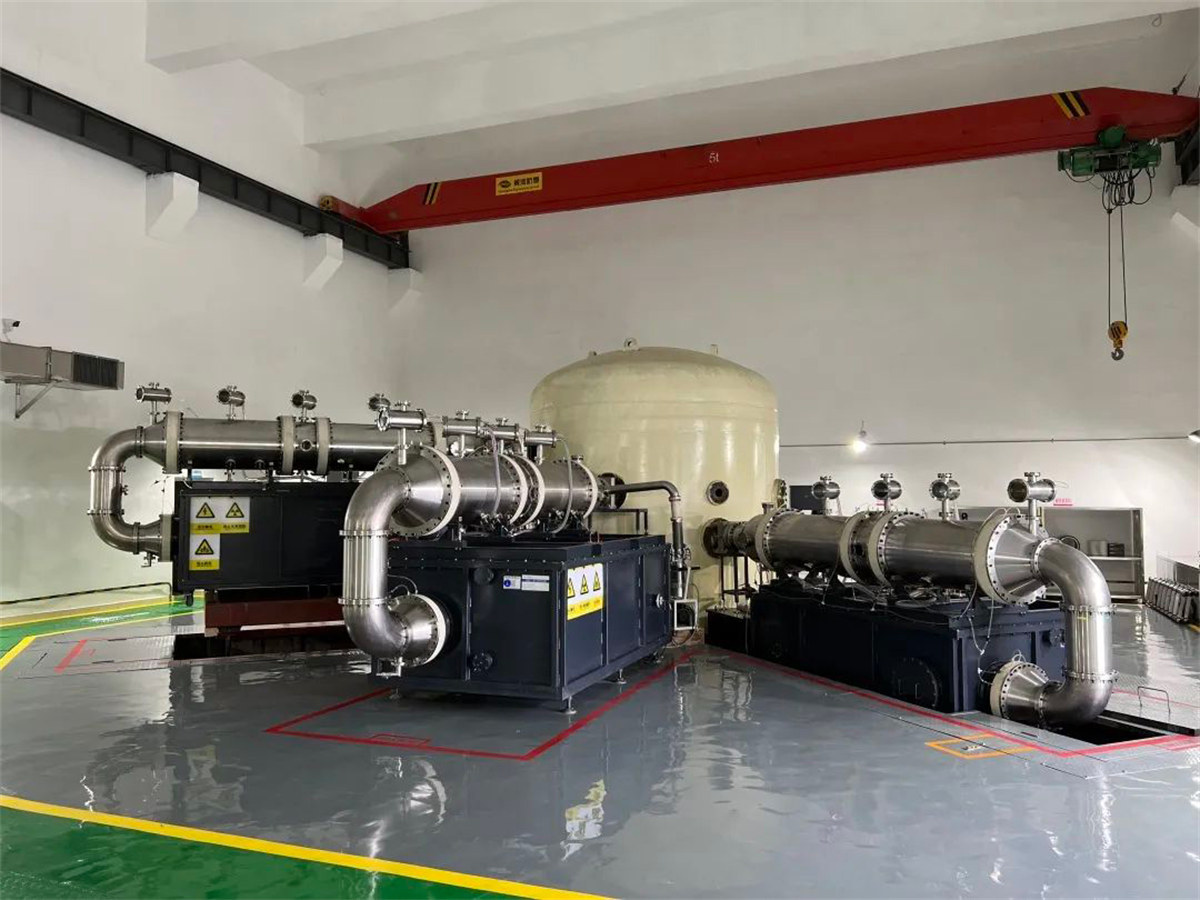
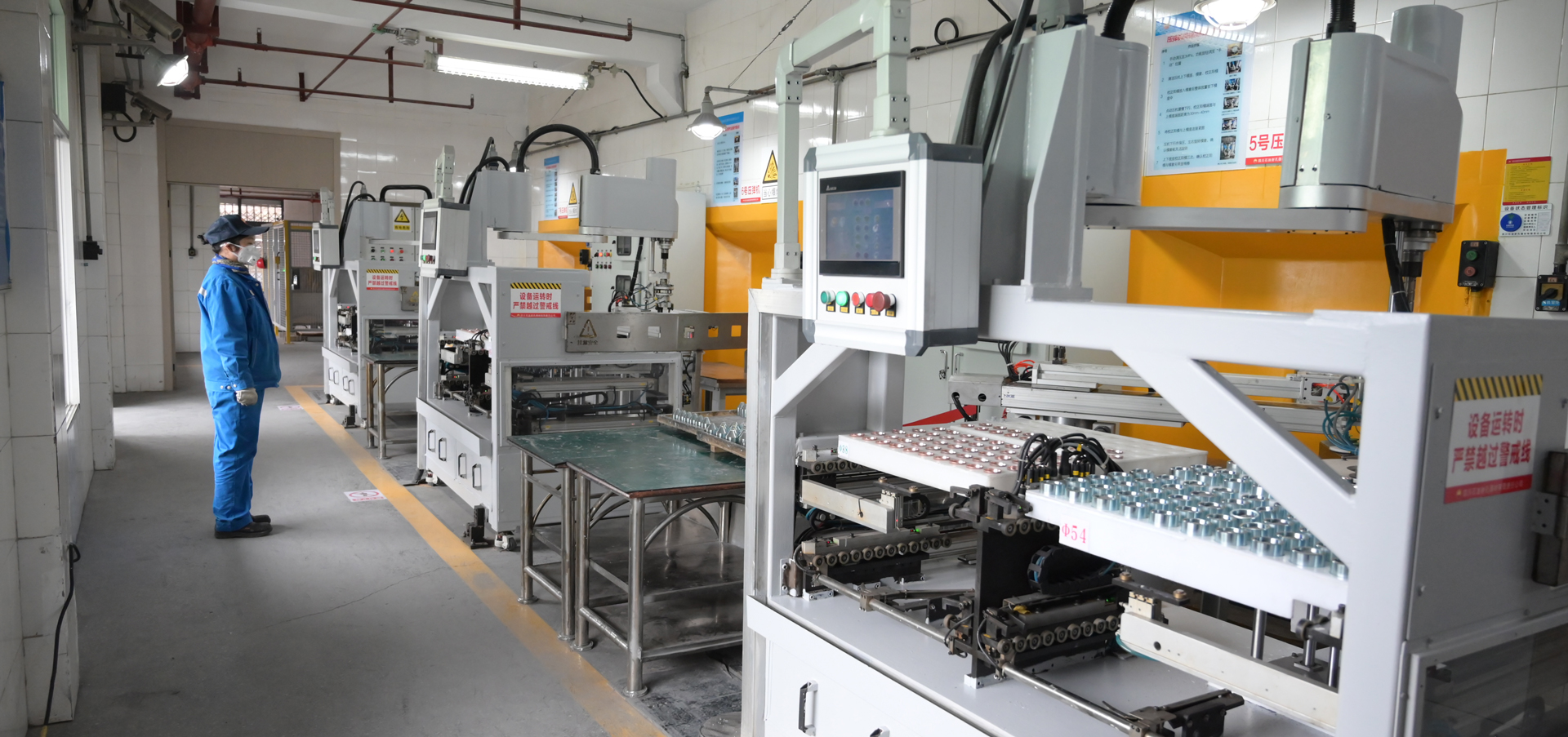
Equipped with state-of-the-art automated production and inspection lines, we deliver over 2.5 million shaped charges and 500,000 meters of perforating guns annually — meeting diverse customer requirements across the global market.
Every stage of our production process strictly adheres to the API Q1 Quality Management System. This unwavering commitment to quality, innovation, and customer satisfaction has established FYPE as a trusted partner in the global energy sector.
To date, our products have served customers in 38 countries worldwide and consistently earn positive feedback for performance and reliability. FYPE is dedicated to expanding its global footprint and building long-term partnerships with clients across continents.
Why global operators choose FYPE oil perforators for formation pressure testing applications.
Our professional inspection team operates under a quality management system certified to API Q1 and ISO 9001 standards, ensuring product reliability and superior performance in every delivery.
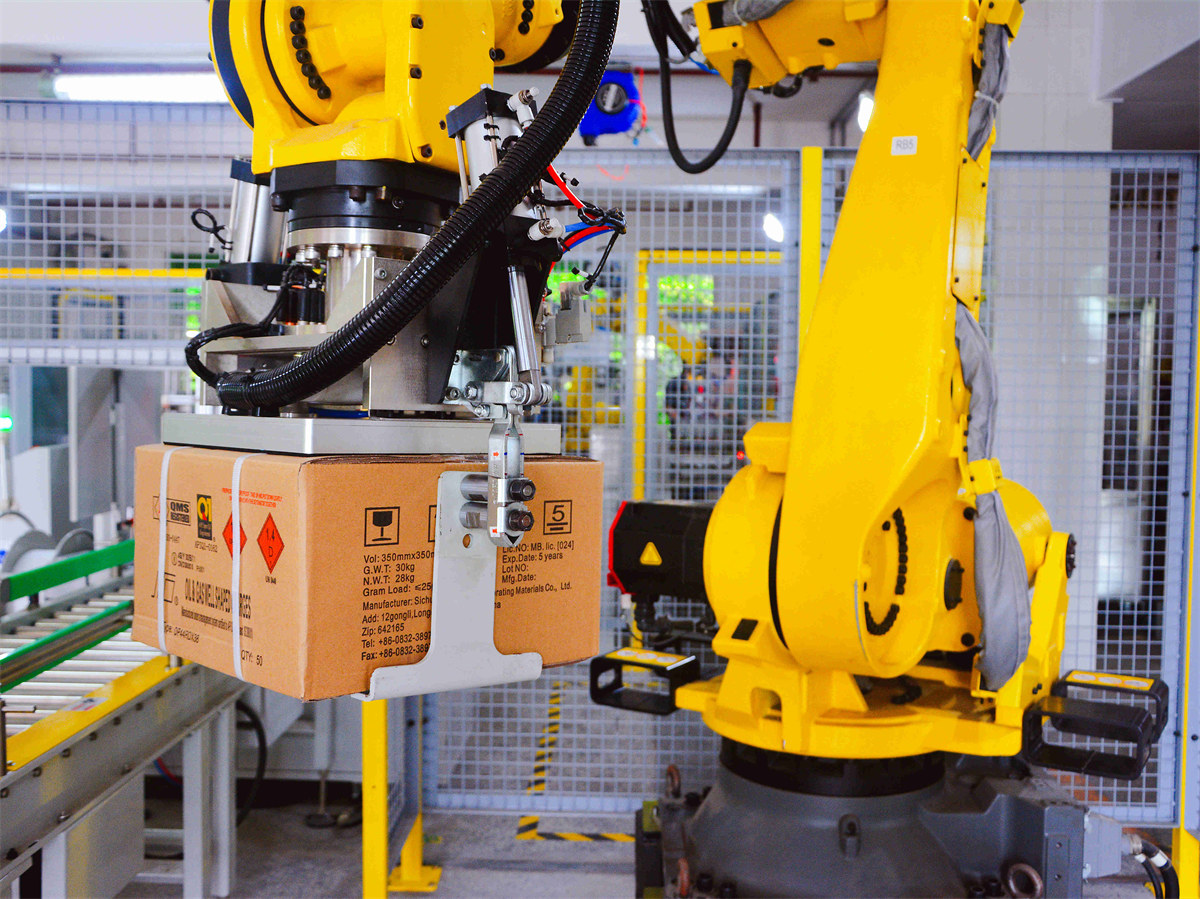
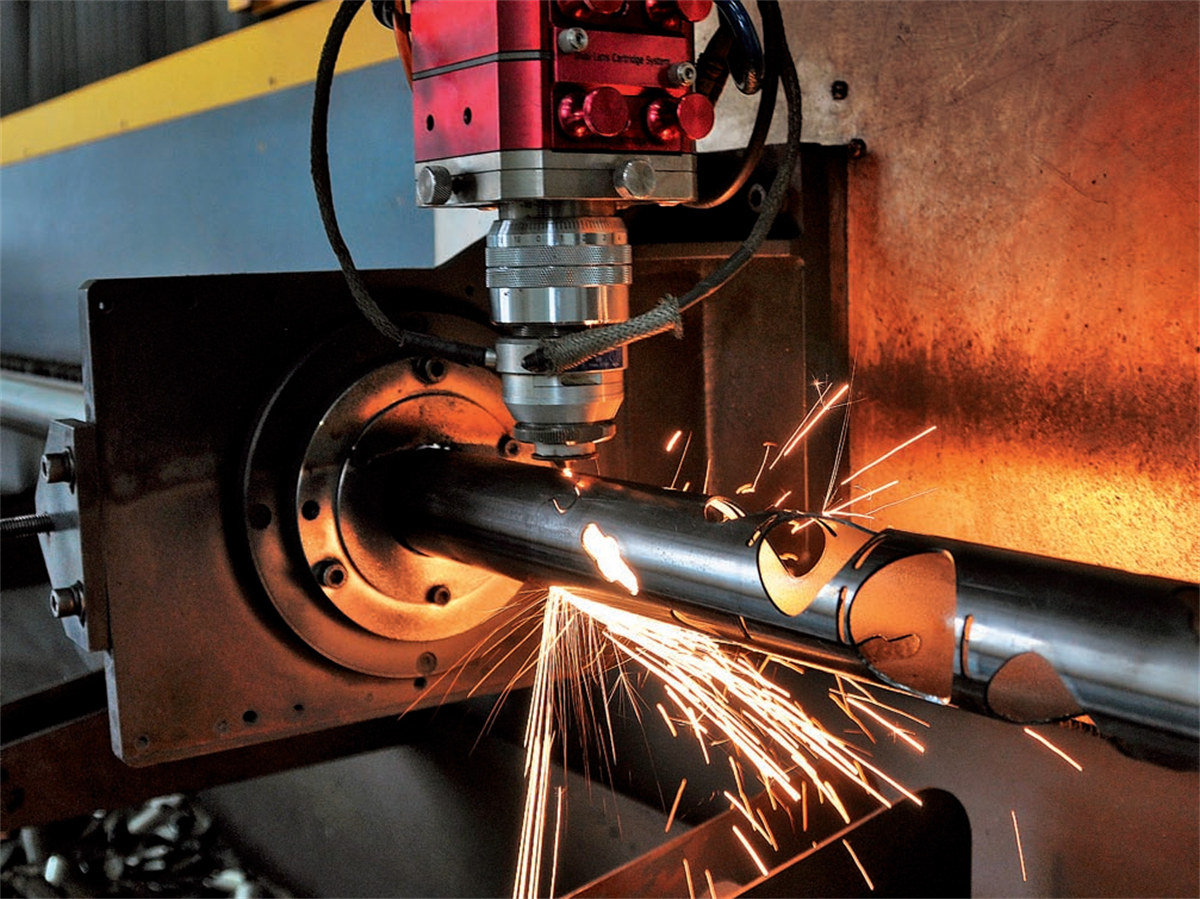
Our automated production lines ensure product consistency and enhance productivity. Daily capacity of shaped charges can reach 10,000. The perforating gun production line can meet processing of 100+ types with different specifications.
Our lab carries out real-core target tests in simulated reservoirs, ultimate pressure resistance tests on perforation tools, and explosion mechanism tests on shaped charges for formation pressure testing validation.
With nearly 20 years of export experience across 38 countries, we deeply understand global market demands and deliver trusted, tailored perforating solutions for formation pressure testing operations worldwide.
To date, our products have served customers in 38 countries worldwide and consistently earn positive feedback for performance and reliability.
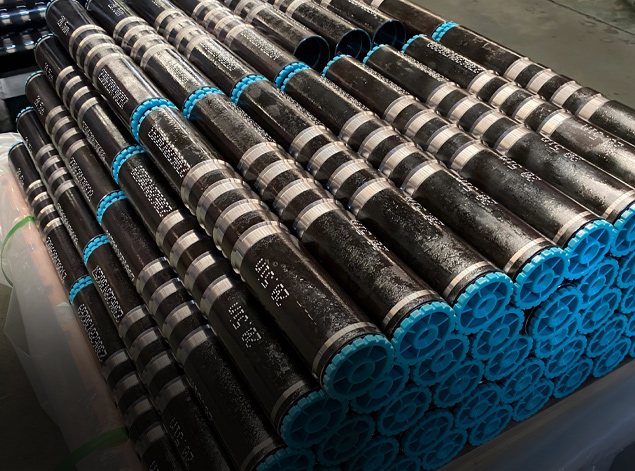
Instead of scallops, it can shoot regardless of the charge tube's angular position — ideal for formation pressure testing in deviated wells.
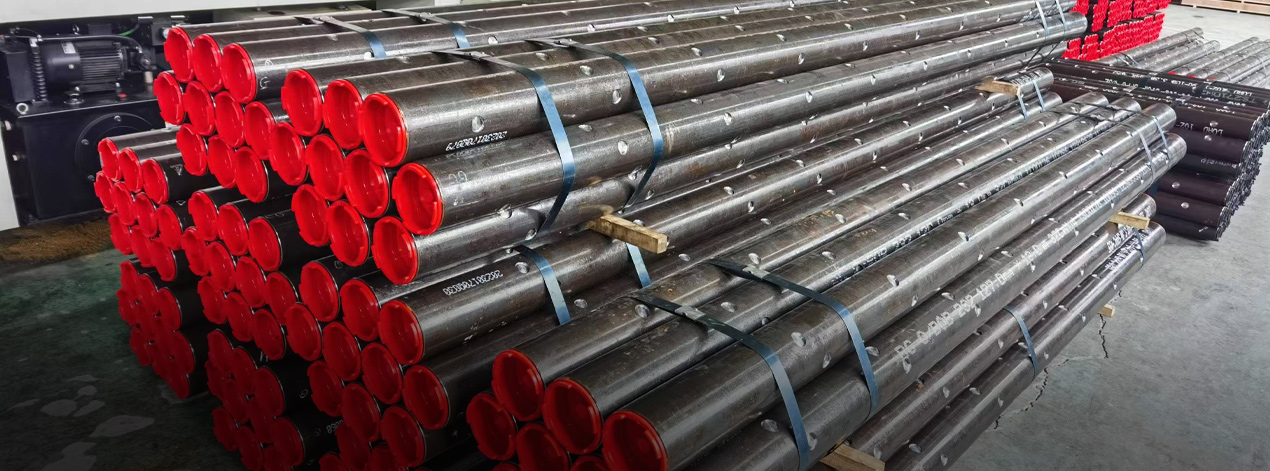
Provides deep penetration and high shot density for comprehensive formation pressure testing intervals.
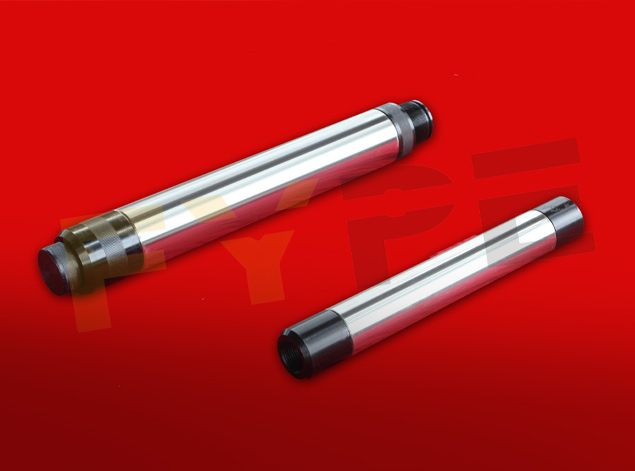
Detects casing collars for precise depth correlation in formation pressure testing operations.
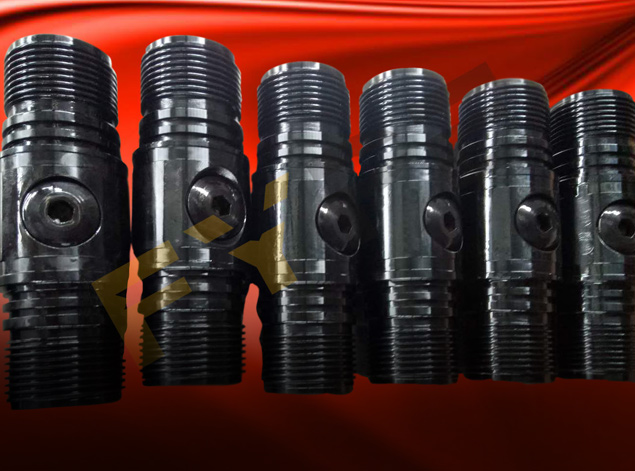
Connecting components used in perforating systems for formation pressure testing string assembly.
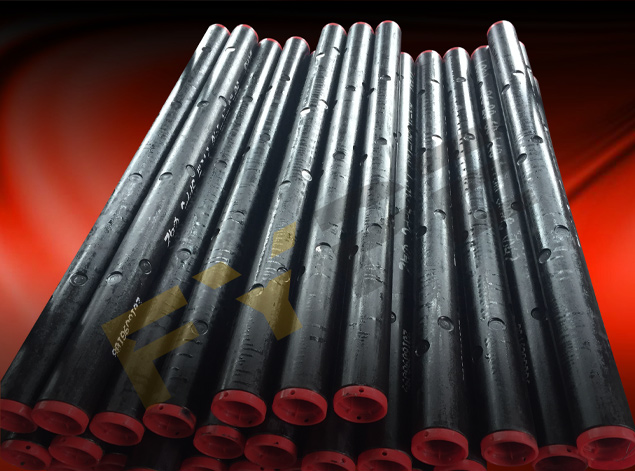
Designed for compact spaces and limited depth perforation in formation pressure testing applications.
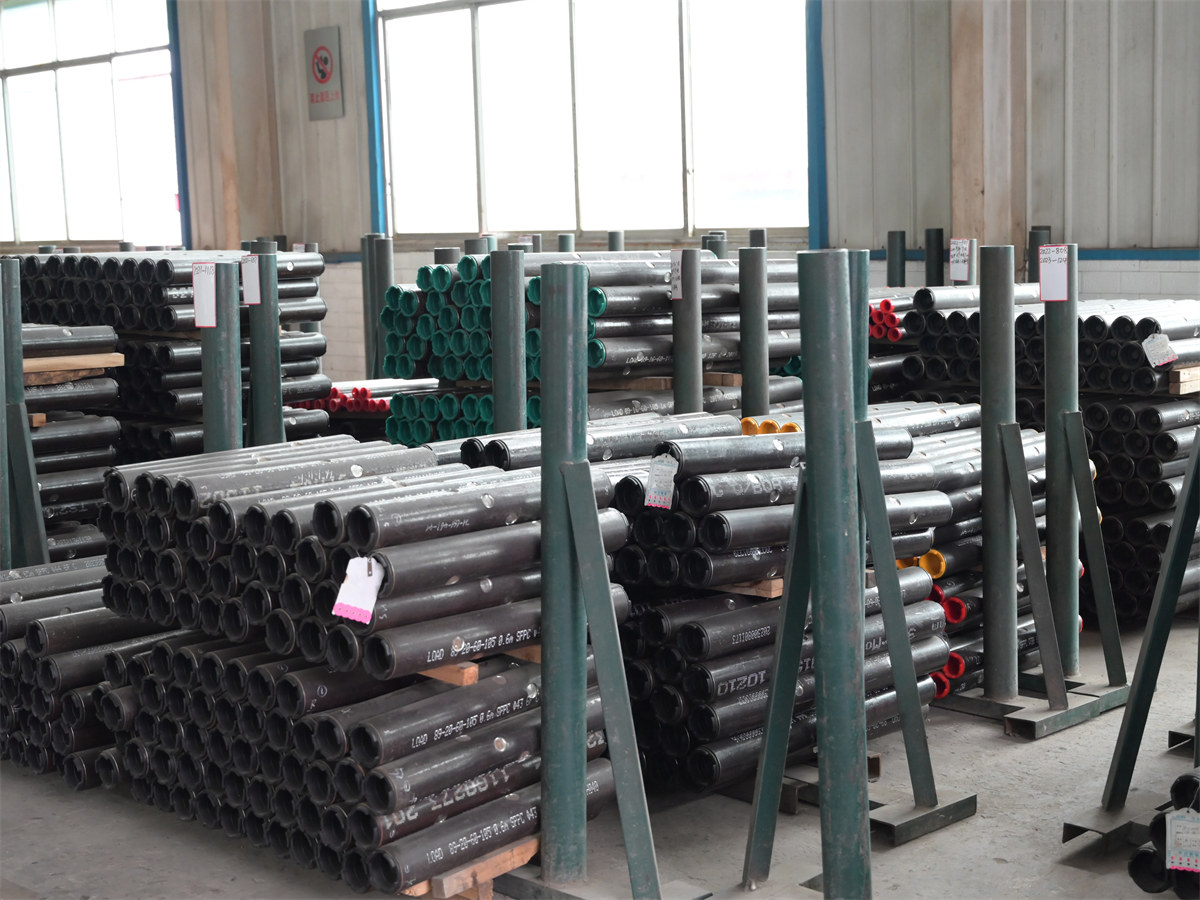
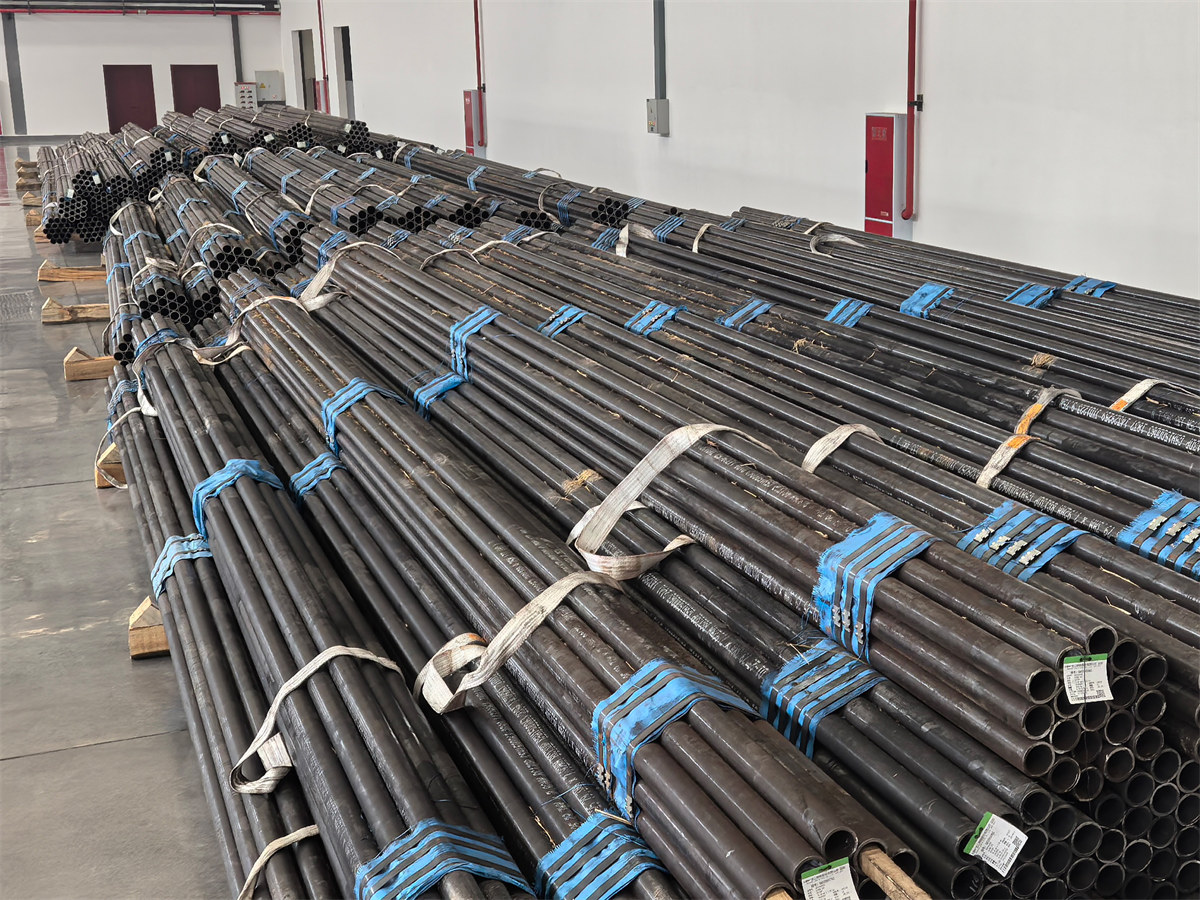
State-of-the-art manufacturing facilities producing precision oil perforators for formation pressure testing worldwide.
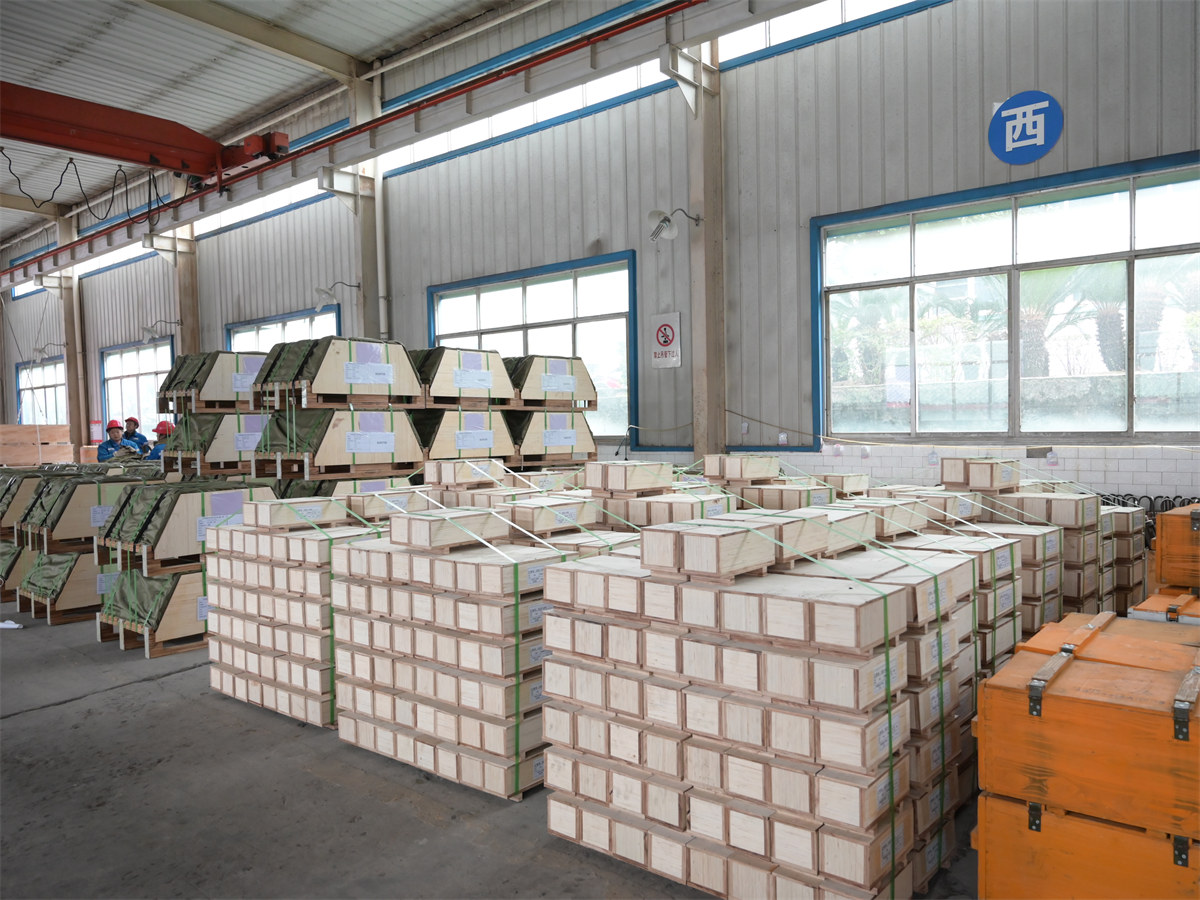
At FYPE, we believe every well deserves precision, reliability, and excellence. Whether you require high-performance oil perforators for formation pressure testing or dependable technical support, we are your trusted partner in the oil and gas industry.
Inquiry Now
Explore our full product portfolio — engineered for precision formation pressure testing and well completion excellence.