+86-15829394411
Leave Your Message
-
Contact WhatsApp
-
 Contact Phone
-
 Contact Email
High-efficiency downhole perforating guns and shaped charges engineered specifically for Enhanced Oil Recovery (EOR) and complex stimulation workflows.
In the modern hydrocarbon landscape, mature oilfields worldwide are facing steep natural decline curves. Primary recovery mechanisms (such as natural reservoir pressure drive) and secondary recovery techniques (such as conventional waterflooding) routinely leave behind up to 60% to 70% of the original oil in place (OOIP). To bridge the supply-demand gap and maximize asset capitalization, operators increasingly rely on Enhanced Oil Recovery (EOR) strategies—ranging from thermal recovery and chemical flooding to miscible gas injection and complex hydraulic fracturing.
At the critical nexus of successful EOR execution lies downhole well completion, specifically Oil Well Perforation. Perforation is not merely the mechanical creation of holes in casing steel and cement sheaths; it is a highly calculated hydrodynamic engineering science. In EOR operations, perforations establish the vital clean fluid conduit between the wellbore and deep rock matrices, minimizing formation skin damage, reducing breakdown pressure, and guaranteeing uniform swept volume during fluid displacement.
By optimizing shot density, phasing angle, charge geometry, and explosive jet velocity, state-of-the-art perforating systems significantly reduce total drawdown friction, prevent premature chemical polymer shear degradation, and enhance dynamic reservoir sweep efficiency by over 35% in heterogeneous formations.
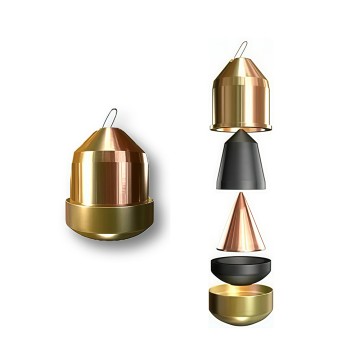
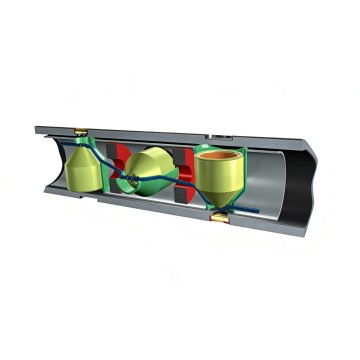
Modern downhole perforating relies on the hydrodynamic principle of shaped charge explosive detonation. Upon firing via detonating cord, high-explosive compounds (such as RDX, HMX, or PYX designed for high-temperature wells) generate ultra-high pressure detonation waves reaching up to 300 to 400 kilobars. This immense shockwave collapses the metal liner—composed of precision powdered copper, tungsten, or specialty alloys—into a high-velocity continuous metallic jet travelling at speeds exceeding 7,000 to 10,000 meters per second.
When applied to Enhanced Oil Recovery targets, perforating designs bifurcate into two primary dynamic architectures:
Unconventional shale oil, tight sandstone, and low-permeability carbonate reservoirs require intensive hydraulic fracturing in conjunction with oriented perforating. Utilizing Horizontal Oriented Perforating Guns ensures that perforation clusters align precisely with the maximum horizontal stress field ($\sigma_H$). Proper orientation minimizes fracture tortuosity, suppresses multi-fracture interference (stress shadowing), and lowers injection pressure requirements. This allows fracturing fluids and proppants to penetrate deeply into the rock fabric, creating high-conductivity networks essential for tertiary recovery.
Thermal EOR methods target heavy oil, extra-heavy oil, and bitumen deposits by reducing fluid viscosity through high-temperature thermal energy transfer. In Steam-Assisted Gravity Drainage (SAGD) and continuous steam injection, completion components are exposed to harsh cyclic thermal stresses reaching temperatures up to 350°C (662°F). High-temperature explosive charges paired with high-durability carrier guns ensure high-density big-hole perforations, allowing uniform steam distribution along long horizontal injectors without causing casing collapse or localized thermal dynamic failure.
Chemical EOR injects complex viscoelastic polymer solutions to adjust mobility ratios and mobilize residual oil droplets via interfacial tension reduction. However, high-shear stress experienced when passing through narrow or burred casing perforations can mechanically degrade long-chain polymer polymers, permanently reducing sweep viscosity. Specialized low-damage perforating charges provide smooth, large-diameter entrance geometry with clean tunnel wall micro-fracturing, mitigating polymer degradation while guaranteeing target flow rates.
Miscible and immiscible gas injection ($CO_2$, $N_2$, or enriched hydrocarbon gas) is among the fastest-growing tertiary EOR methods. High-density perforated completion zones allow rapid gas diffusion into tight rock matrix pores. Furthermore, in $CO_2$-EOR and carbon storage wells, corrosive downhole carbonic acid formation requires premium corrosion-resistant perforating gun alloys and non-corrosive debris charges to protect downhole packers and tubular integrity.
The global oilfield services market is undergoing a structural transition toward digital automated manufacturing, automated dynamic modeling, and intelligent completion tools. Key global development trends shaping oil well perforation include:
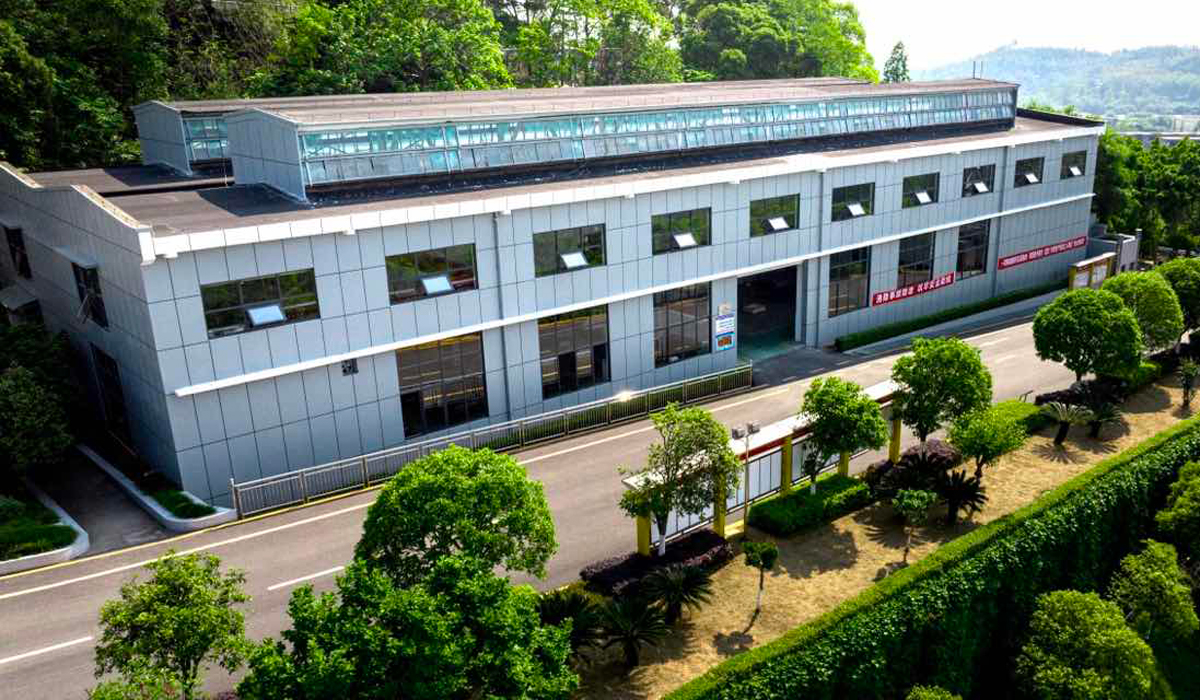
Expetro Energy Service Co., Ltd. (FYPE) is a leading manufacturer of downhole perforating systems in China, dedicated to the research, development, and production of shaped charges, perforating guns, and associated accessories for oil and gas completions.
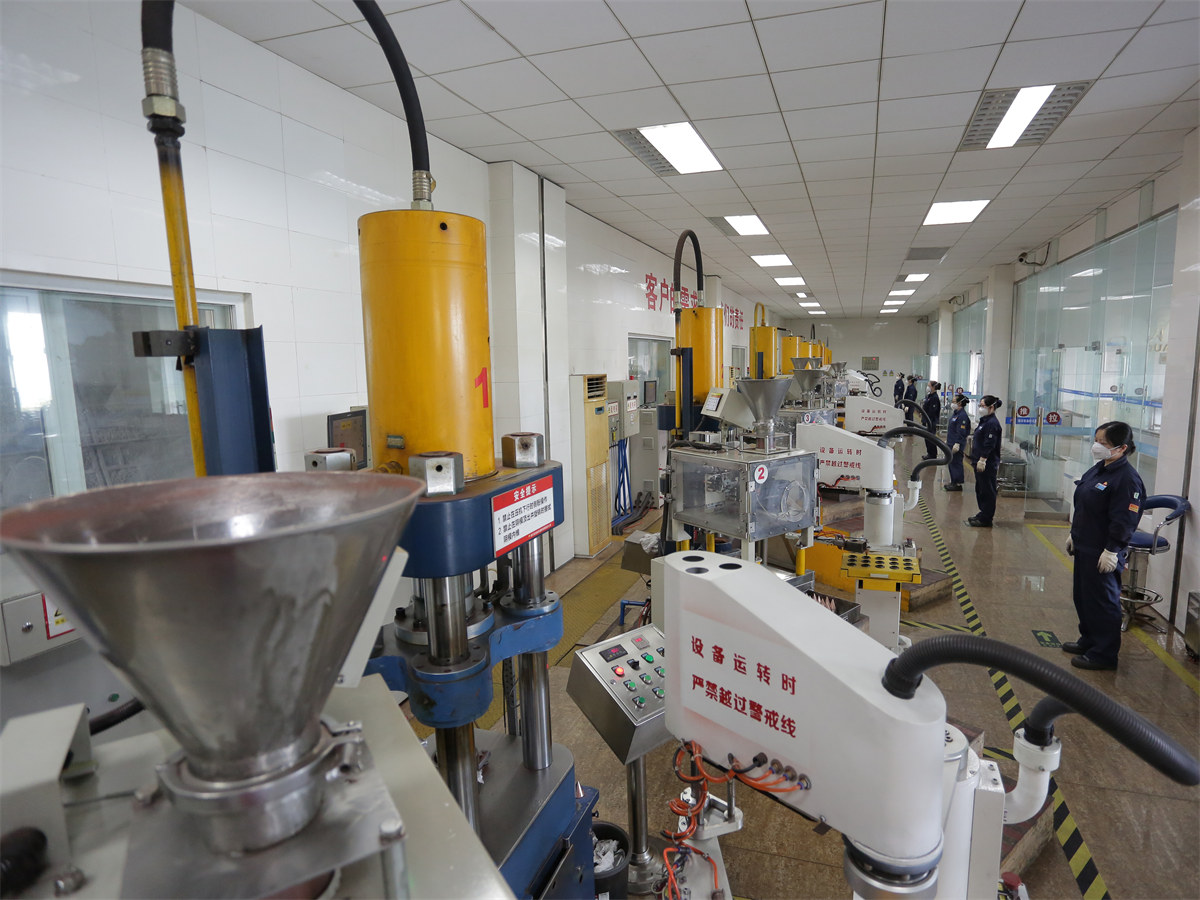
Equipped with state-of-the-art automated production and inspection lines, we deliver over 2.5 million shaped charges and 500,000 meters of perforating guns annually — meeting diverse customer requirements across the global market.
Every stage of our production process strictly adheres to the API Q1 Quality Management System. This unwavering commitment to quality, innovation, and customer satisfaction has established FYPE as a trusted partner in the global energy sector.
To date, our products have served customers in 38 countries worldwide and consistently earn positive feedback for performance and reliability. FYPE is dedicated to expanding its global footprint and building long-term partnerships with clients across continents.
Proven operational metrics and technical advantages driving oilfield efficiency worldwide.
Our professional inspection team operates under a quality management system certified to API Q1 and ISO 9001 standards, ensuring product reliability and superior performance in every delivery.
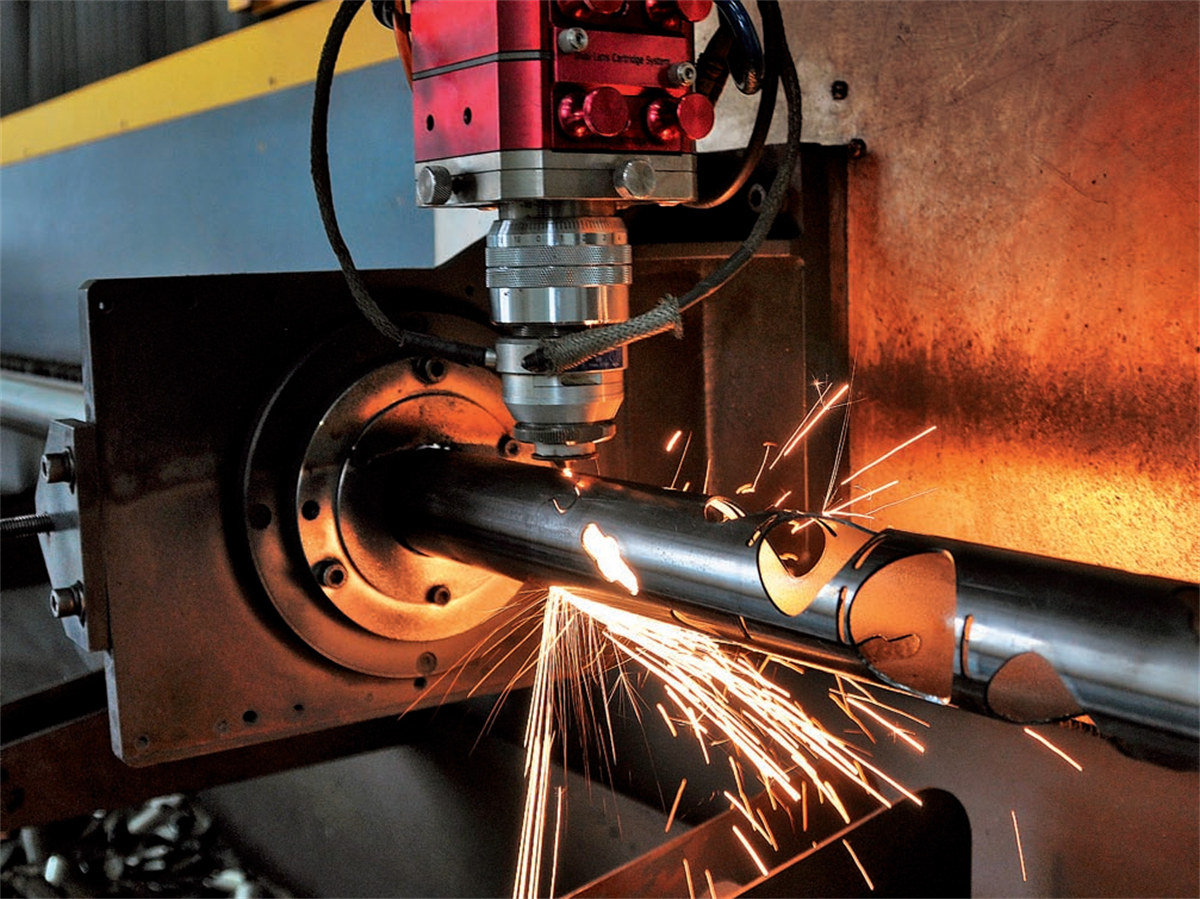
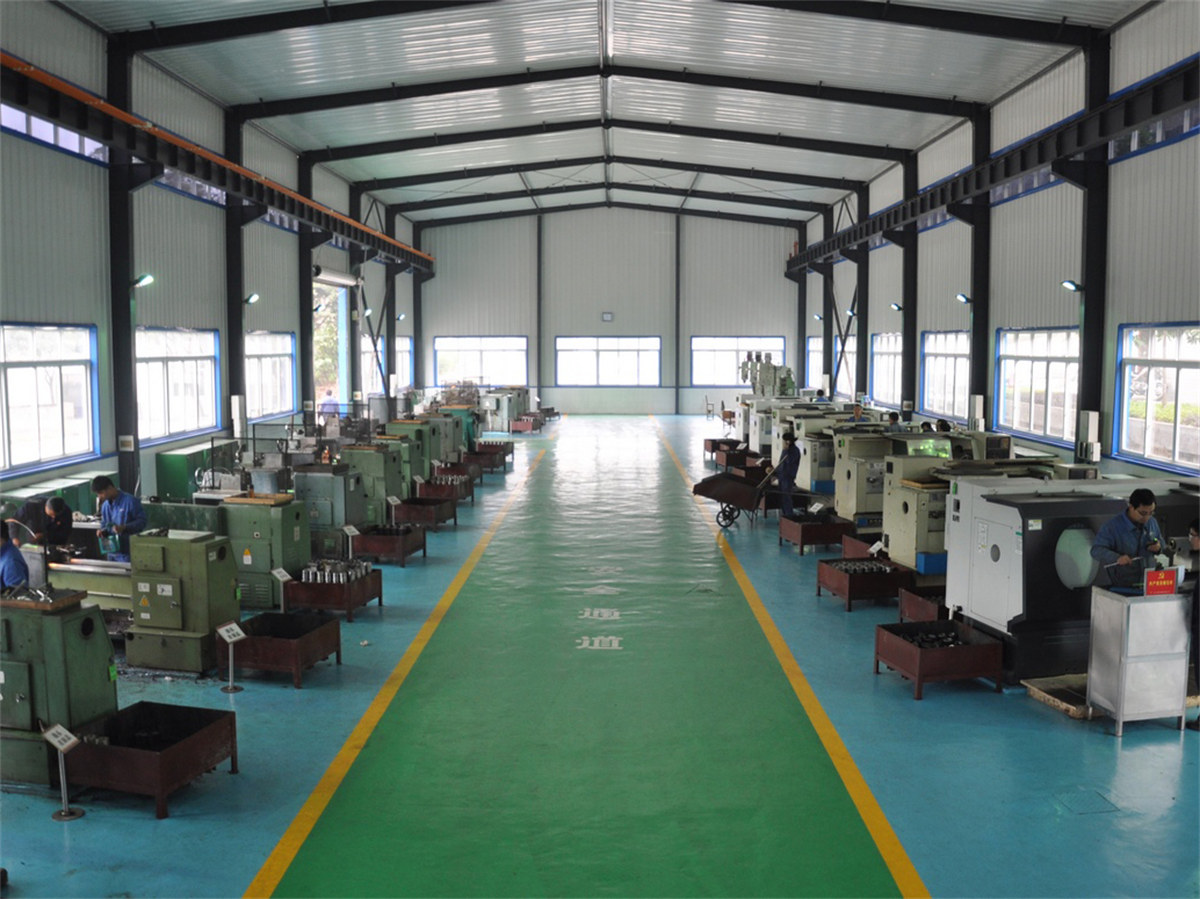
Our automated production lines ensure product consistency and enhance productivity. The daily capacity of shaped charges can reach 10,000. The perforating gun production line can meet the processing of 100+ types with different specifications.
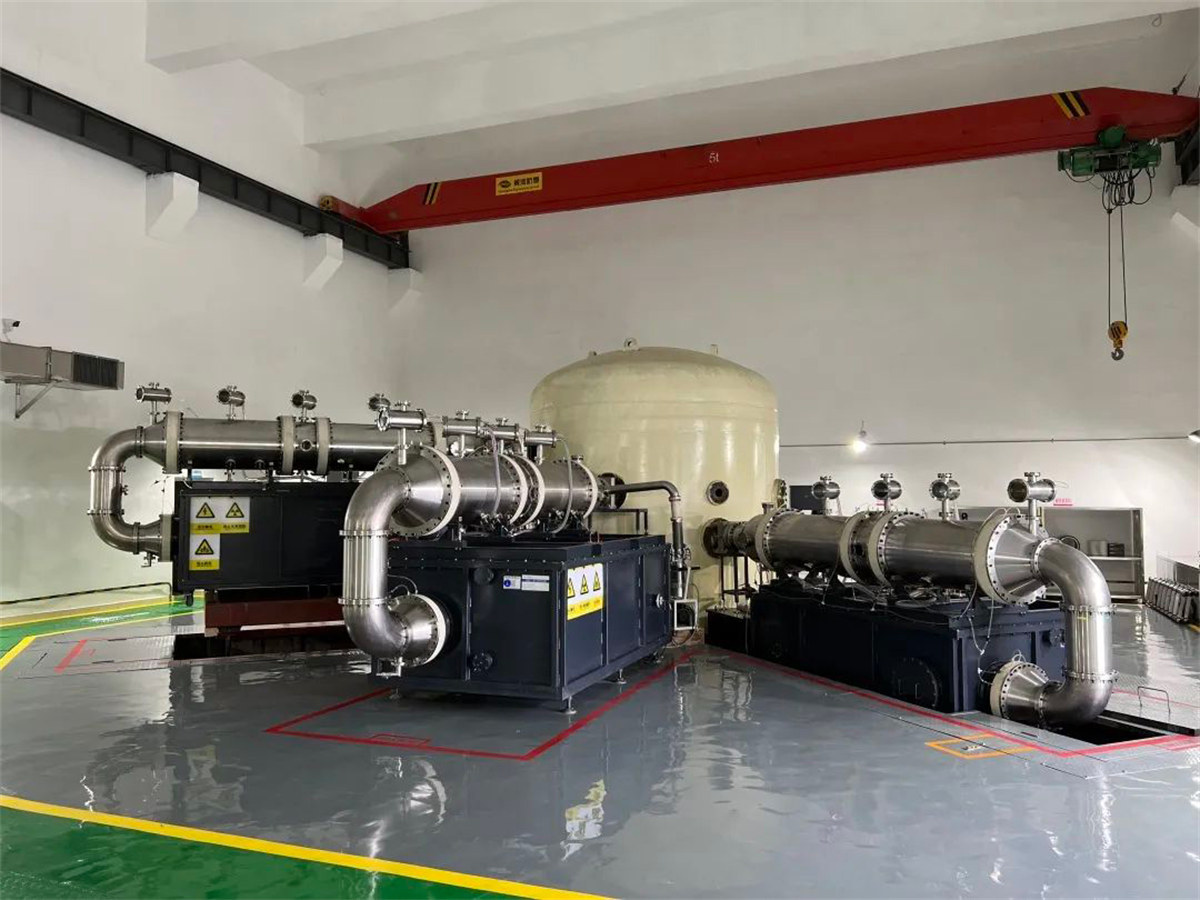
Our lab can carry out the real-core target tests in simulated reservoirs, the ultimate pressure resistance tests on perforation tools, the explosion mechanism tests on shaped charges, etc.
With nearly 20 years of export experience across 38 countries, we deeply understand global market demands and deliver trusted, tailored solutions.
A glimpse into our advanced automated manufacturing hubs, testing labs, and precision processing workshops.
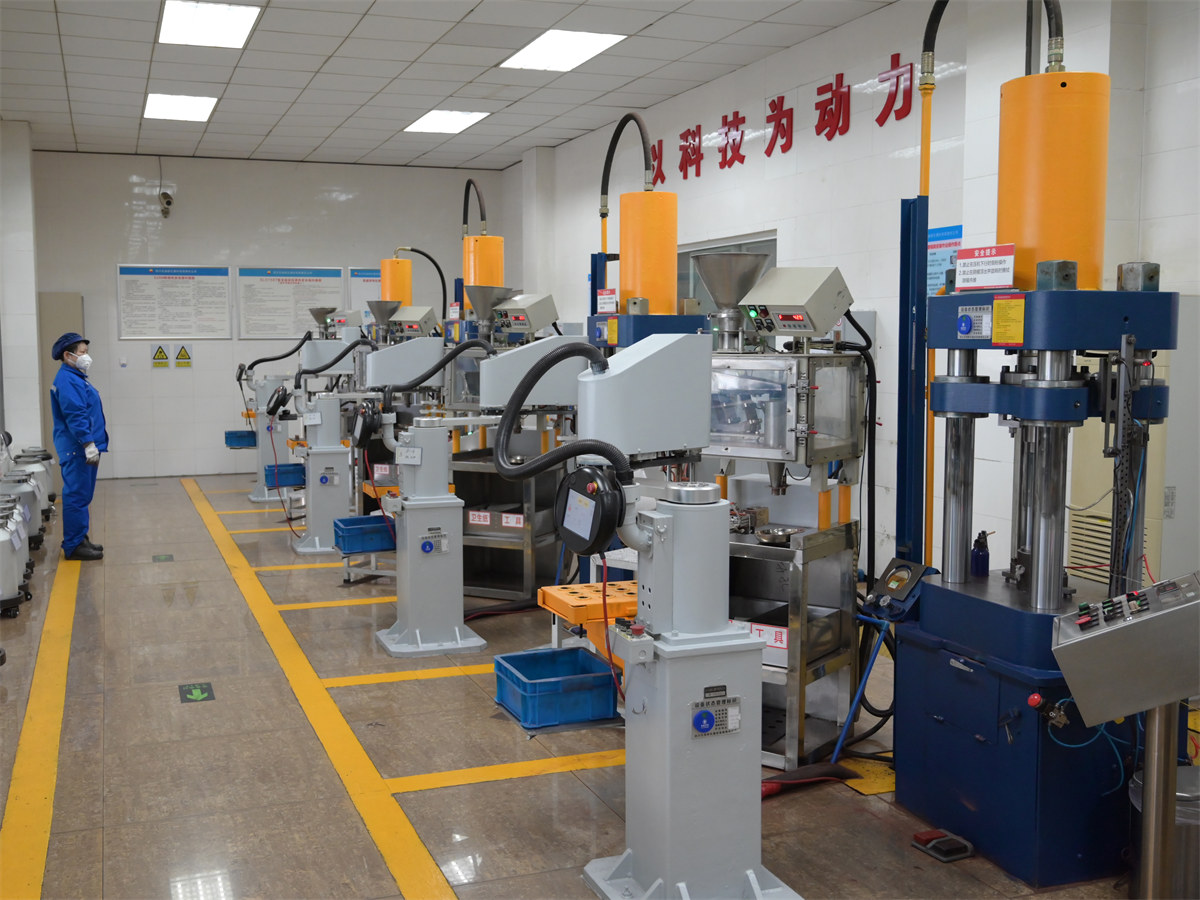
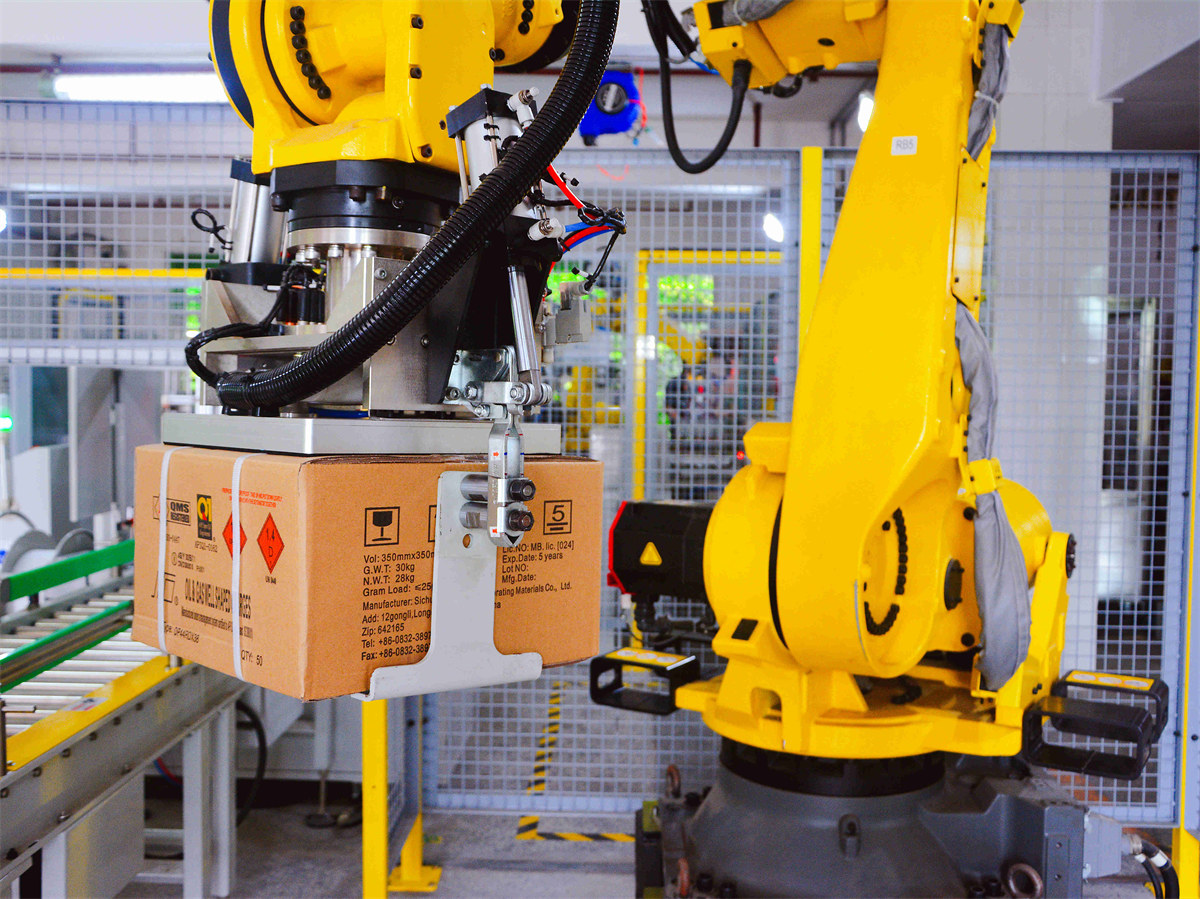
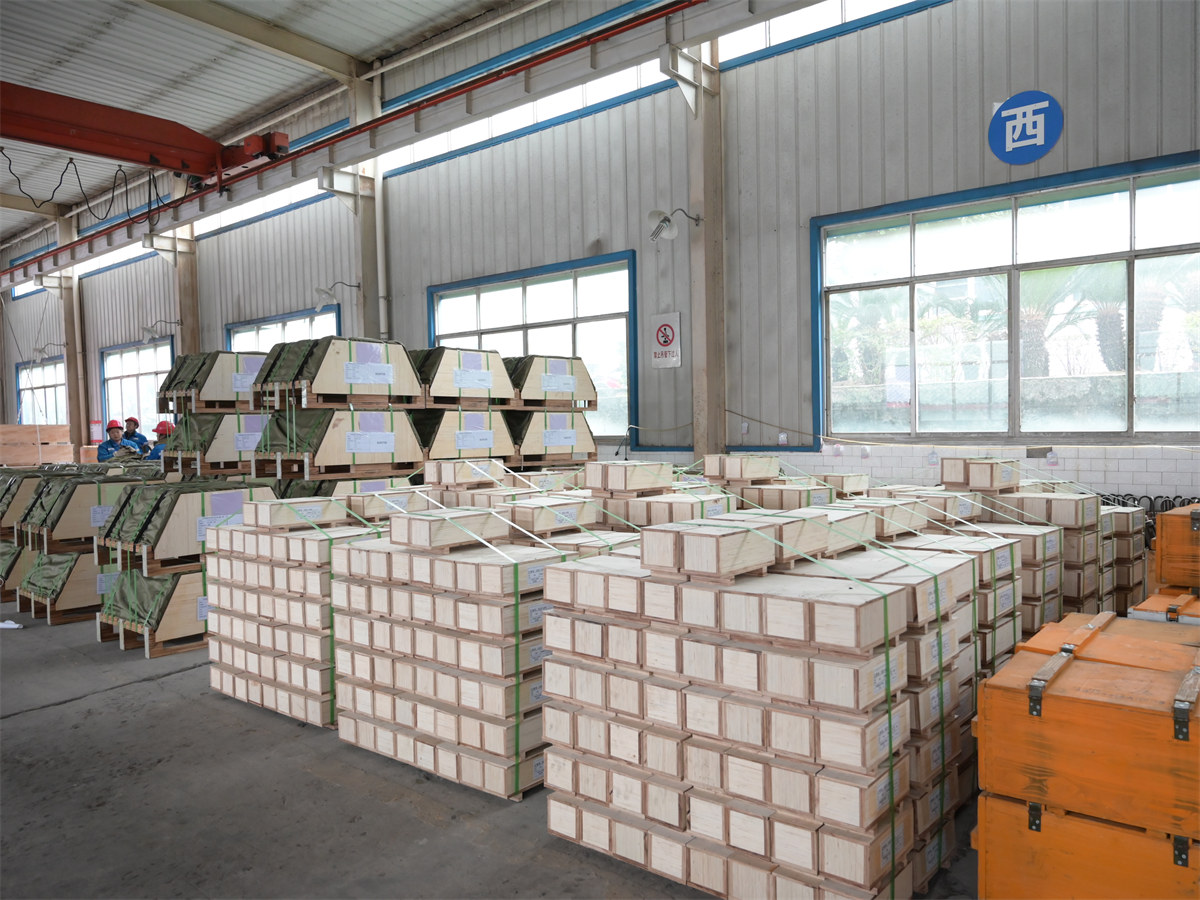
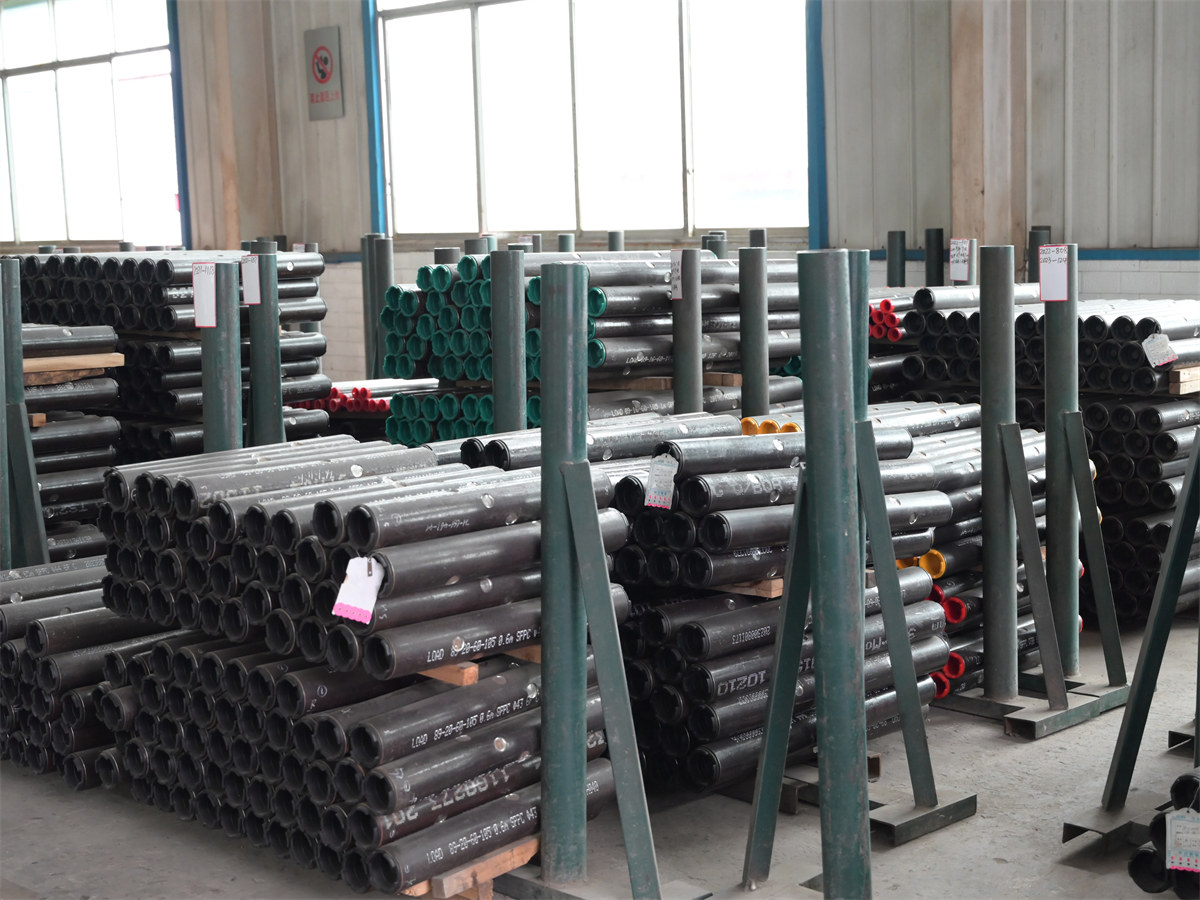
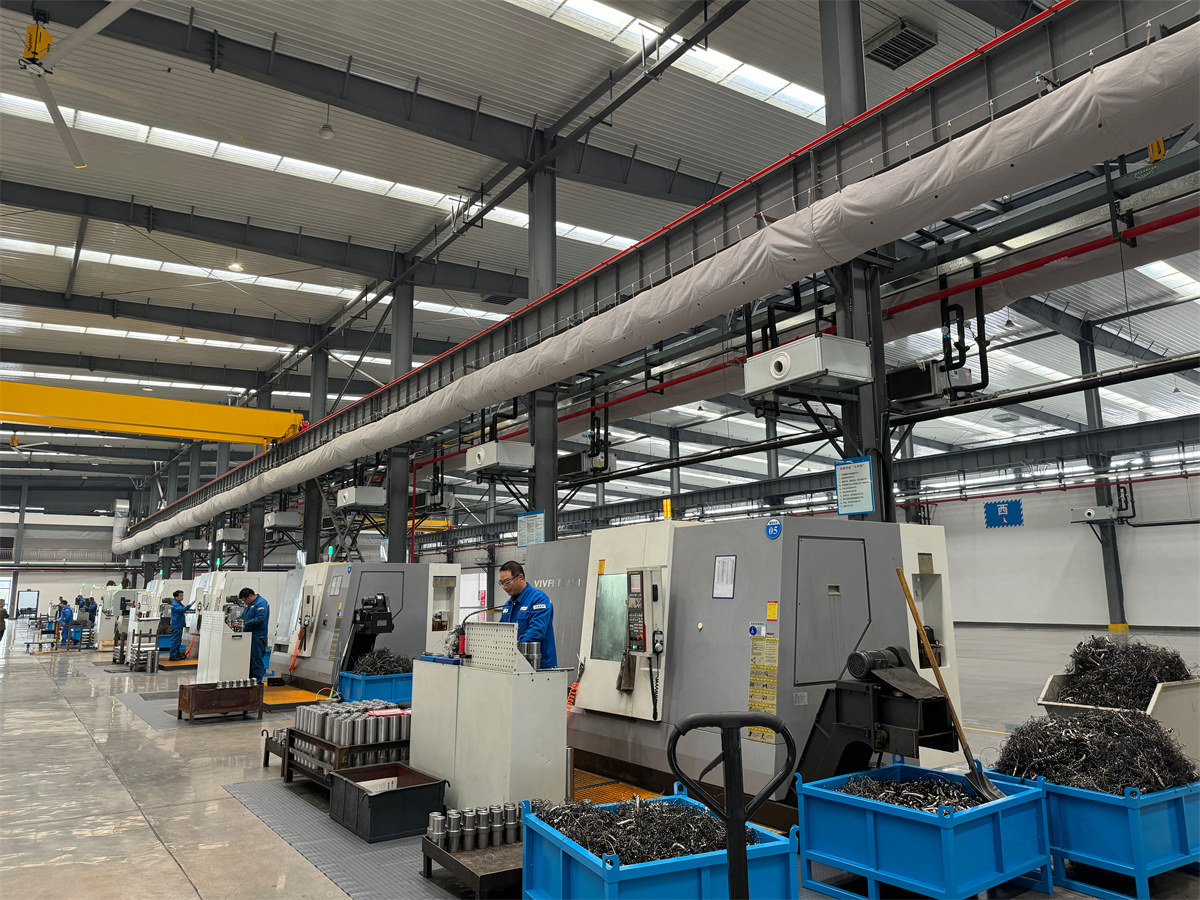
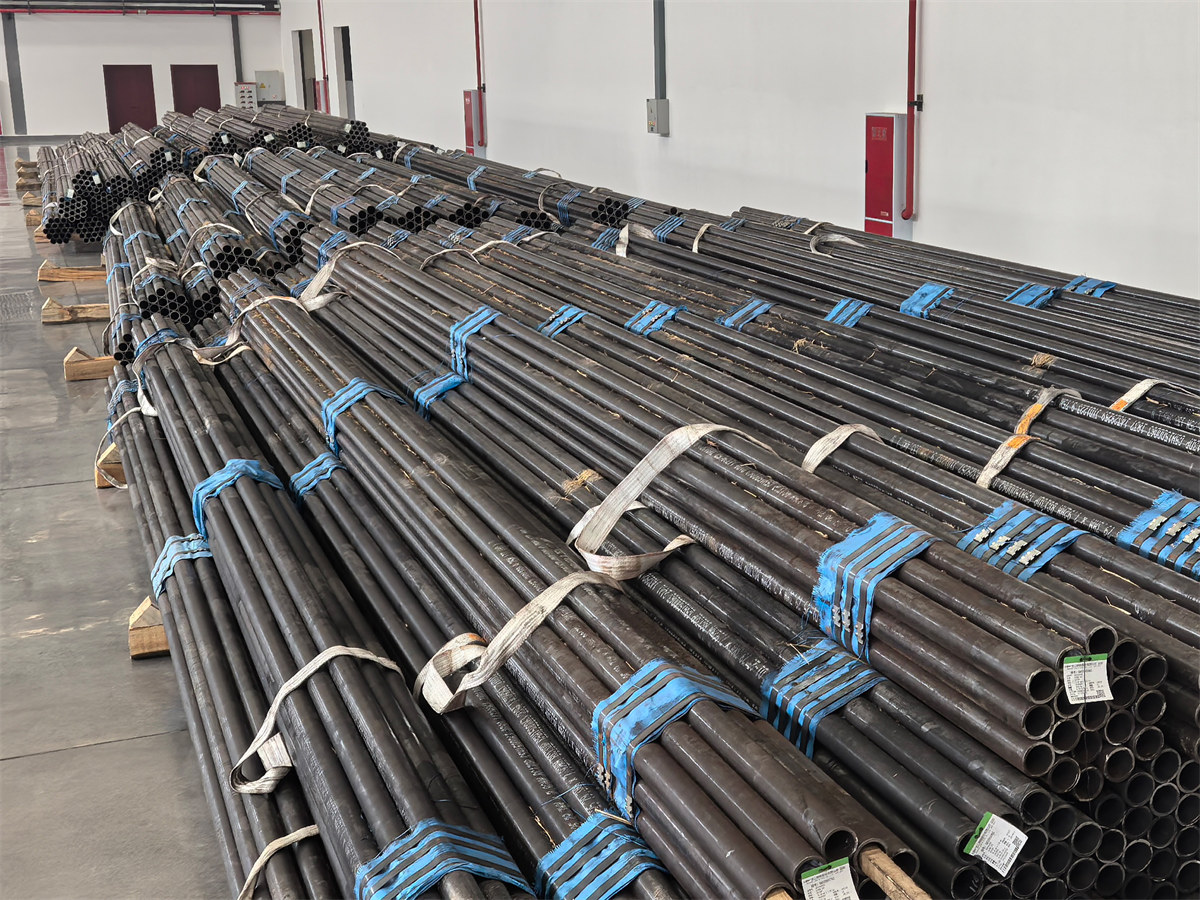
To date, our products have served customers in 38 countries worldwide and consistently earn positive feedback for performance and reliability.
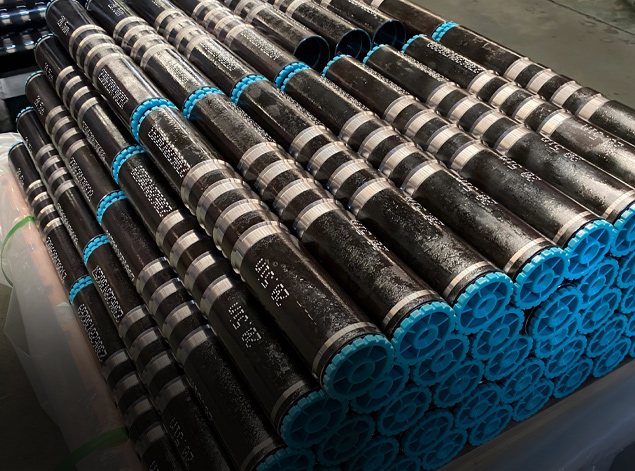
Instead of scallops, it can shoot regardless of the charge tube’s angular position.
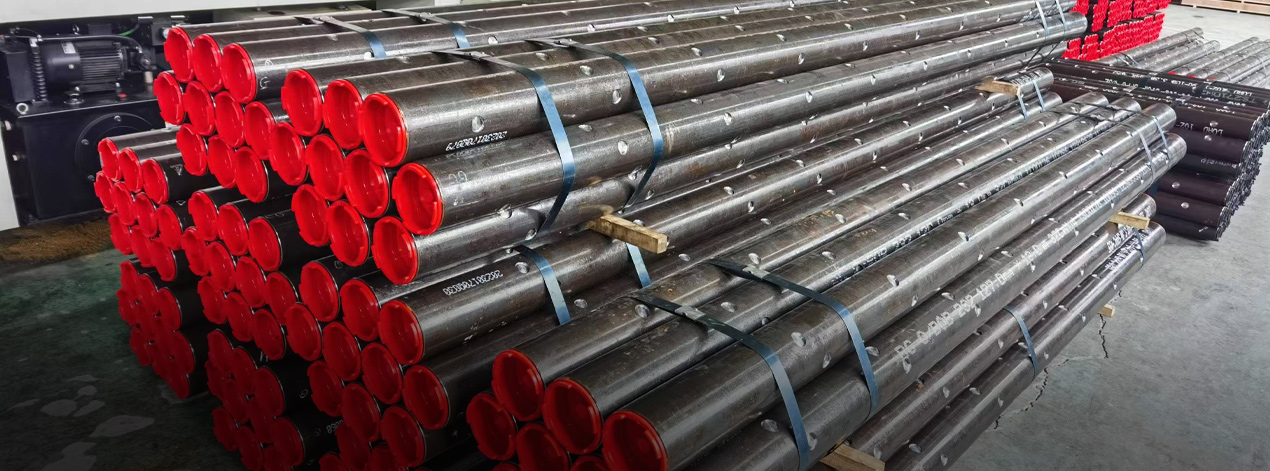
Provides deep penetration and high shot density.
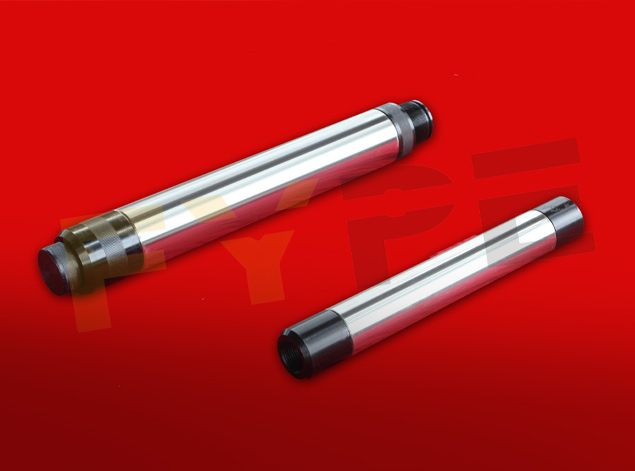
Detects casing collars for depth correlation in wells.
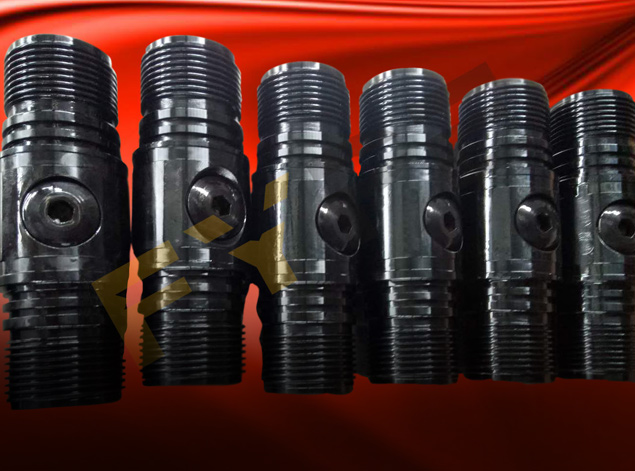
Connecting components used in perforating systems.
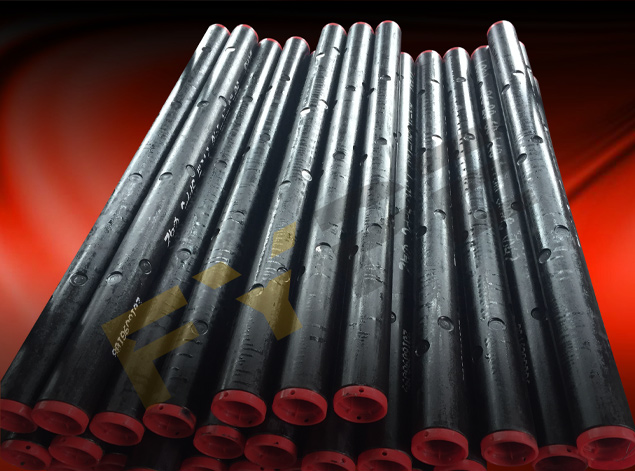
Designed for compact spaces and limited depth perforation.
At FYPE, we believe every well deserves precision, reliability, and excellence. Whether you require high-performance perforating tools or dependable technical support, we are your trusted partner in the oil and gas industry.
Inquiry Now →
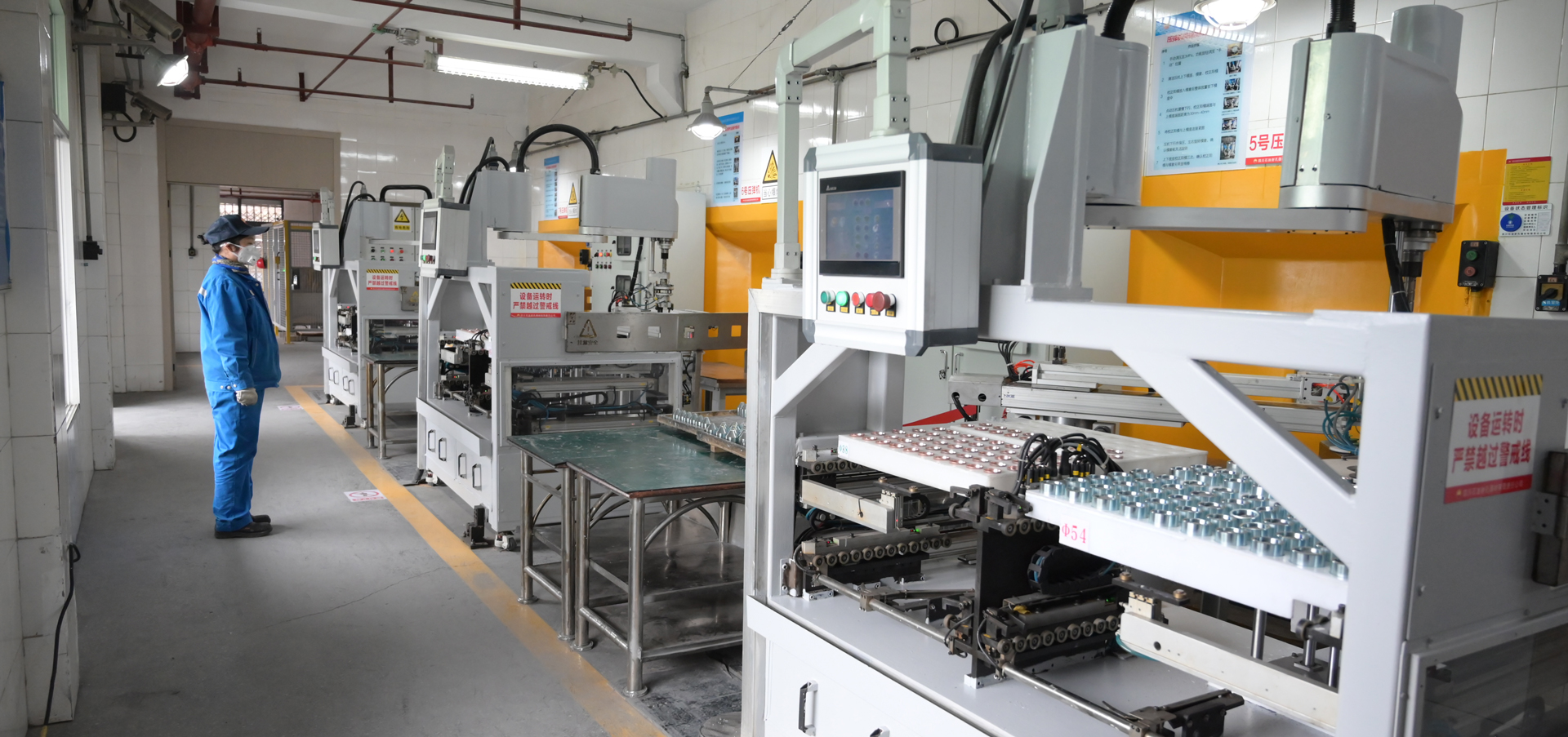
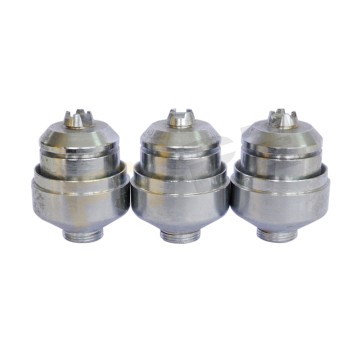
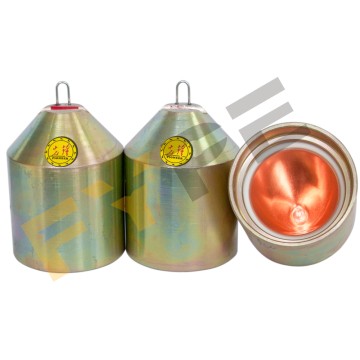
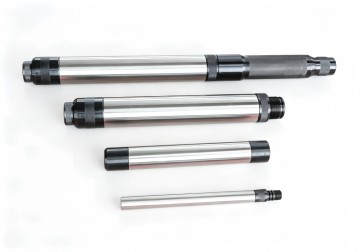
Explore our complete range of shaped charges, TCP shock absorbers, oriented gun assemblies, and casing collar locators engineered for EOR field operations.