+86-15829394411
Leave Your Message
-
Contact WhatsApp
-
 Contact Phone
-
 Contact Email
Advanced oil well perforation tools designed to deliver reliable zonal isolation, accurate formation evaluation, and optimized production performance.
Oil well perforation for zonal isolation testing is a critical downhole operation that involves creating precisely controlled channels through the wellbore casing, cement sheath, and into the target formation. This process is the gateway between the reservoir and the wellbore, and when executed with accuracy, it determines the success of the entire completion and production strategy.
Zonal isolation testing — often referred to as formation integrity testing or selective zone evaluation — requires that specific reservoir intervals be perforated and tested independently. This ensures that hydrocarbons from different formations are not commingled, that well integrity is preserved, and that operators can accurately measure reservoir pressure, permeability, and fluid composition from individual zones.
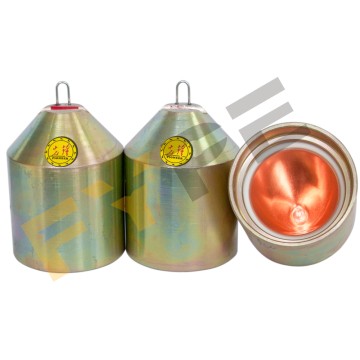
Modern oil well perforation relies on shaped charge technology — explosive devices engineered to focus energy in a single direction, creating deep, clean tunnels into the formation rock. The geometry, liner material, explosive load, and charge configuration directly govern the perforation tunnel depth, diameter, and crushed zone characteristics — all of which are pivotal for effective zonal isolation testing.
When perforation is performed selectively across isolated zones, it allows production engineers and petrophysicists to conduct pressure build-up tests, inflow performance tests, and fluid sampling operations with surgical precision. This data informs not only the well's current production potential but also long-term field development planning.
Key technical parameters that define quality zonal isolation perforation include:
The global well perforating services market was valued at over USD 5.5 billion in 2023 and is projected to surpass USD 9 billion by 2030, driven by increasing deepwater development, unconventional shale plays, and the intensifying need for precise well diagnostics in mature fields undergoing enhanced oil recovery (EOR) programs.
Zonal isolation testing has become a non-negotiable step in modern well completions for several reasons:
China has emerged as a significant force in the global perforating equipment supply chain. Chinese manufacturers like FYPE (Expetro Energy Service Co., Ltd.) now supply API-certified tools to operators in the Middle East, Southeast Asia, Central Asia, Africa, and Latin America — offering competitive pricing without compromising on technical performance standards.
TCP systems convey perforating guns on the production tubing string, allowing simultaneous perforation and packer setting. For zonal isolation testing, straddle packer systems or permanent production packers isolate the target zone both above and below, enabling immediate pressure testing, fluid sampling, and productivity index measurement without rig intervention. This technique is widely adopted in offshore high-pressure/high-temperature (HPHT) environments where minimizing well intervention is critical.
In plug-and-perf completions common across North American shale basins, wireline-conveyed perforating guns are run in combination with composite bridge plugs that provide mechanical zonal isolation. Each zone is perforated, tested (via pressure monitoring), and then isolated before moving to the next interval. This approach allows operators to characterize individual fracture stages and refine stimulation programs in real time.
In certain carbonate or tight-sandstone formations, casing guns with high-density, deep-penetrating shaped charges are deployed specifically to breach the cement sheath and formation matrix while maintaining annular isolation integrity. The resulting perforation tunnels are then tested for zonal communication using pressure differential methods.
Horizontal oriented perforating guns ensure that perforations are placed in the optimal azimuthal direction relative to the maximum horizontal stress, dramatically improving hydraulic fracture initiation efficiency. During zonal isolation testing in horizontal wells, oriented perforations reduce tortuosity, minimize near-wellbore friction, and produce more representative formation data. FYPE's horizontal oriented perforating systems are precision-engineered for this demanding application.
In unconsolidated or weakly consolidated formations prone to sand production, big hole shaped charges are used to maximize entry hole diameter. During zonal isolation testing in these environments, the oversized perforations accommodate gravel pack placement while still allowing fluid flow testing and pressure analysis to characterize individual productive layers.
The industry is rapidly moving toward digitally integrated perforating systems with embedded sensors that transmit real-time data during and after perforation events. Acoustic, pressure, and temperature sensors provide instantaneous feedback on perforation performance, reducing the need for separate, time-consuming well testing operations and enabling immediate zonal isolation verification.
Environmental stewardship is reshaping shaped charge formulation. Next-generation propellants and charge liners are being designed to minimize post-shot debris, reduce wellbore contamination, and lower the operational hazmat classification — facilitating safer handling and transport while still delivering full API-standard penetration performance.
As operators push into formations exceeding 200°C and 30,000 psi, gun body metallurgy has advanced considerably. High-tensile steel and titanium-alloy gun systems now support zonal isolation testing at depths and pressures previously inaccessible, unlocking access to frontier reserves.
Artificial intelligence platforms are being deployed to analyze historical perforation and zonal testing datasets, automatically recommending optimal charge selection, shot density, and packer placement based on real-time geological and geomechanical models. This convergence of AI with perforation engineering is expected to reduce well testing cycle times by up to 40% while increasing the accuracy of reservoir characterization.
A trusted global manufacturer of precision downhole perforating systems.

Expetro Energy Service Co., Ltd. (FYPE) is a leading manufacturer of downhole perforating systems in China, dedicated to the research, development, and production of shaped charges, perforating guns, and associated accessories for oil and gas completions.
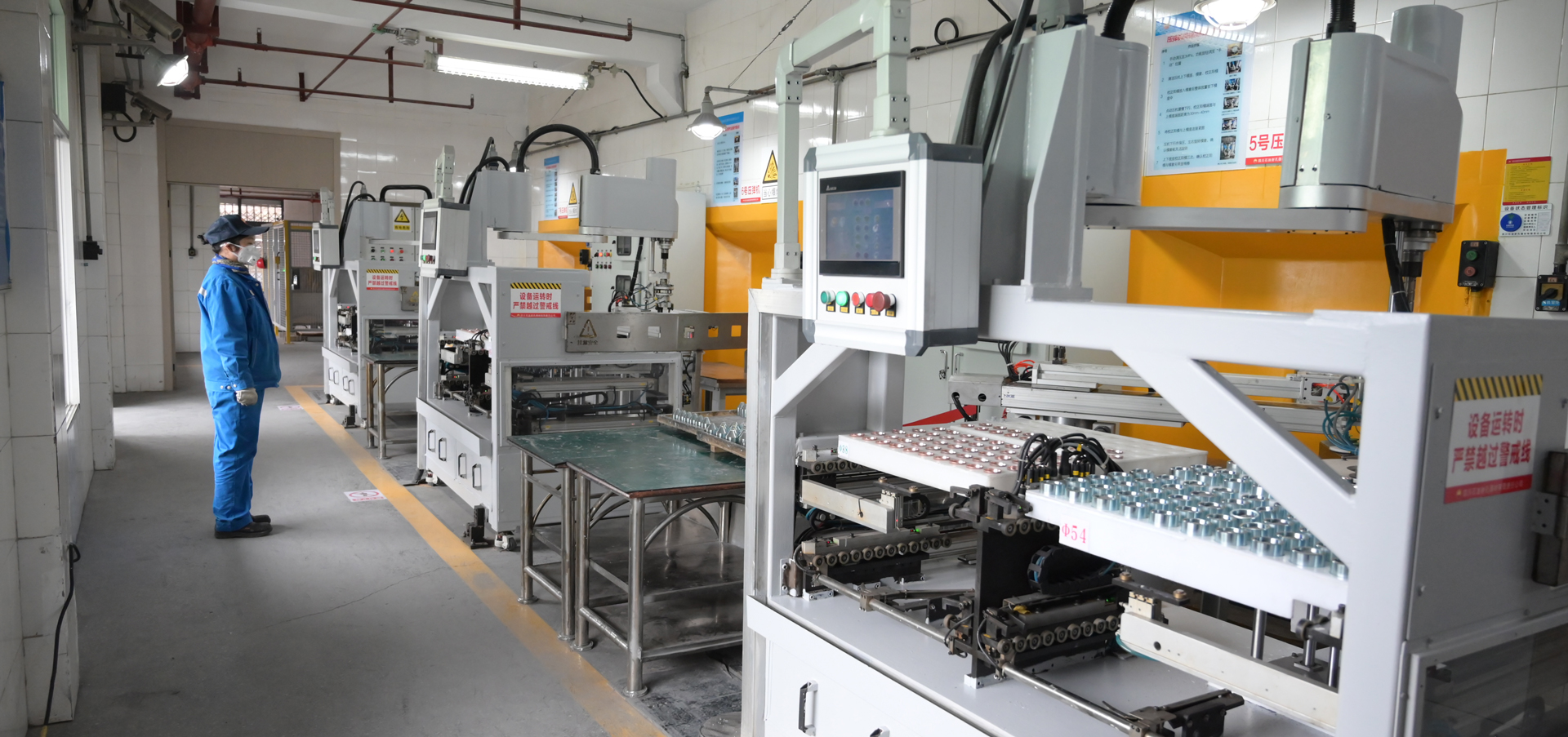
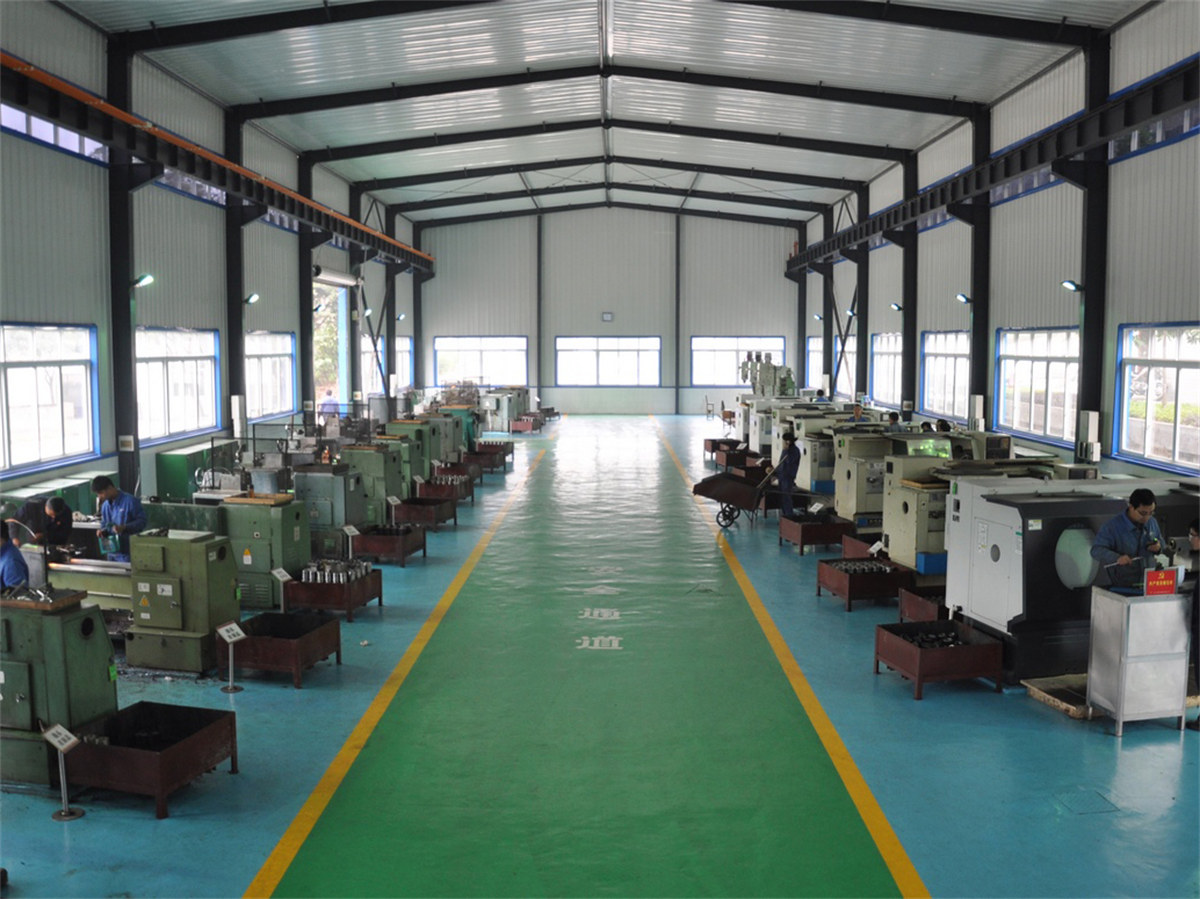
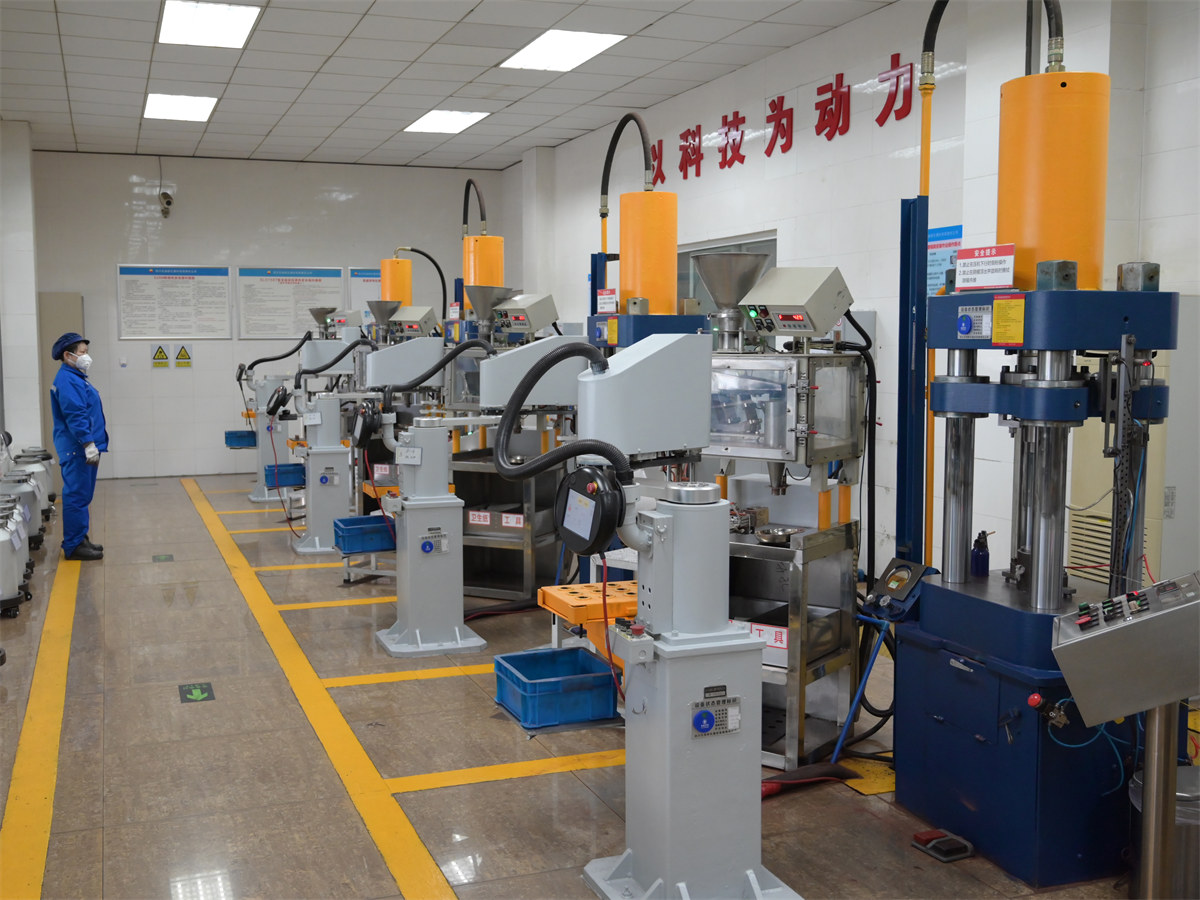
Equipped with state-of-the-art automated production and inspection lines, we deliver over 2.5 million shaped charges and 500,000 meters of perforating guns annually — meeting diverse customer requirements across the global market. Every stage of our production process strictly adheres to the API Q1 Quality Management System.
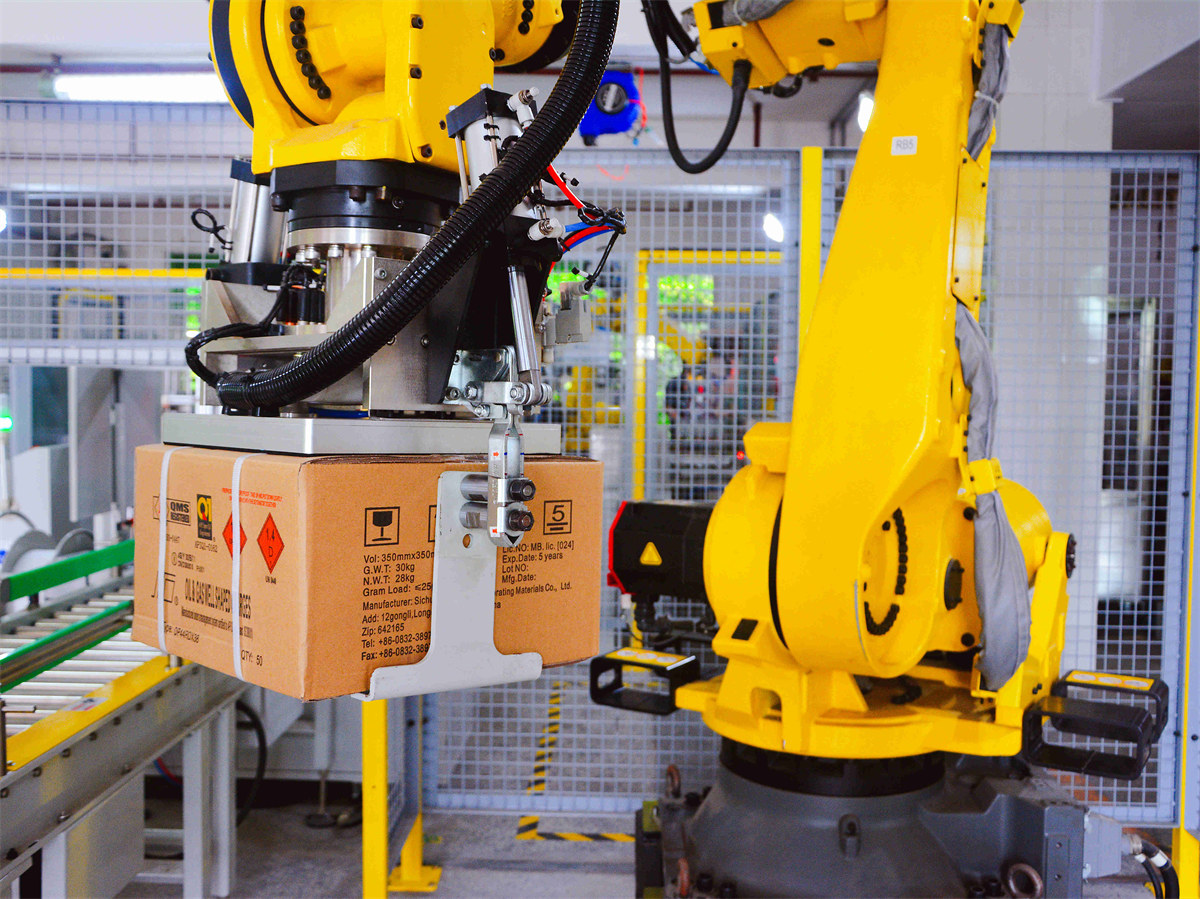
Automated production lines delivering 10,000 shaped charges daily, supporting 100+ gun specifications for global oilfield applications including zonal isolation testing.
API Q1 and ISO 9001 certified. Every product undergoes rigorous inspection, ensuring reliability and superior performance across all operating environments.
Products trusted by operators in 38 countries worldwide. FYPE is dedicated to building long-term partnerships with clients across continents.
The perforating industry is evolving rapidly — driven by deeper wells, tighter formations, and the demand for precise, data-rich zonal evaluation.
Machine learning models now analyze multi-well datasets to recommend optimal perforation parameters, charge types, and zone sequencing — reducing testing cycle times by up to 40% and improving reservoir characterization accuracy.
Smart perforating systems with embedded sensors deliver instantaneous pressure, temperature, and acoustic data during perforation events — enabling immediate zonal isolation verification without separate well testing runs.
Next-generation shaped charges minimize wellbore debris, reduce post-shot contamination, and lower hazmat classifications — supporting greener oilfield operations without sacrificing API-standard penetration performance.
High-tensile and titanium-alloy gun systems enable zonal isolation testing at conditions exceeding 200°C and 30,000 psi — unlocking access to frontier and ultra-deepwater reservoirs previously beyond reach.
Oriented perforating technology aligns shots with maximum horizontal stress, improving hydraulic fracture initiation efficiency and producing more representative formation data during zonal isolation tests in horizontal wells.
Composite bridge plugs combined with high-density perforating guns enable zone-by-zone testing and stimulation in a single run — dramatically reducing completion time and cost in multi-stage horizontal well programs.
What sets FYPE apart as your preferred partner for oil well perforation and zonal isolation testing solutions.
Professional inspection teams operate under API Q1 and ISO 9001 certified management systems, ensuring product reliability and superior performance in every delivery — including zonal isolation testing tools.
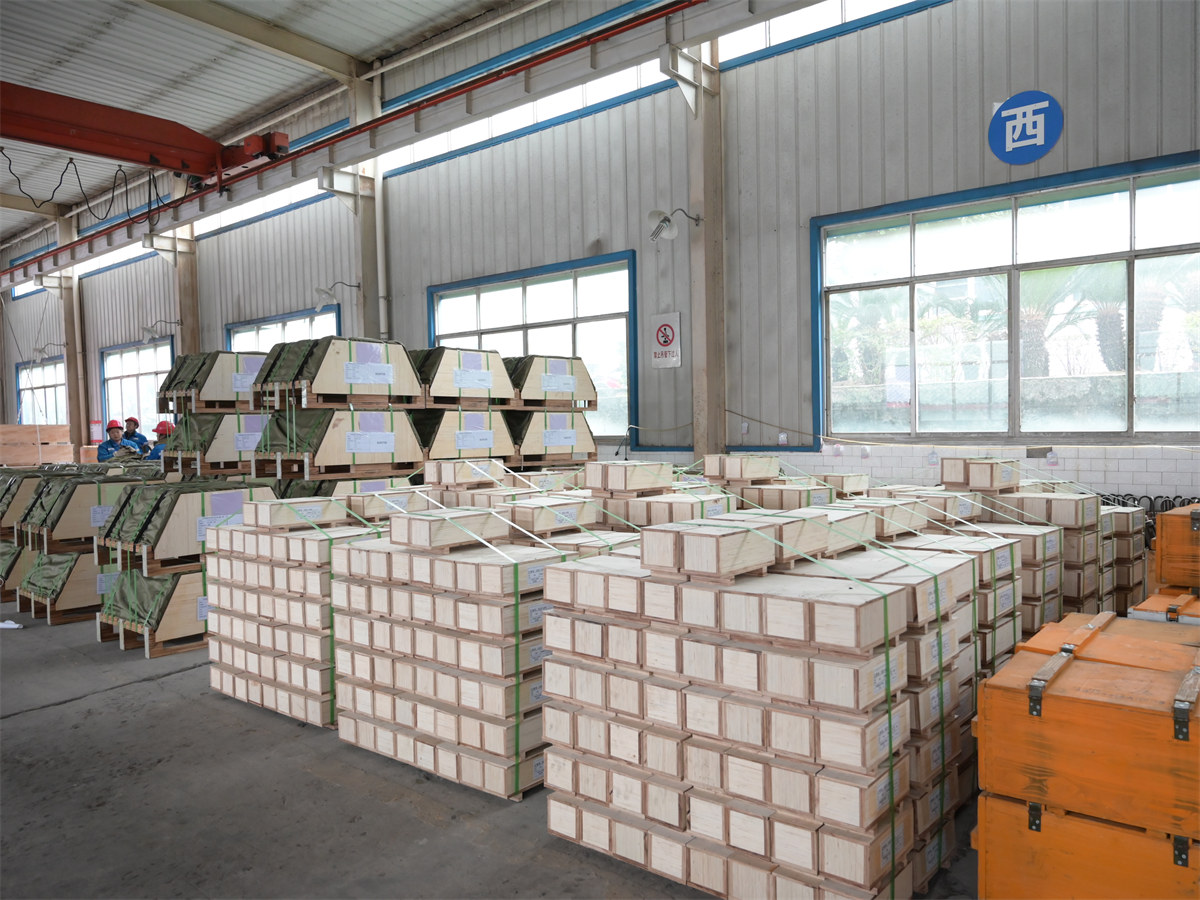
Daily capacity of 10,000 shaped charges. Gun production lines support 100+ specifications — ensuring consistency, scalability, and rapid delivery for your perforation and zonal testing projects.
Our lab performs real-core target tests in simulated reservoirs, ultimate pressure resistance tests on perforation tools, and explosion mechanism tests on shaped charges — validating every product for zonal isolation performance.
With nearly 20 years of export experience across 38 countries, we deeply understand global oilfield demands and deliver trusted, tailored solutions for diverse perforation and zonal isolation testing requirements.
To date, our products have served customers in 38 countries worldwide and consistently earn positive feedback for performance and reliability.
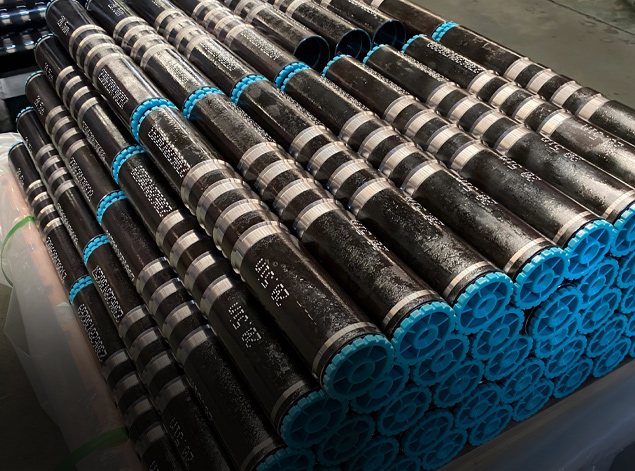
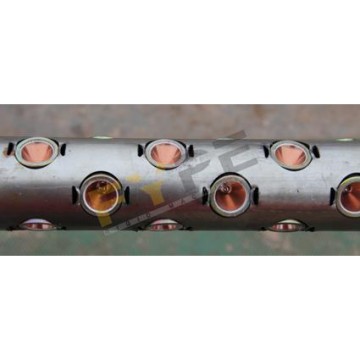
Instead of scallops, it can shoot regardless of the charge tube's angular position.
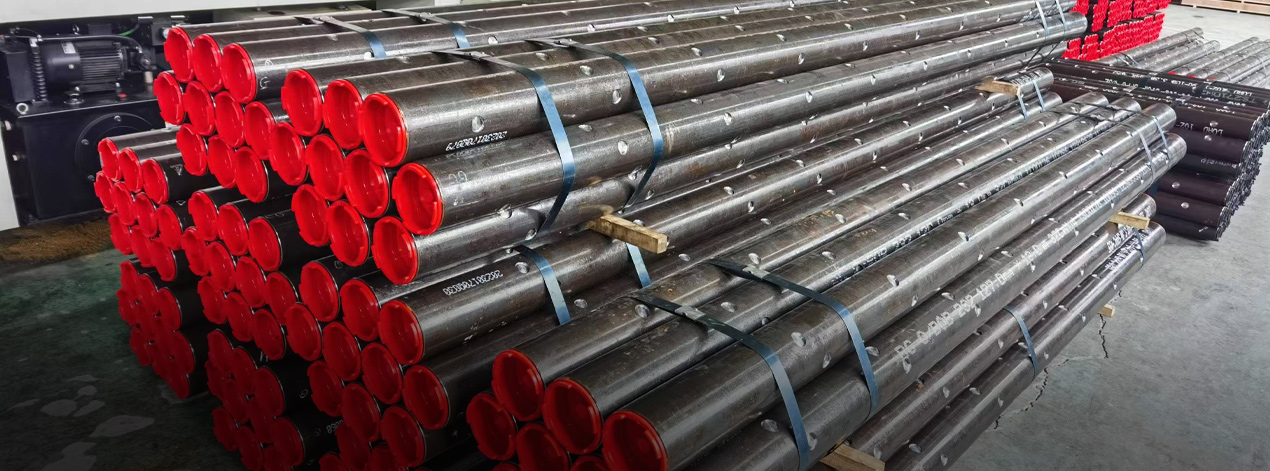
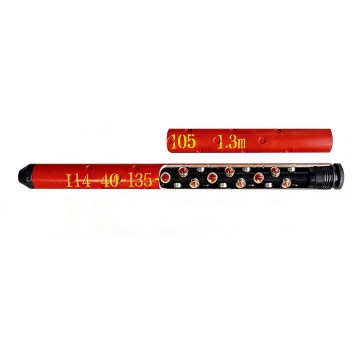
Provides deep penetration and high shot density for thorough zonal characterization.
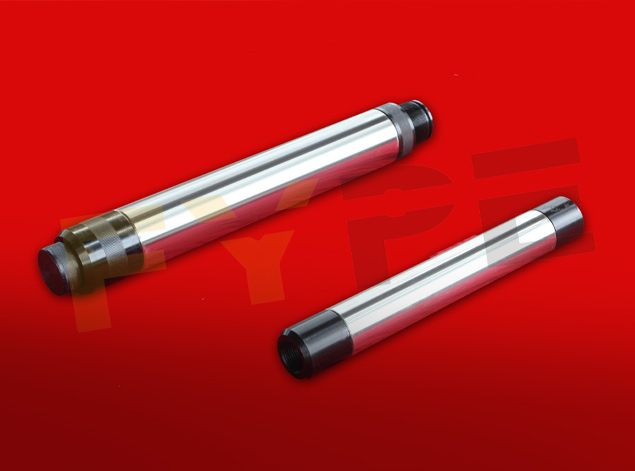
Detects casing collars for precise depth correlation in multi-zone isolation testing.
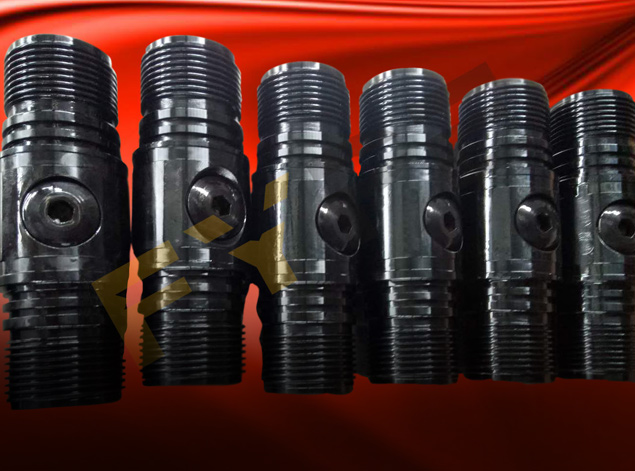
Connecting components used in multi-zone perforating systems for isolation testing.
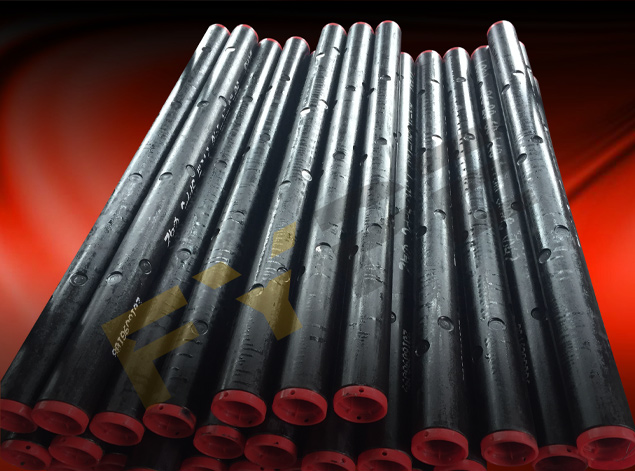
Designed for compact spaces and precision selective depth perforation in zonal isolation operations.
State-of-the-art manufacturing facilities engineered for precision, consistency, and global-scale delivery of downhole perforating systems.
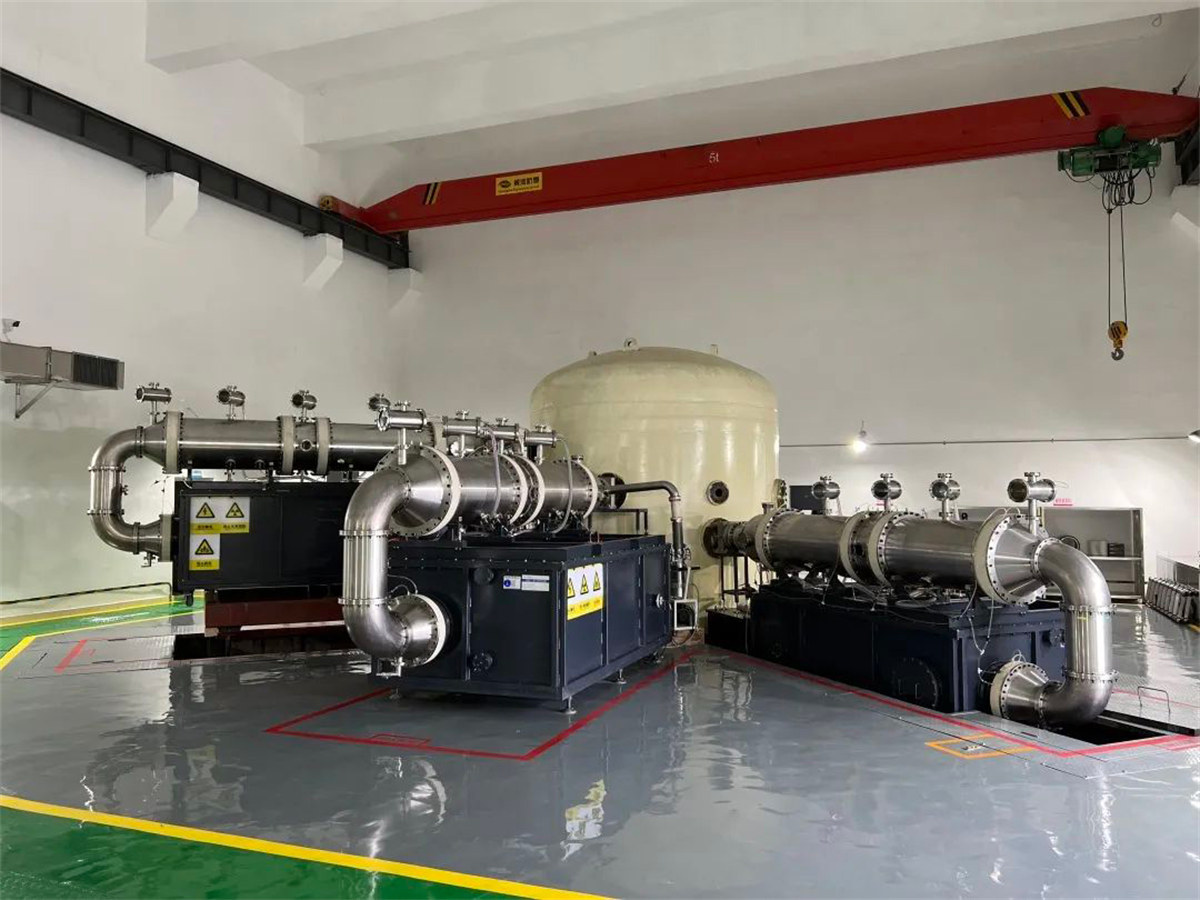
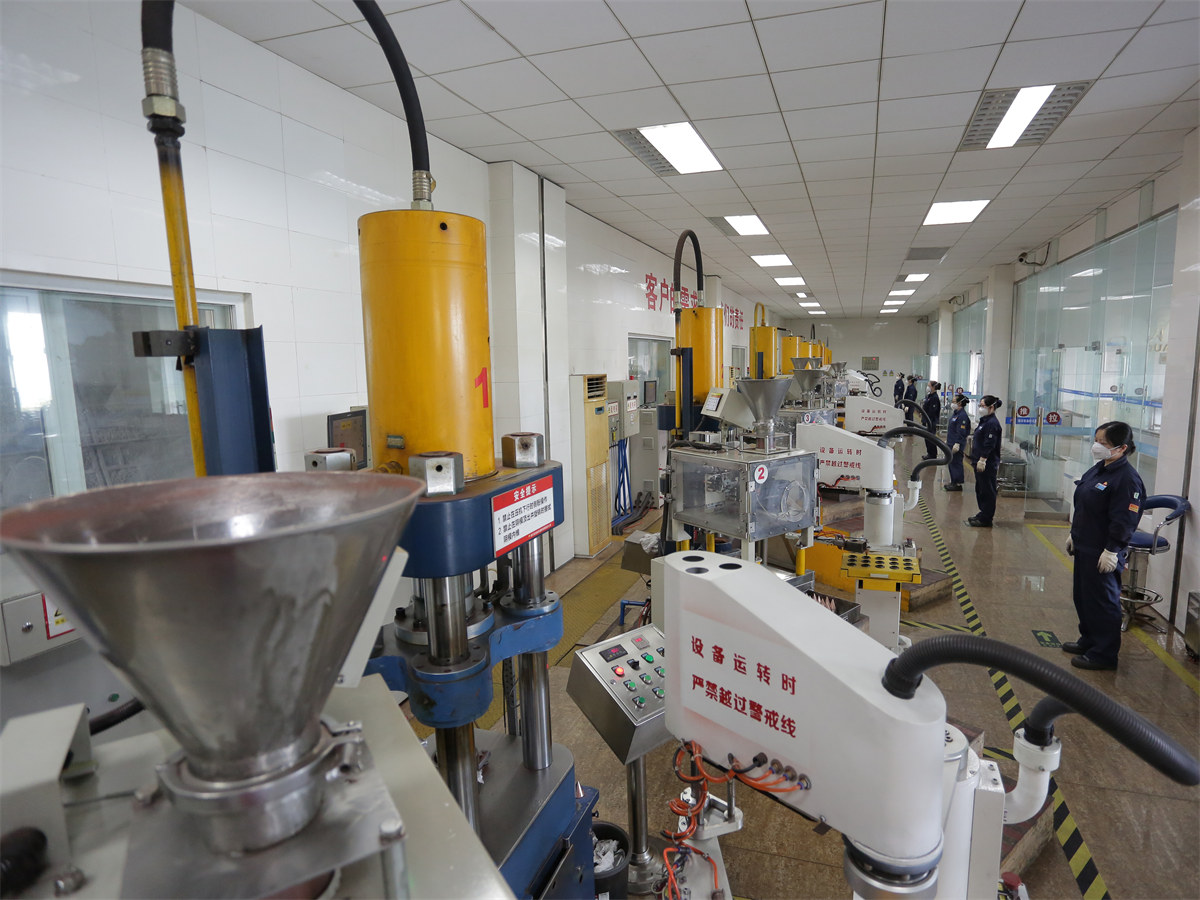
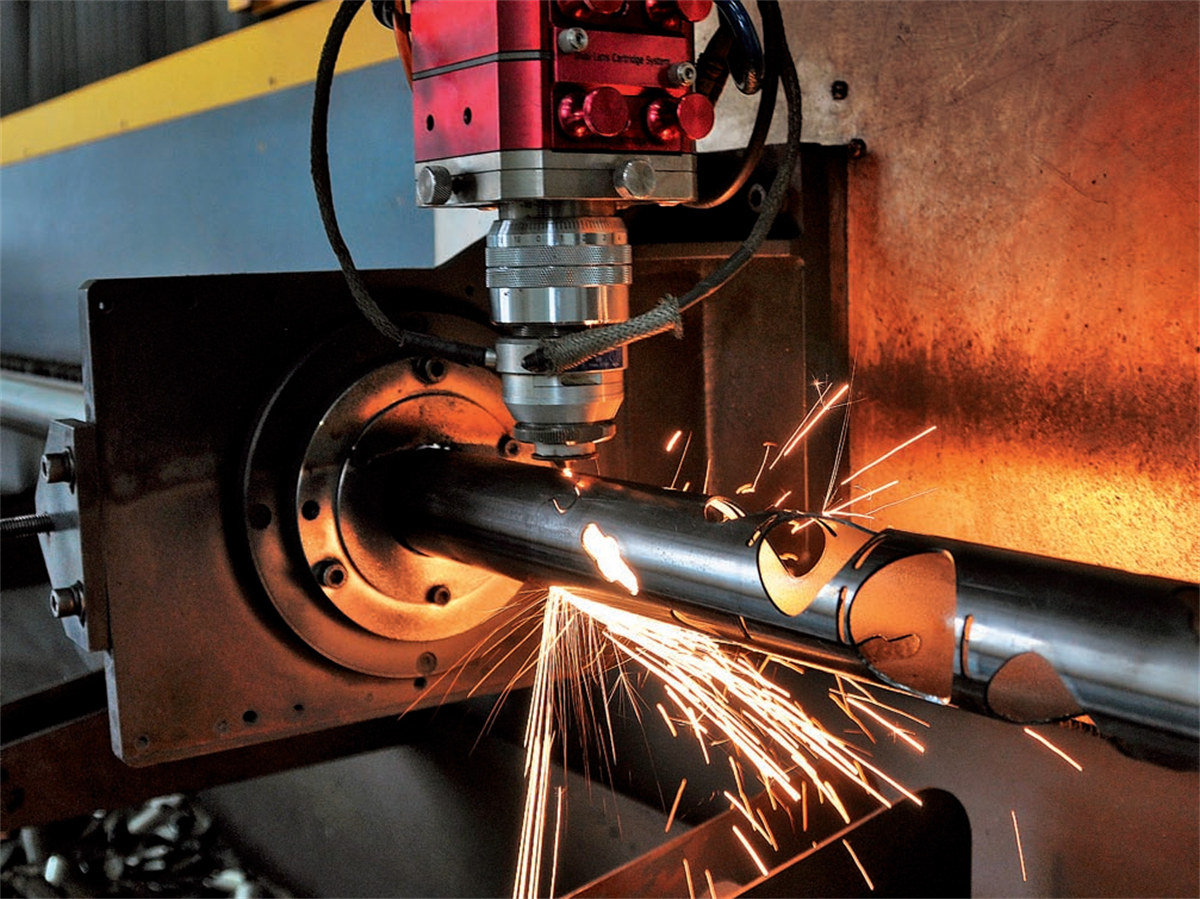
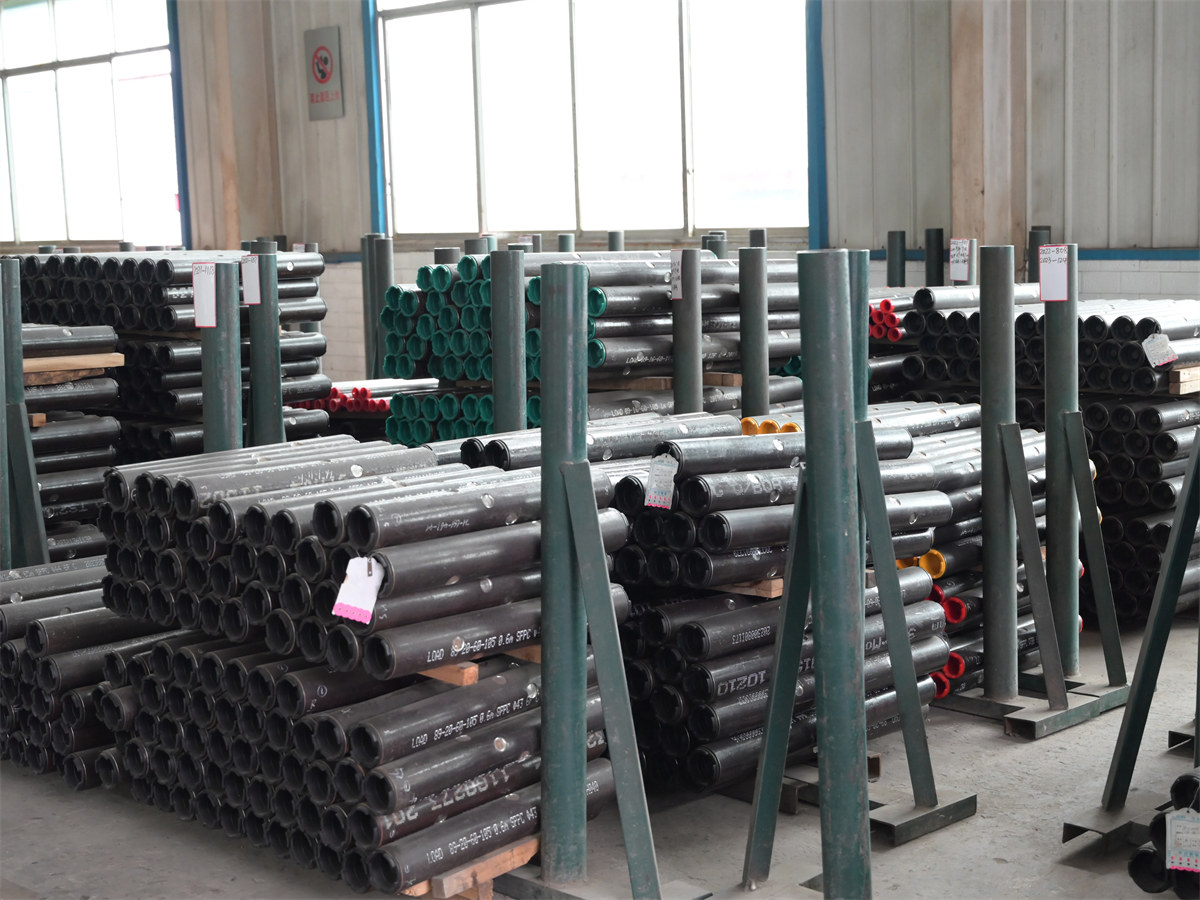
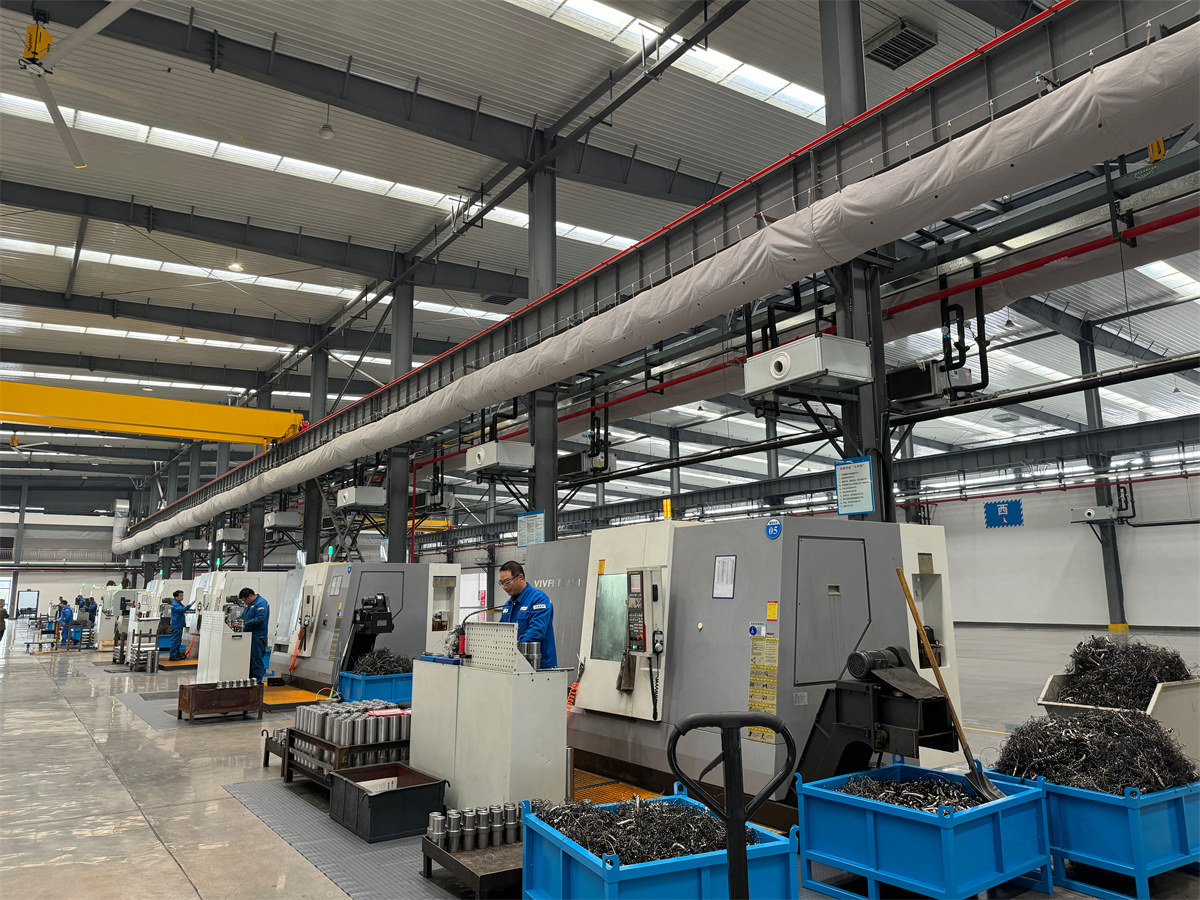
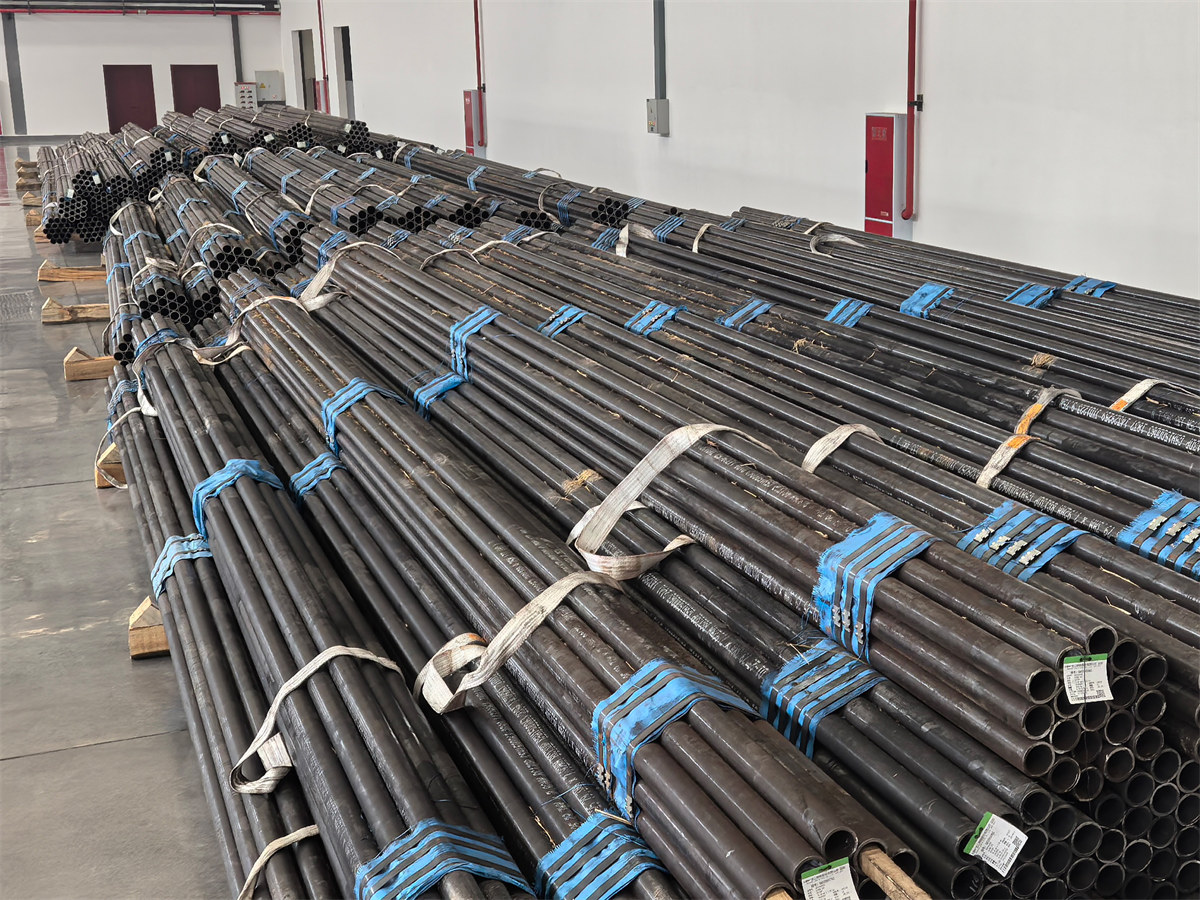
Explore our full portfolio of precision-engineered perforating tools designed for every oil well zonal isolation testing scenario.
At FYPE, we believe every well deserves precision, reliability, and excellence. Whether you require high-performance perforating tools for zonal isolation testing or dependable technical support, we are your trusted partner in the oil and gas industry.
Inquiry Now