+86-15829394411
Leave Your Message
-
Contact WhatsApp
-
 Contact Phone
-
 Contact Email
Precision-engineered perforating charges designed specifically for sand control management — delivering optimal perforation geometry, minimal formation damage, and superior flow performance.
In the oil and gas industry, perforating charges for sand control management represent one of the most critical technologies in well completion engineering. A perforating charge is a shaped explosive device deployed downhole to create precise perforation tunnels through casing, cement, and reservoir rock, enabling hydrocarbons to flow into the wellbore. When specifically engineered for sand control, these charges are designed to produce perforation geometries that minimize formation disturbance, reduce sand production, and maintain the structural integrity of the near-wellbore zone.
Sand production is a persistent challenge in unconsolidated or weakly consolidated formations — particularly in offshore deepwater fields, mature onshore reservoirs, and heavy oil environments. Uncontrolled sand influx can cause severe erosion of downhole and surface equipment, wellbore instability, and costly production interruptions. The strategic design of perforating charges plays a foundational role in mitigating these risks before any sand control screen, gravel pack, or frac pack system is installed.
The diameter, depth, and phasing of perforation tunnels directly influence the efficiency of gravel packing, the bypass ratio of sand control screens, and the long-term productivity of the well. Optimized perforating charge design is therefore inseparable from a successful sand control strategy.
Traditionally, sand control has been viewed as a post-perforation challenge — something addressed by installing gravel packs or expandable screens after the wellbore is perforated. However, modern completion engineering recognizes that the perforation event itself sets the boundary conditions for all subsequent sand control operations. A poorly designed perforating charge can crush the near-wellbore formation, create irregular tunnels that are difficult to pack uniformly, or generate excessive compaction damage that reduces permeability and increases drawdown pressure — all factors that accelerate sand production.
Conversely, a perforating charge engineered specifically for sand control management will:
The global market for downhole perforating systems — including shaped charges optimized for sand control — is experiencing robust growth, driven by several converging industry dynamics. According to market intelligence reports, the perforating tools segment of the oilfield services market is projected to surpass USD 3.5 billion by 2028, with sand-control-specific solutions representing a rapidly expanding sub-segment.
Key commercial drivers include:
China has emerged as a leading supplier of high-performance perforating charges, combining advanced manufacturing automation with competitive pricing. Chinese manufacturers certified to API Q1 and ISO 9001 standards are now trusted partners for operators and service companies across 38+ countries, reshaping the global supply chain for downhole perforating systems.
The technology of perforating charges for sand control is evolving rapidly, shaped by advances in materials science, computational modeling, and digital oilfield integration. Several important trends are defining the next generation of solutions:
Modern sand control completions increasingly favor big-bore shaped charges that create large-diameter perforation tunnels (entry hole diameter > 0.8 inches) with minimal compaction damage. These charges use optimized liner geometry and explosive loading to maximize the ratio of tunnel diameter to penetration depth, providing superior gravel packing efficiency and reduced screen bypass.
Self-cleaning perforating technology represents a significant advance for sand control applications. These systems use engineered jet dynamics to flush perforation debris out of the tunnel immediately after detonation, ensuring clean, open tunnels that can be effectively packed with gravel or proppant. This reduces the risk of "sandbagging" — the premature plugging of tunnels by crushed formation material — which is a common failure mode in conventional perforating operations.
Frac pack completions — which combine hydraulic fracturing with gravel packing — are the gold standard for sand control in high-rate wells. Directional clustering perforating systems concentrate perforation intervals to promote the initiation of short, wide fractures that are ideal for placing high-conductivity gravel packs. This approach maximizes production while minimizing sand production risk.
Phase-optimized perforating (e.g., 60° phasing with 6 shots per foot) ensures that perforations are evenly distributed around the casing circumference, preventing stress concentration that can lead to casing collapse and sand arch failure. Coaxial charge configurations further enhance perforation consistency by aligning the charge axis with the wellbore axis, improving tunnel geometry in deviated and horizontal wells.
Leading manufacturers now use finite element analysis (FEA) and computational fluid dynamics (CFD) to simulate perforation tunnel formation and optimize charge design for specific reservoir conditions. Integration with real-time downhole measurement tools allows operators to verify perforation outcomes and adjust completion strategies dynamically.
Understanding where and how perforating charges for sand control management are deployed reveals the breadth of their industrial significance:
In deepwater fields, the combination of high pore pressure, unconsolidated sands, and extreme water depth makes sand control a non-negotiable requirement. Operators deploy big-bore, low-damage perforating charges in conjunction with premium sand control screens and gravel packs. The perforating charge must perform reliably at pressures exceeding 15,000 psi and temperatures above 300°F, while delivering consistent tunnel geometry to ensure uniform gravel distribution across the entire completion interval.
Horizontal wells in unconsolidated formations present unique challenges for sand control. The wellbore trajectory creates asymmetric stress conditions that can cause irregular perforation tunnels if charge phasing is not carefully engineered. Directional clustering perforating systems with optimized phase angles are used to create perforation patterns that promote stable sand arching and reduce the risk of catastrophic sand failure during production ramp-up.
Gravel pack operations require perforations with large entry holes and minimal compaction damage to allow efficient gravel slurry placement. Frac pack operations additionally require perforations that can initiate and sustain hydraulic fractures without premature screen-out. Perforating charges designed for these applications use specialized liner materials and explosive formulations to achieve the required combination of entry hole size, penetration depth, and debris minimization.
As producing wells age, changes in reservoir pressure and fluid composition can trigger sand production in previously stable formations. Recompletion campaigns using through-tubing perforating charges allow operators to add sand control perforations without pulling the existing completion string, reducing workover costs and minimizing production downtime.
HTHP wells — defined as those with bottomhole temperatures exceeding 300°F and pressures above 10,000 psi — require perforating charges with thermally stable explosive formulations (e.g., HNS or TATB-based explosives) that maintain detonation performance under extreme conditions. These charges must also resist premature detonation caused by high ambient temperature during run-in-hole operations.
Expetro Energy Service Co., Ltd. — a world-class manufacturer of perforating systems for sand control and beyond.
The perforating charge industry is advancing rapidly — here are the key trends shaping the future of sand control perforating technology.
Next-generation shaped charges use powder metallurgy liners with precisely controlled density gradients to optimize jet formation, maximize entry hole diameter, and minimize compaction damage — critical for effective gravel pack placement in sand control completions.
Artificial intelligence and machine learning are being integrated into perforating charge design workflows, enabling rapid optimization of explosive loading, liner geometry, and phasing configurations for specific reservoir conditions and sand control requirements.
Environmental regulations are driving the development of greener explosive formulations with reduced toxic byproducts. New RDX-free and HMX-reduced compositions are being evaluated for sand control perforating applications in environmentally sensitive areas.
Integration of downhole sensors with perforating guns allows real-time verification of detonation events, perforation tunnel geometry, and formation response — enabling data-driven optimization of sand control completion designs.
Demand for perforating charges capable of reliable performance in HTHP environments (300°F+, 15,000 psi+) is growing as operators develop deeper, hotter reservoirs where sand control is critical for long-term well integrity.
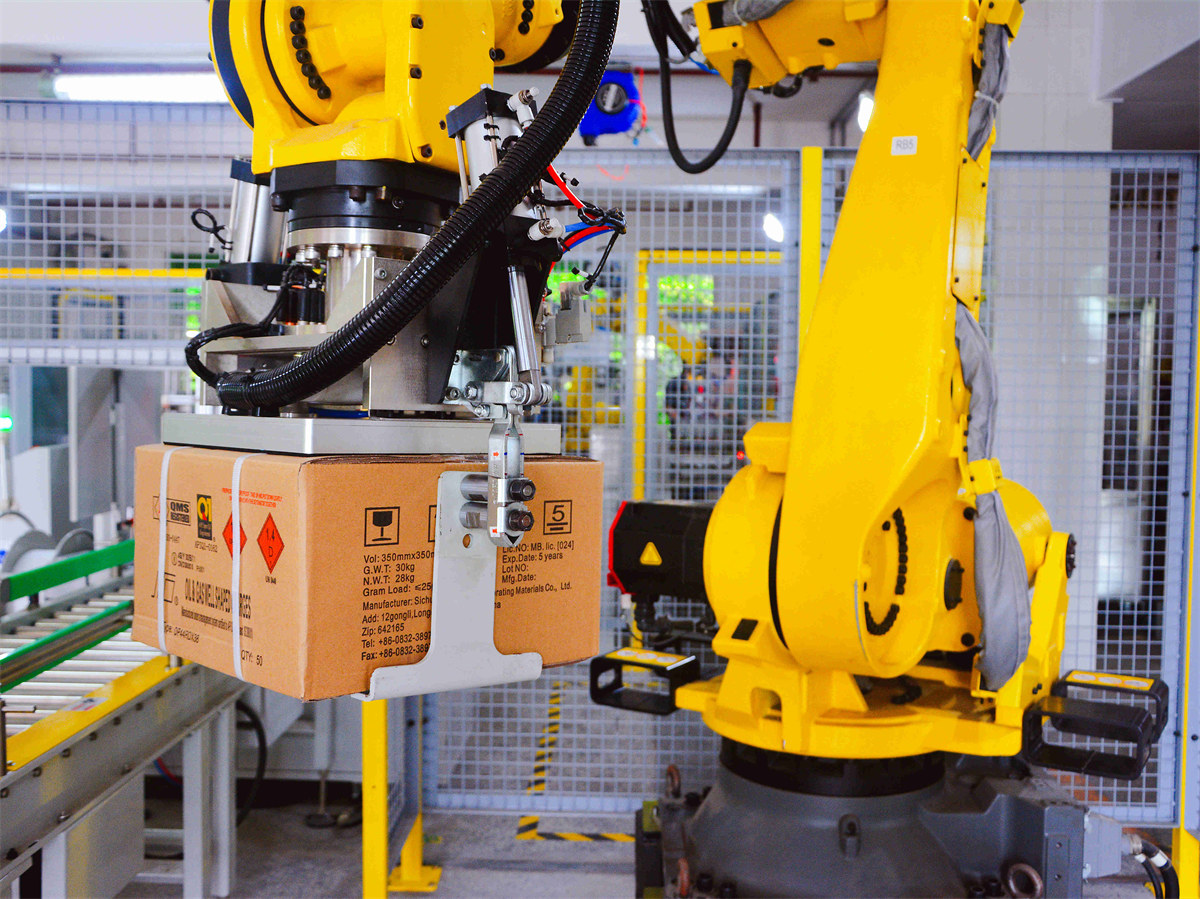
Robotic assembly lines and automated quality inspection systems ensure micron-level consistency in liner geometry and explosive loading — the foundation of predictable, repeatable perforation performance in sand control operations.
From deepwater giants to mature onshore fields — perforating charges engineered for sand control management are deployed across a wide spectrum of challenging environments.
High-pressure, high-temperature deepwater fields with unconsolidated sands require big-bore, low-damage charges that deliver consistent tunnel geometry for reliable gravel pack placement at depths exceeding 5,000 meters below mudline.
Phase-optimized perforating in horizontal unconsolidated formations ensures uniform gravel distribution and prevents sand arch failure, maximizing the productive life of horizontal sand control completions.
Directional clustering perforating charges initiate short, wide hydraulic fractures ideal for high-conductivity gravel packing — the preferred sand control method for high-rate oil and gas producers.
Through-tubing perforating charges enable sand control recompletions in aging wells without pulling the existing completion string, significantly reducing workover costs and production downtime.
Thermally stable explosive formulations (HNS, TATB-based) maintain detonation reliability in extreme temperature and pressure environments where conventional charges would fail, ensuring sand control integrity in the most demanding wells.
In Canadian oil sands and similar heavy oil environments, specialized perforating charges support steam-assisted gravity drainage completions that must manage sand production under cyclic thermal loading conditions.

Expetro Energy Service Co., Ltd. (FYPE) is a leading manufacturer of downhole perforating systems in China, dedicated to the research, development, and production of shaped charges, perforating guns, and associated accessories for oil and gas completions.
With nearly 20 years of export experience and products deployed in 38 countries, FYPE has established itself as a trusted global partner for operators and service companies seeking reliable, high-performance perforating solutions for sand control management and well stimulation.
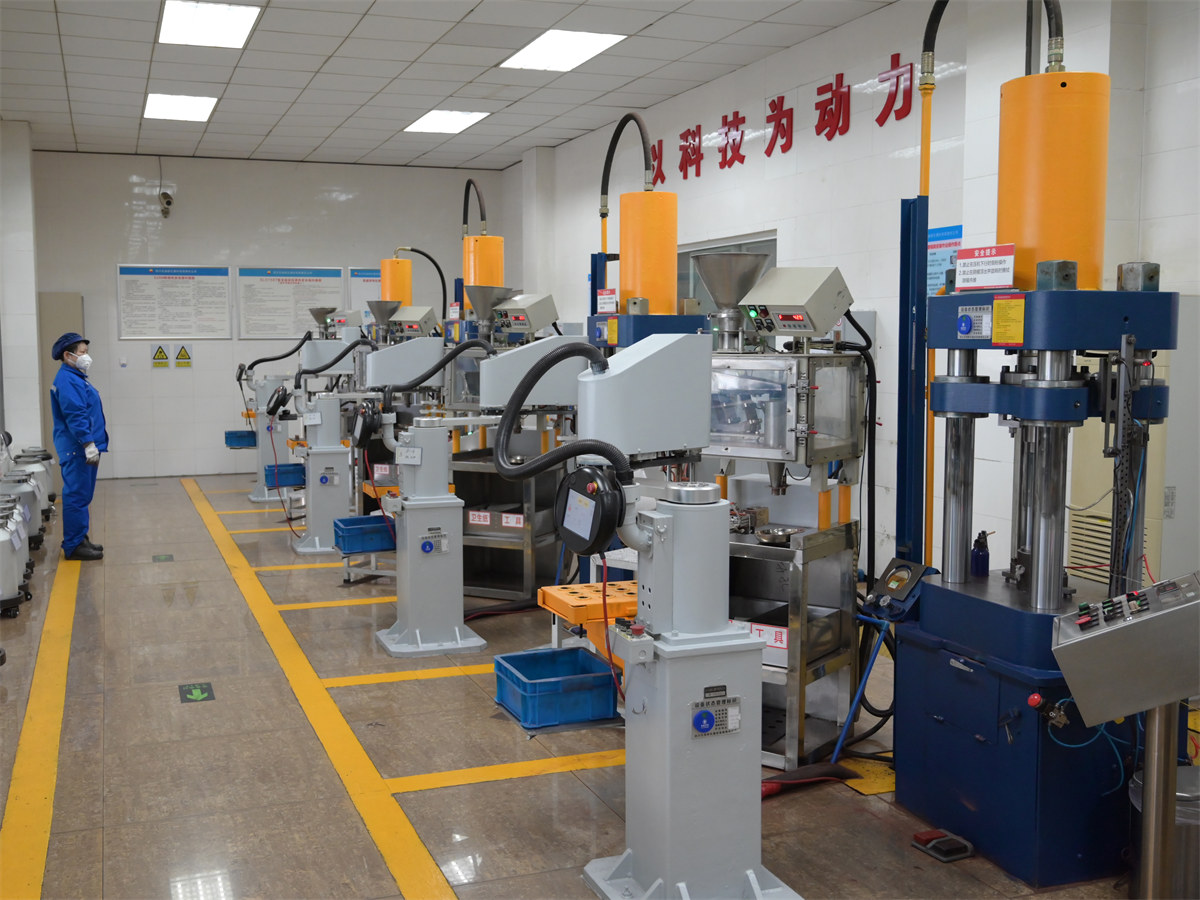
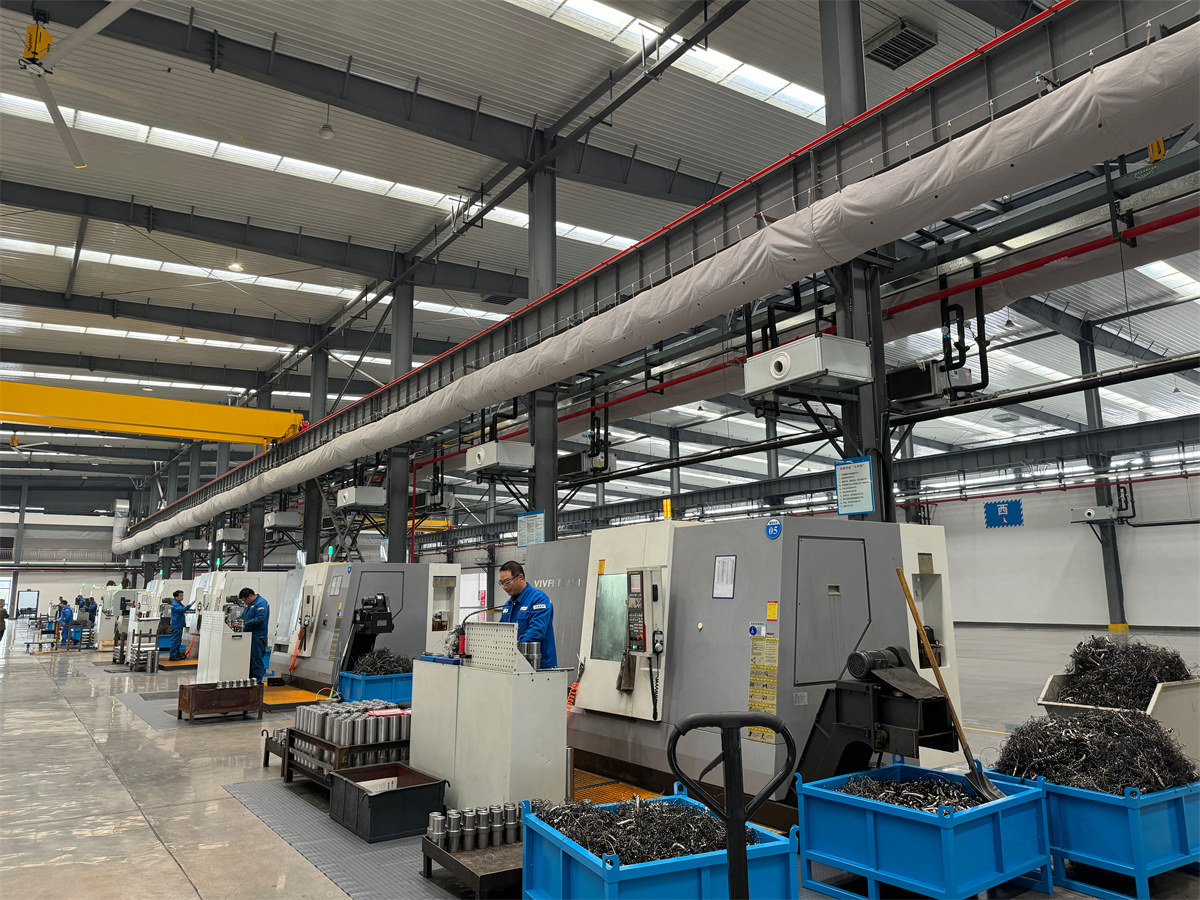
Equipped with state-of-the-art automated production and inspection lines, we deliver over 2.5 million shaped charges and 500,000 meters of perforating guns annually — meeting diverse customer requirements across the global market.
Every stage of our production process strictly adheres to the API Q1 Quality Management System. This unwavering commitment to quality, innovation, and customer satisfaction has established FYPE as a trusted partner in the global energy sector.
To date, our products have served customers in 38 countries worldwide and consistently earn positive feedback for performance and reliability. FYPE is dedicated to expanding its global footprint and building long-term partnerships with clients across continents.
Why leading operators and service companies worldwide choose FYPE for perforating charges and sand control management solutions.
Our professional inspection team operates under a quality management system certified to API Q1 and ISO 9001 standards, ensuring product reliability and superior performance in every delivery.
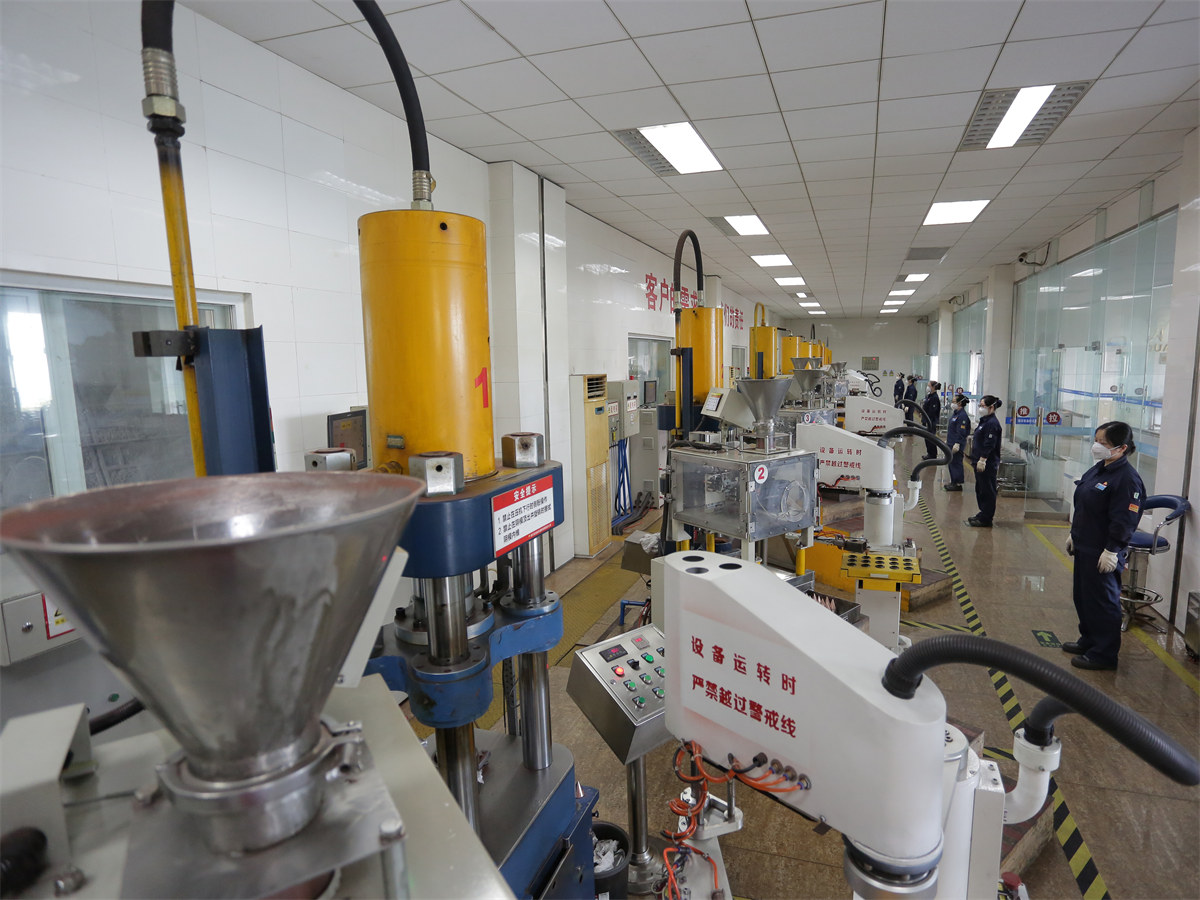
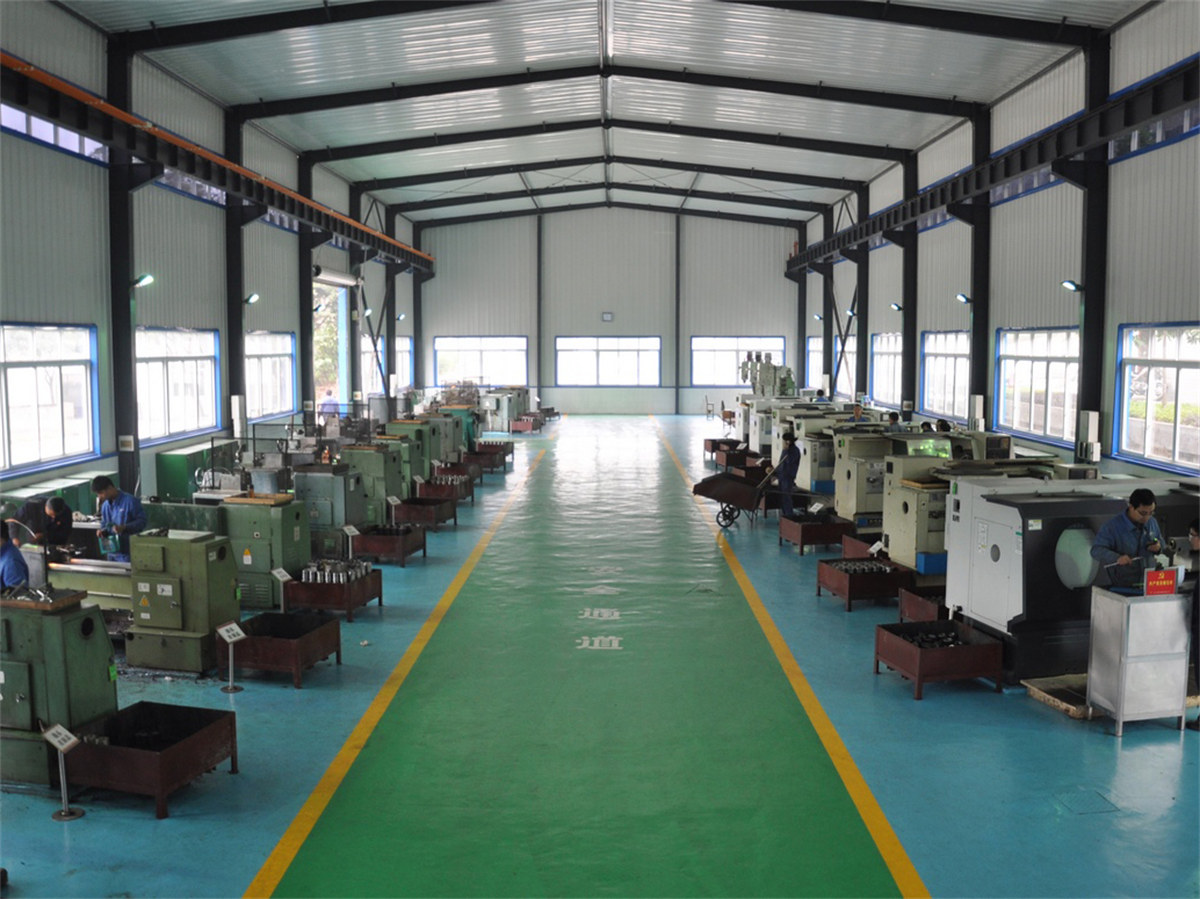
Our automated production lines ensure product consistency and enhance productivity. Daily capacity of shaped charges can reach 10,000. The perforating gun line can process 100+ types with different specifications.
Our lab carries out real-core target tests in simulated reservoirs, ultimate pressure resistance tests on perforation tools, and explosion mechanism tests on shaped charges.
With nearly 20 years of export experience across 38 countries, we deeply understand global market demands and deliver trusted, tailored solutions for sand control and well completion operations.
To date, our products have served customers in 38 countries worldwide and consistently earn positive feedback for performance and reliability.
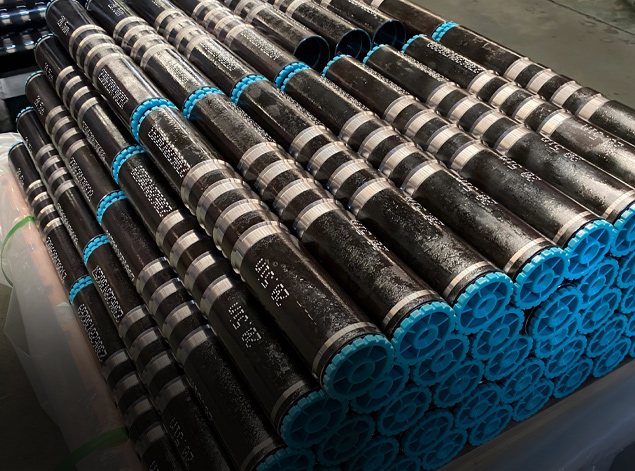
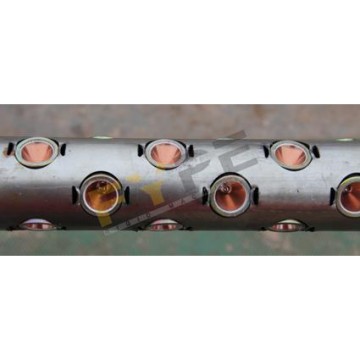
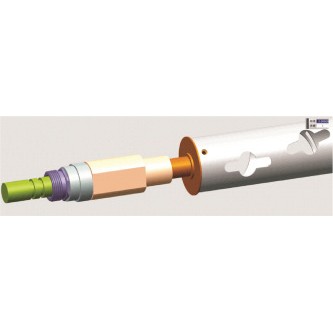
Instead of scallops, it can shoot regardless of the charge tube's angular position.
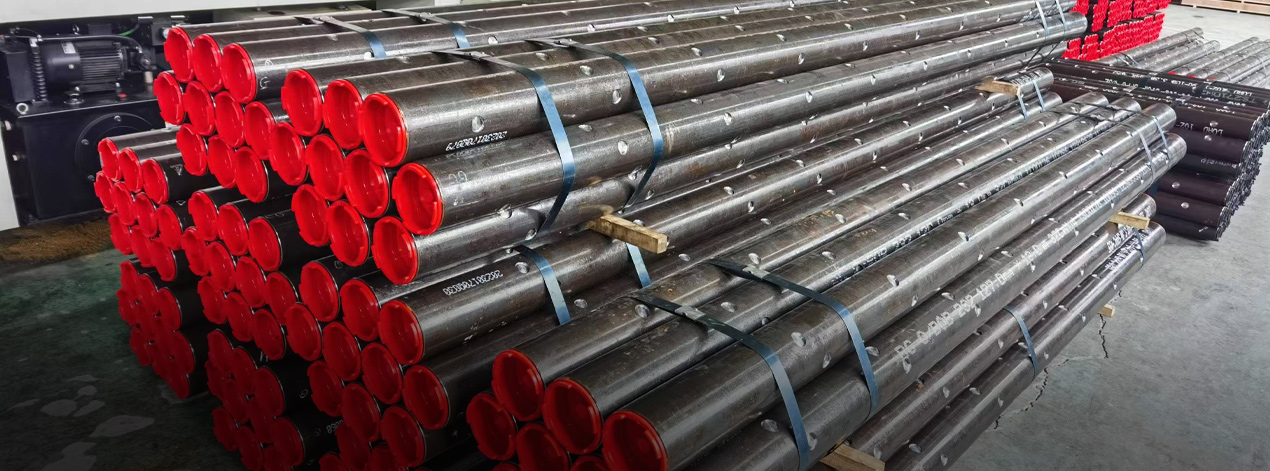
Provides deep penetration and high shot density for effective sand control completions.
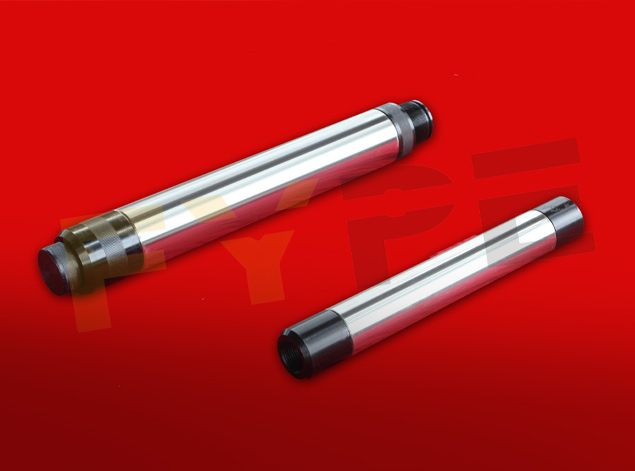
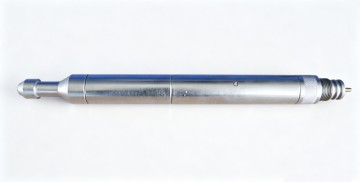
Detects casing collars for precise depth correlation in sand control wells.
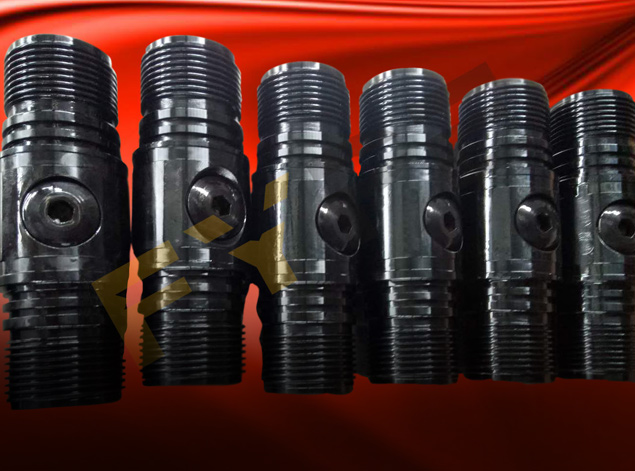
Connecting components used in sand control perforating systems.
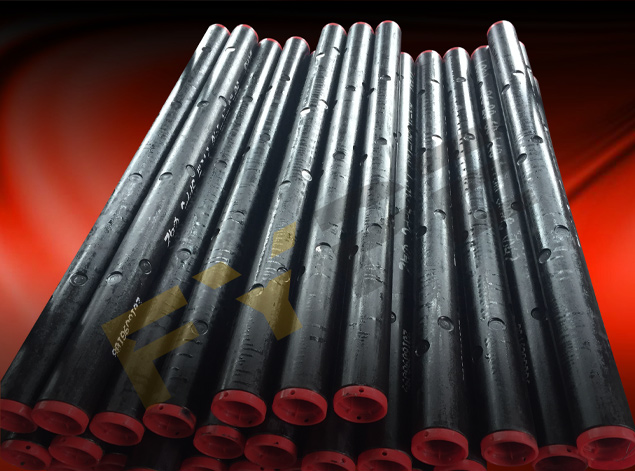
Designed for compact spaces and limited depth sand control perforation.
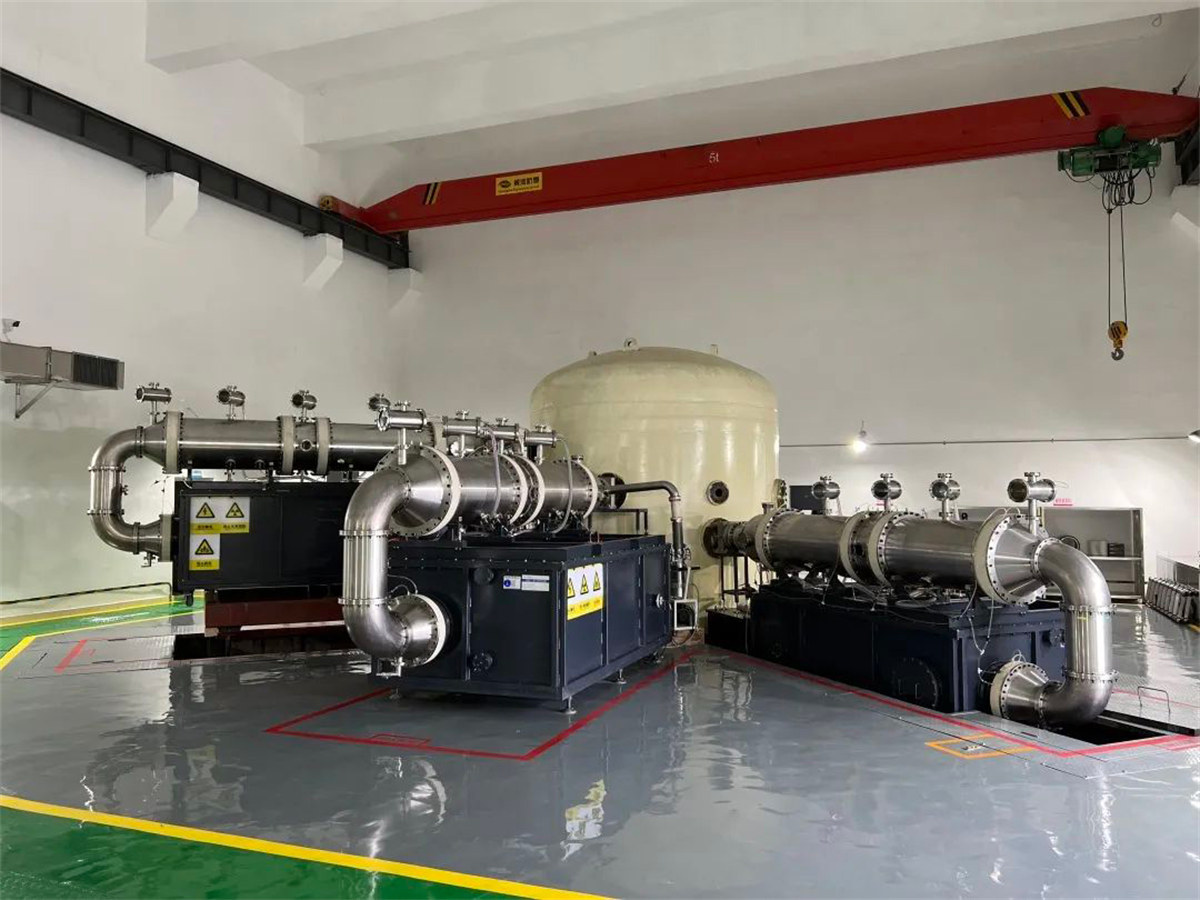
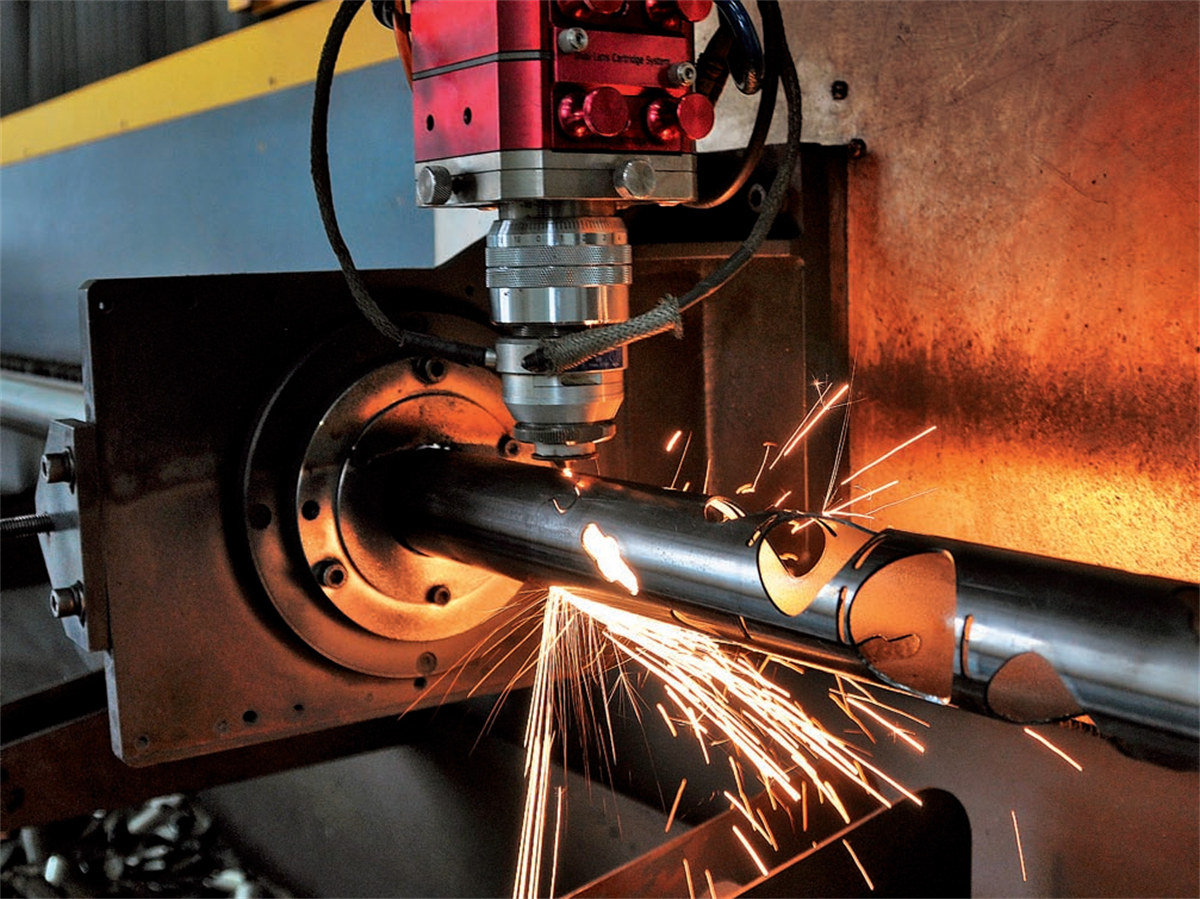
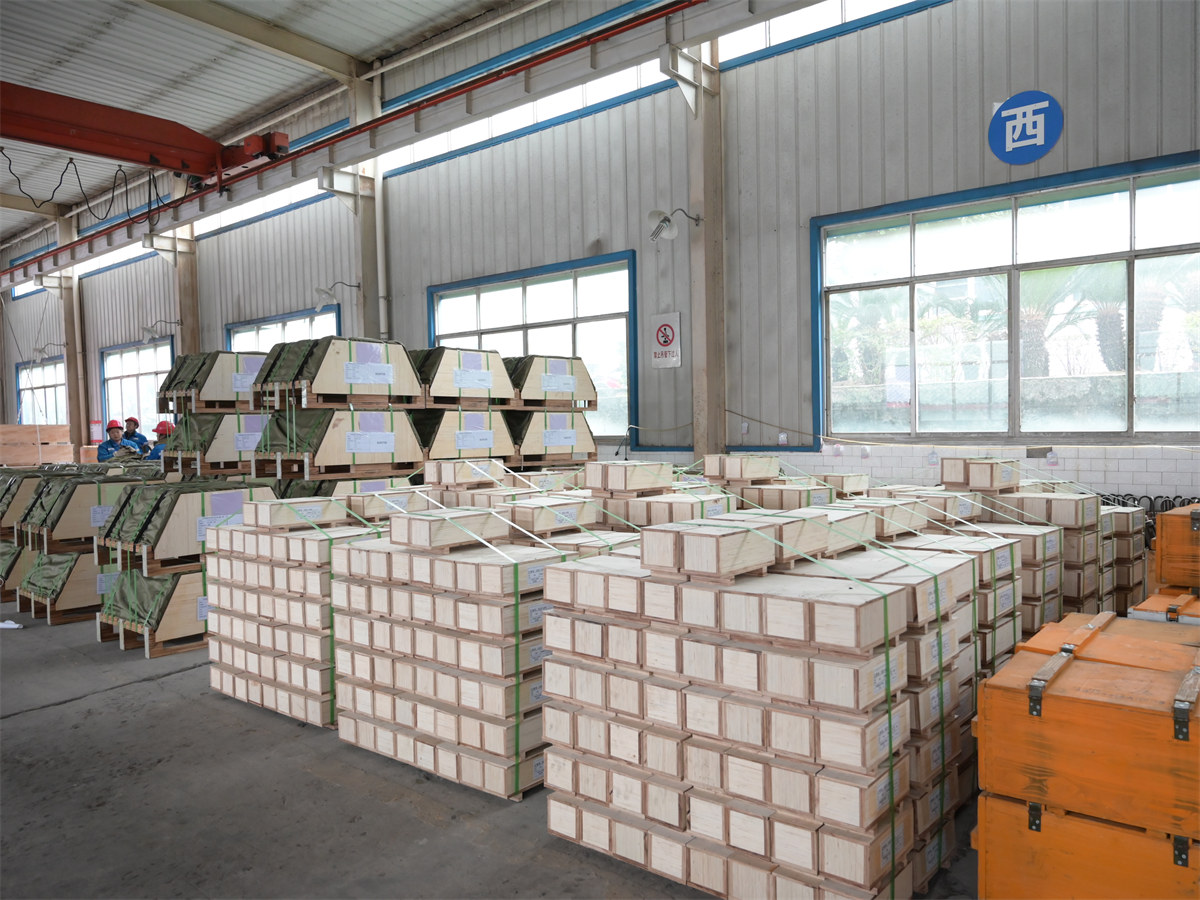
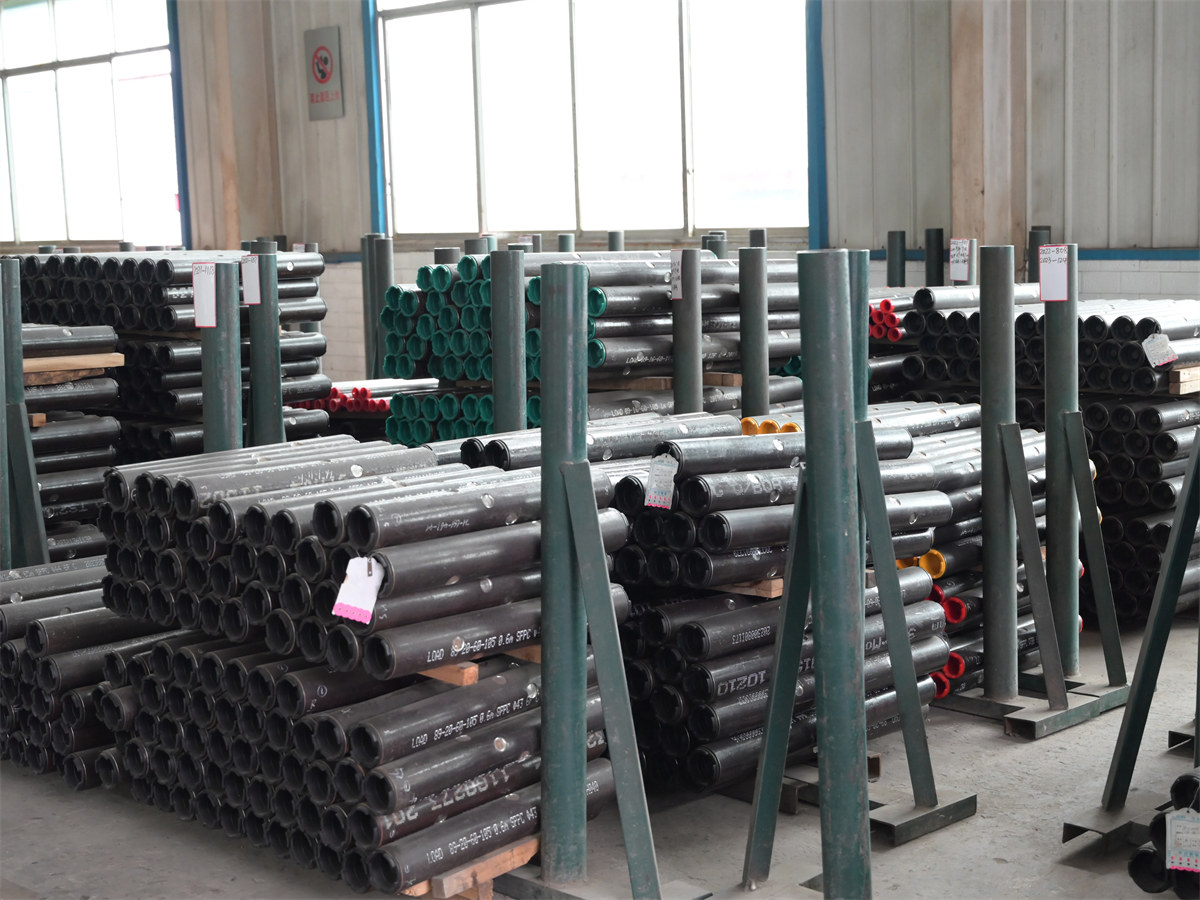
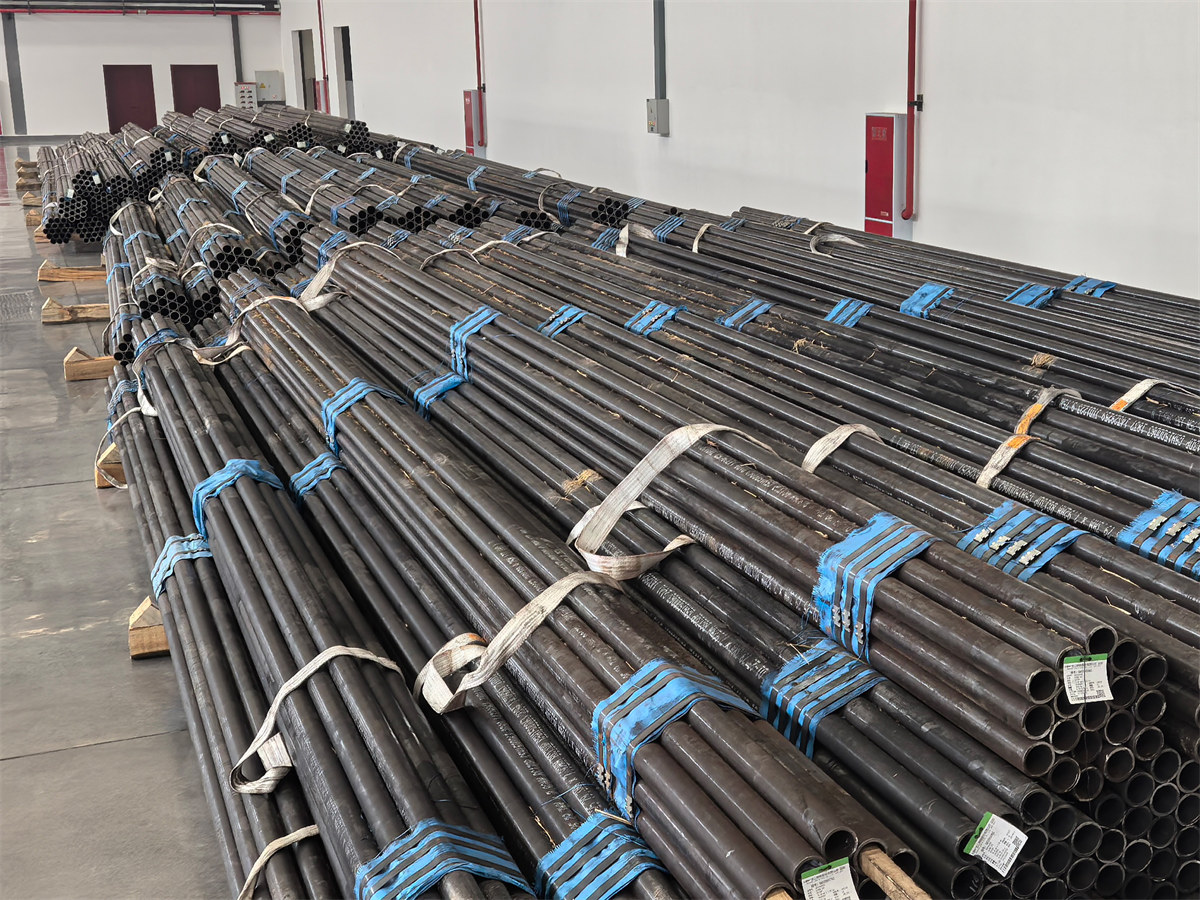
State-of-the-art manufacturing facilities dedicated to producing world-class perforating charges for sand control management.

At FYPE, we believe every well deserves precision, reliability, and excellence. Whether you require high-performance perforating charges for sand control management or dependable technical support, we are your trusted partner in the oil and gas industry.
Inquiry Now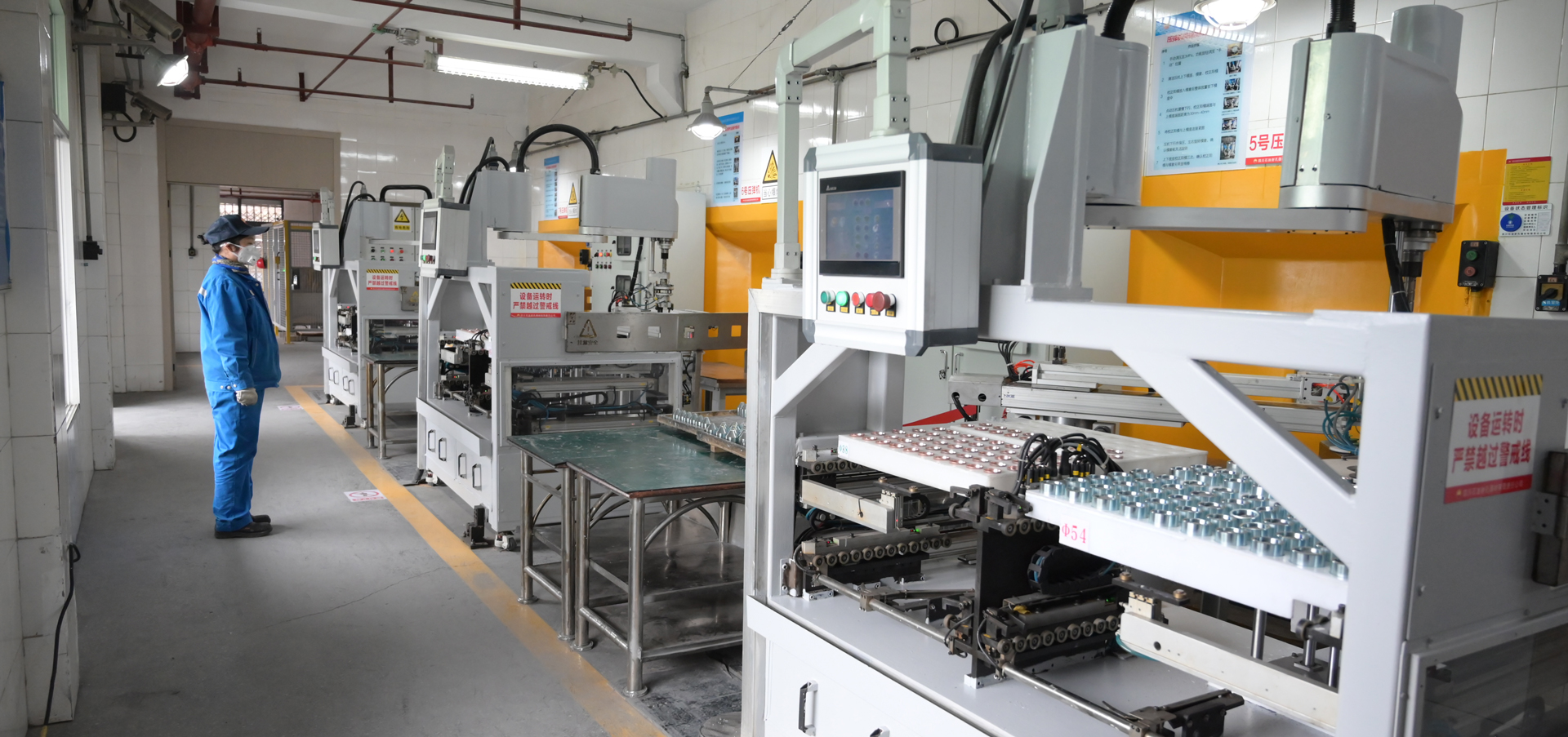
Explore our full range of perforating systems engineered for sand control management, well stimulation, and downhole completion excellence.