+86-15829394411
Leave Your Message
-
Contact WhatsApp
-
 Contact Phone
-
 Contact Email
Specialized perforating gun solutions engineered to create optimized flow channels for acid injection, ensuring maximum treatment coverage and reservoir stimulation efficiency.
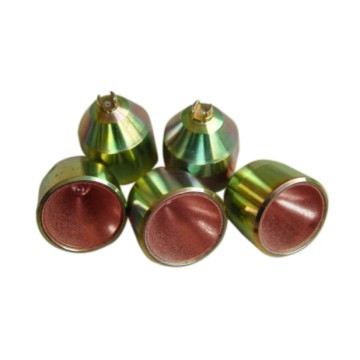
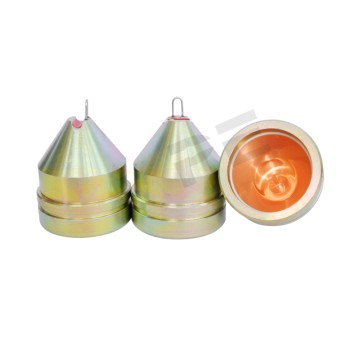
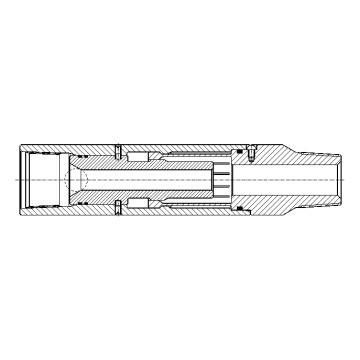
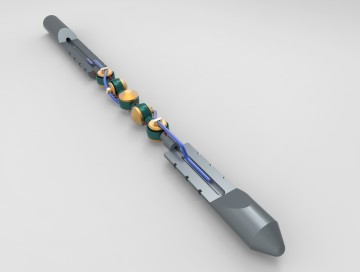
In modern oil and gas well completion and stimulation operations, the perforating gun for acidizing treatment access plays a pivotal and often underappreciated role. Unlike standard perforation operations aimed solely at establishing communication between the wellbore and the reservoir, perforating guns specifically configured for acidizing are engineered to create large-diameter, clean, and geometrically optimized entry points through casing, cement sheath, and into the formation. These entry points serve as the primary conduits through which acid — typically hydrochloric acid (HCl), hydrofluoric acid (HF), or proprietary acid blends — is injected under pressure to dissolve carbonate or silicate minerals, remove near-wellbore damage, and dramatically improve formation permeability.
The technical requirements for perforating guns used in acidizing applications differ significantly from those used in conventional completions or hydraulic fracturing. The perforation tunnels must be sufficiently large to minimize friction pressure during acid injection, reducing the risk of premature screenout and ensuring that acid is distributed evenly across the target interval. At the same time, the gun system must maintain mechanical integrity under high differential pressures, elevated temperatures, and the chemically aggressive downhole environment associated with acid treatments.
For acidizing treatment access, big hole shaped charges are the preferred choice. These charges create perforation diameters of 0.8 to 1.4 inches or more, significantly reducing near-wellbore tortuosity and enabling uniform acid distribution across all perforations — a decisive factor in achieving effective matrix acidizing and wormhole propagation into the reservoir.
The global oilfield services market for perforating systems is valued at several billion USD and continues to expand, driven by increasing demand for well stimulation in mature fields, unconventional resources, and deepwater developments. Within this market, the segment dedicated to acidizing-compatible perforating guns has seen accelerated growth over the past decade, particularly in carbonate-rich formations across the Middle East, North Africa, Southeast Asia, and Latin America.
Operators in Saudi Arabia, Iraq, Kuwait, and the UAE routinely deploy acidizing programs in limestone and dolomite reservoirs where matrix stimulation can yield production increases of 200–500% compared to unstimulated wells. The perforating gun system is the first and most critical link in this stimulation chain. A poorly designed or improperly executed perforation program will negate even the most sophisticated acid design, making the selection of the right perforating gun configuration a commercially significant decision.
China-based manufacturers such as Expetro Energy Service Co., Ltd. (FYPE) have emerged as competitive global suppliers of high-quality, API-compliant perforating systems tailored for acidizing applications. With production capacities exceeding 2.5 million shaped charges and 500,000 meters of perforating guns annually, these manufacturers offer cost-effective alternatives to traditional Western oilfield service giants, without compromising on technical performance or quality assurance standards.
The relationship between perforation entry hole diameter and acid injectivity is well-established in petroleum engineering literature. Larger entry holes reduce the pressure drop across the perforation, allowing more acid to enter the formation at lower pump pressures. This is especially important in matrix acidizing, where the treatment pressure must remain below the formation fracture pressure. Big hole shaped charges, designed with reduced penetration depth but maximized entry diameter, are the standard choice for acidizing perforating guns.
Shot density (shots per foot, or SPF) and phasing angle directly influence how uniformly acid contacts the formation. For acidizing applications, operators typically select 4–6 SPF with 90° or 120° phasing to maximize the number of discrete acid entry points while minimizing perforation stress shadowing effects. The perforating gun must be capable of delivering consistent charge performance at each shot position, requiring precise manufacturing tolerances and rigorous quality control.
One of the most significant technological advances in acidizing-oriented perforating is the development of self-cleaning perforating systems. Traditional perforation events generate crushed rock, compacted debris, and charge liner material that can partially or completely block the perforation tunnel, severely limiting acid entry. Self-cleaning perforating guns incorporate design features — including high-energy propellant charges and specialized charge geometries — that use the detonation energy to simultaneously perforate and clear the tunnel, resulting in open, debris-free entry points that are immediately accessible to injected acid.
In many mature field applications, acidizing treatment is required on wells that have already been completed and are producing. In these scenarios, through-tubing perforating (TTP) guns — slim, compact systems that can be deployed through the production tubing without requiring workover operations — are essential. TTP guns for acidizing must balance the constraints of reduced outer diameter with the need for adequate perforation size to support acid treatment. Advances in shaped charge design have enabled TTP systems to deliver entry hole diameters approaching those of full-bore guns, making post-completion acidizing increasingly feasible and cost-effective.
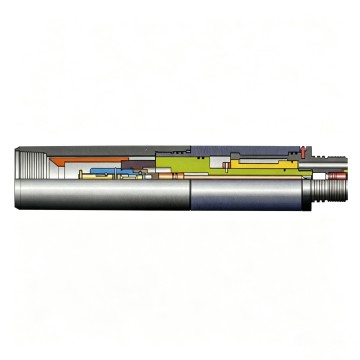
The pressure gun release device is a critical safety and operational component in acidizing perforating assemblies. It allows the perforating gun to be released from the bottomhole assembly using wellbore pressure rather than mechanical manipulation, enabling operators to isolate the gun from the acid treatment string quickly and safely — reducing rig time and minimizing the risk of stuck pipe incidents during aggressive acid treatments.
The perforating gun industry is undergoing rapid technological evolution, with several trends directly impacting acidizing treatment access applications:
In limestone and dolomite formations, matrix acidizing with HCl creates wormholes — highly conductive channels extending deep into the reservoir. The success of wormhole propagation depends critically on having clean, large-diameter perforation tunnels that allow acid to enter the formation without excessive near-wellbore pressure drop. Perforating guns equipped with big hole shaped charges and self-cleaning features are the optimal solution for this application.
Sandstone formations treated with mud acid (HCl/HF blends) require perforations that can withstand the highly corrosive chemical environment while maintaining tunnel integrity during the treatment. Perforating gun materials and charge liner compositions must be selected to resist acid attack, and the perforation geometry must support the multiple-stage acid treatment sequences typical of sandstone stimulation programs.
Horizontal wells in carbonate reservoirs are increasingly stimulated using multi-stage acidizing programs, where perforating guns are used to create discrete perforation clusters along the horizontal section. Each cluster is then isolated using mechanical packers or ball-activated diverters, and acid is pumped sequentially through each cluster. The perforating gun system must deliver consistent performance across all stages, with precise depth control and reliable firing systems to ensure that every cluster is effectively stimulated.
Deepwater reservoirs and HPHT wells present extreme challenges for perforating gun systems. Guns deployed in these environments must withstand pressures exceeding 20,000 psi and temperatures above 200°C, while still delivering the large-diameter, clean perforations required for effective acidizing. Advanced metallurgy, precision engineering, and rigorous pressure testing are essential requirements for guns used in these applications.
The global oilfield services sector is evolving rapidly. Here are the key forces driving innovation in perforating guns for acidizing treatment access.
Over 60% of the world's proven oil reserves reside in carbonate formations, where acidizing is the primary stimulation method. Demand for specialized acidizing perforating guns is growing fastest in the Middle East, North Africa, and Southeast Asia.
Machine learning algorithms are being applied to historical well data to predict optimal perforation parameters — including charge type, shot density, and phasing — for maximum acid coverage and production uplift in acidizing operations.
The industry is moving toward dissolvable gun components and environmentally optimized charge formulations, reducing wellsite waste and enabling single-trip perforate-and-acidize operations that cut costs and environmental footprint.
Smart perforating systems with embedded sensors transmit real-time firing confirmation, pressure, and temperature data to surface, enabling immediate acid treatment adjustments and dramatically improving stimulation outcomes.
API Q1-certified Chinese manufacturers are capturing growing market share in global acidizing perforating supply chains, offering comparable technical performance at 20–40% lower cost than legacy Western suppliers.
Modular wireline gun architectures allow rapid wellsite reconfiguration of shot density, phasing, and charge type — giving operators the flexibility to optimize acidizing perforation programs in real time as formation data evolves.
Expetro Energy Service Co., Ltd. (FYPE) is a leading manufacturer of downhole perforating systems in China, dedicated to the research, development, and production of shaped charges, perforating guns, and associated accessories for oil and gas completions.
Equipped with state-of-the-art automated production and inspection lines, we deliver over 2.5 million shaped charges and 500,000 meters of perforating guns annually — meeting diverse customer requirements across the global market. Every stage of our production process strictly adheres to the API Q1 Quality Management System.
This unwavering commitment to quality, innovation, and customer satisfaction has established FYPE as a trusted partner in the global energy sector. To date, our products have served customers in 38 countries worldwide and consistently earn positive feedback for performance and reliability.

Four pillars that make FYPE the preferred supplier of perforating guns for acidizing treatment access globally.
Our professional inspection team operates under a quality management system certified to API Q1 and ISO 9001 standards, ensuring product reliability and superior performance in every delivery.
Our automated production lines ensure product consistency and enhance productivity. Daily capacity of shaped charges can reach 10,000. The perforating gun production line can meet the processing of 100+ types with different specifications.
Our lab carries out real-core target tests in simulated reservoirs, ultimate pressure resistance tests on perforation tools, and explosion mechanism tests on shaped charges — ensuring optimal performance in acidizing environments.
With nearly 20 years of export experience across 38 countries, we deeply understand global market demands and deliver trusted, tailored solutions for acidizing treatment access applications worldwide.
To date, our products have served customers in 38 countries worldwide and consistently earn positive feedback for performance and reliability.
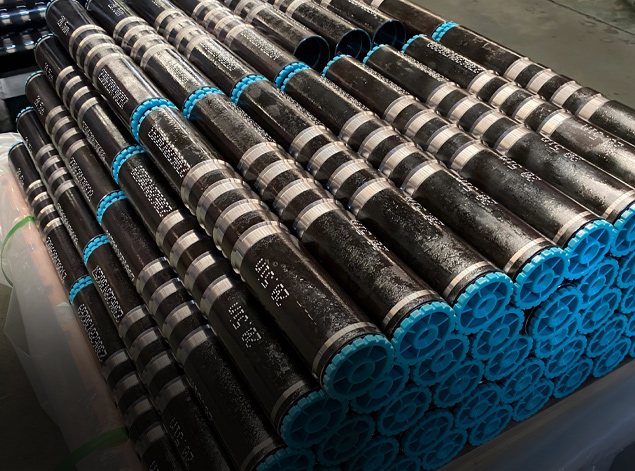
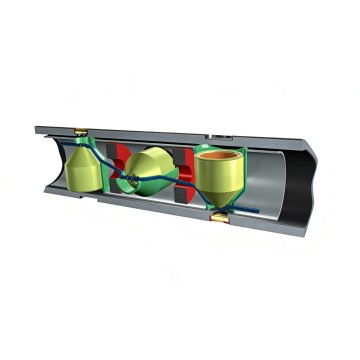
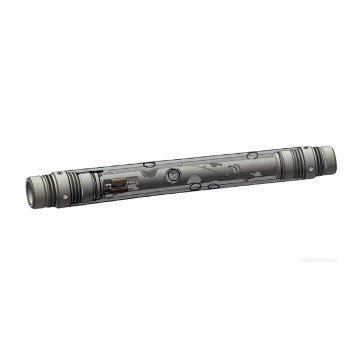
Instead of scallops, it can shoot regardless of the charge tube's angular position — ideal for uniform acid entry point distribution.
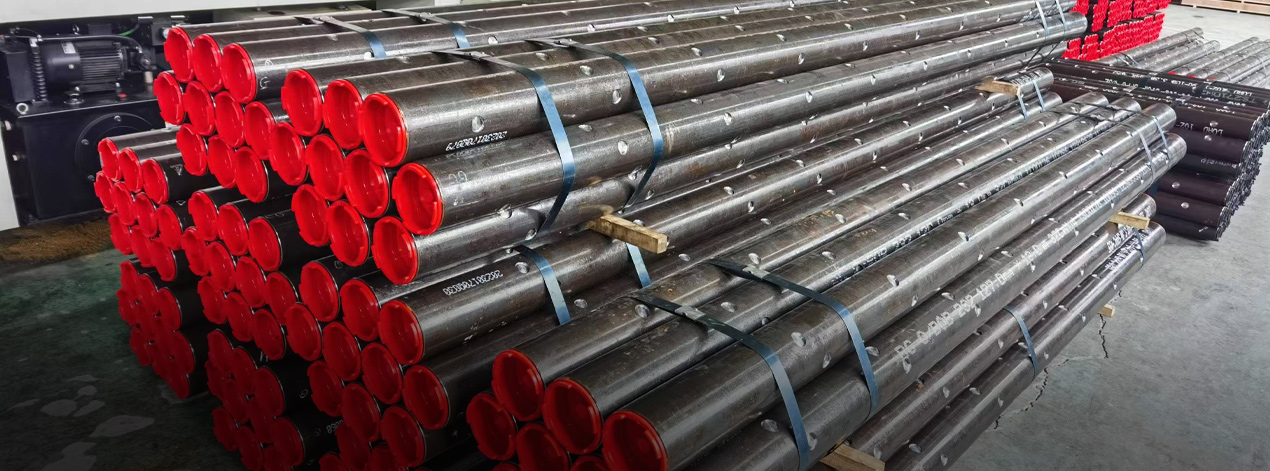
Provides deep penetration and high shot density, maximizing acid contact area with the reservoir formation.
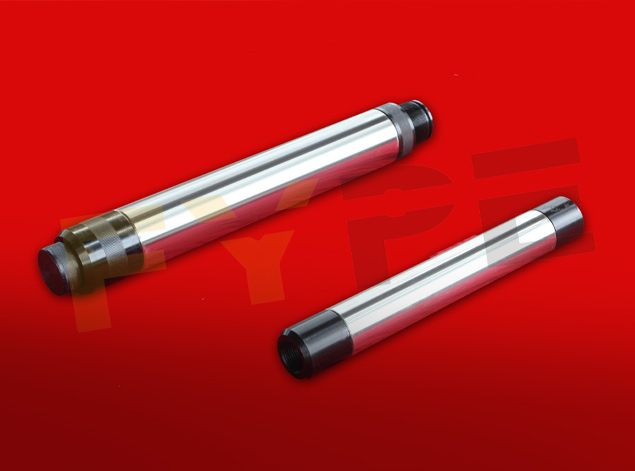
Detects casing collars for precise depth correlation in wells, ensuring acidizing perforations are placed in the optimal zone.
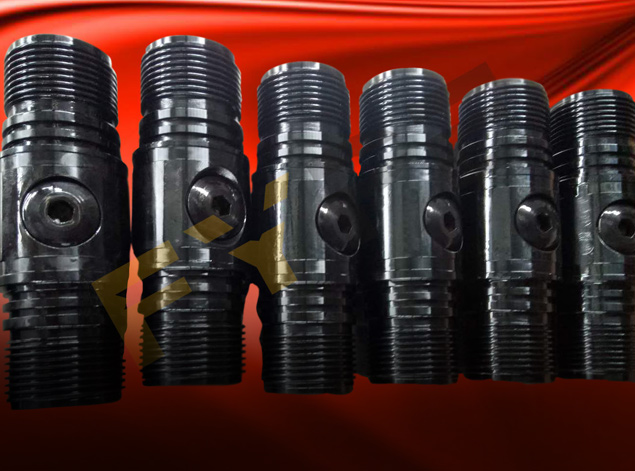
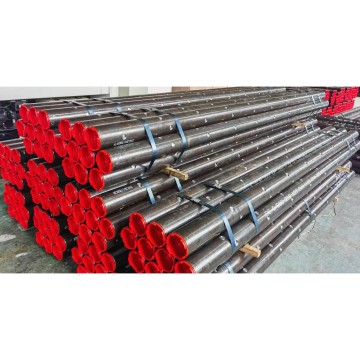
Connecting components used in perforating systems, engineered for chemical resistance in acidizing downhole environments.
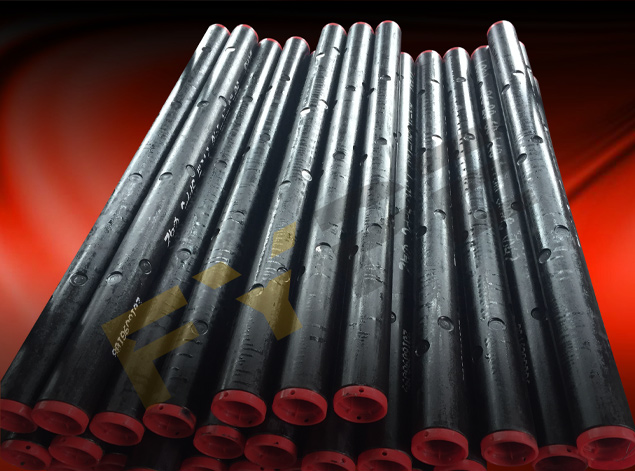
Designed for compact spaces and limited depth perforation, enabling targeted acidizing in thin pay zones.
State-of-the-art manufacturing facilities delivering precision perforating guns for acidizing treatment access applications worldwide.
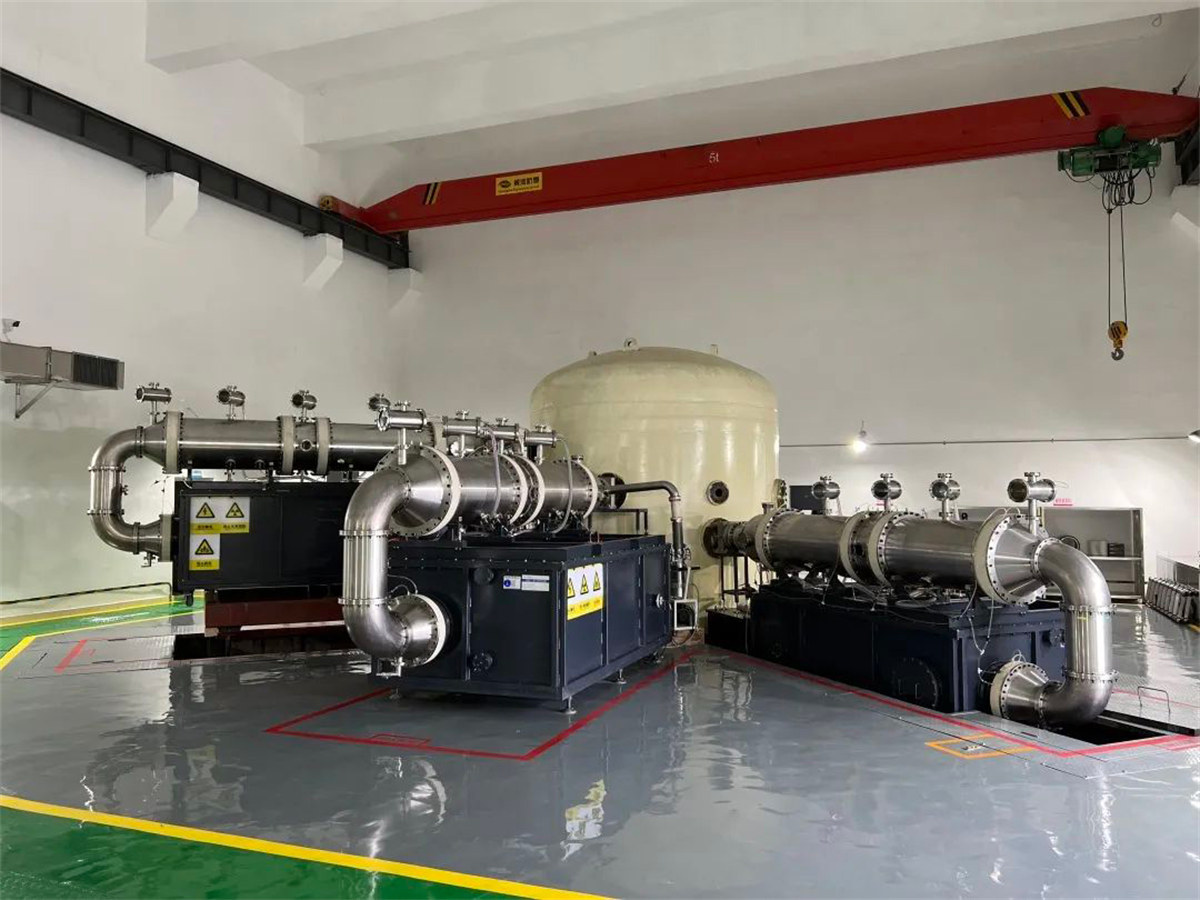
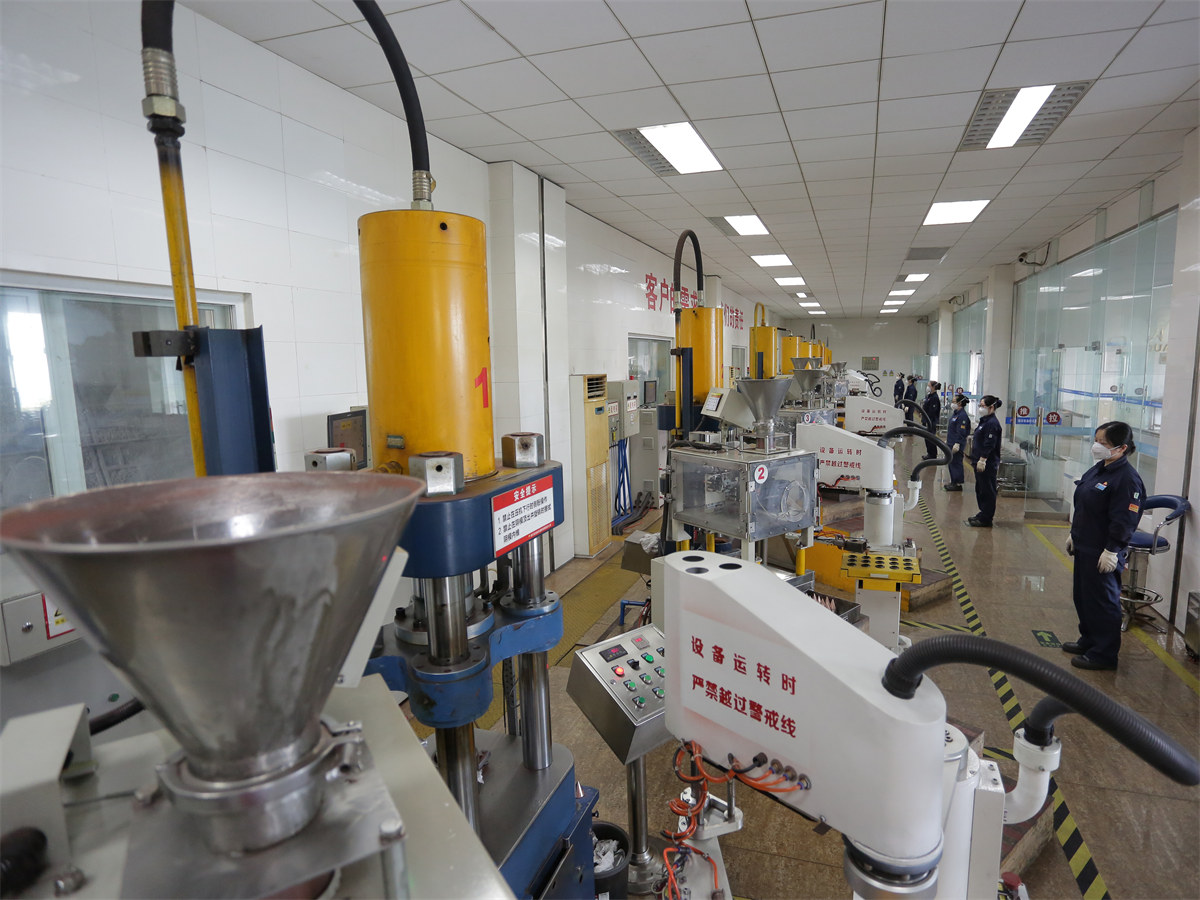








Explore our full lineup of perforating systems and accessories engineered for acidizing treatment access, fracturing, and multi-stage completion operations.
At FYPE, we believe every well deserves precision, reliability, and excellence. Whether you require high-performance perforating tools for acidizing treatment access or dependable technical support, we are your trusted partner in the oil and gas industry. Our team is ready to provide customized perforating solutions that maximize your acidizing treatment effectiveness and overall well productivity.
Inquiry Now