+86-15829394411
Leave Your Message
-
Contact WhatsApp
-
 Contact Phone
-
 Contact Email
Explore our premier perforating assemblies designed specifically for barrier evaluation, cement bond verification, and stage-by-stage zonal hydraulic containment testing.
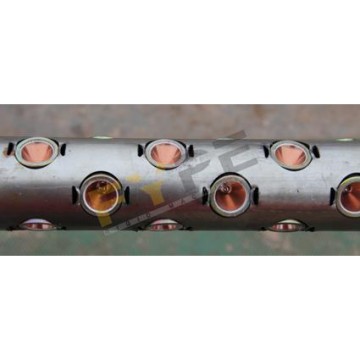
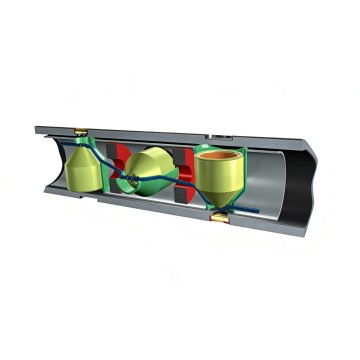
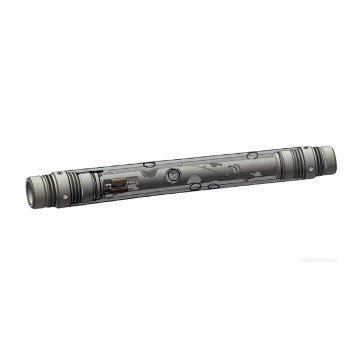
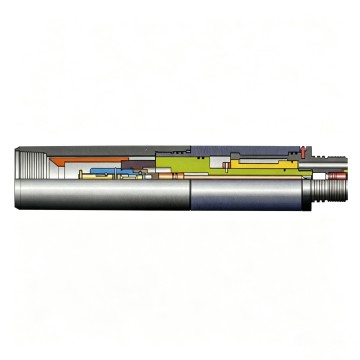
In contemporary hydrocarbon extraction, deepwater completions, and Carbon Capture, Utilization, and Storage (CCUS) programs, zonal isolation testing represents the single most critical safeguard against catastrophic cross-formational communication. The integration of high-performance perforating guns into isolation testing workflows is engineered to confirm whether annular cement sheaths and mechanical packers have achieved an impermeable hydraulic barrier.
When testing behind-casing integrity or performing Diagnostic Fracture Injection Tests (DFIT), conventional perforators risk inducing micro-fractures in the fragile cement sheath. If an explosive shockwave shatters the cement matrix beyond the target horizon, it inadvertently compromises the very isolation the operator is attempting to verify. Modern zonal isolation testing requires customized perforating gun assemblies characterized by attenuated radial acoustic shockwaves, uniform burr-free entry holes, and controlled dynamic pressure transients.
Unintended gas migration through degraded cement annuli costs the global industry billions annually. Precision perforating enables surgical diagnostic access to annulus 'B' and 'C' to pressure-test barriers and inject remedial micro-fine polymer cement.
Stringent regulatory mandates (e.g., API Standard 65-2, BSEE regulations) demand indisputable verification of environmental barriers prior to plug and abandonment, making reliable isolation perforating tools a worldwide operational imperative.
Balancing clean perforation penetration with the physical preservation of surrounding cement sheaths and host casing strings requires advanced ballistic science.
Explosive detonation inside a hollow-carrier perforating gun generates instantaneous gas expansion and high-frequency shock waves. In zonal isolation testing, scalloped wall thicknesses and internal attenuation sleeves absorb explosive rebound, preventing radial shattering of adjacent cement barriers.
Casing burrs generated around the inner diameter of entry holes can damage inflatable test packers and bridge plug elastomers during isolation testing. Specialized powdered-metal liners and scalloped geometry ensure clean, near-zero-burr penetrations that protect testing assemblies.
Rather than standard helical patterns that propagate stress fractures in all directions, isolation testing utilizes selective zero-degree, 60-degree, or 180-degree oriented phasing. This concentrates hydrodynamic jets directly into diagnostic flow paths without degrading casing collapse strength.
During the execution of negative pressure isolation tests, drill stem testing (DST), or DFIT diagnostic sequences, the mechanical response of the wellbore casing string and cement bond is governed by dynamic elastic-plastic deformation. High-yield shaped charges emit hyper-velocity metal jets traveling at velocities exceeding 7,000 m/s. When this jet pierces the casing wall, substantial transient pressures radiate outward. If the perforating gun does not feature precision-engineered charge clearances and heavy-wall alloy carrier construction, hoop stress concentrations will induce tensile failure in brittle cement.
By utilizing calibrated charge cases, high-grade tempered alloy steel (such as 32CrMo4 or 4140 steel hardened to API specifications), and specialized scallop indentations, our perforating gun bodies contain up to 92% of the explosive mechanical shock inside the gun body. This guarantees that only the directed kinetic energy of the shaped charge jet interacts with the cement sheath, forming a smooth, uniform cylindrical tunnel straight into the geological formation or target annulus without destabilizing the hydraulic seal.
How our perforating gun technologies solve complex barrier integrity challenges across the full life cycle of high-risk oil, gas, and energy transition wells.
DFIT requires creating discrete, highly controlled entry points to measure reservoir pore pressure, fluid leak-off coefficients, and minimum in-situ horizontal stress without initiating erratic hydraulic fractures along the borehole axis. Modular short-gun assemblies deliver targeted 1-to-2 foot perforating intervals that eliminate tortuosity and provide pristine pressure breakdown curves.
When anomalous pressure builds up in intermediate or surface casing strings, engineers must identify whether gas is leaking from a shallow gas sand or migrating through micro-annuli. Our oriented perforating guns pinpoint the specific geological or mechanical interval, permitting selective swab testing, fluid analysis, and precision squeeze cementing.
Carbon storage reservoirs demand permanent caprock barrier integrity over hundreds of years. Perforating guns deployed in CO₂ injection wells must pass extreme corrosion tests and penetrate casing strings without micro-fracturing the low-permeability caprock boundary, verifying hermetic containment before large-scale injection commences.
During mature field decommissioning (P&A), operators must place monolithic cement plugs across multiple casing strings. Specialized deep-penetrating coaxial guns slice through concentric casings and cement sheaths simultaneously, enabling high-rate resin circulation and environmental sealing to permanently prevent sea-bed methane discharge.
Testing hydraulic integrity using straddle packer systems requires perforation clusters with minimal casing deformation. If the gun bulges or distorts the casing outer diameter, packer seals cannot seat effectively. Our rigid, non-swelling hollow carrier guns leave the inner casing wall completely smooth and true to gauge.
Operating at pressures above 15,000 psi and temperatures exceeding 175°C (350°F), deepwater smart completions require extreme reliability. Our high-temperature explosive charges (HNS/PYX) maintain stability for over 100 hours of downhole soak time, ensuring flawless execution during extensive isolation verification runs.
Comprehensive technical data for selecting the optimal perforating gun configuration for diagnostic barrier and zonal isolation operations.
| Perforator System Type | Gun Outer Diameter (in.) | Shot Density (SPF) | Phasing Options | Pressure Rating (psi) | Primary Zonal Isolation Application |
|---|---|---|---|---|---|
| Coaxial Radial Carrier | 2.75" – 3.375" | 6 / 12 / 16 SPF | 360° Radial Balanced | 18,000 – 22,000 | Micro-Annulus Squeeze, 360° Bond Log Testing |
| Wireline Modular Isolation | 1.687" – 2.50" | 1 – 6 SPF | 0° / 180° Linear | 15,000 – 20,000 | Precise Collar Depth Correlation, Inflatable Packer Testing |
| Scalloped High-Strength Heavy Wall | 3.125" – 4.50" | 4 / 5 / 6 SPF | 60° / 90° / 120° | 20,000 – 25,000 | HPHT Deepwater Barrier Validation, Multi-Stage Fracturing |
| Band Minimal-Deformation Gun | 2.00" – 3.375" | 4 – 8 SPF | Spiral / Custom Array | 16,000 – 19,000 | Compact Space Diagnostics, Directional Casing Integrity |
| Through-Tubing Retrievable | 1.375" – 2.125" | 4 / 6 SPF | 0° Phased In-Line | 12,000 – 15,000 | Remedial Workover Testing via Production Tubing |
| Horizontal Oriented Carrier | 2.75" – 3.375" | 4 / 6 SPF | Gravity-Oriented (Up/Down) | 18,000 – 22,000 | Horizontal Well Heel/Toe Isolation, DFIT Stress Testing |
Expetro Energy Service Co., Ltd. (FYPE) combines decades of metallurgical mastery with automated ballistic manufacturing to guarantee flawless well integrity performance.
Our dedicated inspection team enforces uncompromising quality governance, testing every heat lot of steel for tensile yield, Charpy V-notch impact toughness, and metallurgical uniformity under rigorous API standards.
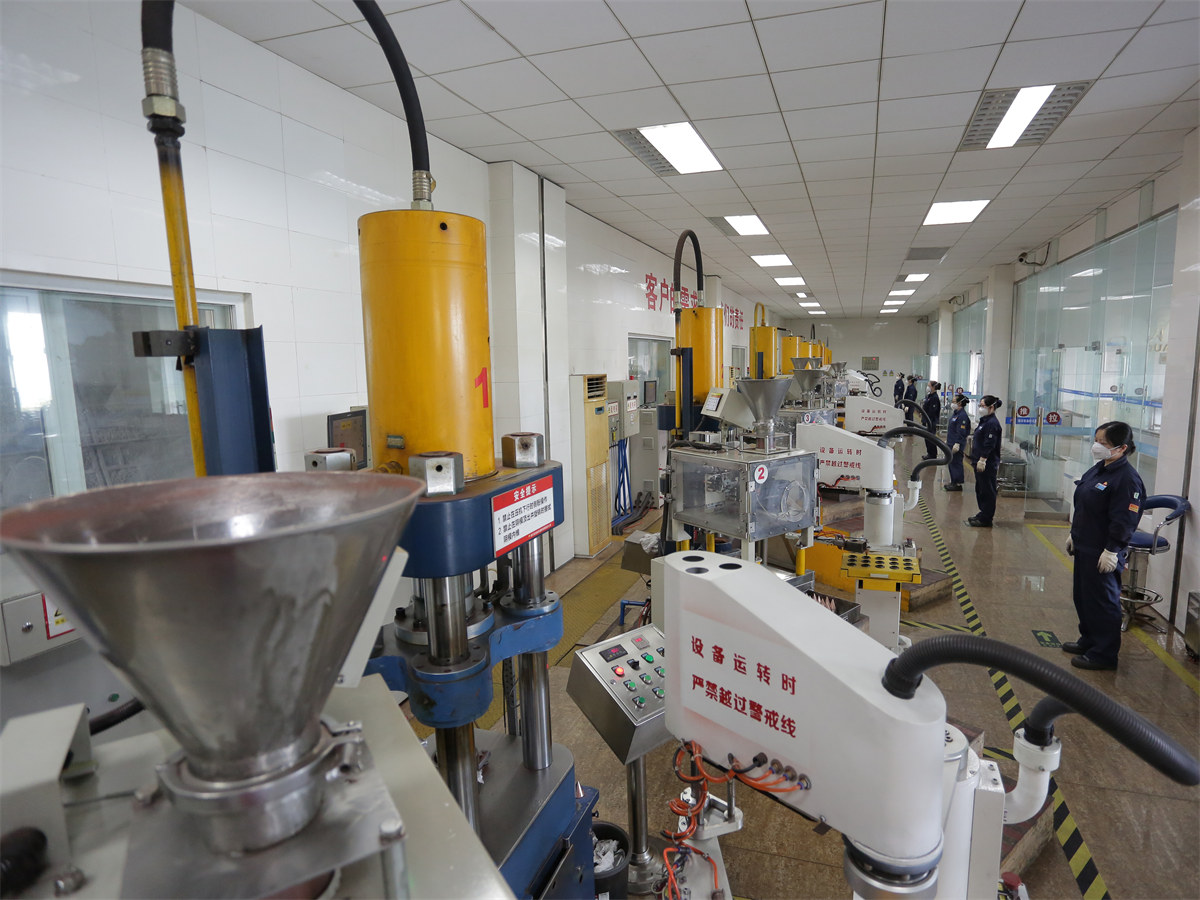
Multi-axis CNC turning and robotic charge assembly lines ensure immaculate hole tolerances and scallop depth repeatability. Daily capacity exceeds 10,000 shaped charges and covers 100+ gun specifications.
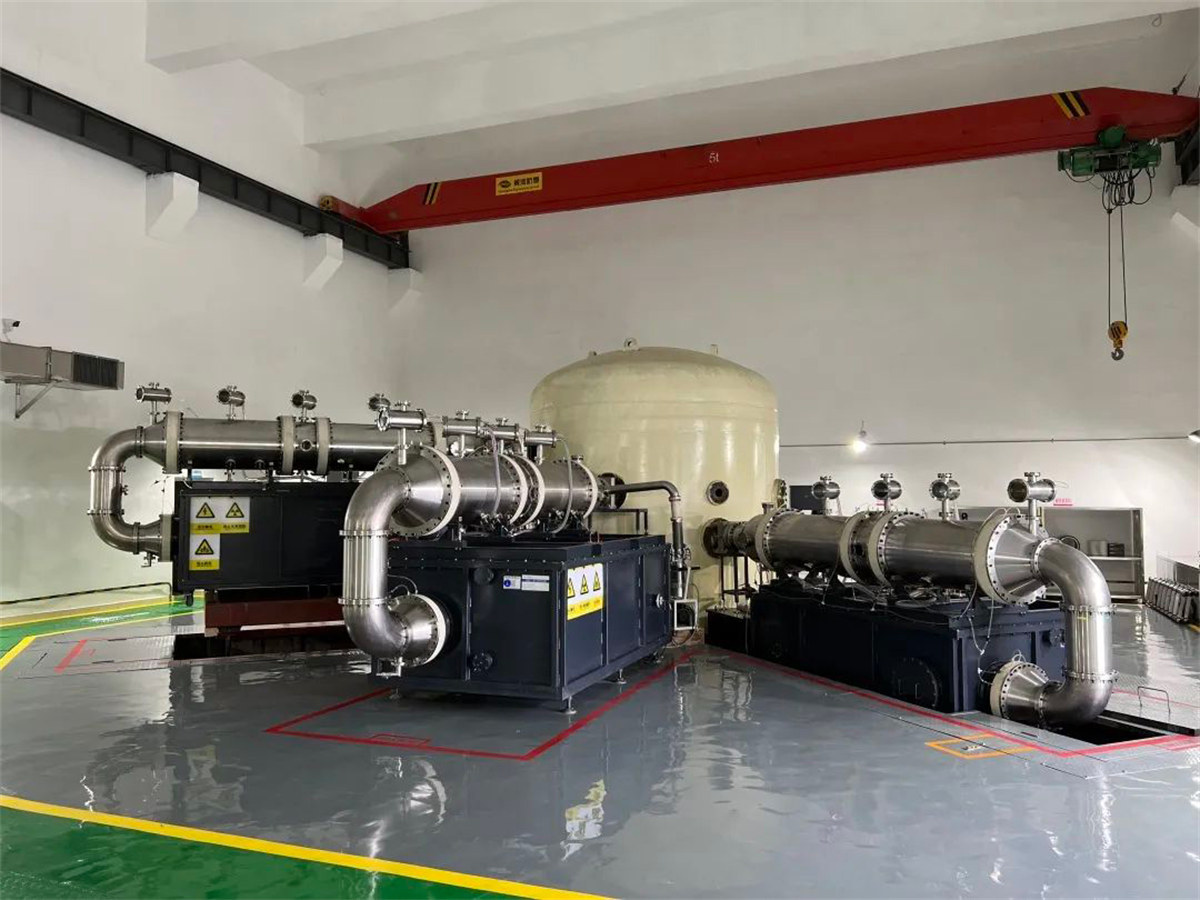
Equipped with hydro-pressurized API RP 19B Section 1 and Section 4 testing vessels, our lab simulates genuine downhole reservoir stress, evaluating shock wave transmission against pressurized concrete core targets.
With nearly two decades of international logistics and engineering support, our completion solutions operate reliably in North America, the Middle East, Southeast Asia, Central Asia, and offshore basins.
Expetro Energy Service Co., Ltd. (FYPE) is a premier manufacturer of downhole perforating systems in China, dedicated to the research, development, and advanced manufacturing of shaped charges, perforating guns, and associated completion accessories for oil, gas, and geothermal operations.
Equipped with state-of-the-art automated production and inspection lines, we deliver over 2.5 million shaped charges and 500,000 meters of perforating guns annually — fulfilling demanding technical requirements across deepwater, shale gas, and mature field redevelopment projects.
Every phase of our production process strictly complies with the API Q1 Quality Management System. This persistent pursuit of mechanical precision, safety, and field reliability has positioned FYPE as a preferred partner for international oil companies and service providers worldwide.
Explore our best-selling hardware assemblies, proven across rigorous completions and diagnostic isolation operations in 38 countries.
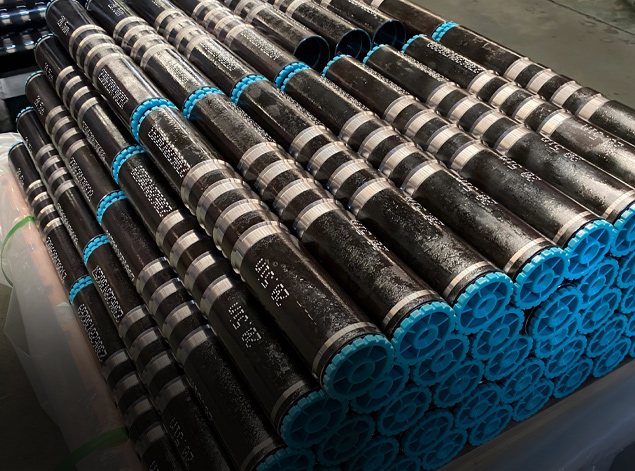
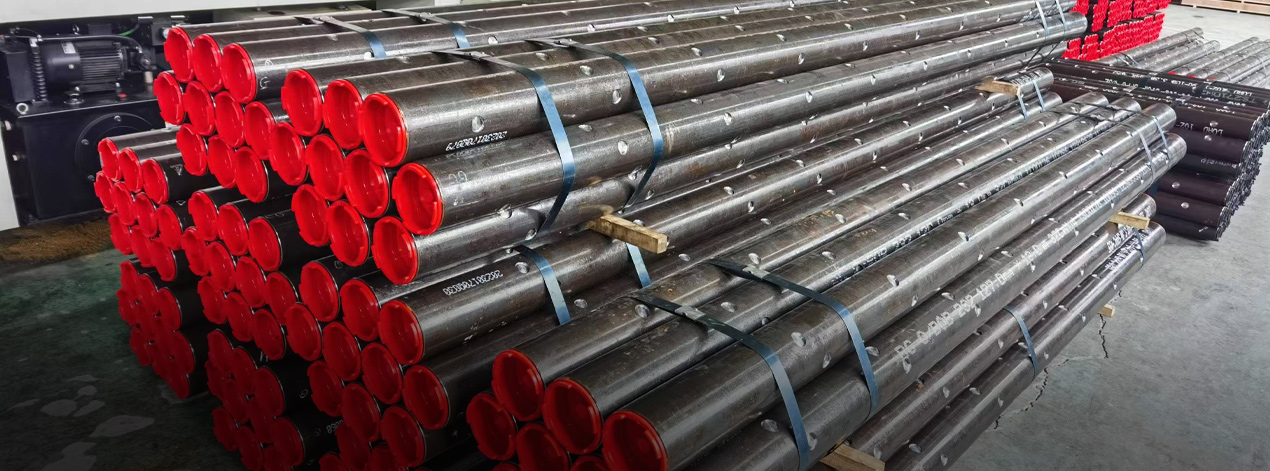
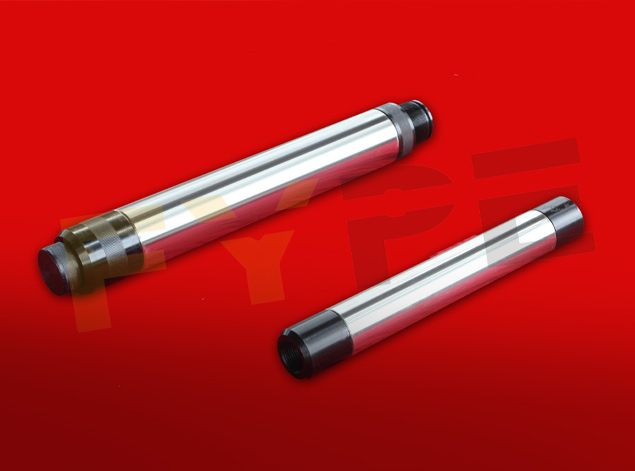
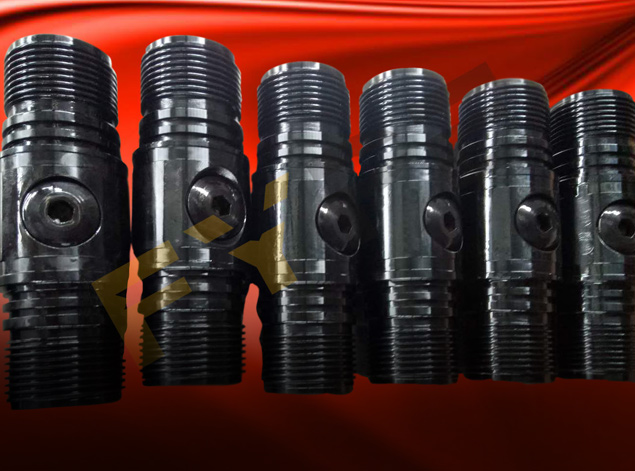
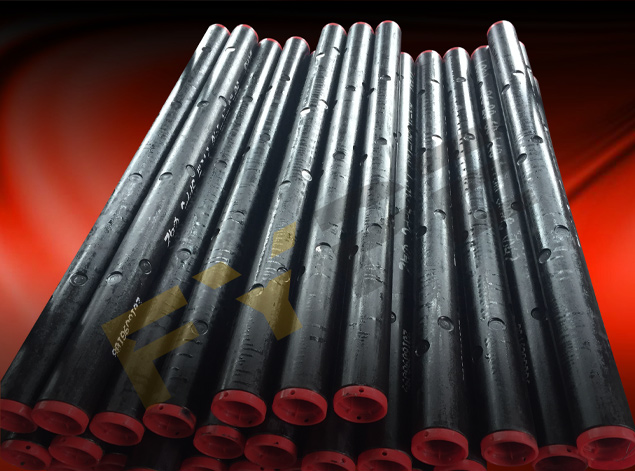
Take a look inside our high-precision manufacturing, testing facilities, automated lines, and metallurgical labs.









At FYPE, we believe every well deserves precision, reliability, and excellence. Whether you require high-performance perforating tools for barrier diagnosis, cement squeeze operations, or dependable technical support, we are your trusted partner in the oil and gas industry.
Inquiry Now →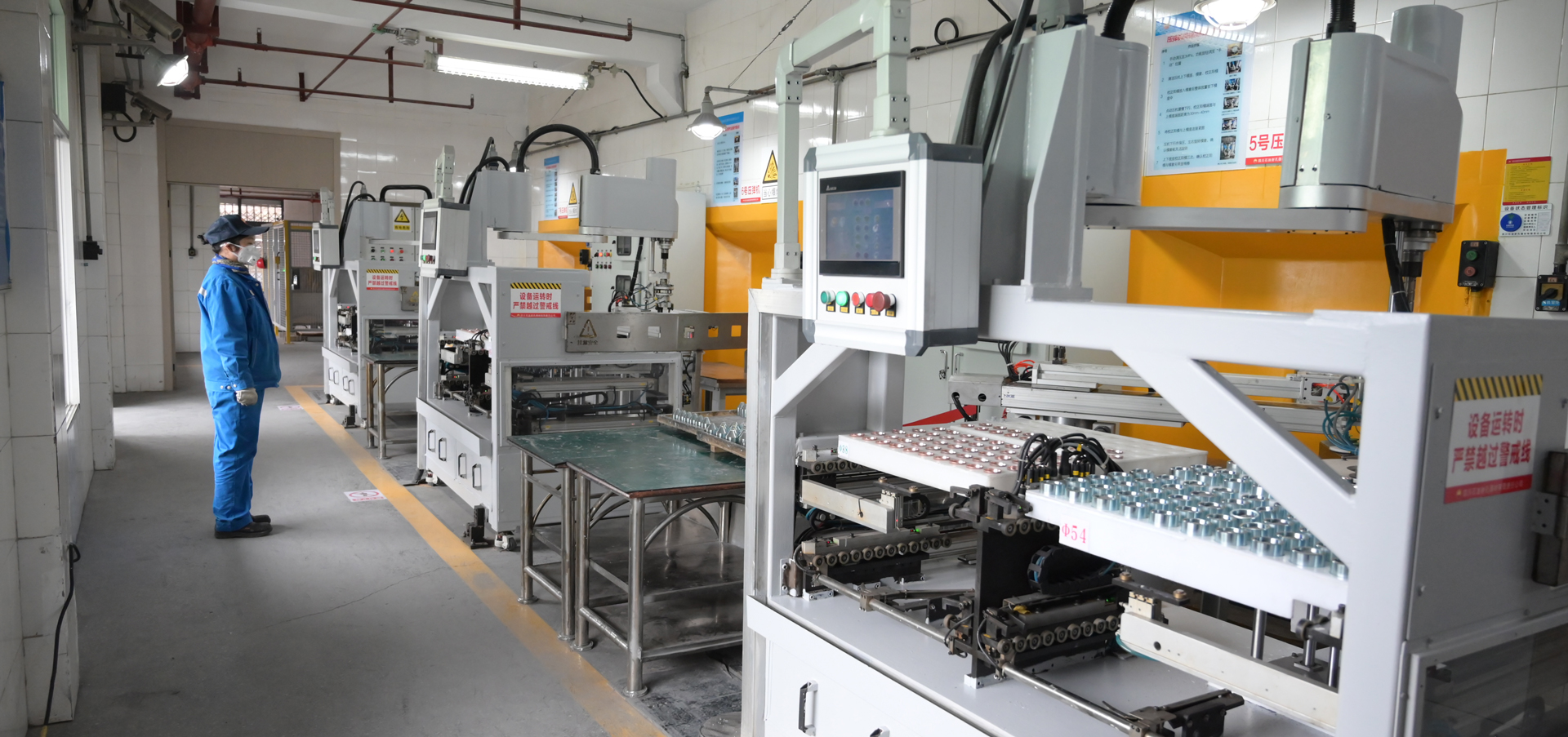
All eight industry-proven perforating gun architectures engineered for standard production, multi-stage fracturing, and specialized zonal isolation testing.