+86-15829394411
Leave Your Message
-
Contact WhatsApp
-
 Contact Phone
-
 Contact Email
Precision-engineered tools designed to establish optimal wellbore-to-reservoir connectivity in every completion environment.
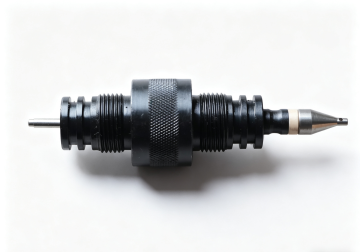
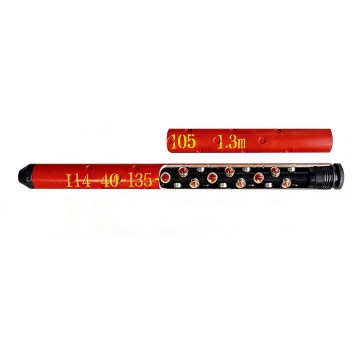
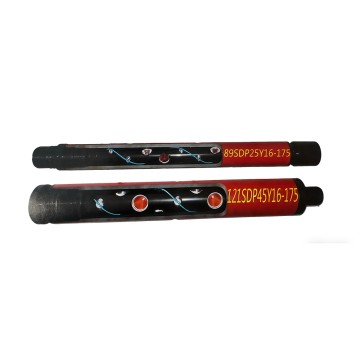
A perforating operation is one of the most critical stages in oil and gas well completion. It involves the use of shaped explosive charges to create a series of precisely positioned tunnels — known as perforations — through the steel casing, cement sheath, and into the surrounding reservoir rock. These perforations serve as the primary conduits for hydrocarbons to flow from the formation into the wellbore, ultimately reaching the surface for production.
Without effective perforating, even a geologically rich reservoir cannot be economically exploited. The geometry, depth, density, and phasing of perforations directly govern wellbore productivity, skin damage, and the efficiency of subsequent stimulation treatments such as hydraulic fracturing. As global energy demand continues to rise and reservoirs become increasingly complex — deeper, hotter, higher pressure, and tighter — the engineering precision of perforating operations has never been more consequential.
The global perforating systems market has grown into a multi-billion-dollar segment of the oilfield services industry. Driven by the surge in unconventional resource development — including shale gas, tight oil, and deepwater plays — demand for high-performance perforating tools has intensified significantly over the past decade.
Key market dynamics include:
China's domestic perforating manufacturing sector has matured rapidly, with leading companies now exporting certified products to over 38 countries across the Middle East, Central Asia, Southeast Asia, Africa, and Latin America. This global expansion reflects not just cost competitiveness, but genuine advances in metallurgy, explosive formulation, and precision machining.
Next-generation perforating tools increasingly integrate real-time downhole sensors, telemetry, and automated firing control. These smart systems enable operators to confirm perforation depth, monitor wellbore conditions, and optimize firing sequences — all from the surface — dramatically reducing risk and non-productive time.
Material science innovation is driving the development of shaped charges with enhanced jet penetration characteristics, reduced formation damage, and superior performance in high-abrasion or carbonate environments. Composite liner materials and novel explosive formulations are extending the performance envelope of conventional perforating charges.
Leading manufacturers now employ computational fluid dynamics (CFD) and finite element analysis (FEA) to simulate perforation tunnel geometry and formation response before a single charge is fired. Digital twin modeling allows engineers to predict productivity index improvements and optimize perforation parameters for specific reservoir conditions.
Environmental regulations and operational efficiency demands are pushing the industry toward self-cleaning perforating systems and low-debris gun designs that minimize wellbore contamination, reduce post-perforation cleanout time, and lower the overall environmental footprint of completion operations.
As operators push into deeper, hotter reservoirs — particularly in the Middle East, Gulf of Mexico, and Asia Pacific — demand for tools rated to 200°C+ and 20,000 psi+ is accelerating. New sealing technologies, high-temperature explosive formulations, and advanced gun body alloys are enabling reliable operations in previously inaccessible environments.
The industry is moving toward fully integrated completion assemblies where perforating guns, packers, valves, and stimulation tools are engineered as a unified system. This integration reduces run-in-hole time, minimizes connection points (and associated failure modes), and enables more complex completion architectures in a single trip.
Perforating operations for establishing wellbore communication span a remarkably diverse range of technical environments and completion strategies.
In conventional sandstone or carbonate reservoirs, perforating guns are deployed via wireline or tubing-conveyed methods to create perforations across the productive pay interval. Optimal shot density (typically 4–16 shots per foot) and phasing (60°, 90°, or 120°) are selected based on reservoir characterization data to maximize inflow while minimizing sand production and near-wellbore damage.
In shale and tight formation development, cluster perforating along extended horizontal laterals is the cornerstone of multi-stage hydraulic fracturing. Perforation cluster design — spacing, number of clusters per stage, and limited-entry techniques — directly controls fracture geometry, treatment pressure, and ultimately, the estimated ultimate recovery (EUR) of the well.
Subsea perforating operations present unique challenges: extreme hydrostatic pressures, limited intervention access, and the imperative for single-trip success. Tubing-conveyed perforating (TCP) systems with through-tubing deployment are standard, with HTHP-rated gun systems and redundant firing systems ensuring reliable wellbore communication even in the most demanding subsea environments.
Re-perforating existing wells to access new pay zones, bypass damaged perforations, or optimize production from previously underperforming intervals is a high-value application in mature fields. Through-tubing perforating guns — compact enough to pass through production tubing — enable cost-effective wellbore communication restoration without full workover interventions.
Perforating is equally critical in water injection and CO₂ sequestration wells, where establishing uniform, high-conductivity wellbore-to-reservoir communication ensures efficient sweep patterns in enhanced oil recovery (EOR) projects. Oriented perforating techniques can selectively target injection intervals to optimize fluid distribution and minimize channeling.
The growing geothermal energy sector is increasingly adopting oil and gas perforating technology to establish wellbore communication in hot dry rock (HDR) and enhanced geothermal systems (EGS). HTHP-rated perforating guns designed for oil and gas applications are being adapted for geothermal completions, where reservoir temperatures can exceed 300°C.
Establishing effective wellbore communication through perforating is not simply a matter of firing explosive charges. It is a multi-disciplinary engineering challenge that integrates geomechanics, fluid dynamics, explosive physics, and materials science.
The perforation tunnel — the channel created by the shaped charge jet penetrating casing, cement, and formation — must achieve sufficient length, diameter, and cleanliness to deliver the desired productivity index. Crushed zone damage around the tunnel can significantly impair flow; modern shaped charge designs minimize this compacted zone through optimized liner geometry and jet velocity profiles.
Perforating under underbalanced conditions (wellbore pressure below reservoir pressure) allows formation fluids to immediately flow back through the perforations, cleaning out debris and crushed material from the tunnel. This technique is proven to deliver significantly higher perforation efficiency compared to overbalanced perforating, though it requires careful well control management. Alternatively, overbalanced perforating followed by surge flow is employed in wells where underbalance is not operationally feasible.
In formations where hydraulic fracturing is planned, oriented perforating — positioning charges to fire in the direction of maximum horizontal stress — ensures that induced fractures initiate in the optimal azimuthal direction. This technique, enabled by gyroscopic or magnetic orientation tools, significantly improves fracture containment and reduces tortuosity near the wellbore.
Expetro Energy Service Co., Ltd. (FYPE) is a leading manufacturer of downhole perforating systems in China, dedicated to the research, development, and production of shaped charges, perforating guns, and associated accessories for oil and gas completions.
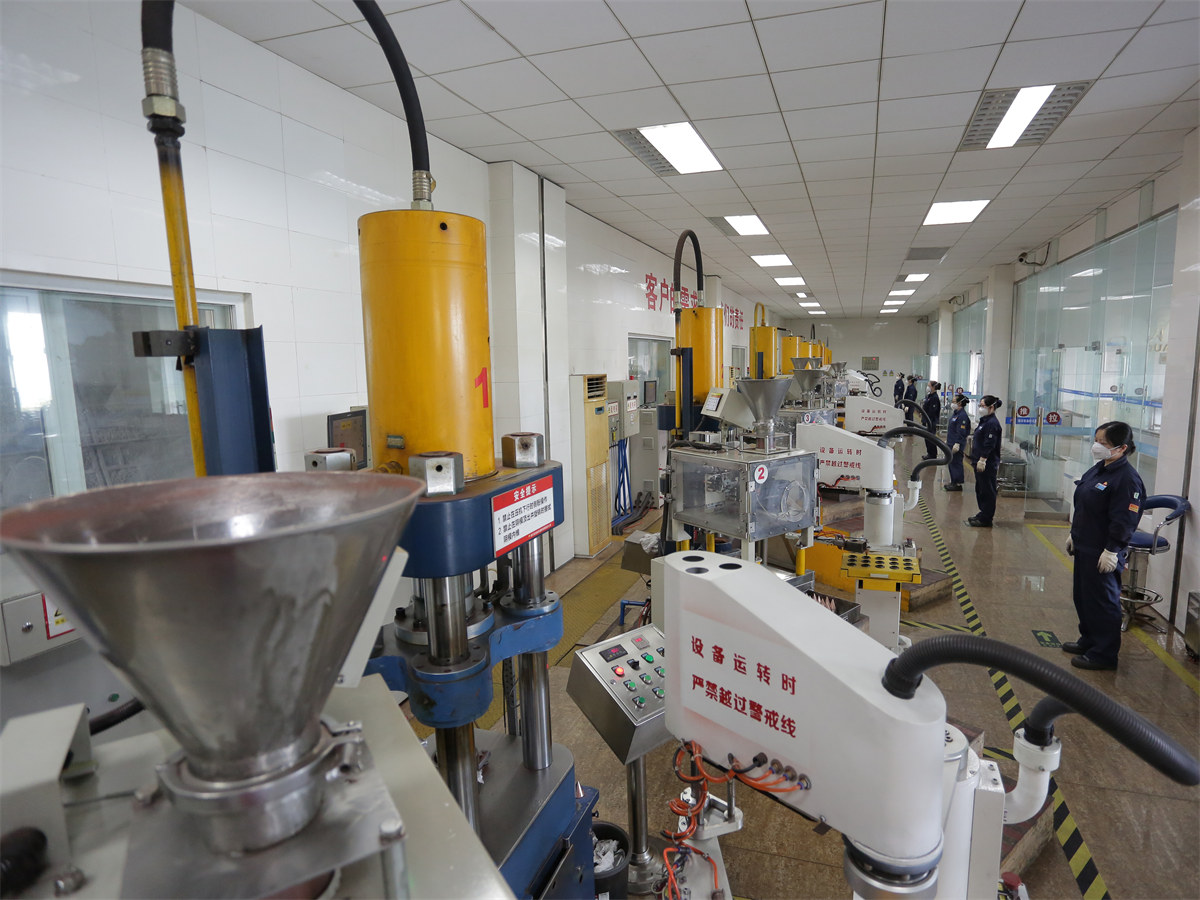
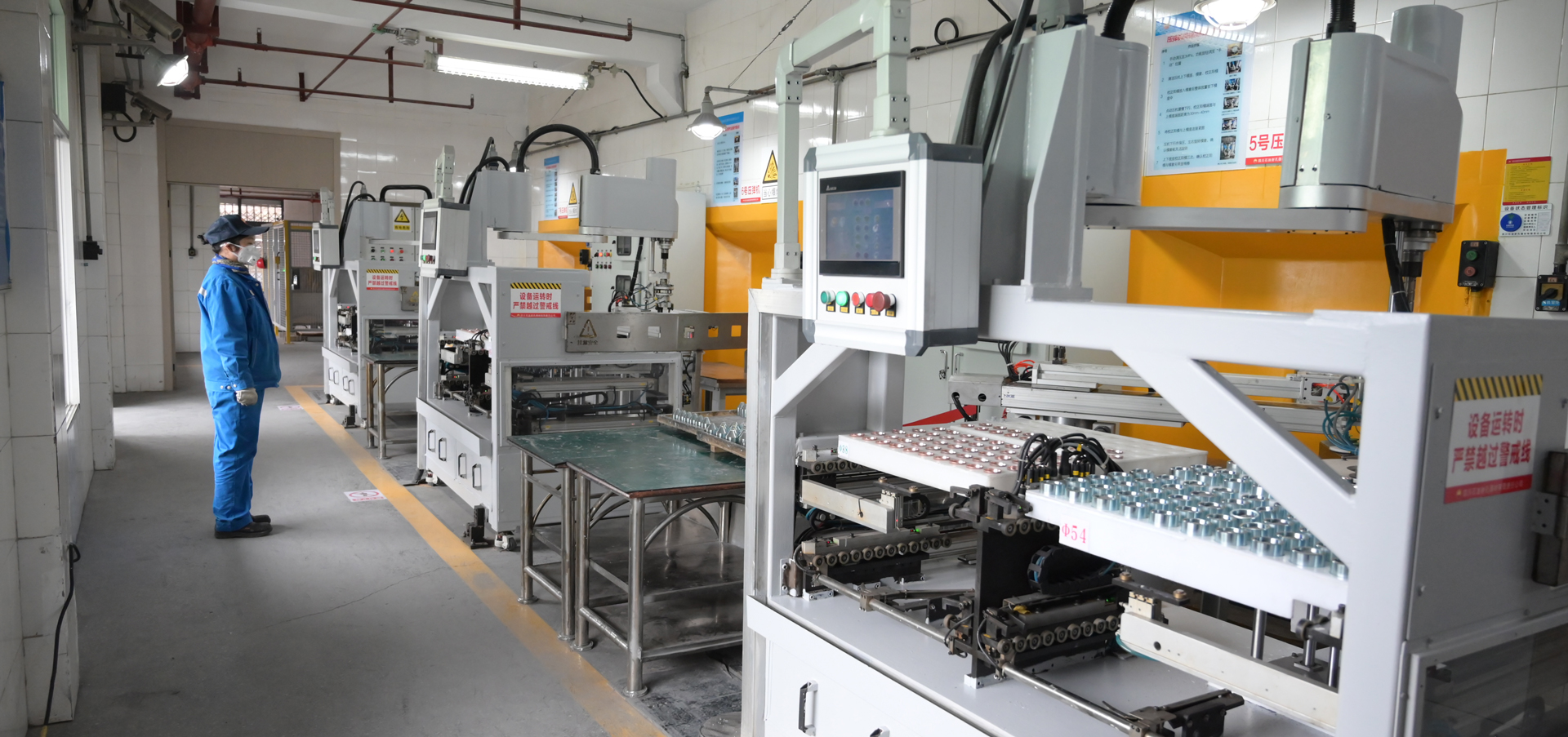
Equipped with state-of-the-art automated production and inspection lines, we deliver over 2.5 million shaped charges and 500,000 meters of perforating guns annually — meeting diverse customer requirements across the global market.
Every stage of our production process strictly adheres to the API Q1 Quality Management System. This unwavering commitment to quality, innovation, and customer satisfaction has established FYPE as a trusted partner in the global energy sector.

Our professional inspection team operates under a quality management system certified to API Q1 and ISO 9001 standards, ensuring product reliability and superior performance in every delivery.
Our automated production lines ensure product consistency and enhance productivity. Daily capacity of shaped charges can reach 10,000 units. The gun production line handles 100+ specification types.
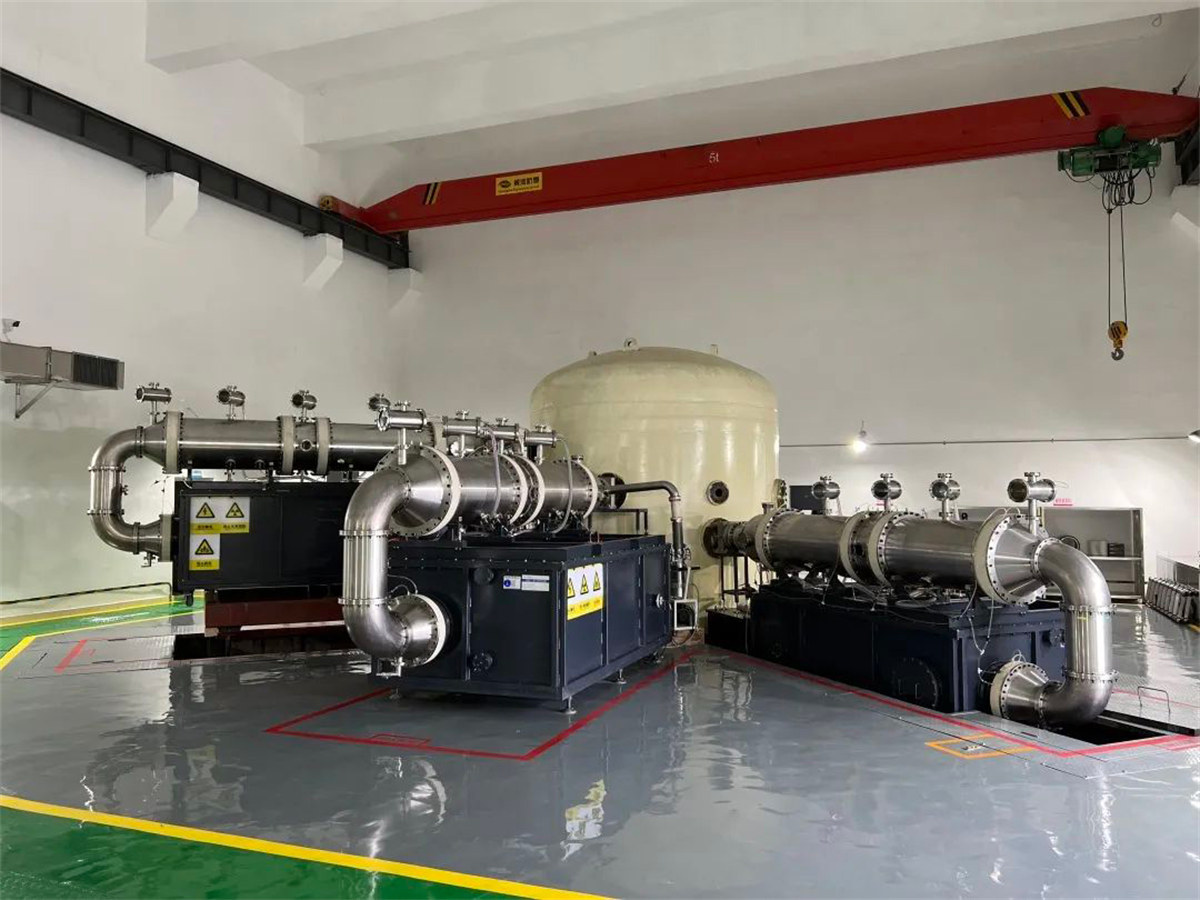
Our lab conducts real-core target tests in simulated reservoirs, ultimate pressure resistance tests on perforation tools, and explosion mechanism tests on shaped charges under controlled conditions.
With nearly 20 years of export experience across 38 countries, we deeply understand global market demands and deliver trusted, tailored perforating solutions to operators worldwide.
To date, our products have served customers in 38 countries worldwide and consistently earn positive feedback for performance and reliability.
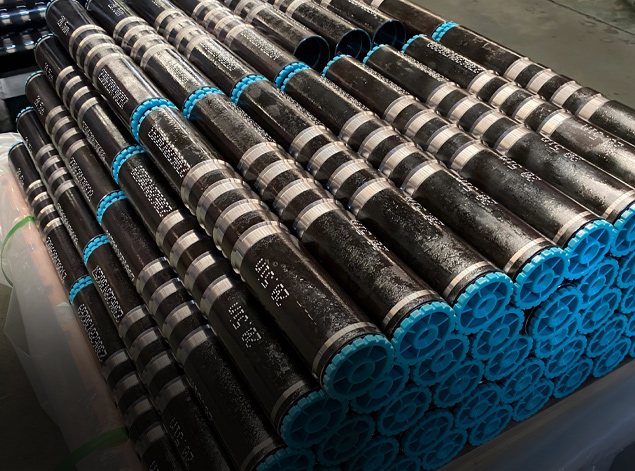
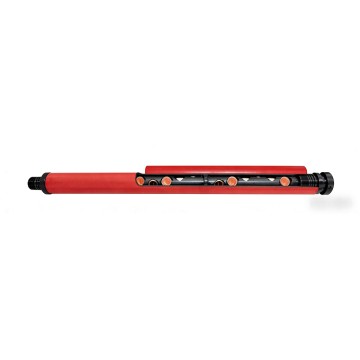
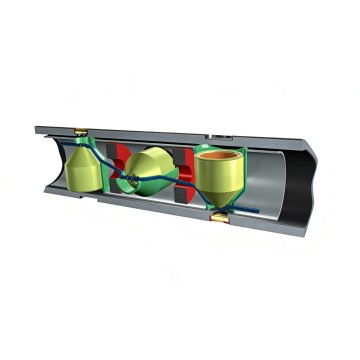
Instead of scallops, it can shoot regardless of the charge tube's angular position.
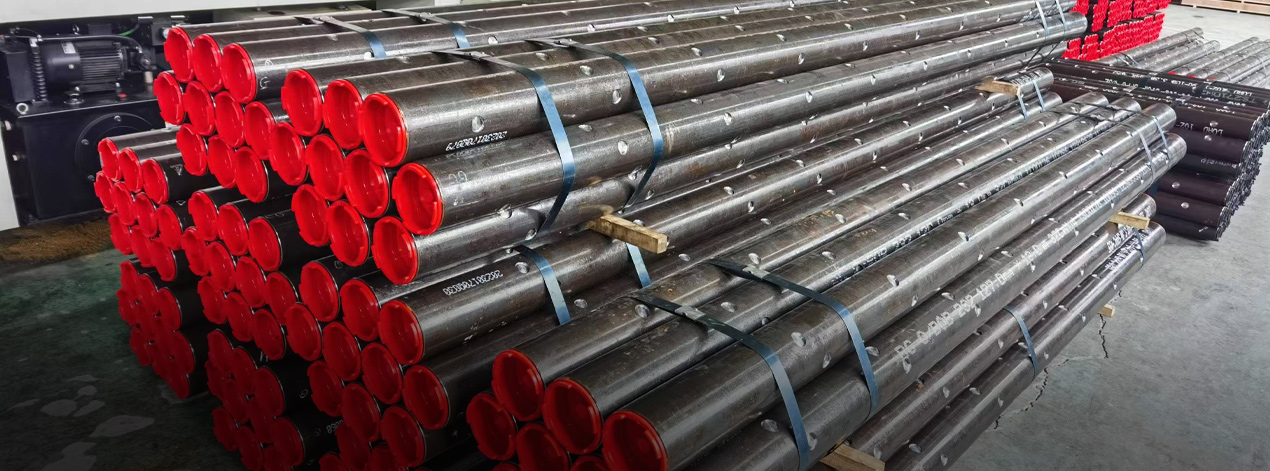
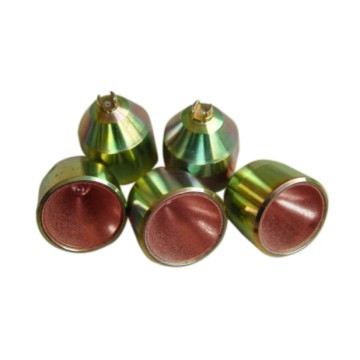
Provides deep penetration and high shot density for maximum reservoir connectivity.
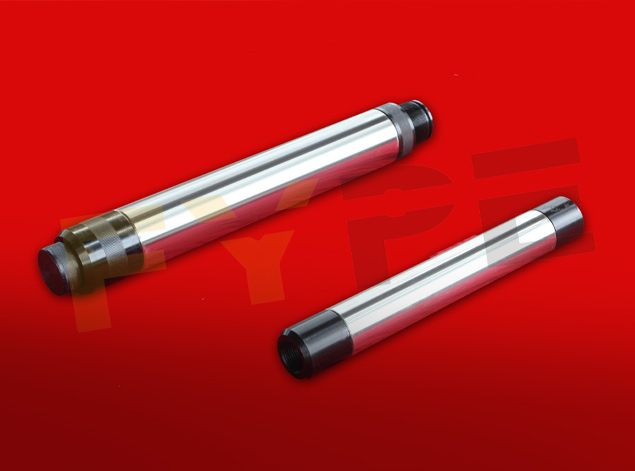
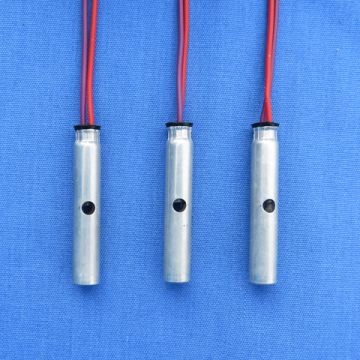
Detects casing collars for depth correlation in wells.
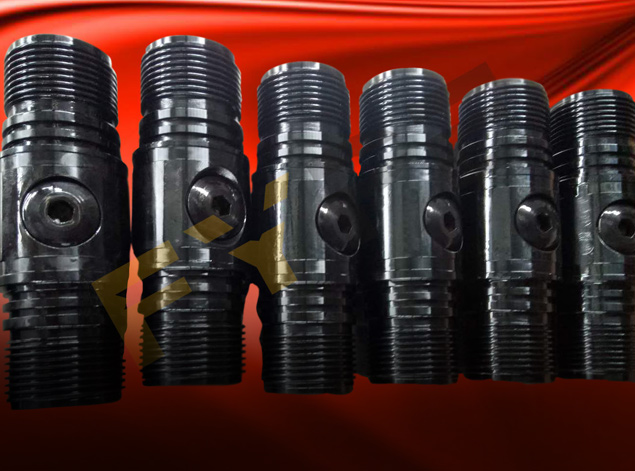
Connecting components used in perforating systems.
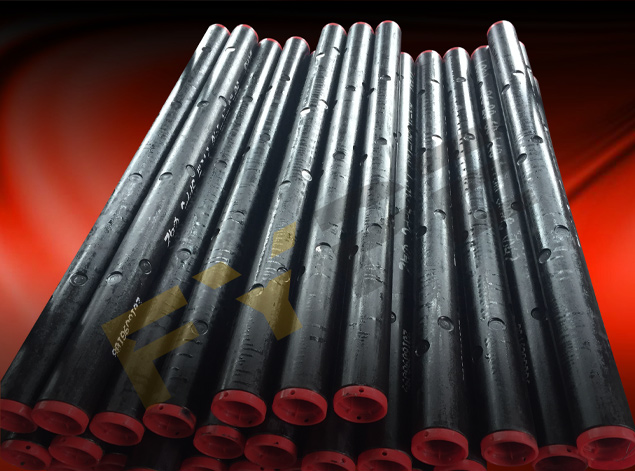
Designed for compact spaces and limited depth perforation.
State-of-the-art manufacturing facilities underpinning every perforating system we deliver.








At FYPE, we believe every well deserves precision, reliability, and excellence. Whether you require high-performance perforating tools or dependable technical support, we are your trusted partner in the oil and gas industry.
Inquiry Now
Explore our full lineup of advanced perforating systems engineered for wellbore communication across all reservoir environments.