+86-15829394411
Leave Your Message
-
Contact WhatsApp
-
 Contact Phone
-
 Contact Email
Explore our top four engineered ballistic systems specialized in deep barrier verification, casing collar correlation, and high-pressure zonal isolation tests.
In modern hydrocarbon recovery, underground gas storage (UGS), carbon capture and storage (CCUS), and deep geothermal extraction, establishing complete hydraulic and mechanical zonal isolation is the paramount prerequisite for reservoir safety and productivity. A perforating operation conducted for zonal isolation testing is not merely an energetic completion procedure; it is a highly calibrated diagnostic and communicative intervention designed to verify the acoustic, mechanical, and hydraulic integrity of the cement sheath, casing string, and adjacent geological formations.
When an exploration or production well is drilled, steel casing strings are cemented across multiple geological intervals to prevent undesired cross-flow between pressurized water-bearing zones, gas caps, and target hydrocarbon pay zones. Before commercial production, stimulation, or plug-and-abandonment (P&A) workflows commence, operators must validate that isolation barriers conform to stringent regulatory benchmarks such as API RP 67, API Spec 10TR, and NORSOK D-010. Perforating for zonal isolation testing enables controlled hydraulic access through the casing wall into the cement-formation interface or test cavities, allowing precision straddle-packer assemblies, acoustic logging tools, and formation testers to measure micro-annulus permeability, formation breakdown pressures, and sustained casing pressure (SCP) dissipation dynamics.
Engineered ballistic penetration pierces both casing and micro-annuli without causing radial cement shattering, enabling sterile diagnostic flow conduits for accurate pressure transient analysis.
Generates instantaneous localized negative differential pressure during detonation to purge debris, flush micro-cavities, and expose real formation fluid communication paths.
Provides deterministic input for downhole isolation validation, testing packer sealing reliability, cement sheath compressive endurance, and cross-zonal fluid isolation.
The global oilfield completion and diagnostics sector has witnessed a profound transformation driven by ultra-deepwater exploration, high-temperature high-pressure (HPHT) environments, and severe multi-stage fracturing demands. In unconventional shale plays where wells undergo 40 to 60 stages of hydraulic fracturing, a failure in zonal isolation can cause frac hits, premature water breakthrough, casing deformation, or catastrophic surface blowouts. Consequently, the commercial expenditure on diagnostic perforating and pressure isolation testing has grown at a compound annual growth rate (CAGR) exceeding 6.8% over the past five years.
Furthermore, the rapid rise of Carbon Capture, Utilization, and Storage (CCUS) projects and geological hydrogen storage demands long-term integrity assurance spanning decades or centuries. In these zero-tolerance environments, diagnostic perforating is deployed prior to sequestration to conduct injectivity tests and confirm that caprock sealing formations remain impervious to lateral CO2 or H2 migration. Digital transformation is playing an increasingly dominant role: smart perforating gun systems embedded with fast-sampling quartz pressure memory gauges, real-time wireless telemetry, and fiber-optic distributed acoustic sensing (DAS) enable completion engineers to monitor perforation shockwave attenuation and immediate post-shot isolation decay curves in real time.
Standard heavy perforating charges can induce violent compressive shockwaves that pulverize the cement sheath up to several feet above and below the shot plane, generating artificial leak paths and invalidating isolation tests. Modern zonal isolation testing mandates optimized shaped charge liners, uniform hole diameters (Good Hole / Consistent Hole geometry), and tuned explosive loading to create clean, pinpoint orifices through the steel pipe while maintaining the structural continuity of the surrounding cement barrier.
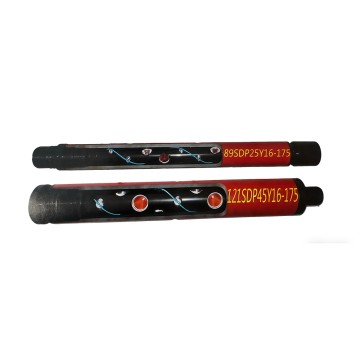
Modern gun systems configured for zonal testing incorporate orienting modules, internal shock absorbers, and scalloped or smooth-band bodies. The deployment of scalloped band perforating guns allows unrestricted shot directionality while eliminating orientation indexing errors in highly deviated and horizontal lateral wells.
Additionally, wireline modular gun systems feature quick-connect pressure bulkhead subs, wireless digital detonator interfaces, and built-in selective firing logic, enabling multiple discrete test intervals to be perforated and evaluated in a single downhole run—drastically reducing costly offshore rig time.
Expetro Energy Service Co., Ltd. (FYPE) is a premier manufacturer of downhole perforating systems in China, dedicated to the advanced research, development, precision engineering, and global production of high-performance shaped charges, perforating guns, modular subs, and associated accessories for complex oil and gas completions and zonal isolation diagnostics.
Operating under stringent API Q1 and ISO 9001 certified quality management protocols, FYPE engineers ballistic systems capable of withstanding extreme downhole environments, including hydrostatic pressures up to 30,000 psi and reservoir temperatures up to 260°C (500°F).
From state-of-the-art automated manufacturing to advanced real-core target explosion laboratories, we deliver unmatched ballistic reliability for critical zonal isolation operations.
Our professional inspection team operates under a quality management system certified to API Q1 and ISO 9001 standards, ensuring product reliability, zero misfires, and superior ballistic performance in every delivery.
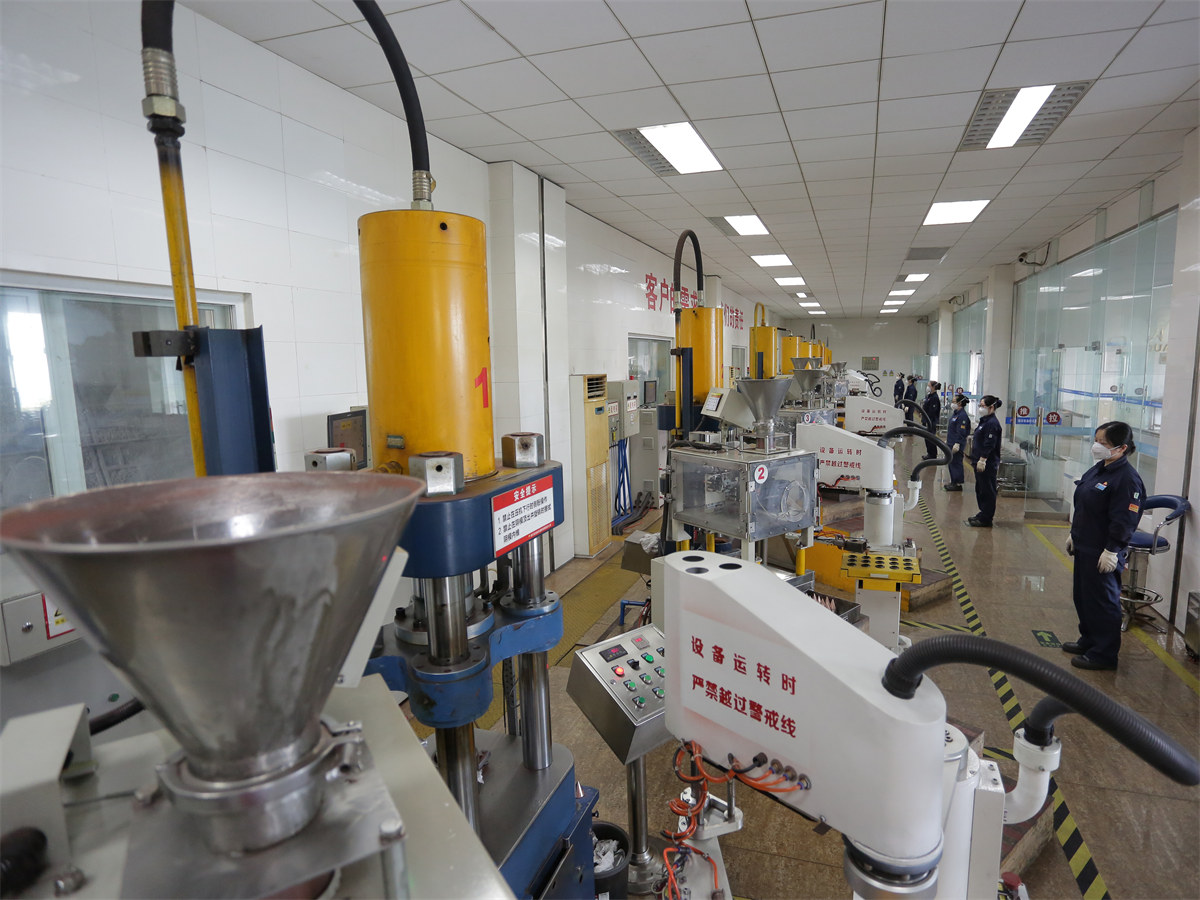
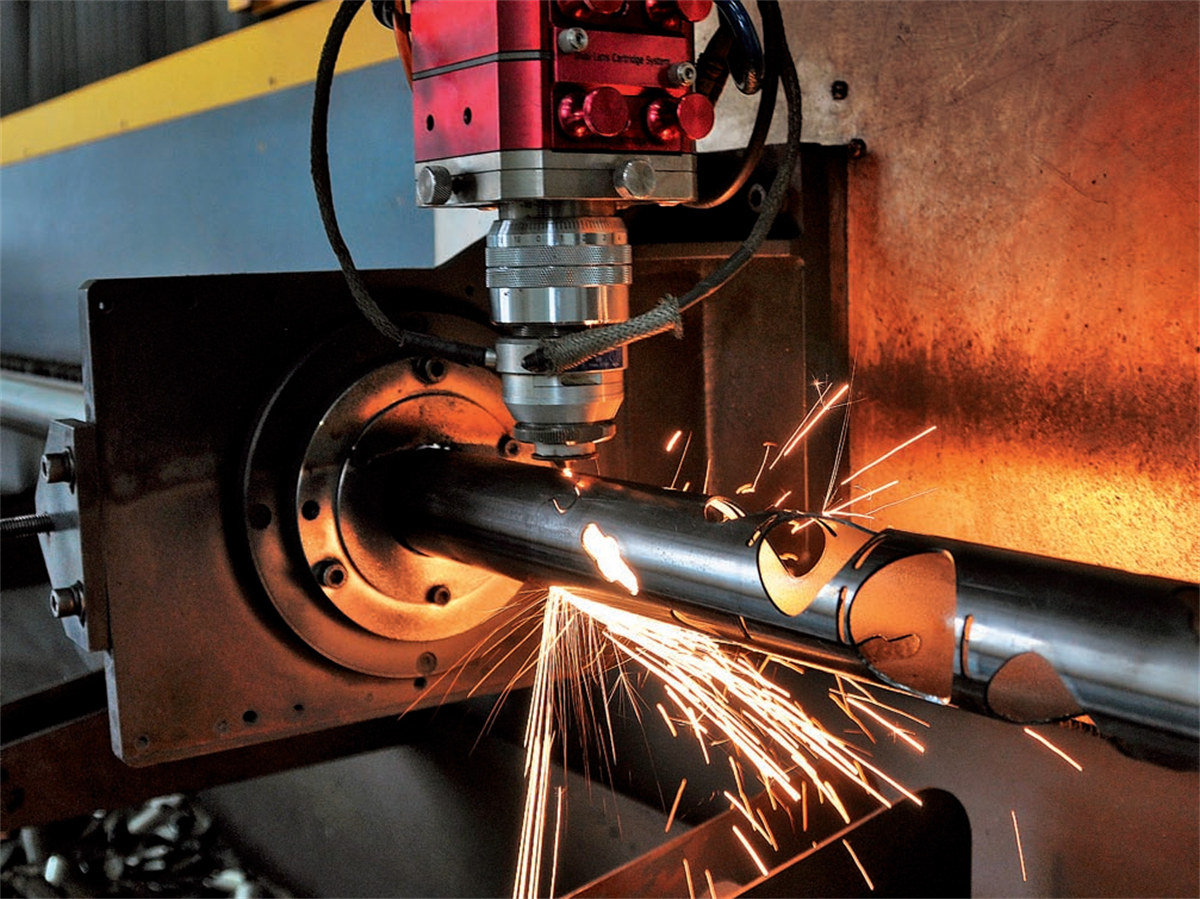
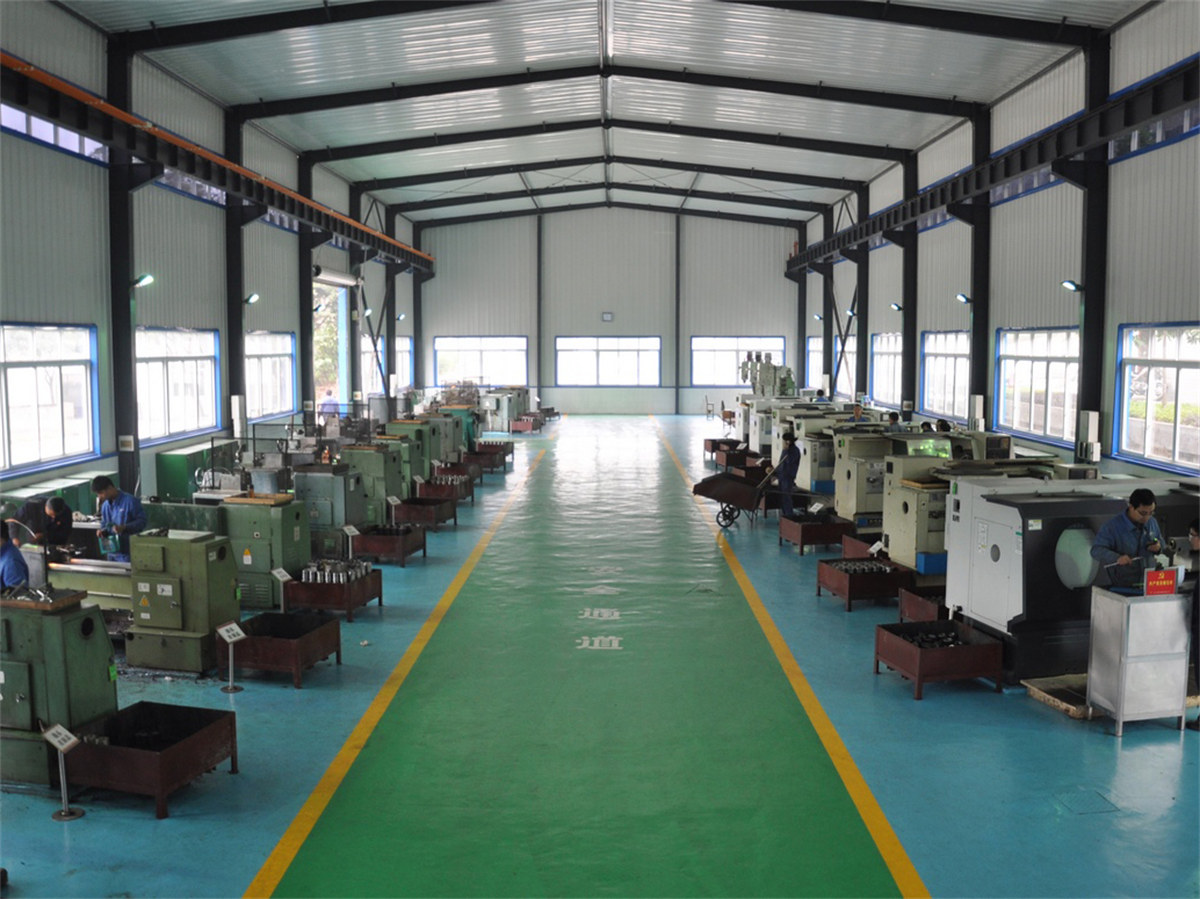
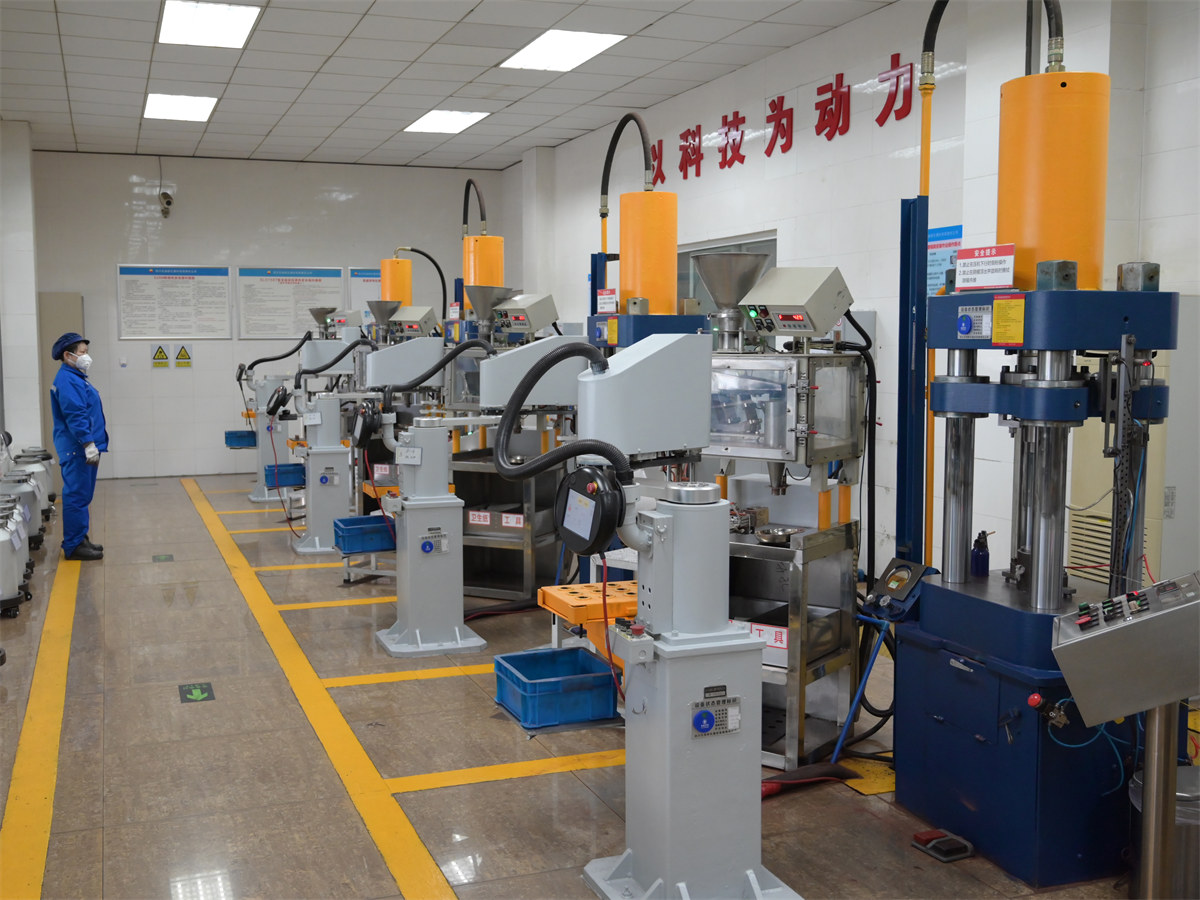
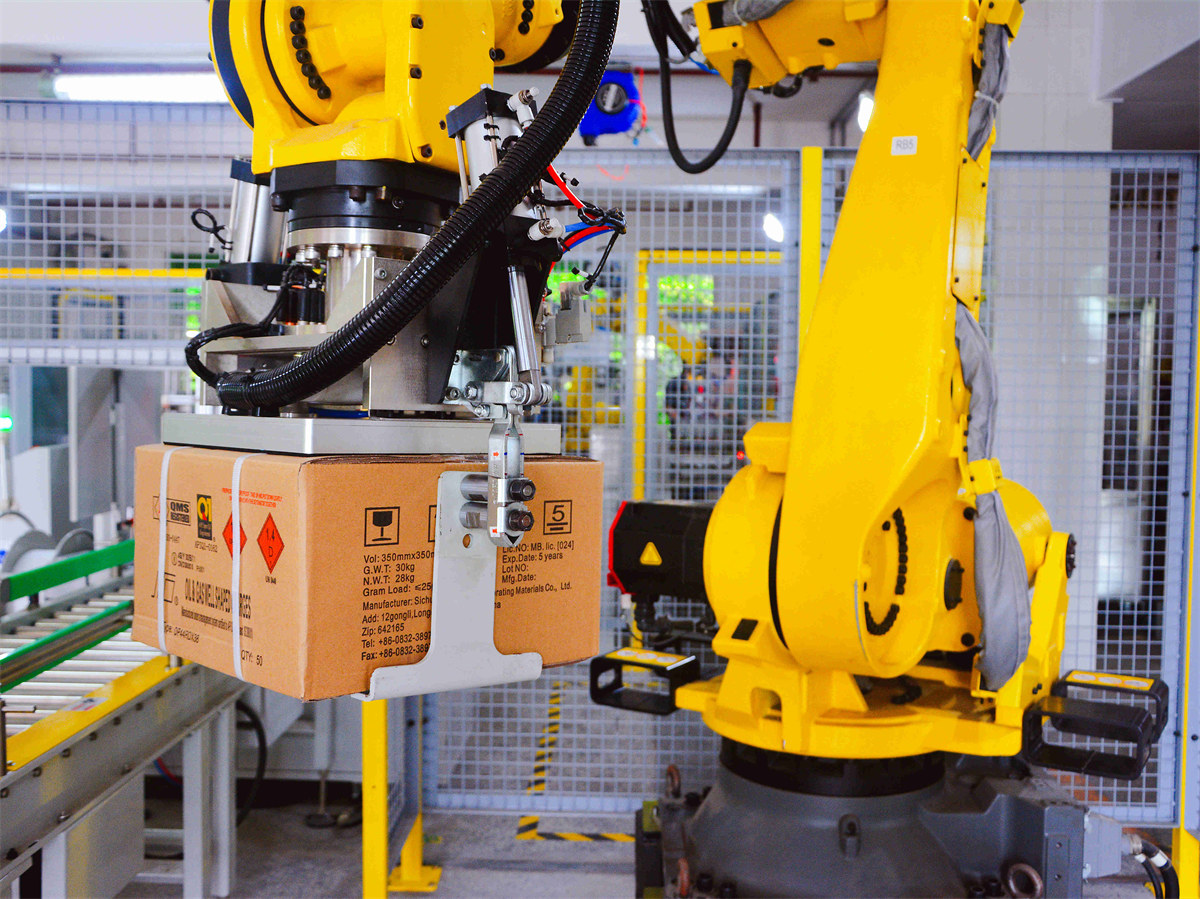
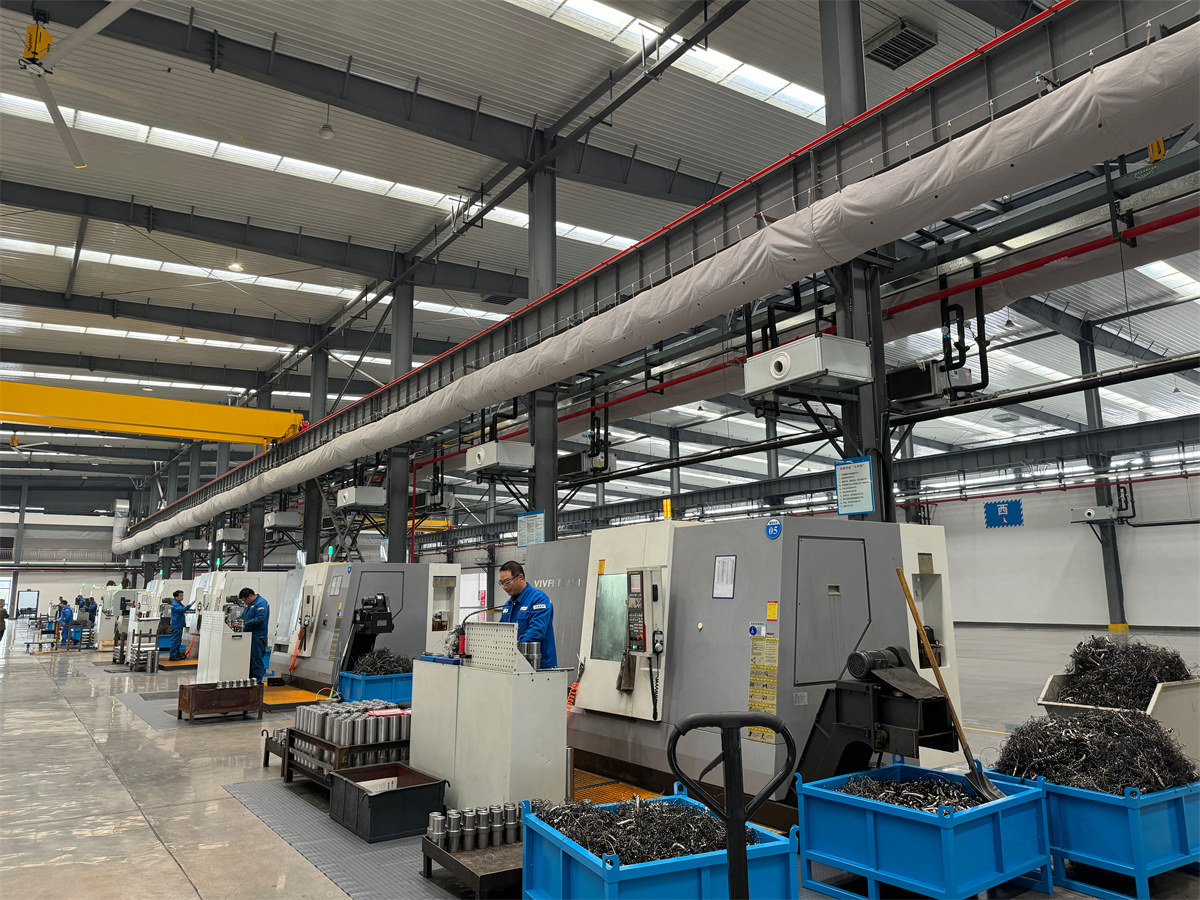
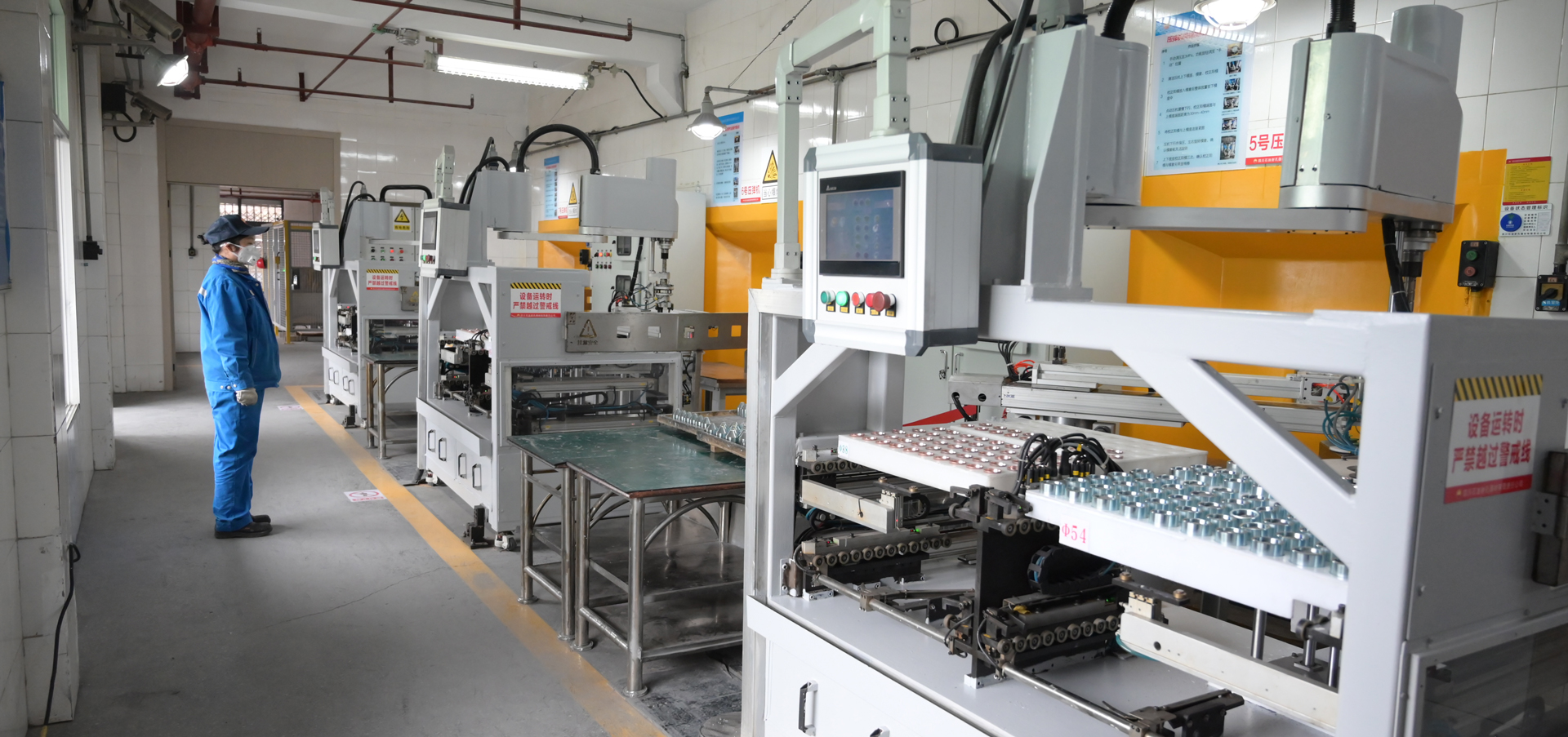
Our automated production lines ensure high product consistency and enhance productivity. The daily capacity of shaped charges reaches 10,000 units, while our gun lines process 100+ types with diverse specifications.
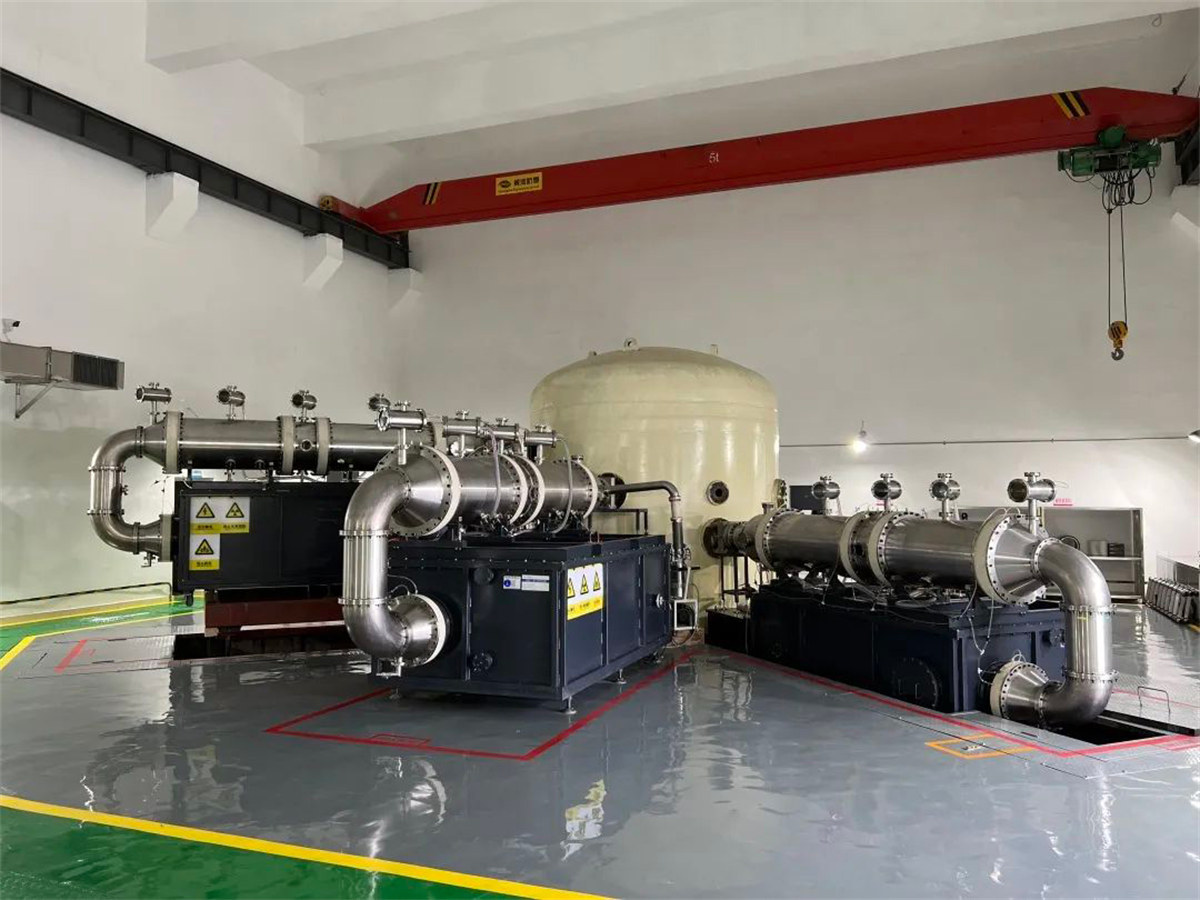
Our laboratory carries out real-core target tests in simulated downhole reservoirs, ultimate pressure resistance tests on perforation tools, and advanced detonation mechanism analysis on cutting-edge shaped charges.
With nearly 20 years of export experience spanning 38 countries, we deeply understand international operating standards, regional geological complexities, and provide tailored completion hardware.
To date, our products have served customers in 38 countries worldwide and consistently earn positive feedback for downhole performance, casing integrity protection, and reliability.
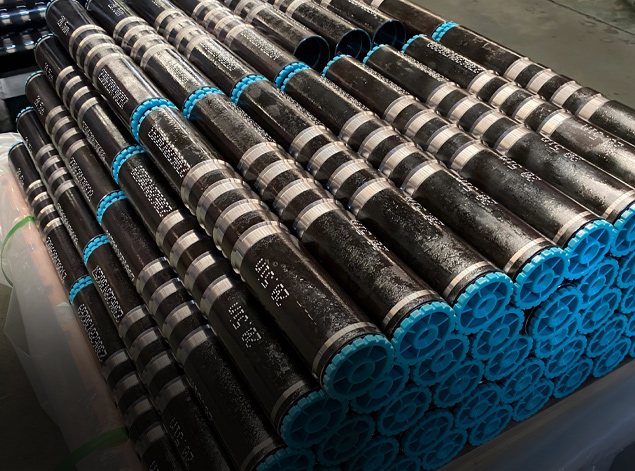
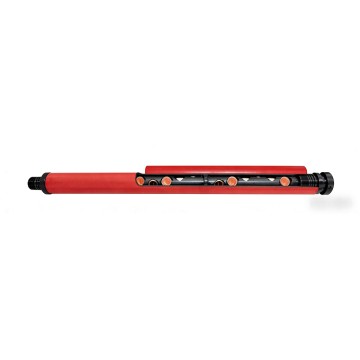
Instead of scallops, it can shoot regardless of the charge tube's angular position for flexible test setups.
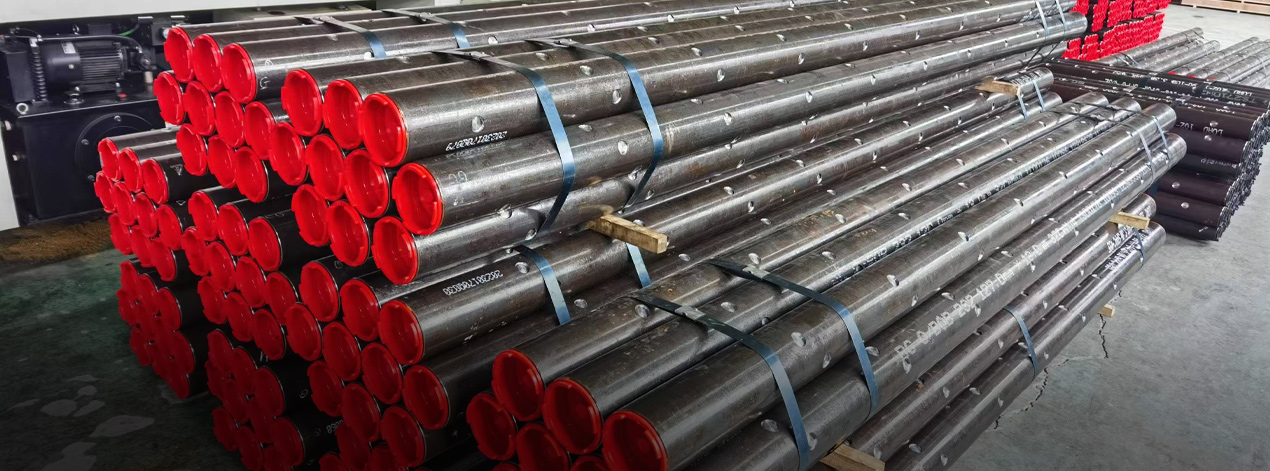
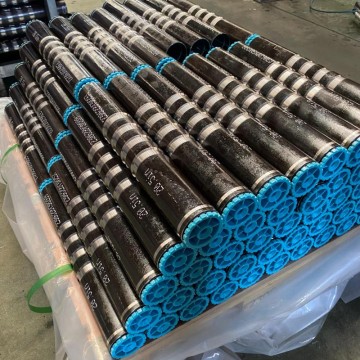
Provides deep penetration, optimal clean entrance holes, and high shot density across long formation intervals.
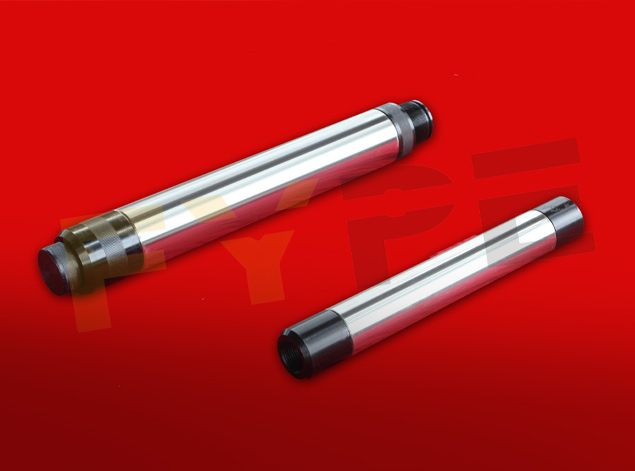
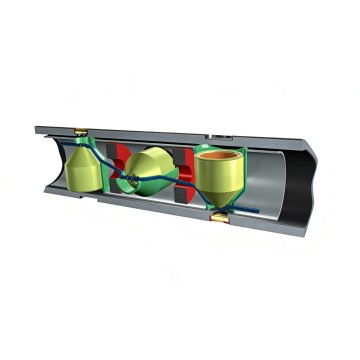
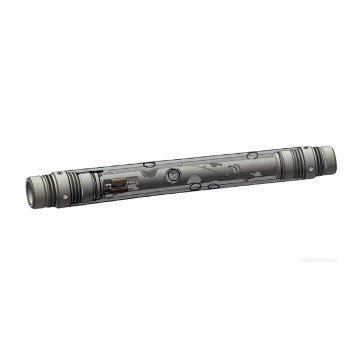
Detects casing collars with extreme electrical precision for depth correlation in zonal isolation testing.
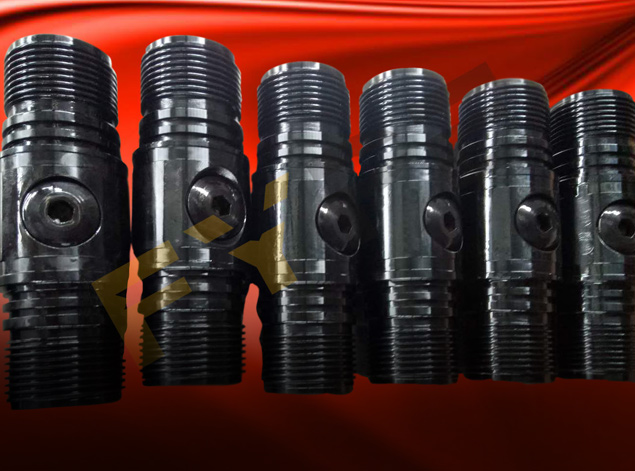
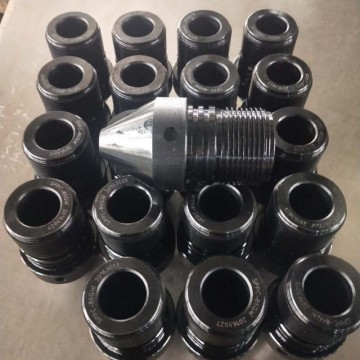
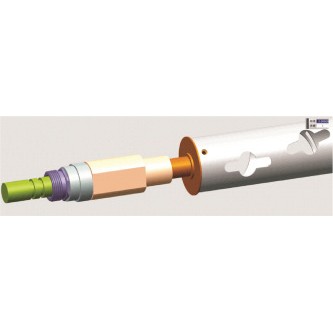
High-strength connecting components and bulkhead subs engineered to withstand dynamic explosive recoil.
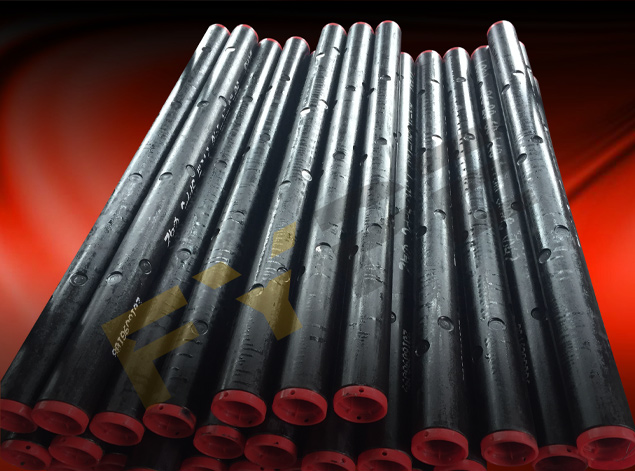
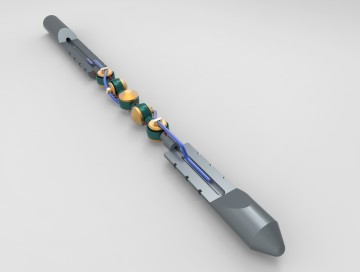
Designed for compact spaces, short zonal diagnostic verification intervals, and through-tubing deployment.
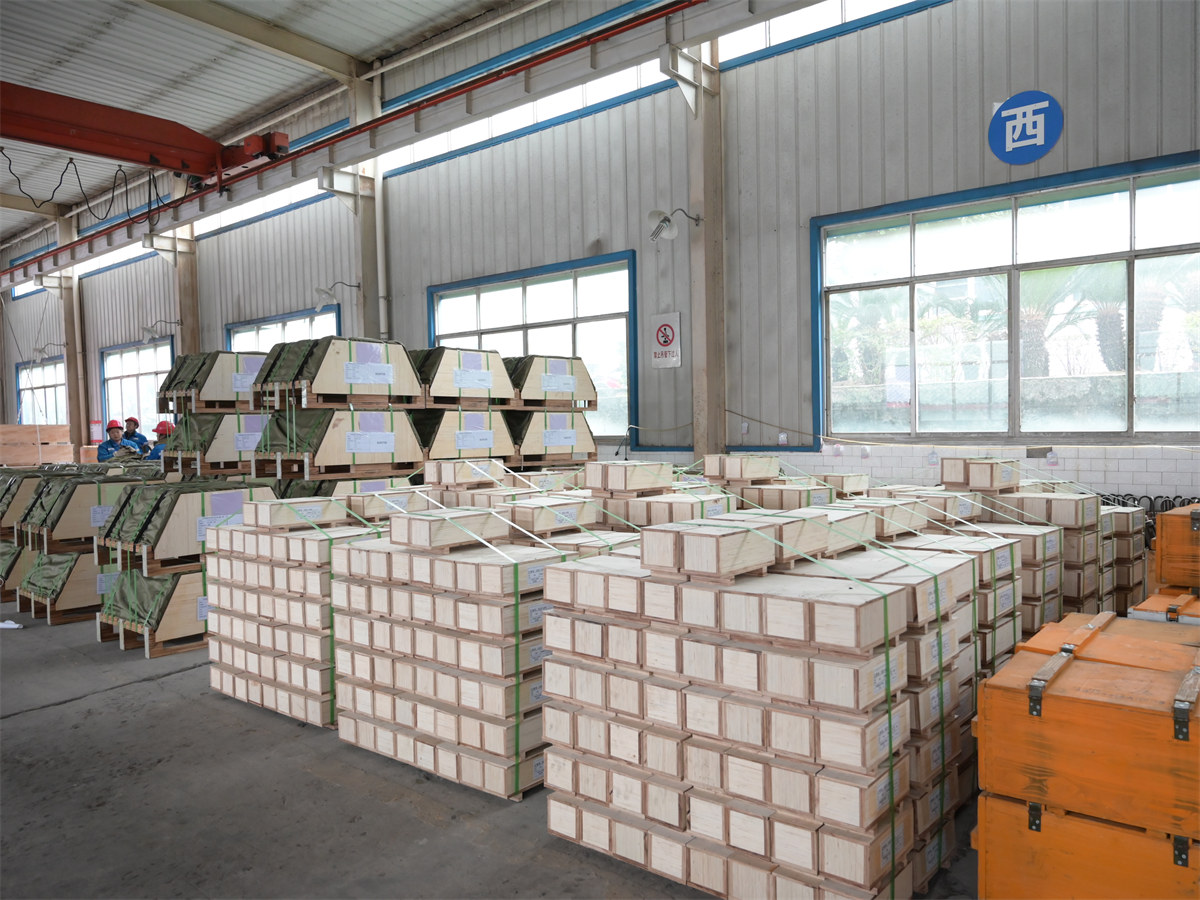
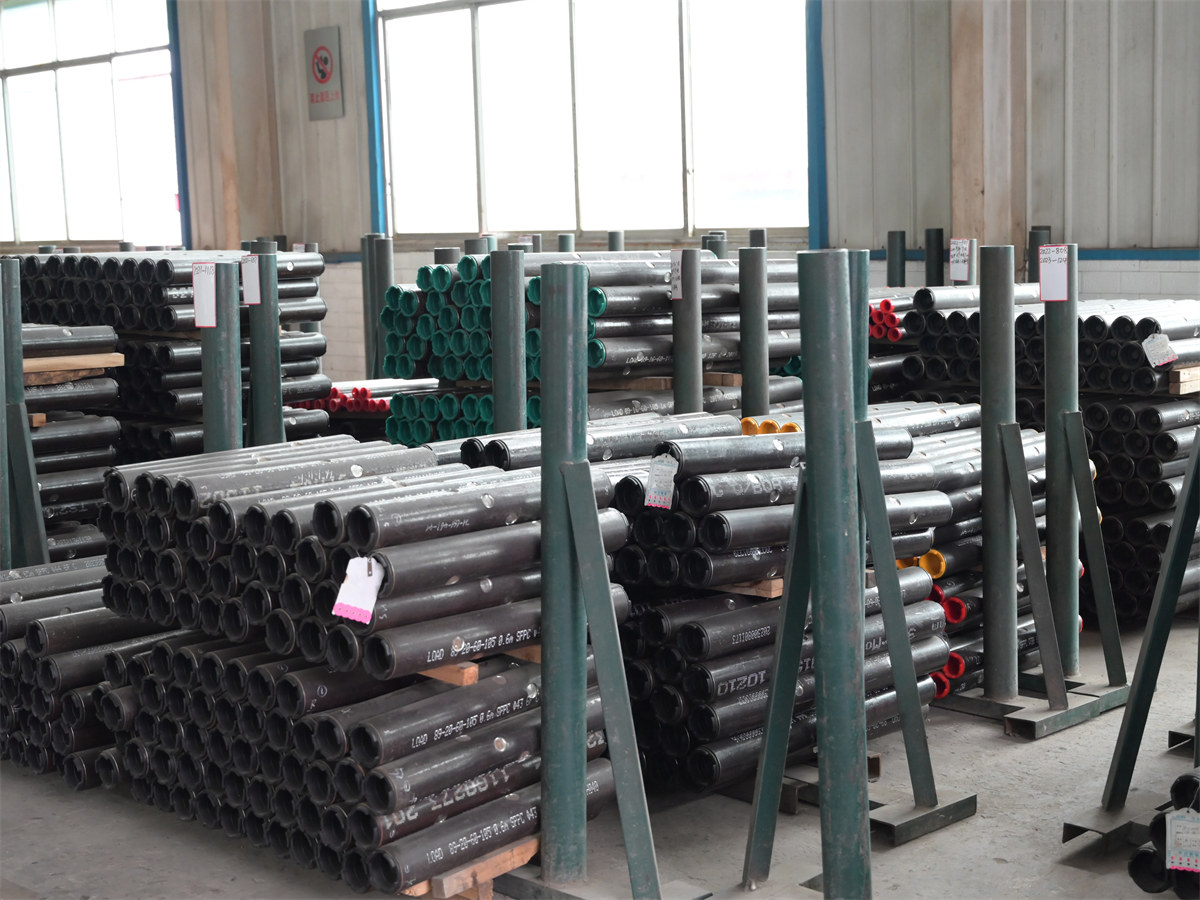
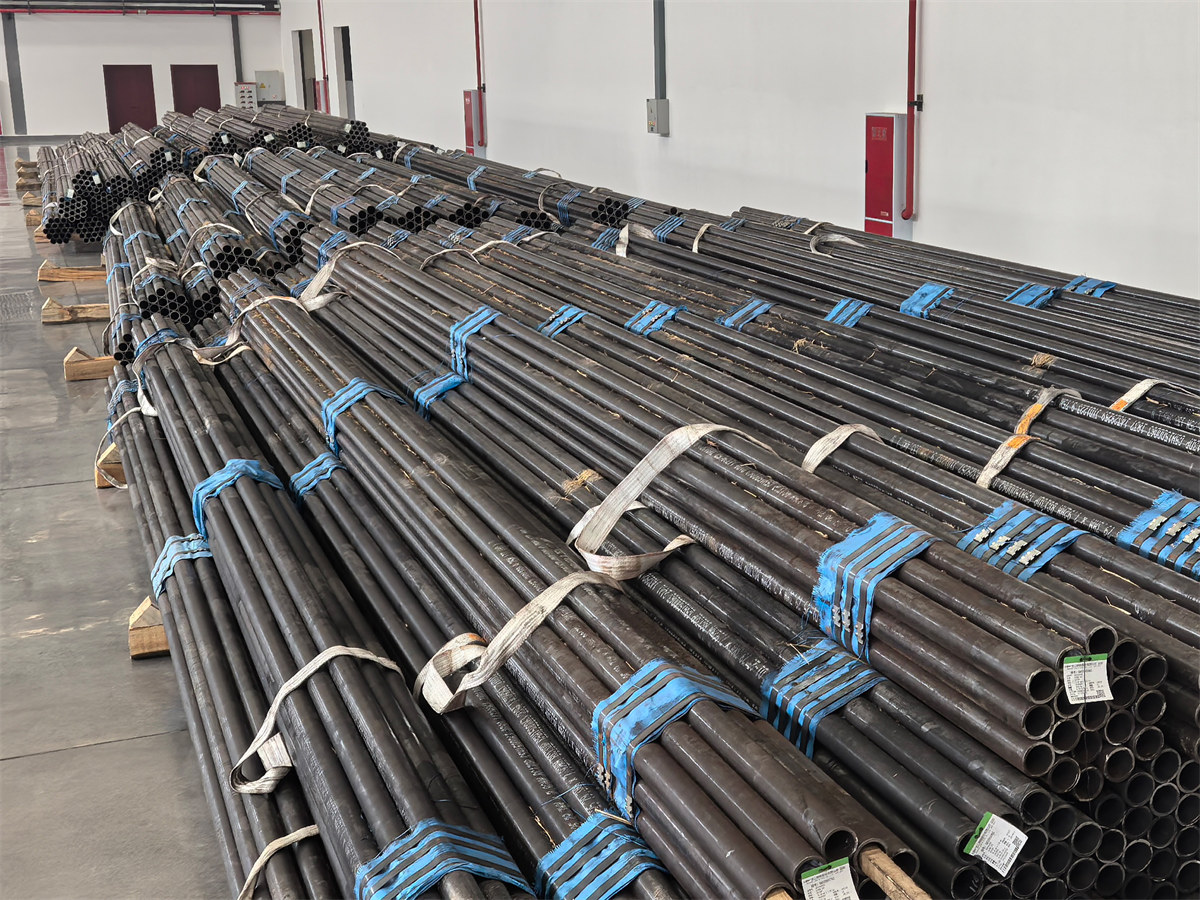
Our modern production infrastructure integrates intelligent robotic assembly, CNC machining centers, and strict ballistic testing containment bunkers.
At FYPE, we believe every well deserves precision, reliability, and engineering excellence. Whether you require high-performance perforating tools, tailored shaped charge penetration metrics, or dependable technical support for your zonal isolation testing campaigns, we are your trusted partner in the global energy sector.
Inquiry Now →
Explore our full line of perforating guns, specialized clustering assemblies, and downhole accessories engineered for extreme temperatures, complex trajectories, and zonal isolation testing.