+86-15829394411
Leave Your Message
-
Contact WhatsApp
-
 Contact Phone
-
 Contact Email
Optimized downhole assemblies designed to maximize reservoir contact, minimize skin damage, and facilitate efficient fluid stimulation.
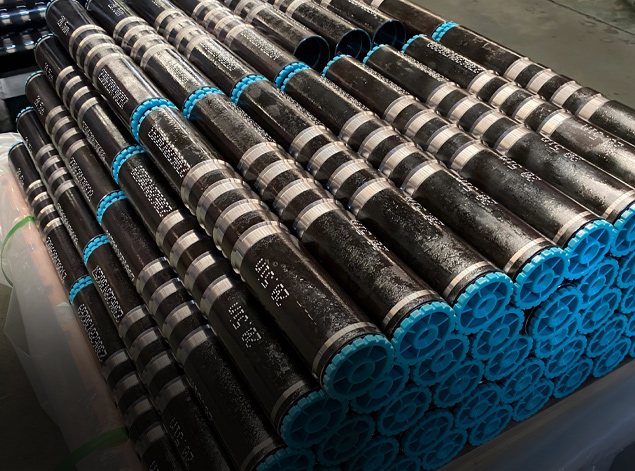
Instead of scallops, it can shoot regardless of the charge tube’s angular position, ensuring maximum casing exit area and optimized reservoir communication.
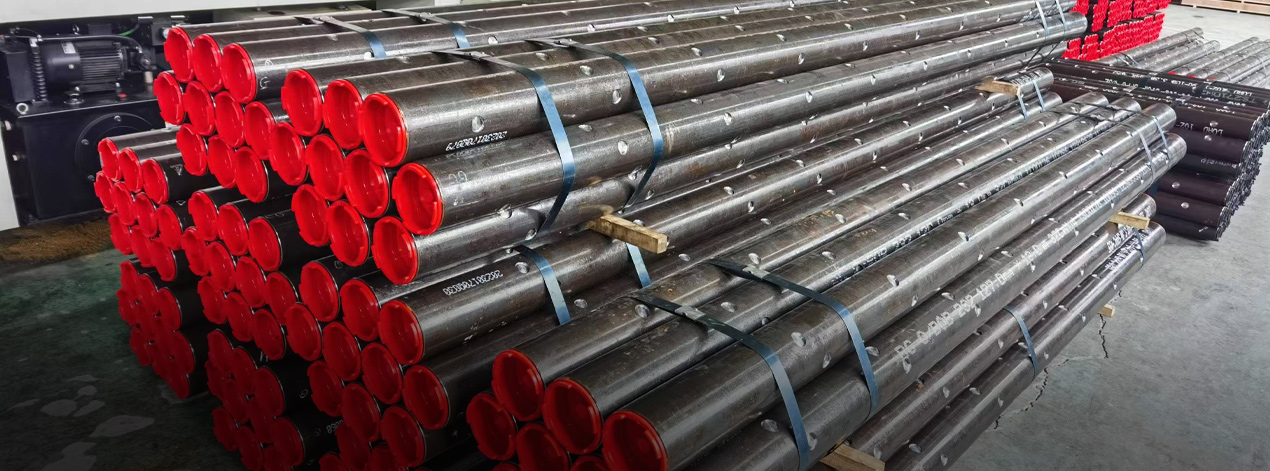
Provides deep penetration and high shot density, engineered specifically to bypass near-wellbore damage in thick geological formations.
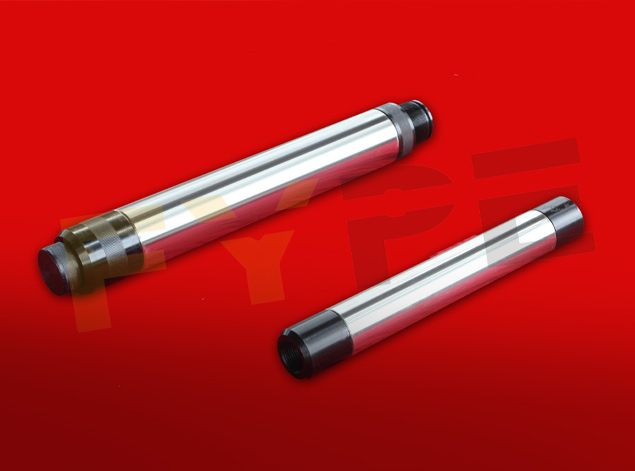
Detects casing collars for precise depth correlation in wells, ensuring stimulation treatments target the exact geological pay zone.
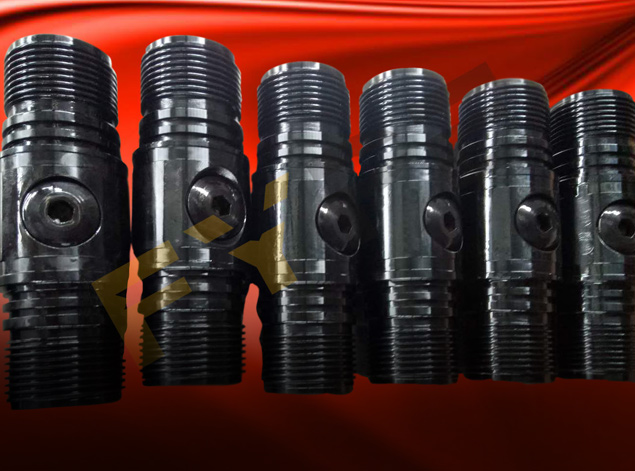
High-strength connecting components used in perforating systems to ensure structural integrity during high-pressure downhole stimulation runs.
In the modern oil and gas industry, maximizing recovery from complex reservoirs requires highly advanced completion strategies. Reservoir fluid stimulation—which encompasses hydraulic fracturing, matrix acidizing, and thermal injection—is critical to enhancing permeability and ensuring economic flow rates. However, the success of any stimulation program depends heavily on the initial pathway created between the wellbore and the formation: the perforation tunnel.
Historically, perforation was viewed simply as a method to punch holes through casing and cement. Today, as operators target unconventional plays, tight sands, shale formations, and deepwater HPHT (High Pressure/High Temperature) reservoirs, perforating solutions have evolved into a highly engineered discipline. Modern perforating guns and shaped charges are designed to optimize the geometry of the entry hole, maximize the depth of penetration, and control the stress field around the perforation tunnel. This precise control is essential to minimize breakdown pressures during hydraulic fracturing and to ensure uniform fluid distribution across multi-zone completions.
"Optimizing the interface between the wellbore and the reservoir is no longer just about depth; it is about creating clean, debris-free tunnels that facilitate low-friction fluid injection and maximize long-term reservoir drainage."
Furthermore, the industry is witnessing a significant shift toward horizontal wells and multi-stage completions. In these configurations, traditional perforating methods often fall short. Issues such as uneven charge alignment, charge efficiency degradation, and casing deformation can severely compromise subsequent fracturing treatments. Consequently, demand has surged for specialized perforating solutions, including oriented perforating systems, self-cleaning charges, and modular gun systems that guarantee reliability, safety, and operational efficiency in complex downhole environments.
Expetro Energy Service Co., Ltd. (FYPE) is a leading manufacturer of downhole perforating systems in China, dedicated to the research, development, and production of shaped charges, perforating guns, and associated accessories for oil and gas completions.
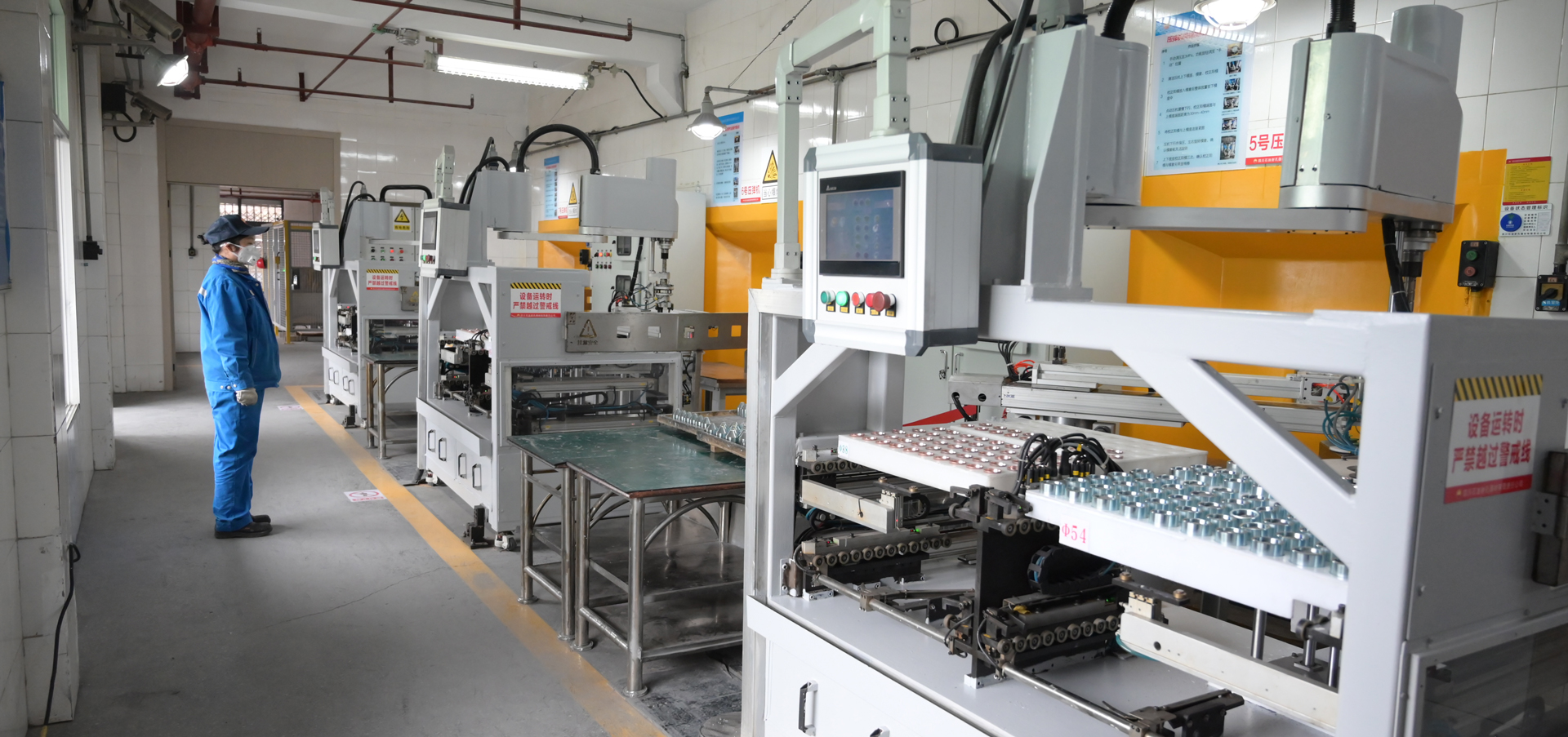
Our capabilities are backed by state-of-the-art automated production and inspection lines. We deliver over 2.5 million shaped charges and 500,000 meters of perforating guns annually—meeting diverse customer requirements across the global market.
Every stage of our production process strictly adheres to the API Q1 Quality Management System. This unwavering commitment to quality, innovation, and customer satisfaction has established FYPE as a trusted partner in the global energy sector. To date, our products have served customers in 38 countries worldwide and consistently earn positive feedback for performance and reliability. FYPE is dedicated to expanding its global footprint and building long-term partnerships with clients across continents.

How advanced perforating systems address specific reservoir challenges to optimize fluid dynamics and completion efficiency.
In unconventional reservoirs, horizontal wells are stimulated using multi-stage hydraulic fracturing. For these operations, modular wireline perforating systems are crucial. They allow operators to run multiple gun clusters in a single trip, saving rig time. By utilizing consistent hole size (CHS) charges, operators ensure that each perforation hole is identical in diameter, which promotes even fluid distribution (limited entry design) across all clusters, preventing some fractures from stealing fluid at the expense of others.
Deep reservoirs present hostile environments characterized by extreme temperatures and pressures. Standard explosives and gun systems fail under these conditions. FYPE’s high-performance steel carrier guns and thermal-resistant shaped charges are engineered to withstand extreme pressures and temperatures. This ensures reliable detonation and prevents premature gun swelling, which could otherwise lead to stuck tools and costly fishing operations.
In carbonate formations, matrix acidizing is the preferred stimulation method. Acid is injected into the formation to dissolve rock and create highly conductive flow paths (wormholes). Perforating solutions for these wells focus on creating clean, open perforation tunnels free of compacted powder debris. Self-cleaning perforating systems are highly effective here, as they generate a dynamic underbalance immediately upon detonation, pulling crushed zone debris out of the tunnel and allowing acid to react directly with the clean rock face.
When stimulating weak or unconsolidated sandstones, sand production is a major risk. Perforations must be designed to work in tandem with gravel packs or sand screens. High-density radial perforating guns are utilized to maximize inflow area, which reduces fluid velocity near the wellbore. Lowering the fluid velocity minimizes the drag forces on sand grains, preventing formation collapse and ensuring the integrity of the sand control completion during high-rate oil and gas production.
We leverage advanced manufacturing, rigorous quality control, and decades of export experience to deliver top-tier perforating solutions.
Our professional inspection team operates under a quality management system certified to API Q1 and ISO 9001 standards, ensuring product reliability and superior performance in every delivery.
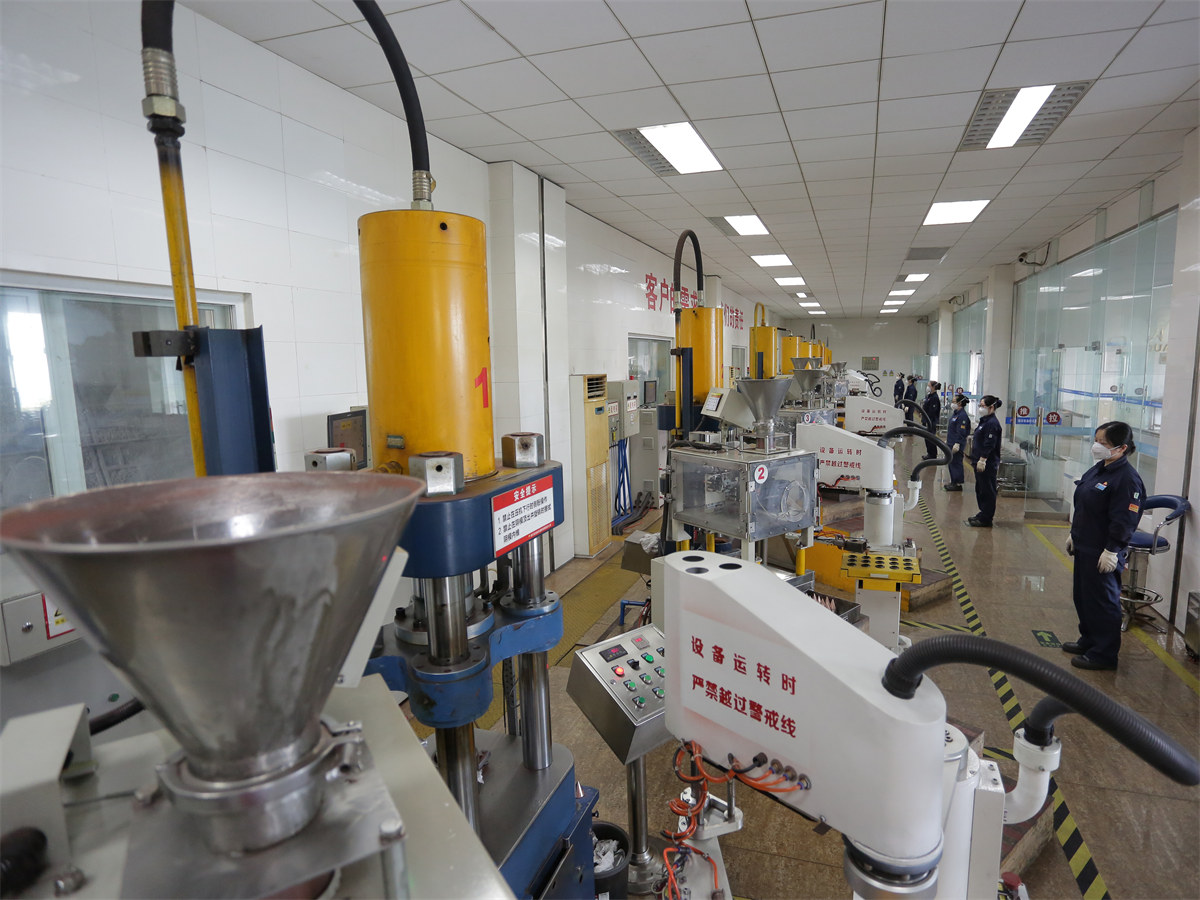
Our automated production lines ensure products consistency and enhance productivity. The daily capacity of shaped charges can reach 10,000. The perforating gun production line can meet the processing of 100+ types with different specifications.
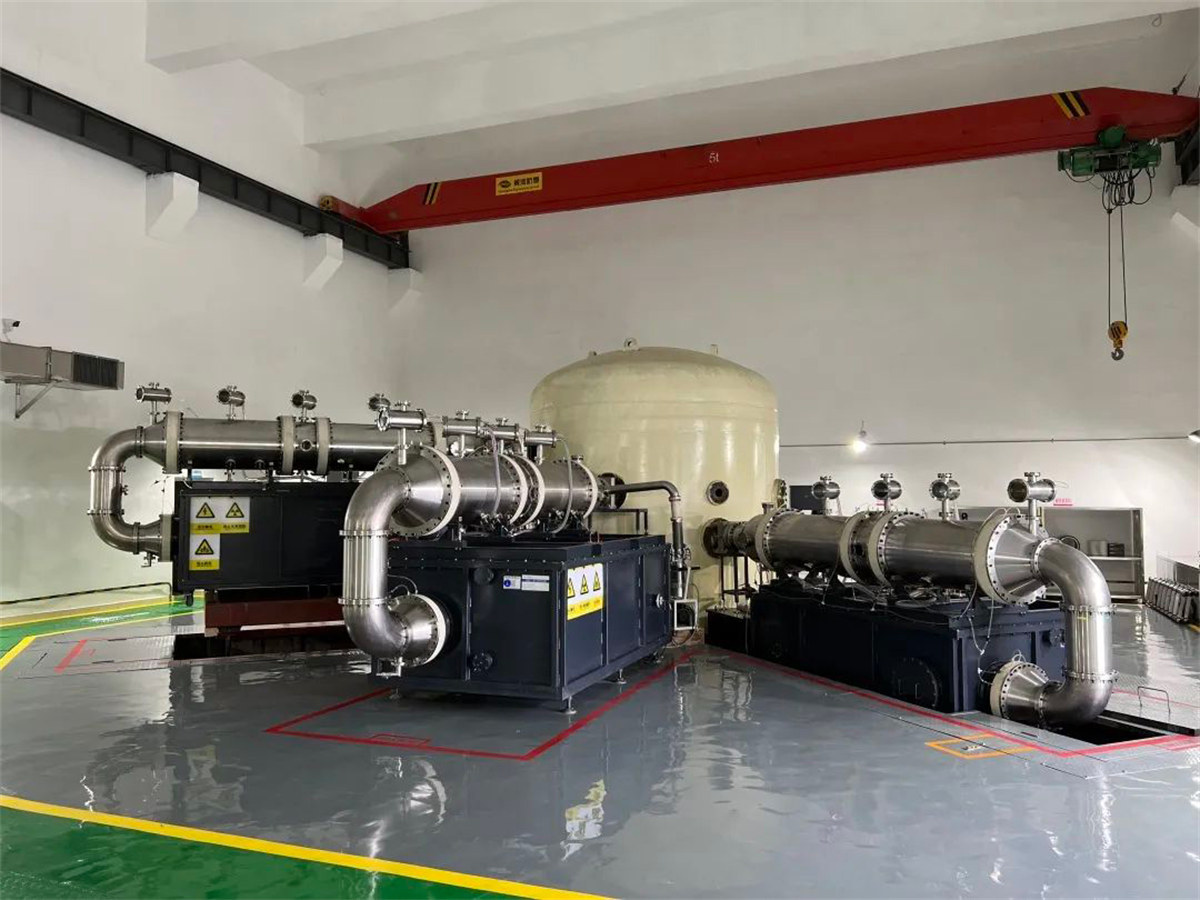
Our lab can carry out the real-core target tests in simulated reservoirs, the ultimate pressure resistance tests on perforation tools, the explosion mechanism tests on shaped charges, etc.
With nearly 20 years of export experience across 38 countries, we deeply understand global market demands and deliver trusted, tailored solutions.
A glimpse inside our state-of-the-art manufacturing facilities, testing laboratories, and automated assembly lines.








The convergence of digital technology and material science is reshaping the future of reservoir fluid stimulation. One of the most promising trends is the integration of predictive software and real-time downhole monitoring. By feeding rock mechanics data, stress profiles, and wellbore geometry into simulation algorithms, engineers can customize the perforation pattern for each individual stage. This "smart perforation" approach ensures that fractures initiate exactly where the reservoir is most productive, reducing fluid waste and minimizing energy consumption during pumping operations.
On the hardware side, research is focused on developing reactive shaped charges and degradable gun components. Reactive charges contain materials that undergo a secondary exothermic reaction inside the perforation tunnel, generating local pressure pulses that micro-fracture the rock and clean out the flow path. Meanwhile, dissolvable or degradable alloys are being designed for internal gun components and spacing subs. Once the perforating run is complete, these components dissolve in the wellbore fluid, eliminating the need to retrieve debris and preventing potential downhole blockages.
As the global energy transition accelerates, perforating technologies are also finding critical applications in geothermal energy extraction and Carbon Capture, Utilization, and Storage (CCUS). In deep geothermal wells, precise perforation is required to create high-surface-area heat exchangers in hot dry rock. For CCUS, specialized perforating systems ensure safe and high-volume carbon dioxide injection into deep saline aquifers. FYPE remains committed to leading these advancements, ensuring that our perforating solutions continue to drive efficiency and sustainability in both traditional and emerging energy sectors.
Explore our complete range of high-performance perforating guns, shaped charges, and downhole accessories optimized for reservoir stimulation.
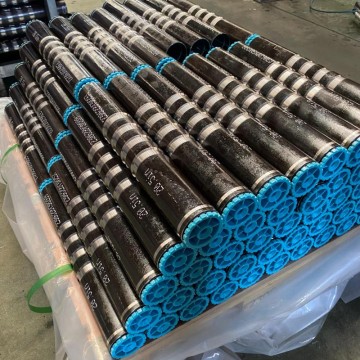
Engineered by leading Chinese suppliers to optimize charge efficiency and maximize entry-hole symmetry in fluid stimulation.
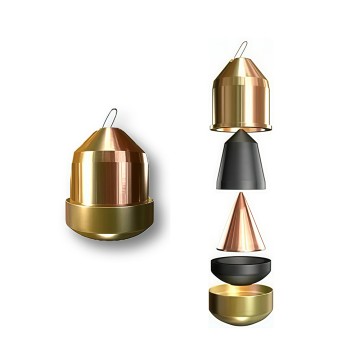
Revolutionary shaped charge designs engineered to deliver deeper penetration and cleaner perforation tunnels for enhanced well stimulation.
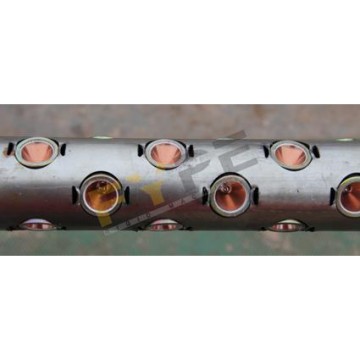
High-density perforation solutions designed to maximize wellbore-reservoir contact and facilitate high-volume fluid injection.
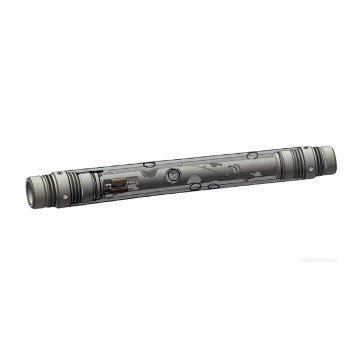
Leading factory solutions optimized for multi-stage plug-and-perf operations in horizontal and unconventional wells.
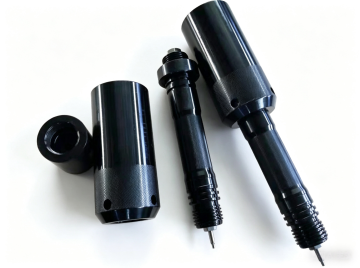
Factory-direct solutions designed to minimize downtime during gun assembly and optimize field operations efficiency.
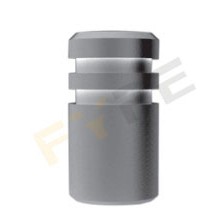
Reliable detonation systems engineered for tubing conveyed perforating (TCP) in harsh downhole environments.
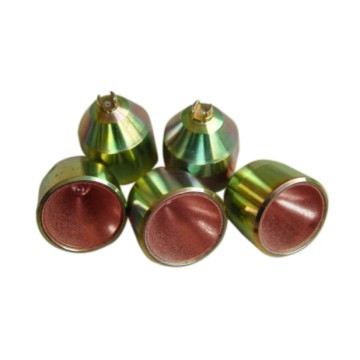
Advanced factory technology designed to automatically remove tunnel debris and enhance post-stimulation flow performance.
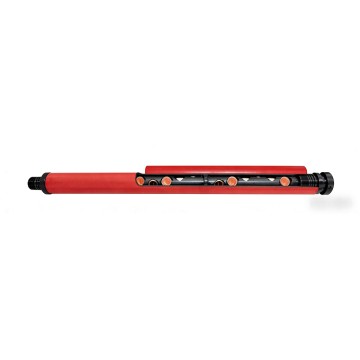
Precision factory solutions designed to align perforations with the reservoir's preferred fracture plane.
At FYPE, we believe every well deserves precision, reliability, and excellence. Whether you require high-performance perforating tools or dependable technical support, we are your trusted partner in the oil and gas industry.