+86-15829394411
Leave Your Message
-
Contact WhatsApp
-
 Contact Phone
-
 Contact Email
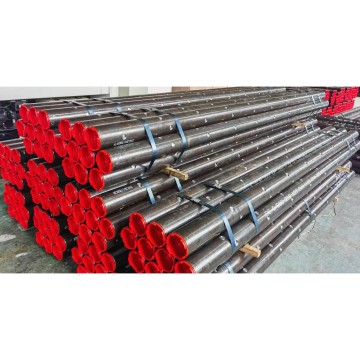
Engineered to deliver clean formation tunnels, optimal entry-hole diameters, and seamless wireline or coiled tubing conveyance during initial completion runs.
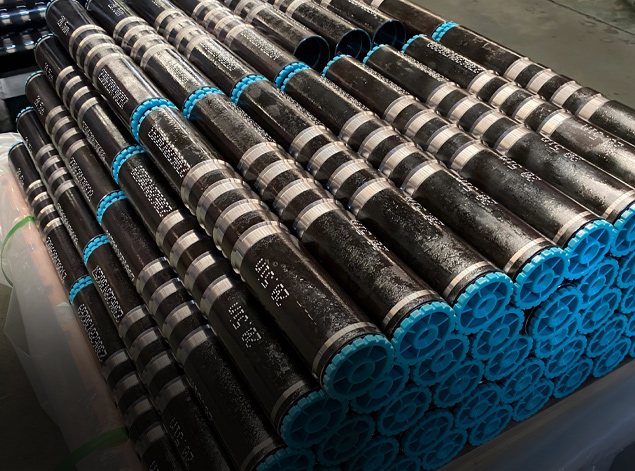
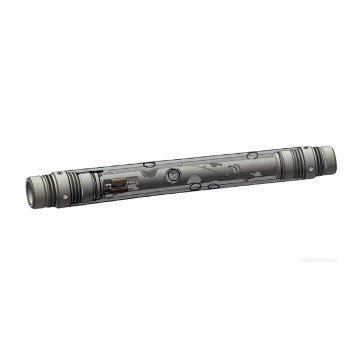
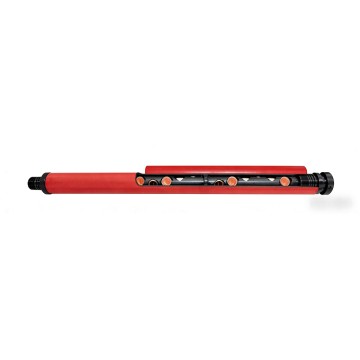
Designed for initial completions requiring flexible ballistic alignment. Instead of scallops, it can shoot regardless of the charge tube’s angular position, optimizing standoff and phasing accuracy.
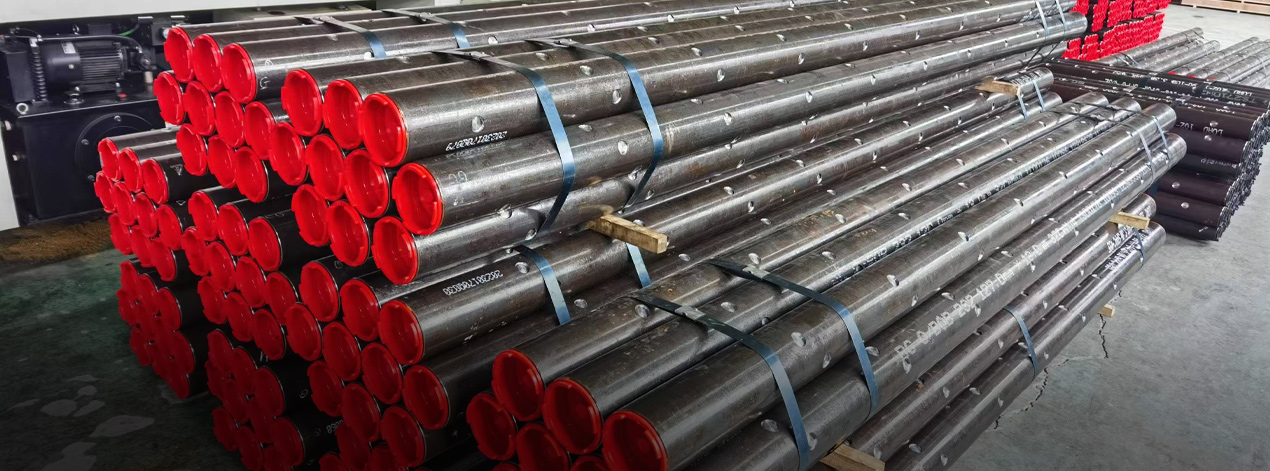
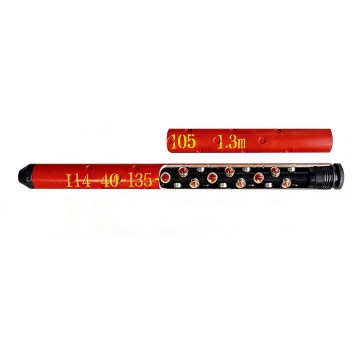
Provides deep penetration and high shot density across extended pay zones in single-trip deployments, drastically lowering intervention cycle times in initial well completion campaigns.
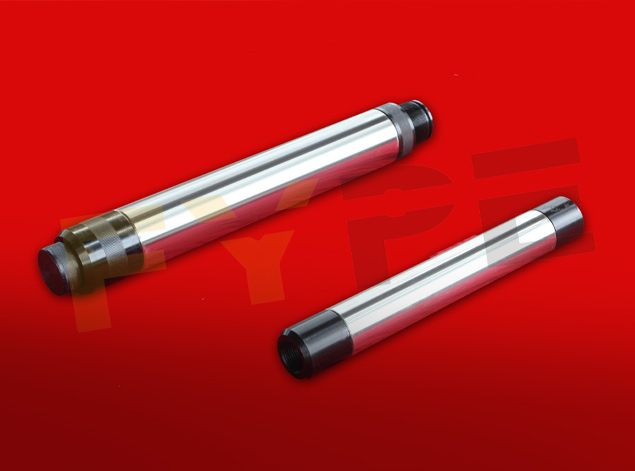
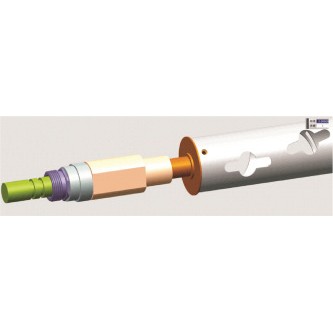
Essential downhole correlation telemetry tool that detects casing collars for precise depth correlation, ensuring shaped charges detonate strictly within target geological horizons.
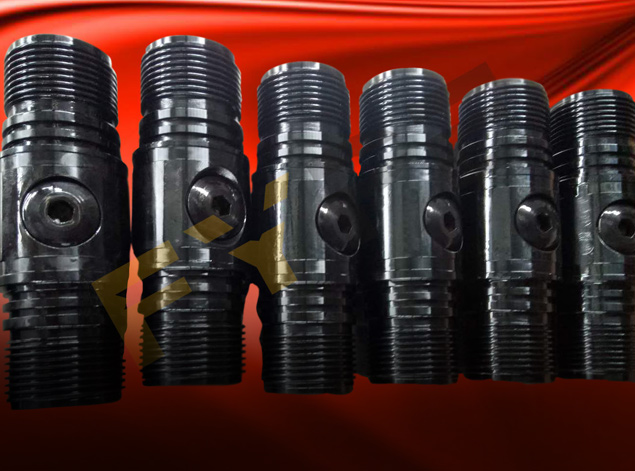
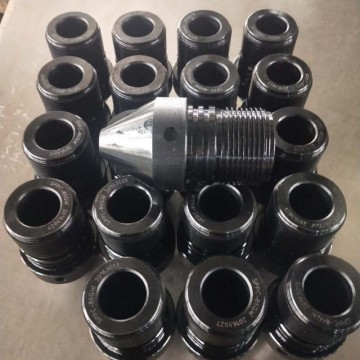
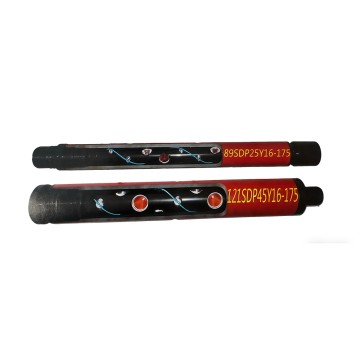
Precision-machined ballistic tandem, top, and bottom connecting components utilized to build dependable ballistic trains, ensure mechanical integrity, and protect internal detonating cords.
Navigating the complex thermodynamic, geomechanical, and commercial demands of modern petroleum exploration.
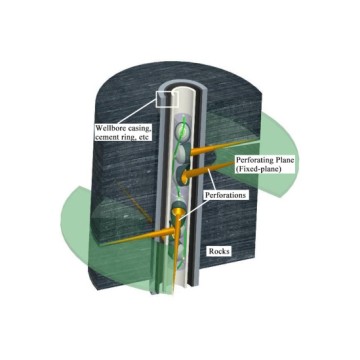
In upstream petroleum engineering, the initial well completion phase represents the ultimate transition from drilling an open borehole to establishing a secure, productive hydraulic conduit with the hydrocarbon-bearing reservoir. Among all completion interventions, the perforating system acts as the critical catalyst. By utilizing controlled ballistic explosive charges, perforating systems penetrate the alloy casing, shatter the primary cement sheath, and bore deep tunnels through the near-wellbore rock matrix. The efficiency of this single operation dictates the reservoir skin factor ($S$), governs near-wellbore fluid convergence, and sets the baseline productivity index ($PI$) for the well's entire economic lifecycle.
From an international industrial standpoint, the demand for high-reliability perforating systems has skyrocketed as operators aggressively pursue low-permeability shale formations, tight sandstone gas, deepwater pre-salt reserves, and ultra-deep high-temperature/high-pressure (HTHP) reservoirs. In unconventional horizontal wells across North America, the Middle East, and the Asia-Pacific region, plug-and-perf (PnP) completion has become the dominant methodology. An average horizontal lateral extending 10,000 to 15,000 feet requires 40 to 80 individual completion stages, consuming thousands of shaped charges and modular perforating guns in a single well.
Consequently, the market has undergone a decisive commercial shift. Operators are no longer evaluating perforating guns solely as expendable tubular goods; rather, they demand integrated, field-ready ballistic assemblies that eliminate operational non-productive time (NPT), mitigate misfire liabilities, and guarantee consistent perforation friction during subsequent high-rate hydraulic fracturing stimulation. A single misfire event during an initial well completion run can trigger costly fishing operations, unseating packers, and lost rig time exceeding hundreds of thousands of dollars.
Moreover, environmental, social, and governance (ESG) considerations along with stringent safety mandates have forced manufacturers to engineer addressable electronic switch architectures, RF-safe initiator technology, and green energetic compounds. The modern perforating system for initial well completion represents a convergence of computational fluid dynamics (CFD), shock wave physics, automated robotics manufacturing, and advanced metallurgy.
Examining how high-speed computation, orientation algorithms, and modular designs revolutionize initial reservoir stimulation.
Machine learning models and finite element analysis (FEA) simulate hydrodynamic jet penetration through variable formation stress regimes. By analyzing petrophysical logs, AI algorithms optimize charge gram-weight, standoff spacing, and shot phasing to minimize fracture breakdown pressure during initial completion stimulation.
Eliminating internal wire splicing, plug-in modular perforating systems incorporate integrated circuit boards directly into gun tandem subs. This modularity slashes surface arming time by up to 60%, drastically mitigates human assembly errors, and prevents accidental detonation from stray voltage or radio frequencies.
In horizontal unconventional laterals, oriented perforating ensures all explosive jets fire exclusively along the plane of maximum horizontal stress ($\sigma_{Hmax}$). This avoids initiation tortuosity, eliminates near-wellbore screenouts, and provides uniform slurry allocation across every cluster in initial fracturing stages.
During the detonation of a shaped charge, an explosive wave traveling at 7,500 to 8,500 meters per second collapses the conical metallic liner into a hypervelocity liquid-metal jet. The tip of this jet impacts the casing wall with pressures exceeding 10 to 15 million psi (70 to 100 GPa). In initial completions, precision engineering must balance charge liner metallurgy (powdered copper, tungsten, lead blends) with carrier wall scallop depth to ensure clean, burr-free casing holes that do not damage downhole packers or introduce localized hydraulic turbulence.
Tailoring ballistic performance to distinct geological architectures, mechanical completion styles, and reservoir fluids.
| Completion Scenario | Conveyance Method | Recommended Perforating System | Critical Engineering Parameters | Primary Reservoir Objective |
|---|---|---|---|---|
| Unconventional Shale Laterals | Wireline Pump-Down (PnP) | Wireline Modular / Directional Clustering | Consistent hole size ($\pm0.02"$), strict phasing | Uniform fluid intake & fracture propagation |
| HTHP Deep Gas Wells | Tubing-Conveyed (TCP) | Ultra-HTHP Heavy-Wall Carrier System | Thermal stability up to 260°C (HNS/PYX), 25k psi collapse | Withstand extreme hydrostatic head before underbalanced surge |
| Unconsolidated Sand Reservoirs | Wireline / TCP | High-Density Big-Hole (BH) Systems | Large entry diameter ($>0.75"$), minimal compaction crush | Enable optimal gravel packing and sand screen integration |
| Multilayered Carbonate Formations | Coiled Tubing (CT) / TCP | High Density Deep Penetration (DP) Guns | Penetration depths exceeding 45–60 inches into matrix | Bypass severe near-wellbore drilling mud filtrate damage |
In conventional and high-permeability initial well completions, Tubing-Conveyed Perforating (TCP) under an engineered underbalanced condition remains the gold standard. By ensuring the wellbore hydrostatic pressure is maintained below the native formation pore pressure, the instantaneous pressure differential immediately surges reservoir fluids into the wellbore upon detonation. This dynamic surge expels pulverized charge debris, crushed rock fines, and liner fragments from the perforation tunnels. FYPE's high-strength TCP assemblies feature heavy-wall alloy carriers capable of absorbing the immense mechanical recoil and dynamic pressure shock waves produced by simultaneous multi-gun detonations.
As offshore deepwater and deep onshore gas explorations push vertical depths past 6,000 meters, bottom-hole temperatures frequently surpass 200°C (392°F) accompanied by hydrostatic pressures exceeding 20,000 psi. Standard RDX and HMX explosive formulations degrade rapidly under these conditions, risking dangerous desensitization or premature auto-ignition. FYPE’s ultra-HTHP perforating systems employ high-stability HNS and PYX secondary high explosives combined with heat-treated premium alloy carrier bodies (such as 4140/4142 modified steels) to maintain absolute structural integrity throughout extended soak times.

Expetro Energy Service Co., Ltd. (FYPE) is a leading manufacturer of downhole perforating systems in China, dedicated to the research, development, and production of shaped charges, perforating guns, and associated accessories for oil and gas completions.
Delivering high-precision ballistic consistency through advanced robotics, strict metallurgical testing, and nearly two decades of international field deployment.
Our professional inspection team operates under a quality management system certified to API Q1 and ISO 9001 standards, ensuring product reliability and superior performance in every delivery.
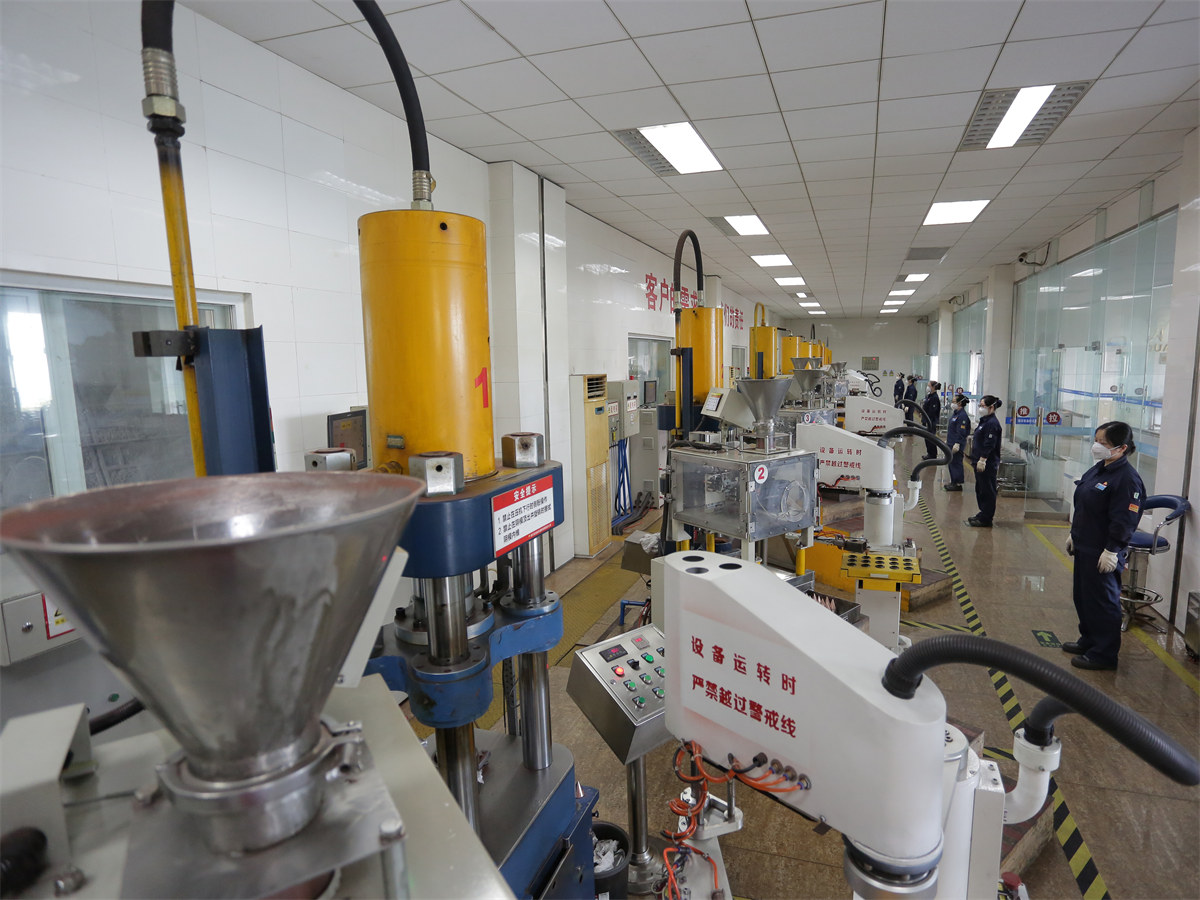
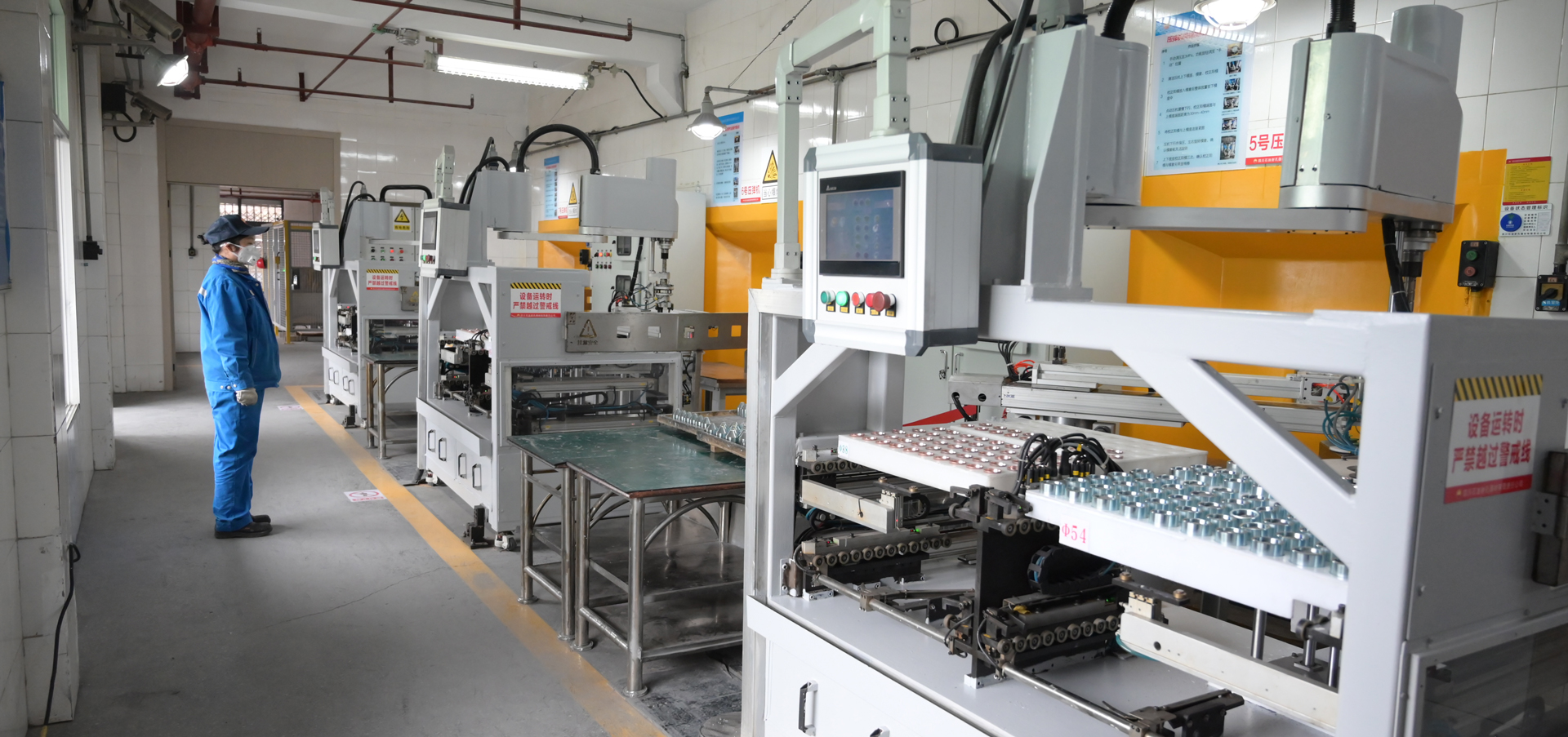
Our automated production lines ensure products consistency and enhance productivity. The daily capacity of shaped charges can reach 10,000. The perforating gun production line can meet the processing of 100+ types with different specifications.
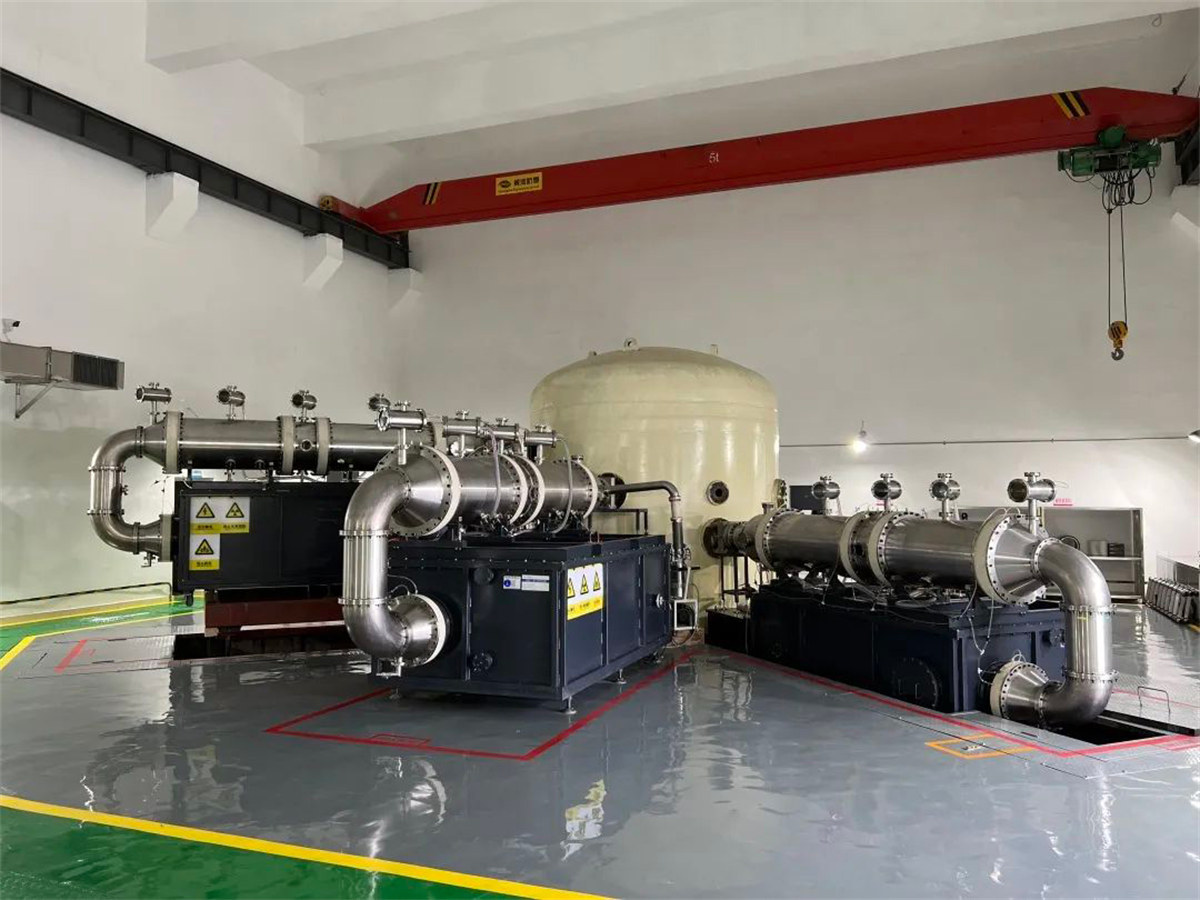
Our lab can carry out the real-core target tests in simulated reservoirs, the ultimate pressure resistance tests on perforation tools, the explosion mechanism tests on shaped charges, etc.
With nearly 20 years of export experience across 38 countries, we deeply understand global market demands and deliver trusted, tailored solutions.
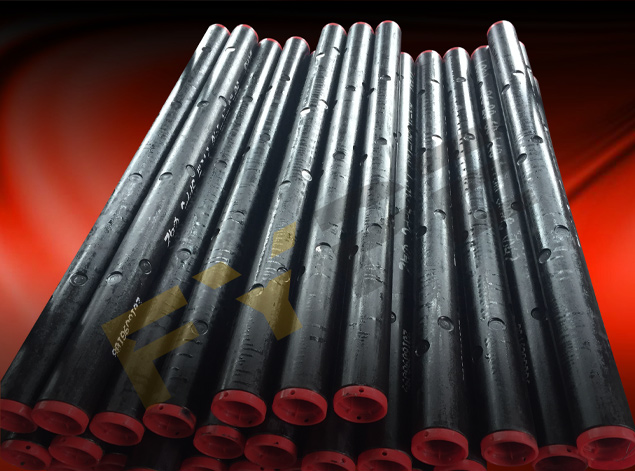
A pictorial view inside our advanced manufacturing facilities, robotic machining lines, and API RP 19B ballistic testing bunkers.








Designed for compact spaces, short intervals, and limited-depth perforation runs during selective initial completions and workovers.
At FYPE, we believe every well deserves precision, reliability, and excellence. Whether you require high-performance perforating tools or dependable technical support, we are your trusted partner in the oil and gas industry.
Inquiry Now
Explore our comprehensive lineup of field-proven carrier systems, modular guns, and high-performance downhole subs engineered to API specifications.