
 +86-15829394411
Leave Your Message
-
Contact WhatsApp
-
 Contact Phone
-
 Contact Email
High-reliability perforating systems engineered to initiate clean flow paths for accurate formation pressure tests.
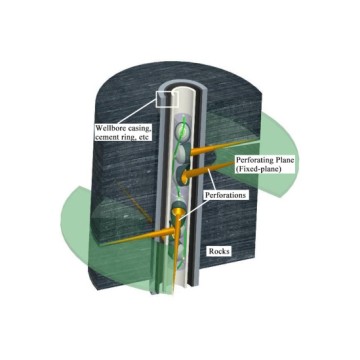
Optimized for uniform stress distribution and precise fracture initiation in complex testing zones.
View Details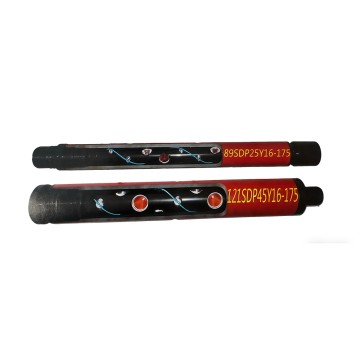
Built to withstand the most hostile deepwater and deep-well environments without thermal degradation.
View Details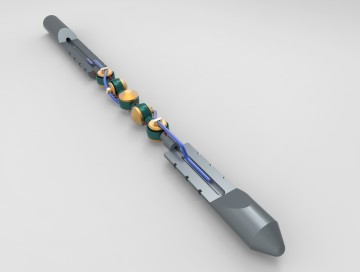
Allows deployment through production tubing to perform pressure testing without pulling the completion string.
View Details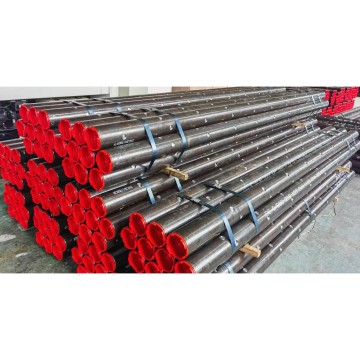
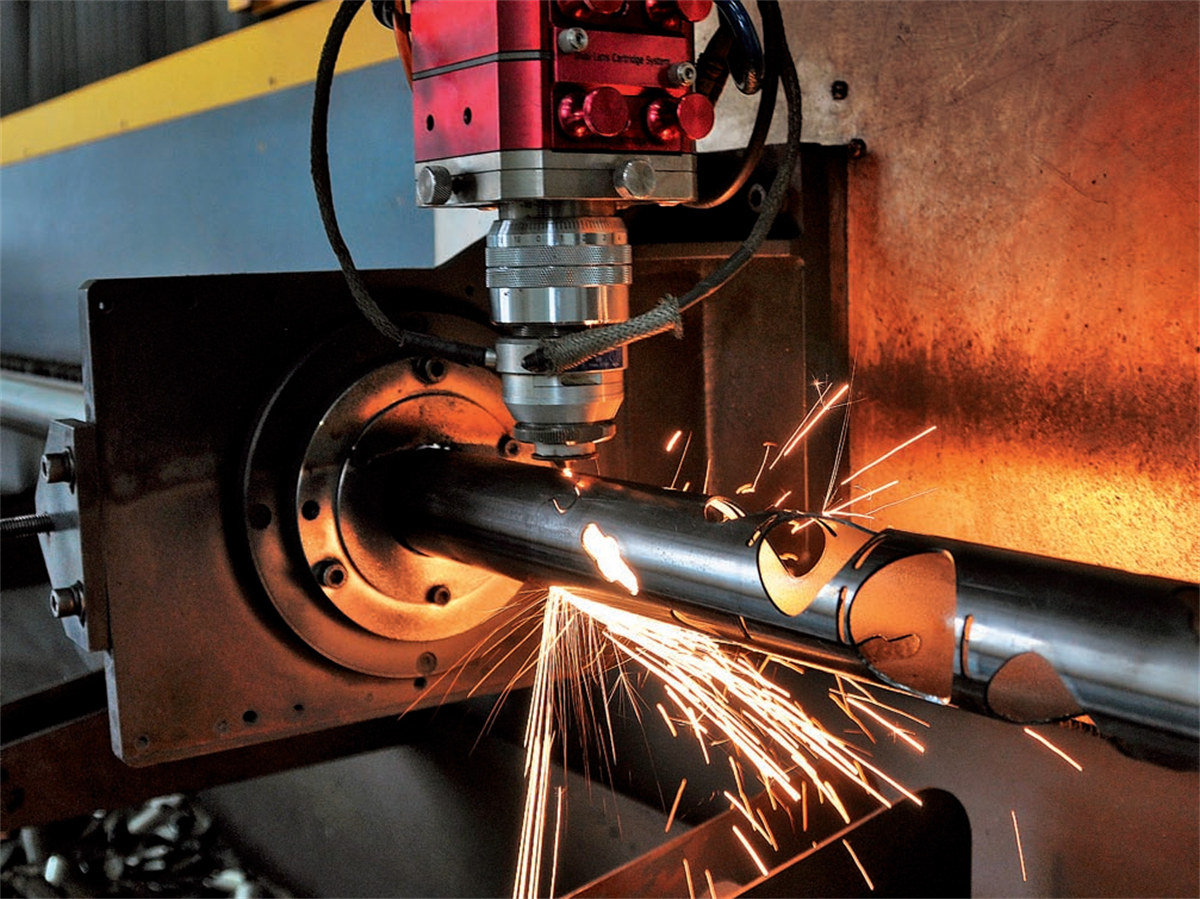
Features recessed scallop pockets to protect charge cases and maintain structural gun body integrity.
View DetailsFormation pressure testing is an indispensable step in modern reservoir evaluation. It allows operators to determine initial reservoir pressure, identify fluid contacts, map reservoir compartmentalization, and acquire clean fluid samples. However, the integrity of these pressure measurements depends entirely on the quality of the connection established between the wellbore and the reservoir formation. This is where high-performance perforating tools become the critical gateway.
When conducting a Drill Stem Test (DST) or using wireline formation testers, the flow path must be clean and free of severe skin damage. Standard drilling operations often create a "mud cake" layer and a zone of invaded filtrate that alters the local pore pressure around the wellbore. If the perforating gun does not penetrate deeply enough beyond this invaded zone, the pressure gauges will record transient data that reflects the properties of the mud filtrate rather than the virgin reservoir pressure.
Furthermore, poor charge performance can cause crushing of the rock matrix, leading to a highly compacted zone around the perforation tunnel. This compacted zone acts as a flow barrier, causing a high skin factor and delayed pressure stabilization during build-up tests. Achieving clean, debris-free, and deep-penetrating tunnels is crucial for obtaining representative reservoir parameters in the shortest possible rig time.
To overcome the issue of compacted zones and debris plugging, advanced perforating systems utilize dynamic underbalance techniques. By carefully calculating the transient pressure drop immediately after charge detonation, engineers can design systems that create a controlled surge of fluid from the formation back into the wellbore. This surge flushes out the crushed rock and charge debris, leaving behind an open, highly conductive tunnel. Consequently, pressure testing tools can establish immediate communication with the reservoir, drastically reducing the time required to achieve stable pressure readings.
Expetro Energy Service Co., Ltd. (FYPE) is a leading manufacturer of downhole perforating systems in China, dedicated to the research, development, and production of shaped charges, perforating guns, and associated accessories for oil and gas completions.

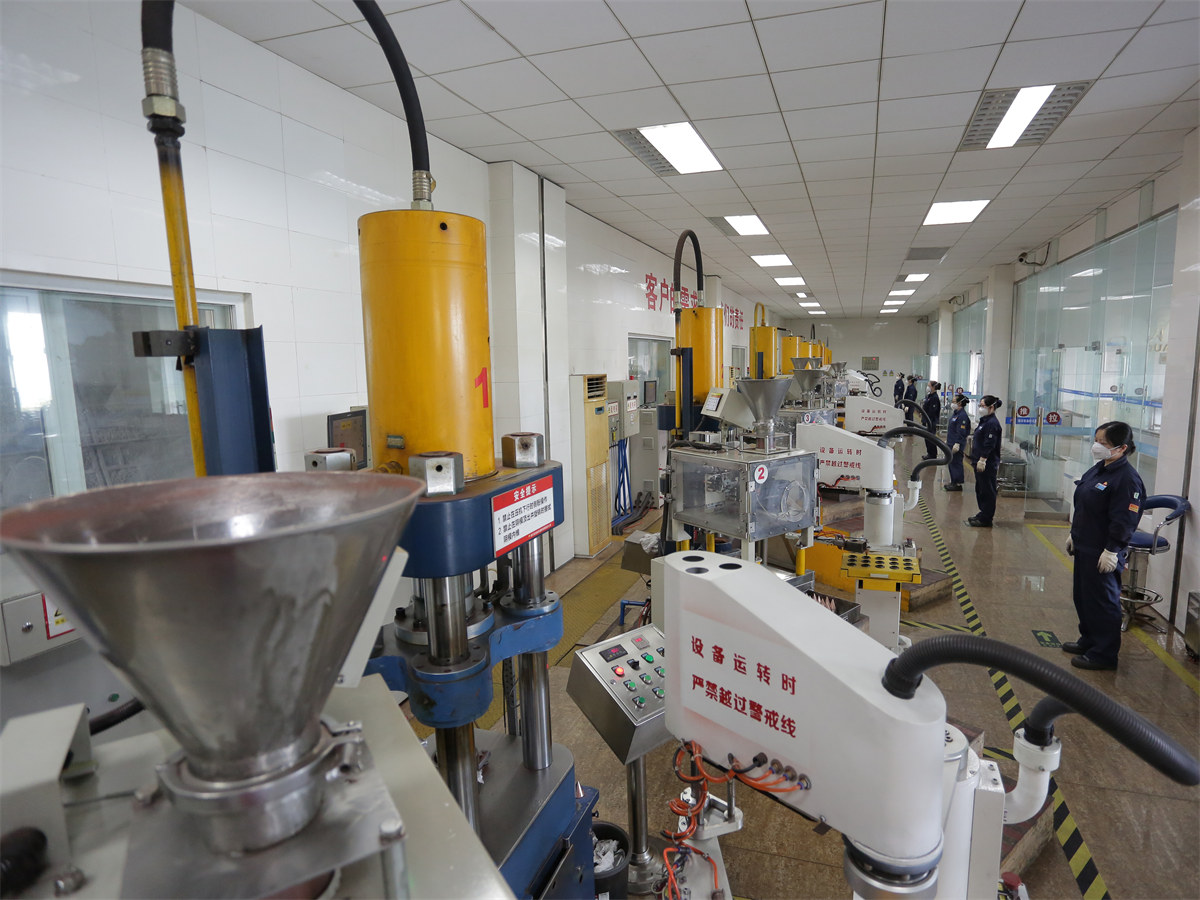
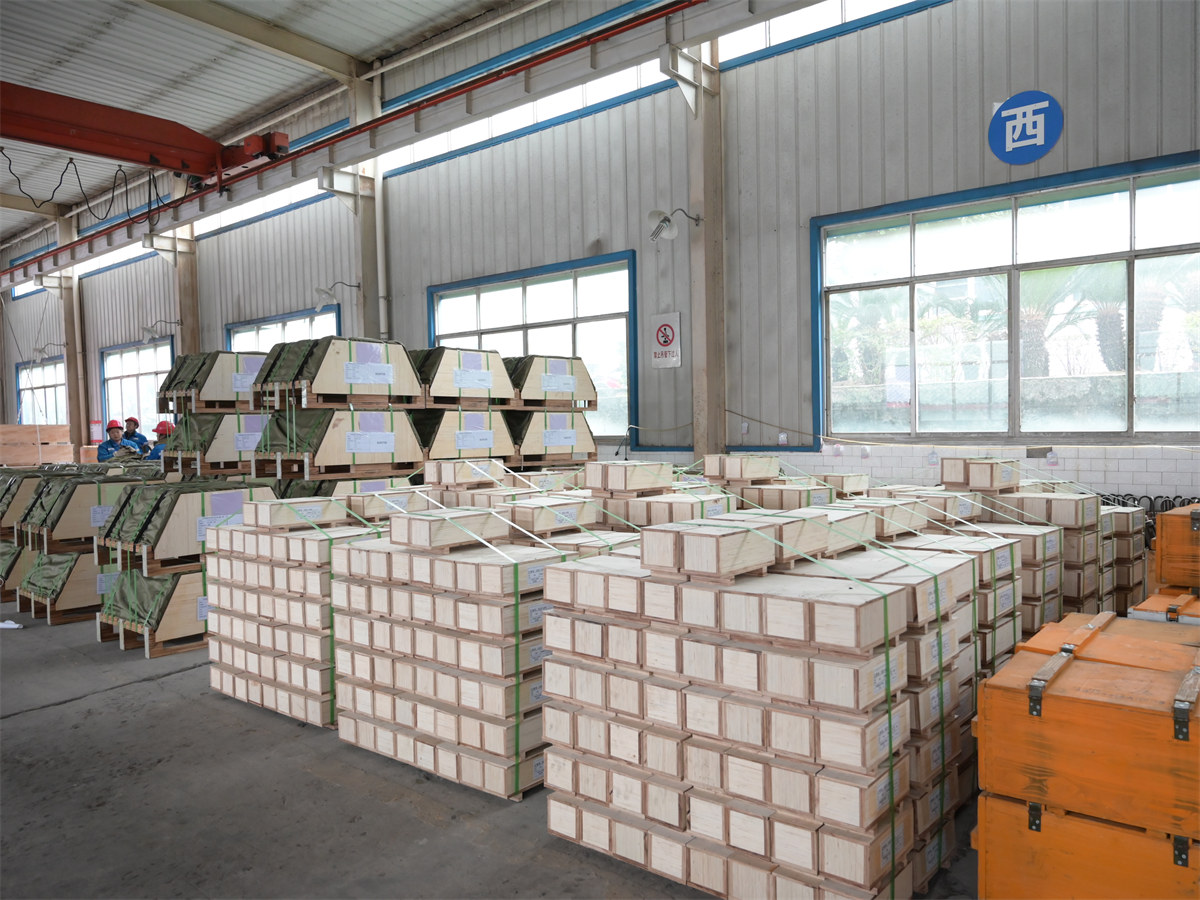
Equipped with state-of-the-art automated production and inspection lines, we deliver over 2.5 million shaped charges and 500,000 meters of perforating guns annually — meeting diverse customer requirements across the global market.
Every stage of our production process strictly adheres to the API Q1 Quality Management System. This unwavering commitment to quality, innovation, and customer satisfaction has established FYPE as a trusted partner in the global energy sector.
To date, our products have served customers in 38 countries worldwide and consistently earn positive feedback for performance and reliability. FYPE is dedicated to expanding its global footprint and building long-term partnerships with clients across continents.
The global oilfield services market is witnessing a major shift. As easy-to-reach reservoirs deplete, exploration companies are targeting unconventional plays, deepwater fields, and high-pressure high-temperature (HPHT) reservoirs. In these challenging environments, the cost of a single day of rig downtime can exceed $500,000. Consequently, operators are moving away from cheap, uncertified downhole tools in favor of highly reliable perforating systems that guarantee a 100% fire rate and predictable flow performance.
In shale gas and tight oil plays, multi-stage horizontal fracturing is the dominant completion strategy. This requires directional clustering perforating systems that can place multiple perforation clusters within a single stage. For formation pressure testing in these wells, precise orientation of the perforations is vital. Perforating in the direction of the minimum horizontal stress allows for easier fracture initiation and more accurate closure pressure measurements during diagnostic fracture injection tests (DFIT).
Modern regulatory frameworks are forcing the industry to adopt cleaner downhole technologies. Traditional zinc-lined shaped charges can leave heavy metal deposits in the wellbore, which react with formation fluids to form scale, blocking flow paths and skewing pressure gauge readings. The industry is rapidly adopting zinc-free, powder-metal-based charges that fragment into microscopic particles, ensuring that the perforation tunnel remains clean and the formation pressure testing tool can retrieve uncontaminated reservoir fluid samples.
Proven downhole completion and testing components deployed globally for reliable performance.
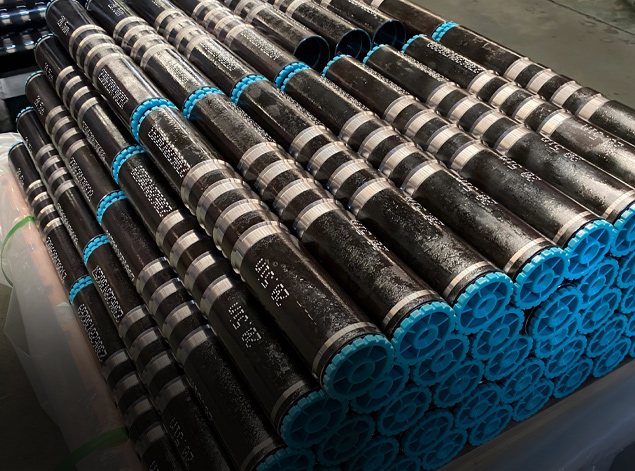
Instead of scallops, it can shoot regardless of the charge tube’s angular position.
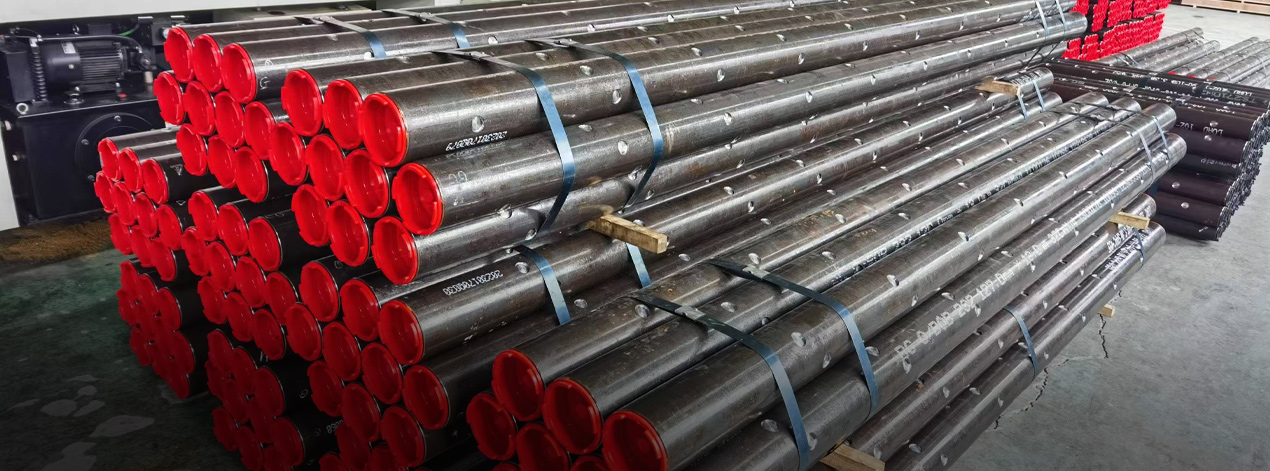
Provides deep penetration and high shot density for optimized reservoir contact.
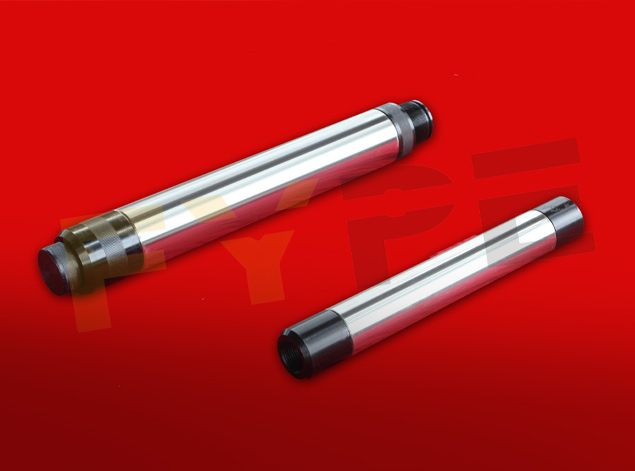
Detects casing collars for precise depth correlation in testing wells.
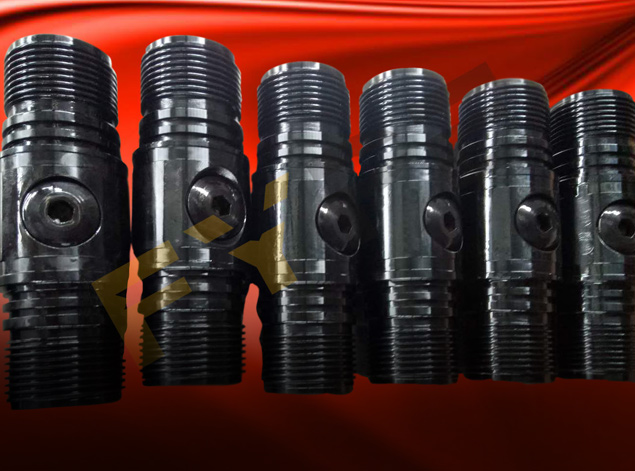
Essential connecting components used to join gun sections securely.
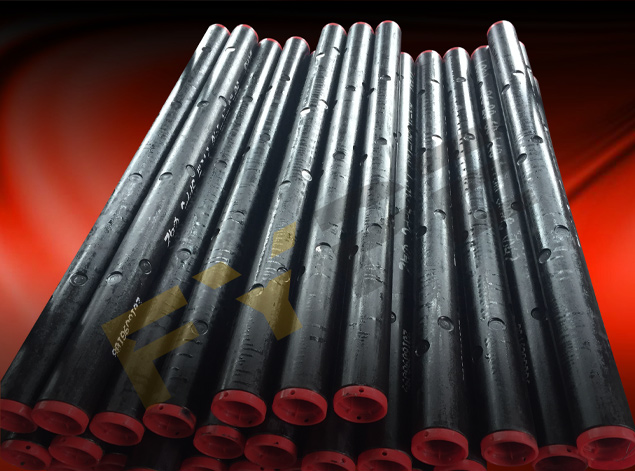
Designed for compact spaces and limited depth perforation requirements.
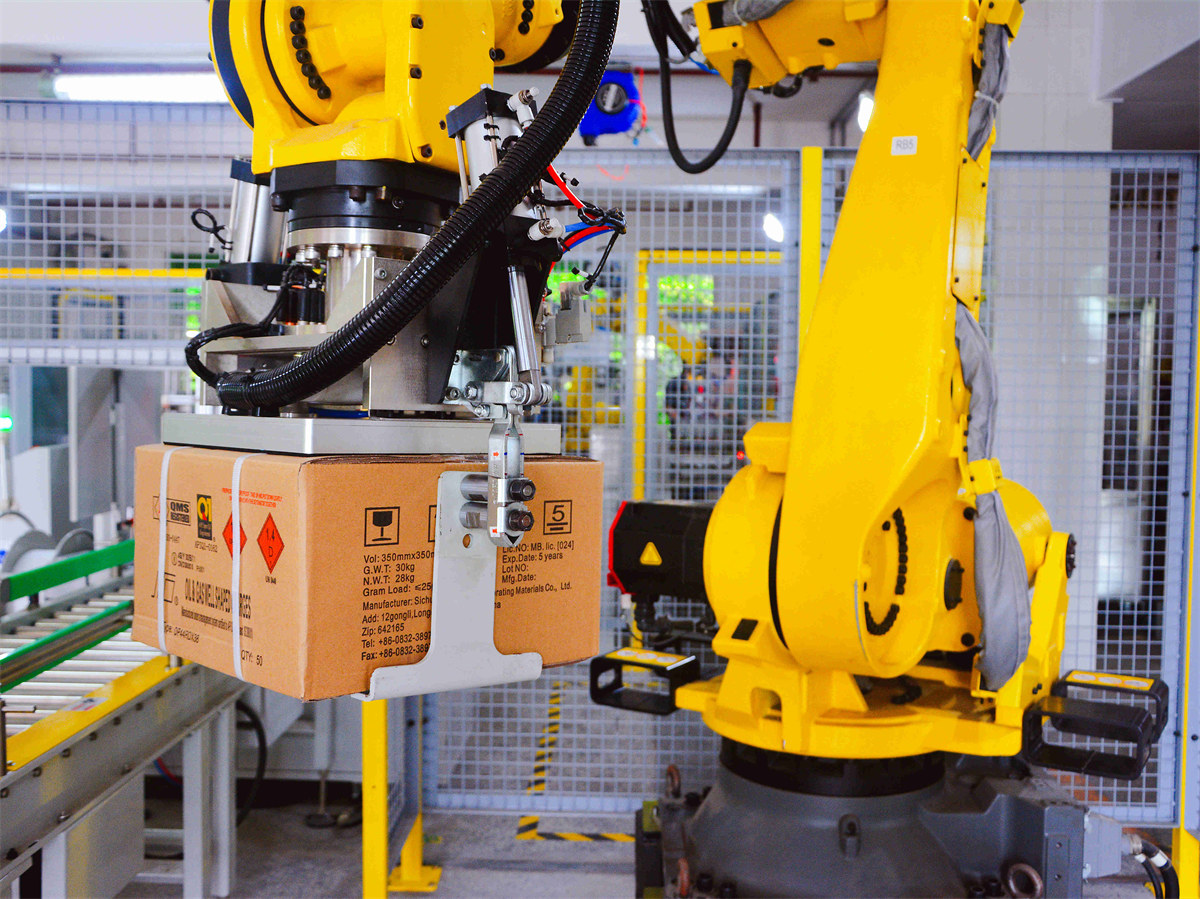
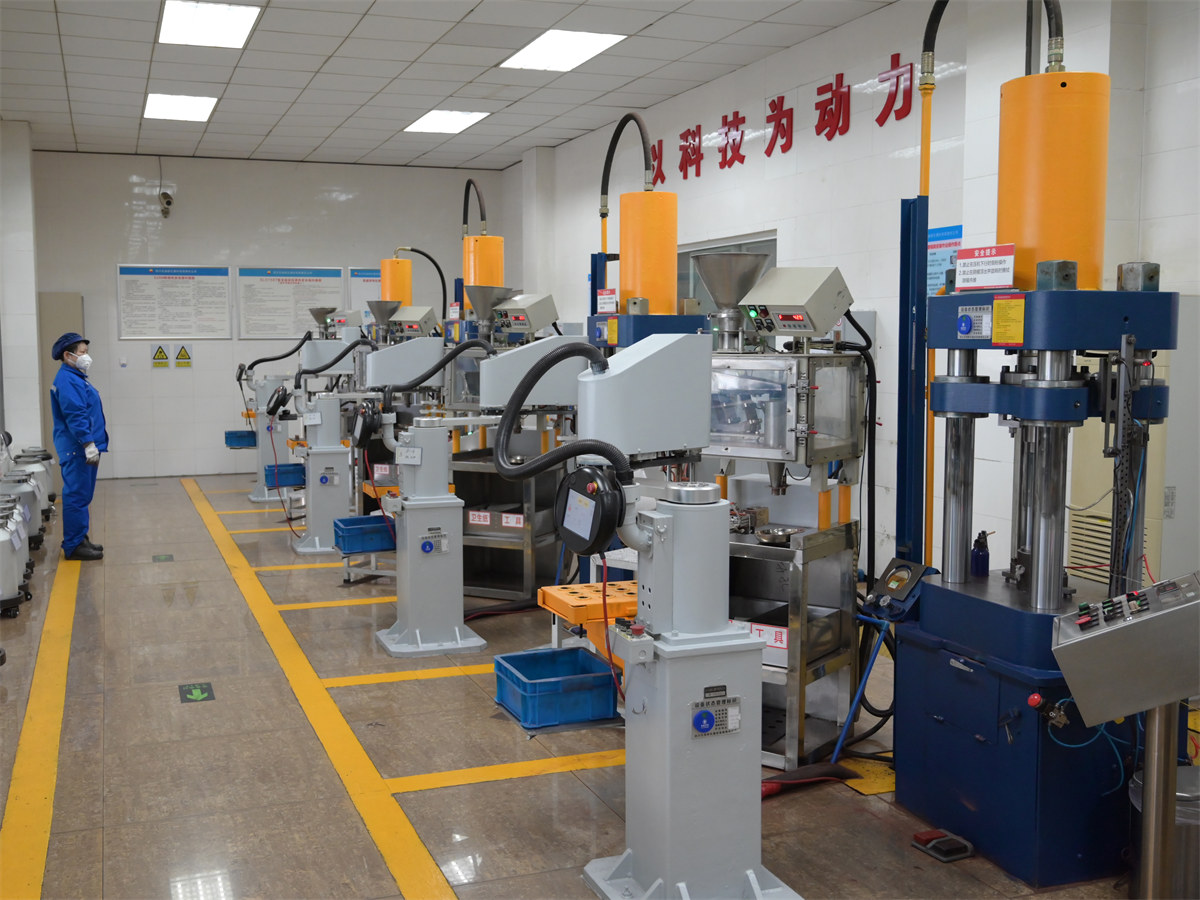
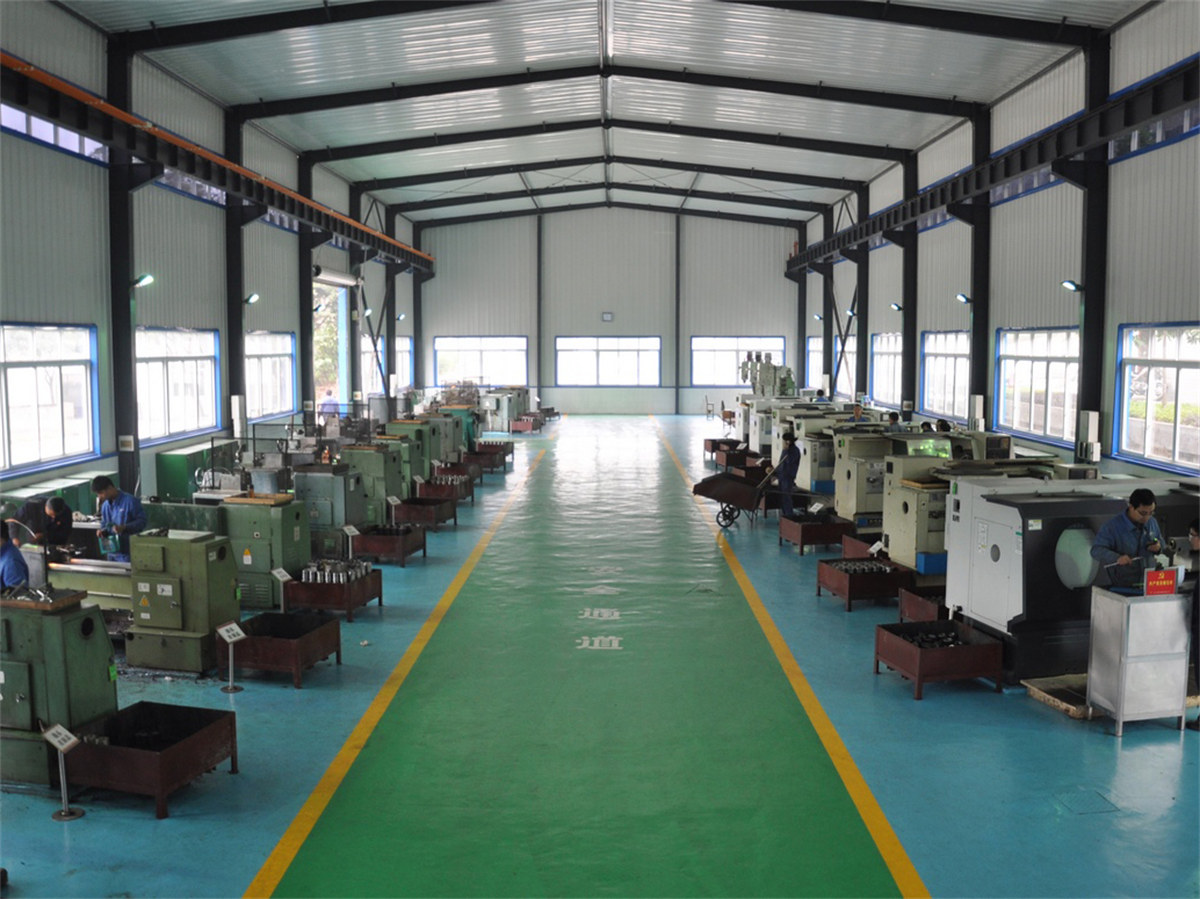
Take a look inside our high-capacity production facility and advanced testing laboratories.
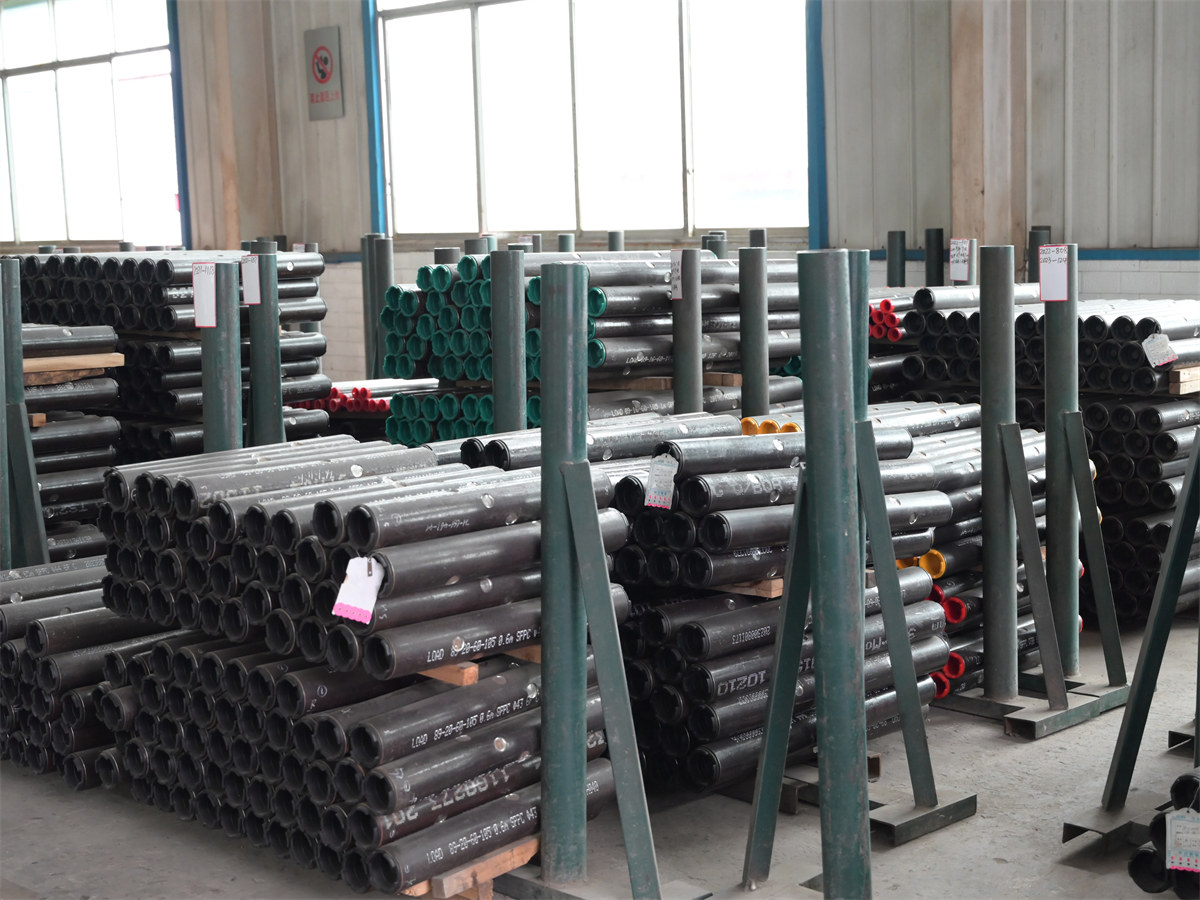
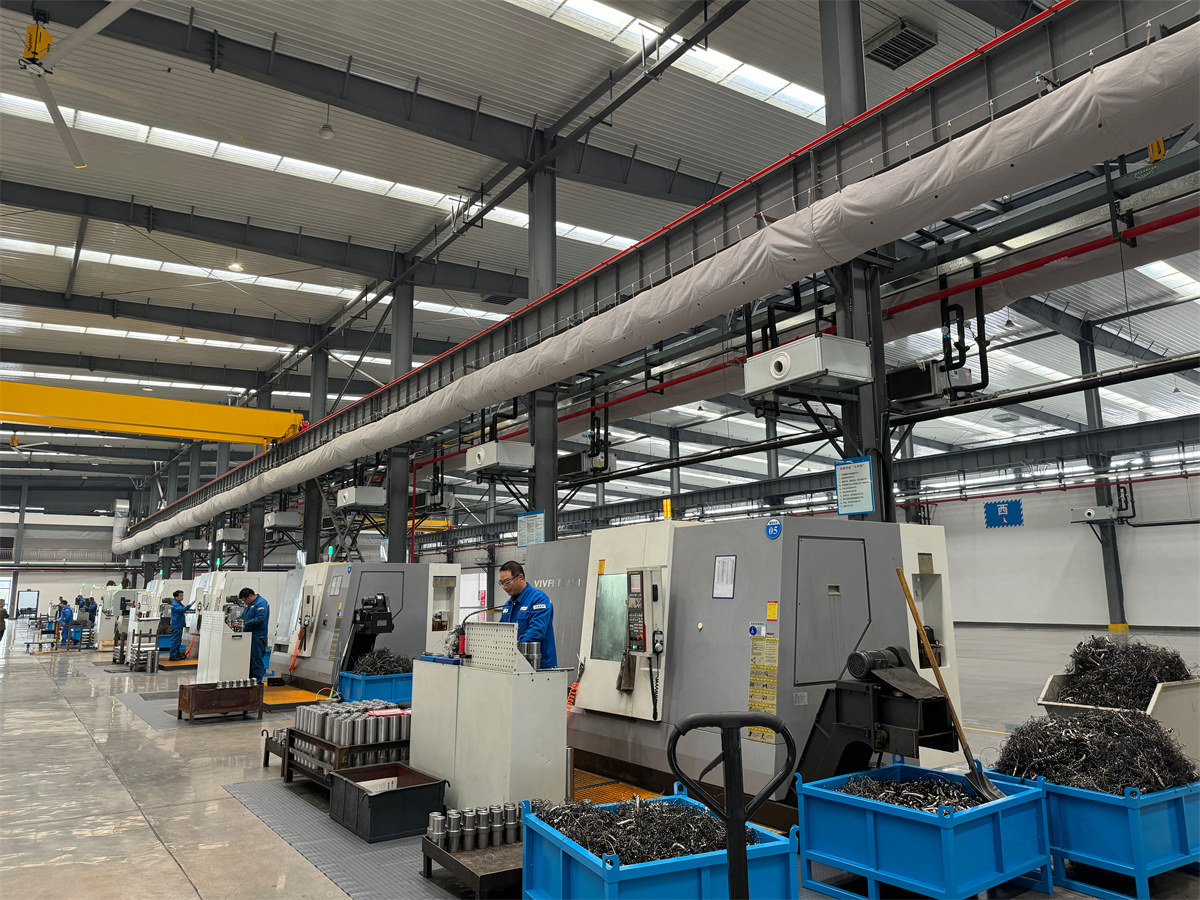
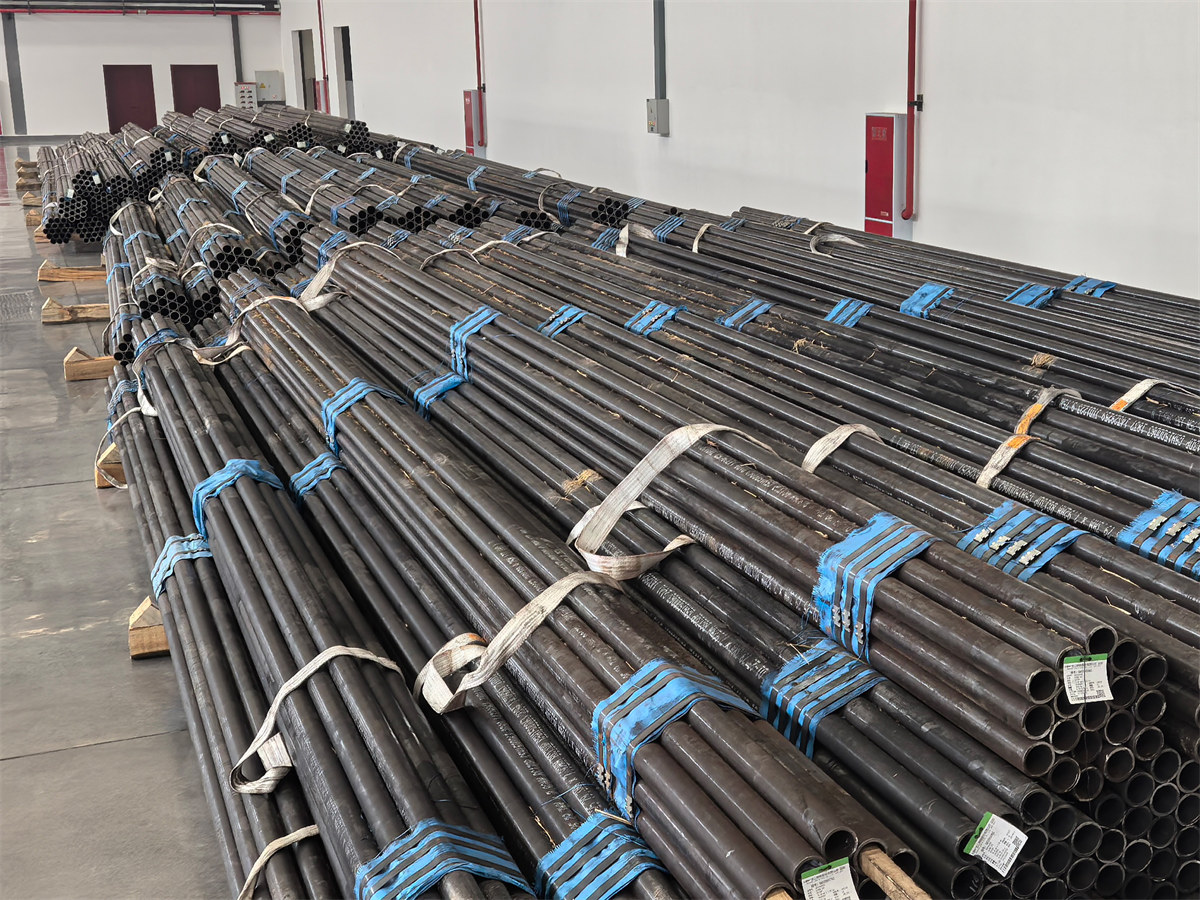
To fully appreciate the engineering behind modern perforating guns, we must analyze how they perform under specific downhole testing scenarios. Different formations and testing methodologies call for highly specialized equipment configurations.
Deepwater HPHT testing wells represent the pinnacle of risk and cost in oil exploration. The bottomhole temperatures can exceed 200°C (392°F), and hydrostatic pressures can surpass 15,000 psi. At these levels, standard RDX explosives will thermally decompose within hours, resulting in a misfire or premature detonation.
For these wells, Expetro designs Ultra High Temperature High Pressure Perforating Guns utilizing HNS or PYX explosives. These specialized charges are rated to withstand extreme temperatures for extended exposure times (e.g., up to 100 hours at 200°C). The gun bodies are manufactured from thick-walled, high-strength alloy steels that prevent casing deformation and ensure the safe retrieval of the gun string after firing. This reliability is vital for the DST tool string to successfully isolate the zone, measure the pressure build-up, and capture representative bottomhole fluid samples.
In shale reservoirs, permeability is extremely low, making traditional pressure transient tests impractical. Instead, operators perform diagnostic fracture injection tests (DFIT) to estimate reservoir pressure, permeability, and the closure pressure of the rock. The success of a DFIT depends on creating a single, clean fracture that propagates outward from the wellbore.
Using a Directional Clustering Perforating System, engineers can align the charges to fire strictly in the plane of the maximum horizontal stress. This orientation reduces the breakdown pressure required to initiate the fracture and prevents the formation of multiple tortuous fractures near the wellbore. Consequently, the subsequent pressure fall-off data is much cleaner and easier to interpret, providing reservoir engineers with accurate data to plan the main multi-stage stimulation job.
In mature fields, operators often need to test upper zones that were bypassed during initial completion. Pulling the production tubing to run a full-sized casing perforating gun is economically unfeasible. In this scenario, a Through Tubing Perforating System is deployed via wireline or slickline through the existing production tubing.
Once the gun clears the bottom of the tubing, it enters the larger casing ID. The shaped charges are fired to penetrate the casing and cement sheath, establishing contact with the bypassed formation. A wireline-deployed formation pressure tester can then be run into the same zone to measure reservoir pressure and determine if the zone contains commercial quantities of hydrocarbons, extending the life of the well at a fraction of the cost.
Why global energy operators trust FYPE for their critical downhole operations.
Our professional inspection team operates under a quality management system certified to API Q1 and ISO 9001 standards, ensuring product reliability and superior performance in every delivery.
Our automated production lines ensure product consistency and enhance productivity. The daily capacity of shaped charges can reach 10,000, while the gun line supports over 100 specifications.
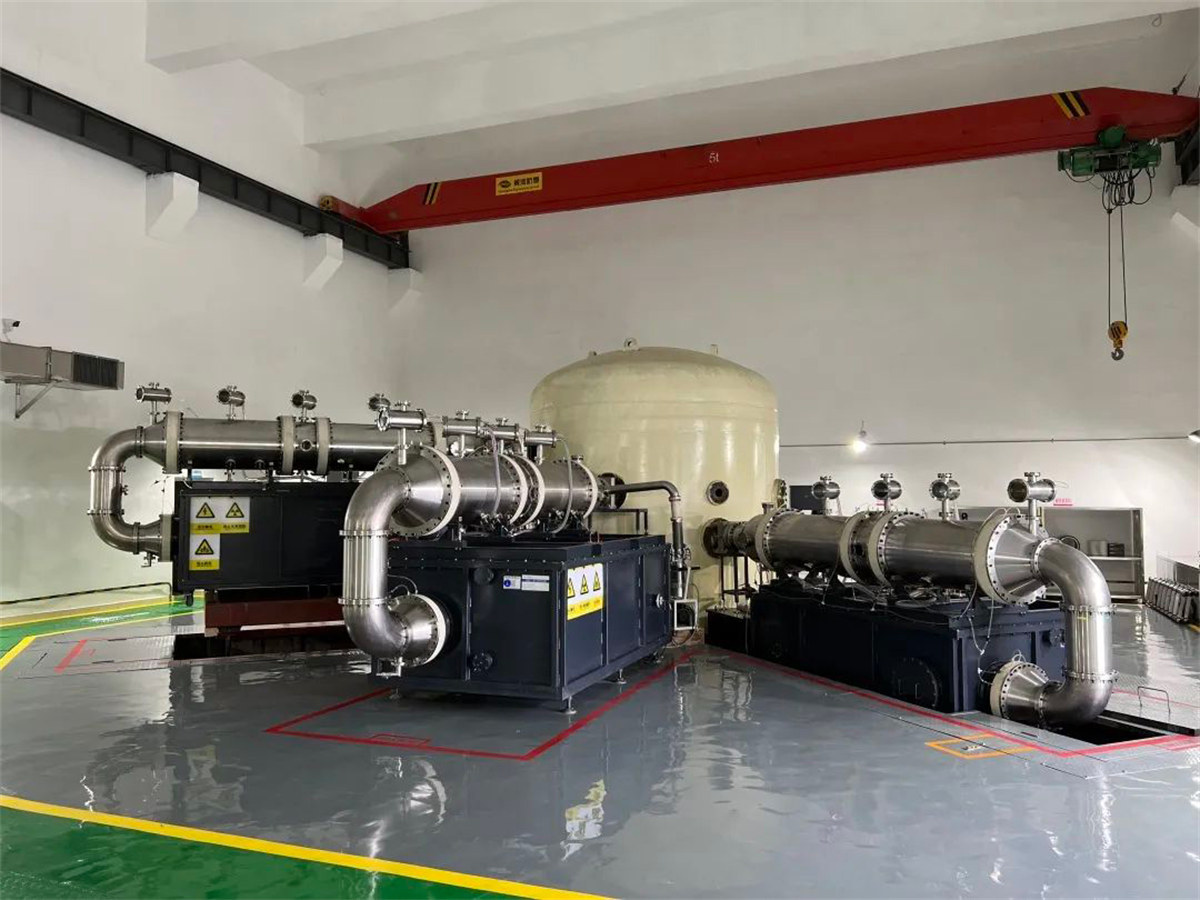
Our lab can carry out real-core target tests in simulated reservoirs, ultimate pressure resistance tests on perforation tools, and advanced explosion mechanism tests on shaped charges.
With nearly 20 years of export experience across 38 countries, we deeply understand global market demands and deliver trusted, tailored solutions for challenging projects.
At FYPE, we believe every well deserves precision, reliability, and excellence. Whether you require high-performance perforating tools or dependable technical support, we are your trusted partner in the oil and gas industry.
Inquiry Now
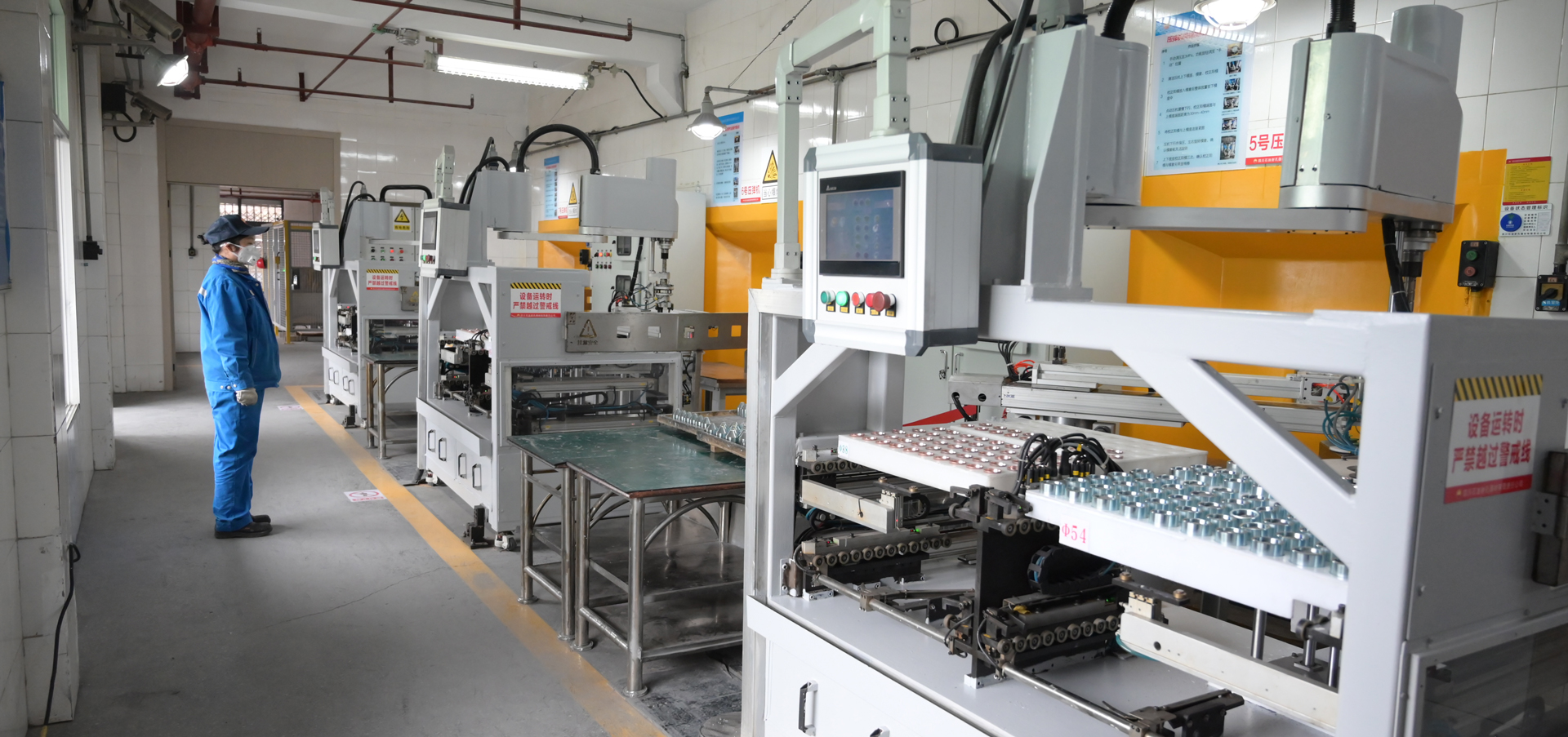
Explore our full line of perforating guns, shaped charges, and downhole accessories.
Delivers precise, aligned perforations for optimized hydraulic fracturing and stress testing.
View Details
Engineered for extreme downhole environments, ensuring reliable detonation under high stress.
View Details
Ideal for cost-effective intervention and pressure testing without removing production tubing.
View Details
Premium steel carrier design featuring scalloped pockets to minimize burrs and casing damage.
View Details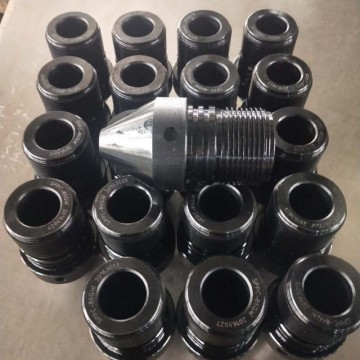
High-strength adapters and crossovers ensuring leak-proof connections in long gun strings.
View Details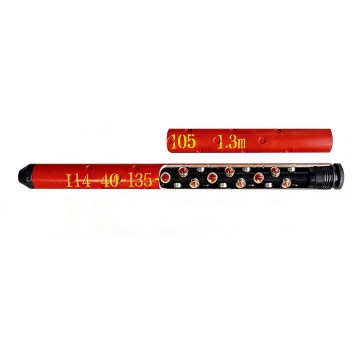
Maximizes reservoir contact by bypassing the near-wellbore damaged zone for higher flow rates.
View Details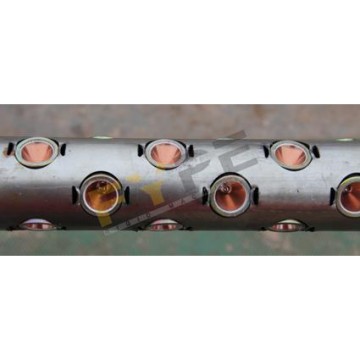
Engineered to create uniform radial flow channels, ideal for injection and production testing.
View Details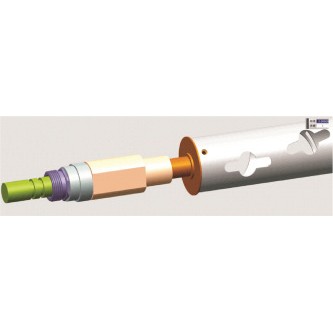
Enables targeted multi-cluster perforation in horizontal wells to optimize stimulation treatments.
View Details