
 +86-15829394411
Leave Your Message
-
Contact WhatsApp
-
 Contact Phone
-
 Contact Email
Engineered specifically to minimize non-darcy skin, reduce mechanical sanding risks, and facilitate uniform gravel packing pack placement in high-permeability sand formations.
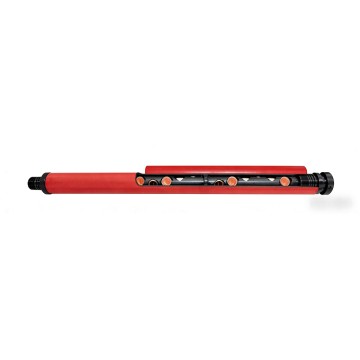
Aligns ballistic perforations strictly with the maximum principal horizontal stress, preventing premature sand face shear failure in horizontal open/cased holes.
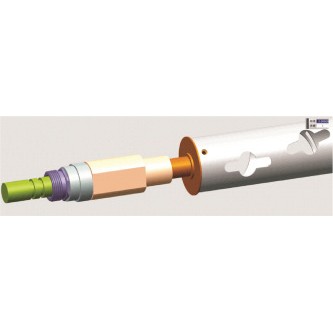
Delivers concentrated, high-density perforation clusters for high-rate gravel pack and frac-pack stimulations, ensuring even proppant distribution across screens.
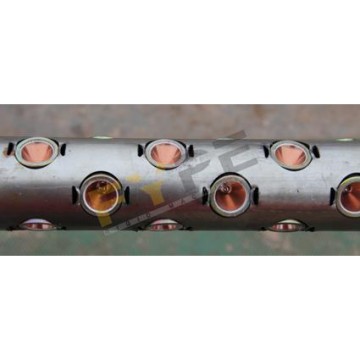
Provides multi-phase radial hole profiles that minimize fluid entrance velocity, keeping drawdown pressure below critical sand mobilization thresholds.
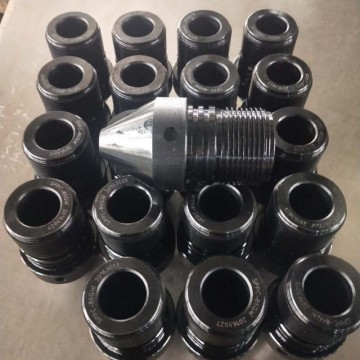
Precision-machined high-strength crossover and pressure-release subs ensuring tool string rigidity and reliable ballistic shock isolation in extended sand control assemblies.
How advanced ballistic physics, entrance hole uniformity, and oriented perforating mitigate formation failure and optimize sand retention screens.
Sand production is one of the most persistent and costly operational challenges encountered in oil and gas production, particularly in geologically young, poorly consolidated sandstone reservoirs. When formation sand is produced alongside hydrocarbons, it causes severe surface equipment erosion, downhole valve and ESP failure, tubing bridging, casing collapse, and severe environmental disposal concerns. Consequently, Sand Control Management is not merely an auxiliary completion technique; it is a fundamental pillar of reservoir lifecycle economics. Within this discipline, selecting the appropriate Perforating Tools represents the very first, critical line of defense against catastrophic sand influx.
Consistent casing hole diameter ensures uniform fluid velocity across every perforation tunnel, preventing localized high-velocity sand fluidization and erosion.
Utilizing zinc alloy and lead-free powdered metal charge cases eliminates jagged charge debris that damages wire-wrapped and premium sand control screens.
Shooting exclusively along the minimum principal stress plane maximizes tunnel cavity stability against in-situ tectonic compressive collapse.
In unconsolidated and friable sandstone reservoirs, every perforation creates a cylindrical or conical cavity extending through the casing, cement sheath, and into the formation rock. The mechanical stability of this perforated tunnel is governed by the equilibrium between in-situ formation stresses, pore fluid pressure, rock compressive strength, and the operational drawdown gradient. When fluid rushes from the matrix into the wellbore, drag forces act directly on the sand grains. If the drag force and shear stress exceed the cohesion of the rock, sand grains dislodge and begin to mobilize.
Conventional perforating systems designed solely for maximum penetration depth (DP charges) frequently create narrow, irregular perforation tunnels surrounded by a heavily compacted "crushed zone." This low-permeability crushed zone acts as a flow bottleneck, dramatically spiking local differential pressure and flow velocity. The resulting high fluid velocity tears apart the unbonded sand matrix, triggering extensive sand production. Modern perforating tools tailored for sand control address this by employing Big Hole (BH) and Extreme Overbalance (EOB) technologies to create smooth, clean, wide entrance diameters (typically 0.60 to 1.10 inches) that distribute the inflow area and lower local drag velocity well below critical sanding thresholds.
| Perforation Strategy | Primary Hole Metric | Crushed Zone Characteristic | Sand Control Completion Suitability |
|---|---|---|---|
| Deep Penetration (DP) | Small EH (0.28" - 0.42"), Long Tunnels (>35") | High compaction thickness; high skin | Unfavorable for direct gravel packing; best for tight gas |
| Big Hole (BH) Gravel Pack | Large Uniform EH (0.65" - 1.15"), Shorter Tunnels | Low compaction; easily flushed / packed | Ideal for Cased-Hole Gravel Packing (CHGP) |
| Oriented High Shot Density (HSD) | Medium-to-Large EH, Phasing: 0°/180° | Aligned with reservoir stress vectors | Frac-Packing and highly anisotropic tectonic zones |
| Clean / Non-Debris Energetics | Clean circular geometry without burrs | Zero lead/copper residue in tunnel cavity | Standalone Screens (SAS) & Expandable Sand Screens |
In cased-hole completions utilizing Gravel Packing (CHGP) or Frac-Packing (FP), the primary objective of perforating tools is to facilitate 100% packing efficiency within both the perforation tunnels and the casing-screen annulus. If even a fraction of the perforation tunnels remains unpacked by proppant or gravel, formation sand will collapse into these void spaces during subsequent production. This collapsed sand acts as a micro-finishing abrasive, cutting through the screen mesh under localized jetting action—a catastrophic failure mode known as screen erosion.
To prevent this, high-performance perforating gun systems utilize shot densities ranging from 12 to 21 shots per foot (SPF) with optimized spiral or radial phasings (such as 45°, 60°, or 135°). This high shot density maximizes total flow area per foot of casing (Open Hole Area per Foot), minimizing the pressure drop across the casing wall. Furthermore, specially tuned explosive charge geometries generate uniform entry holes across different casing weights and wall thicknesses, guaranteeing that carrier fluid carrying the gravel slurries can easily enter every perforation without premature bridge-off or screenout at the casing outer wall.
In deviated and horizontal wells drilled through weak sand formations, horizontal stresses are highly anisotropic ($\sigma_H \neq \sigma_h$). Perforating in the direction of the maximum principal stress ($\sigma_H$) subjects the roof and floor of the perforation tunnel to maximum compressive stress concentrations, causing premature shear failure of the rock and uncontrolled sand calving.
Our Horizontal Oriented Perforating Guns utilize mechanical gyroscopic orientation and self-aligning weight bars inside scalloped carriers. This ensures that the shaped charges fire precisely into the stable azimuth window (typically oriented along the vertical or minimum stress axis), increasing the critical drawdown pressure limit before sand production occurs by up to 300%.
When perforating shaped charges detonate, the metal case of the charge, the alignment tube, and the primer cords disintegrate. In conventional operations, this debris falls to the bottom of the well or remains lodged inside the perforation tunnel. In a sand control well, this debris poses severe risks:
The industry is transitioning rapidly toward data-driven, intelligent completions. Modern sand control perforation design is no longer a one-size-fits-all approach based on simple geometric formulas. Emerging developments include:
Expetro Energy Service Co., Ltd. (FYPE) is a leading manufacturer of downhole perforating systems in China, dedicated to the research, development, and production of shaped charges, perforating guns, and associated accessories for oil and gas completions worldwide.
With decades of ballistic expertise, our advanced perforating solutions are specially configured for sand-sensitive reservoirs, unconsolidated formations, deepwater cased-hole gravel packs, and complex directional wells.
Equipped with state-of-the-art automated production and inspection lines, we deliver over 2.5 million shaped charges and 500,000 meters of perforating guns annually—meeting diverse customer requirements across the global market.
Every stage of our production process strictly adheres to the API Q1 Quality Management System. This unwavering commitment to quality, innovation, and customer satisfaction has established FYPE as a trusted partner in the global energy sector.
To date, our products have served customers in 38 countries worldwide and consistently earn positive feedback for performance and reliability. FYPE is dedicated to expanding its global footprint and building long-term partnerships with clients across continents.

Combining automated ballistic manufacturing, certified API Q1 quality management, and rigorous real-core testing for premium sand control perforating integrity.
Our professional inspection team operates under a quality management system certified to API Q1 and ISO 9001 standards, ensuring product reliability and superior performance in every delivery.
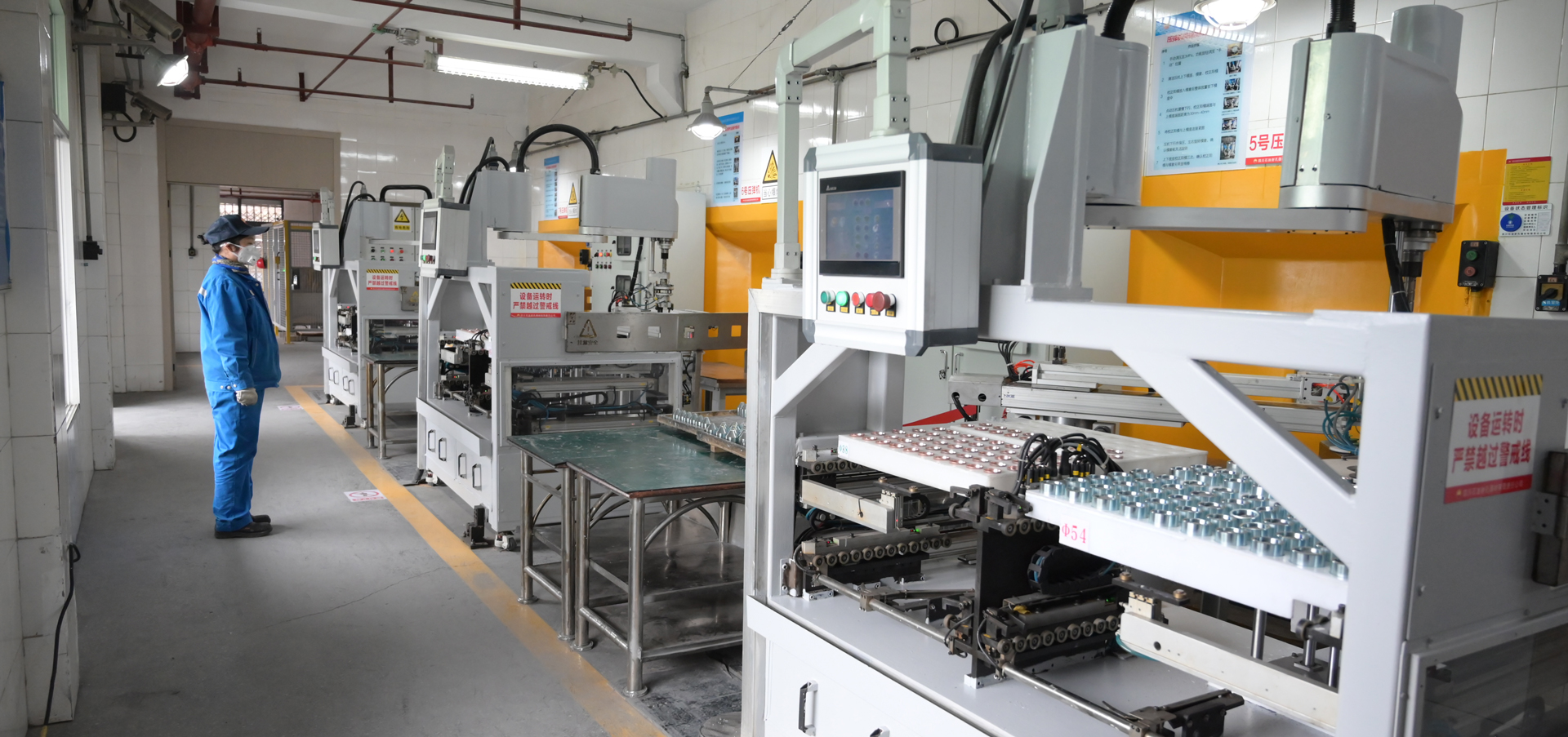
Our automated production lines ensure products consistency and enhance productivity. The daily capacity of shaped charges can reach 10,000. The perforating gun production line can meet the processing of 100+ types with different specifications.
Our lab can carry out real-core target tests in simulated reservoirs, ultimate pressure resistance tests on perforation tools, explosion mechanism tests on shaped charges, and sand-gravel pack entrance verification.
With nearly 20 years of export experience across 38 countries, we deeply understand global market demands and deliver trusted, tailored ballistic and sand control solutions.
Tour our advanced CNC machining centers, automated shaped charge pressing cells, hydrostatic testing chambers, and ballistic assembly facilities.
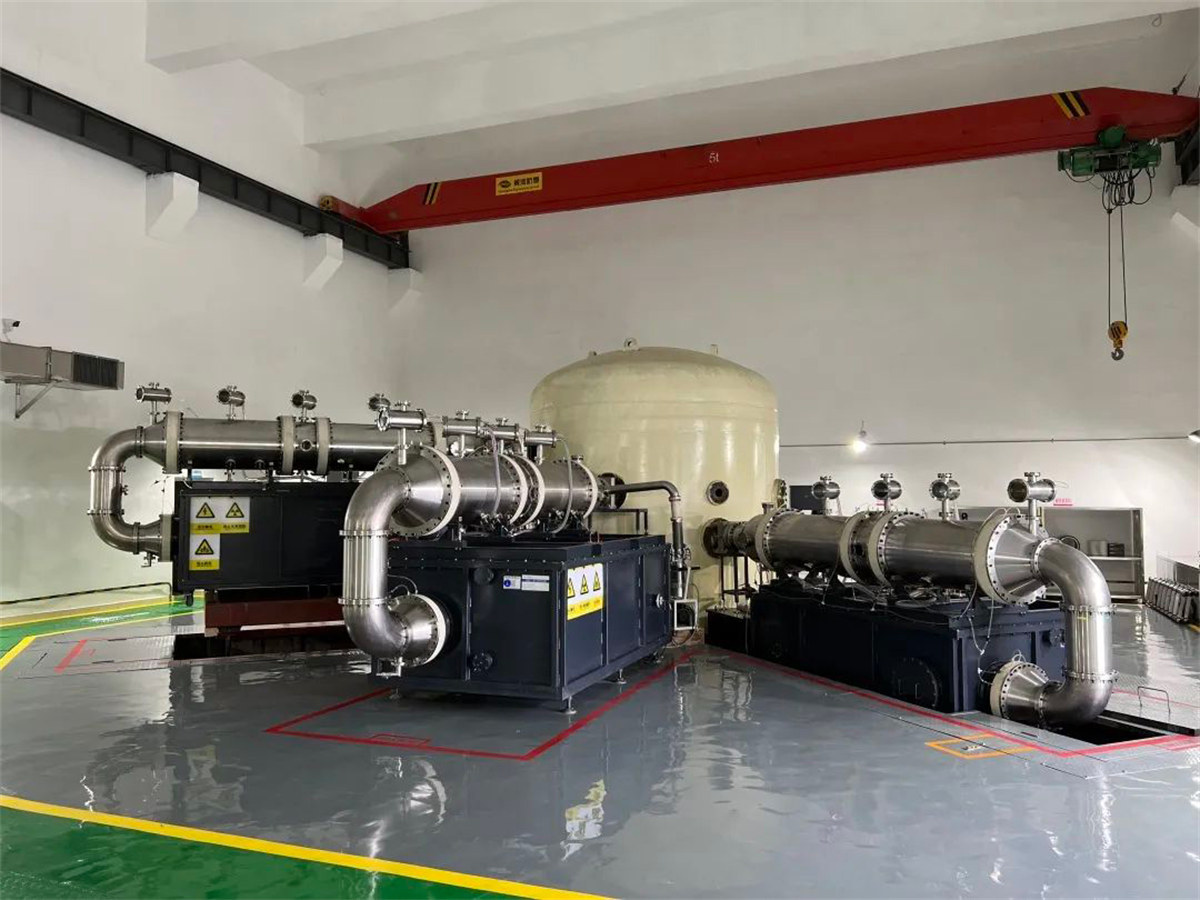
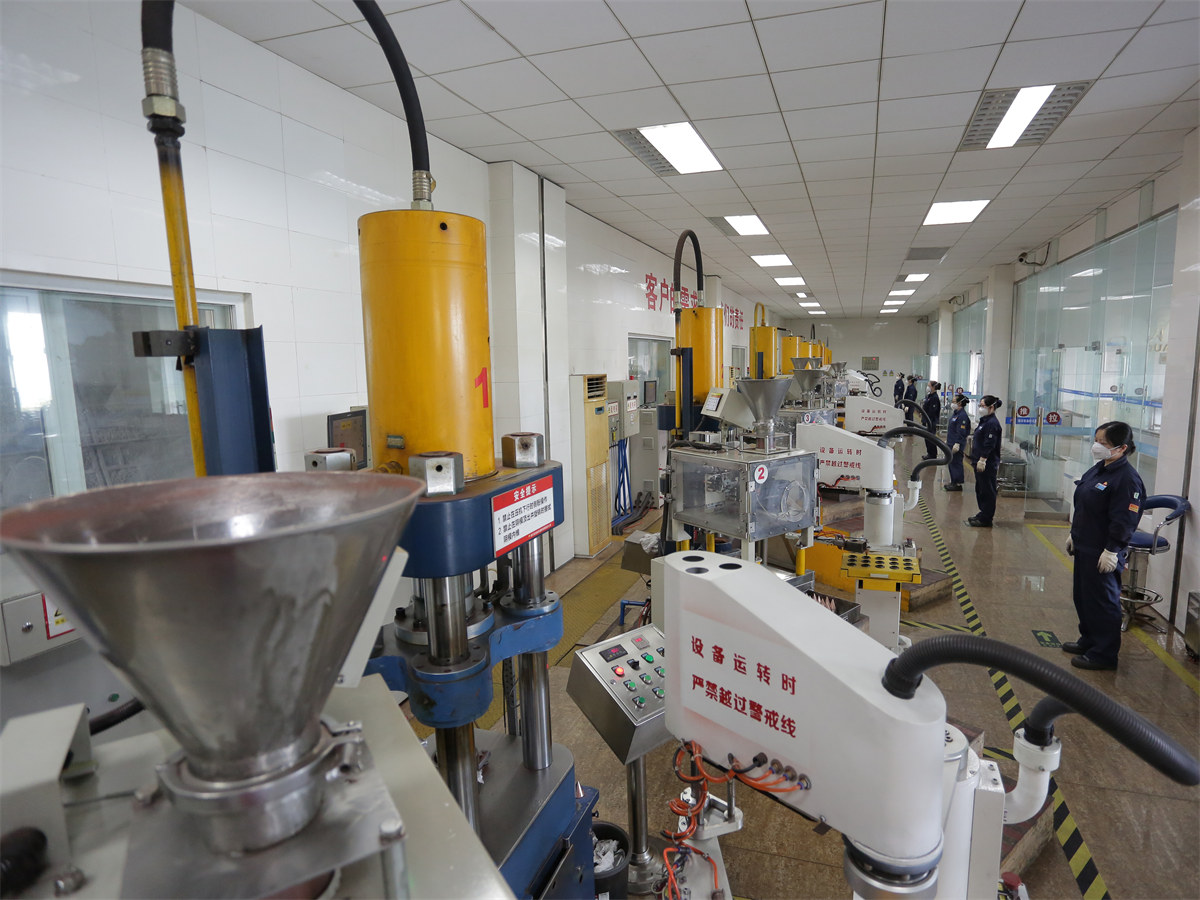








To date, our products have served customers in 38 countries worldwide and consistently earn positive feedback for performance, reliability, and precision downhole deployment.
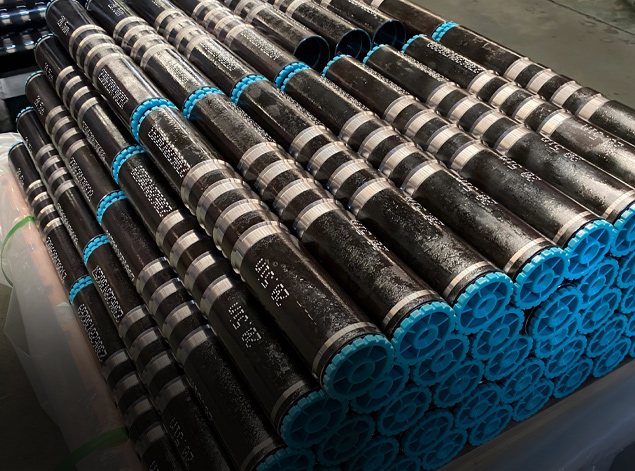
Instead of scallops, it can shoot regardless of the charge tube's angular position.
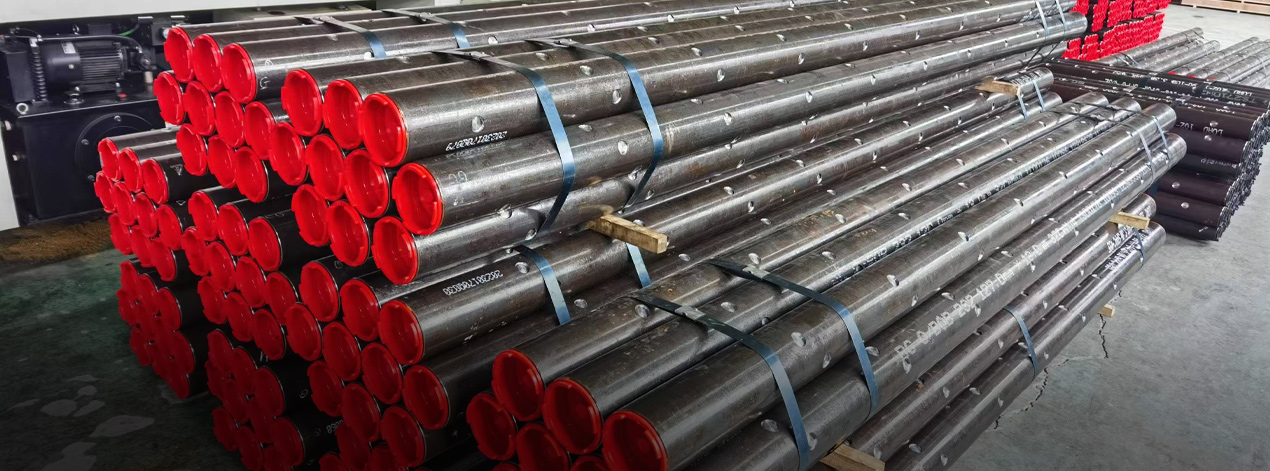
Provides deep penetration and high shot density for high-flow interval stimulation.
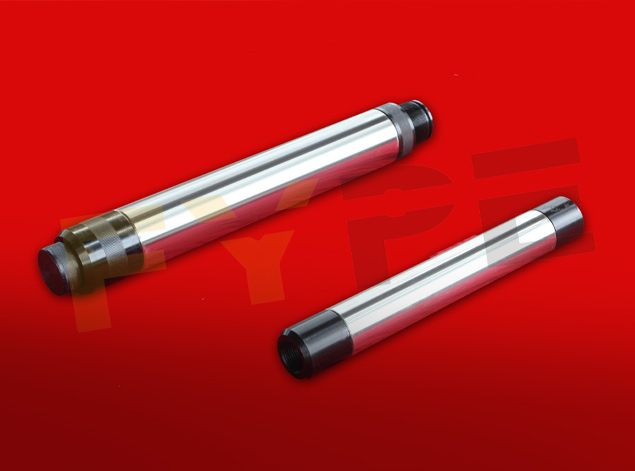
Detects casing collars for depth correlation in wells prior to ballistic firing.
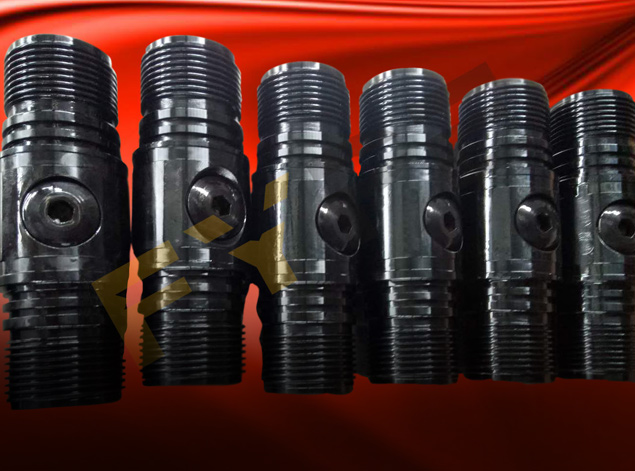
Connecting components used in perforating systems for pressure integrity and shock resistance.
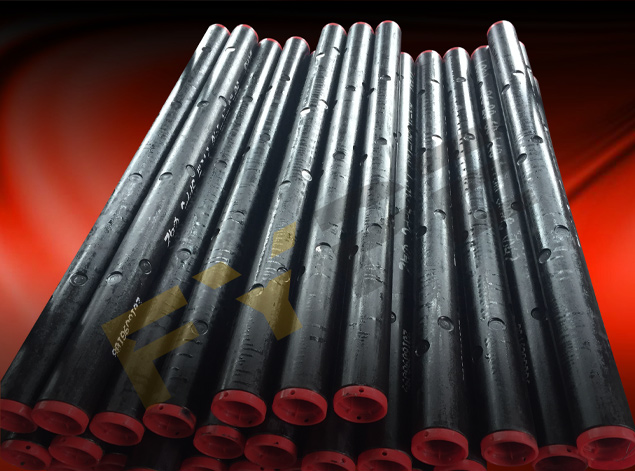
Designed for compact spaces, short payzones, and limited depth perforation.
At FYPE, we believe every well deserves precision, reliability, and excellence. Whether you require high-performance perforating tools or dependable technical support for sand control management, we are your trusted partner in the global oil and gas industry.
Explore our complete range of certified perforating guns, through-tubing systems, and specialized completion hardware engineered for demanding downhole environments.
Self-aligning directional gun body for targeted orientation along reservoir stress planes.
Multi-cluster directional initiation for optimized fracture conductivity and gravel slurry intake.
Coaxial configuration providing dense 360-degree flow distribution to suppress entrance drawdown.
High-torque connection subs with integral pressure-release and shock-absorbing mechanisms.
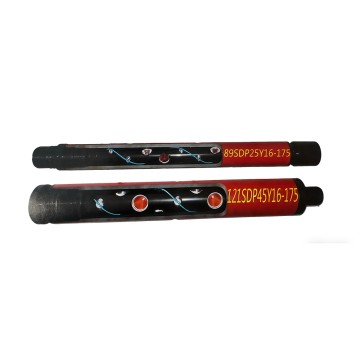
Extreme-service gun steel rated for up to 25,000 psi and 260°C in deep and hostile reservoirs.
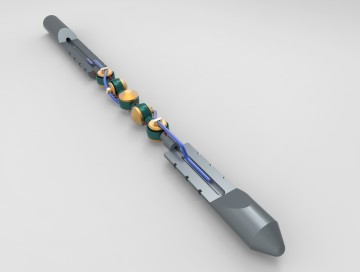
Expendable strip/candied-hawthorn style carrier for rigless workover and sand remediation jobs.
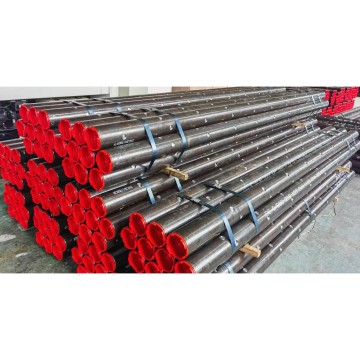
Classic scalloped hollow carrier ensuring minimal outer burring and maximum casing clearance.
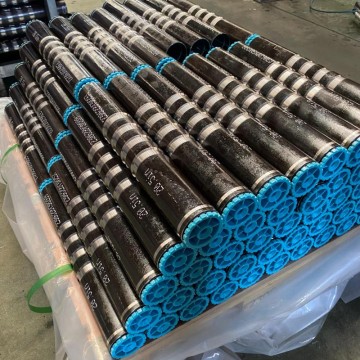
Continuous circumferential groove design permitting flexible angular charge loading without blind spots.
