+86-15829394411
Leave Your Message
-
Contact WhatsApp
-
 Contact Phone
-
 Contact Email
Precision-engineered solutions designed to deliver reliable zonal isolation performance in the most demanding downhole environments.
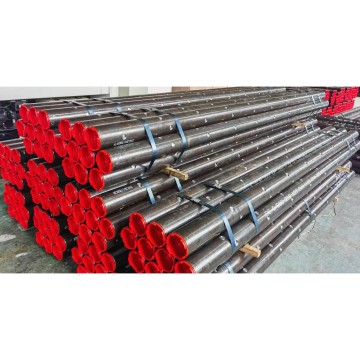
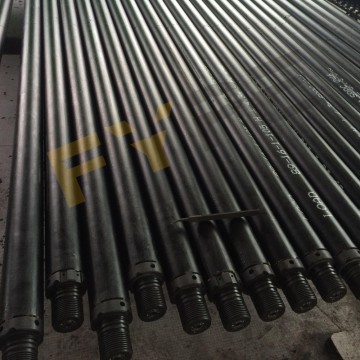
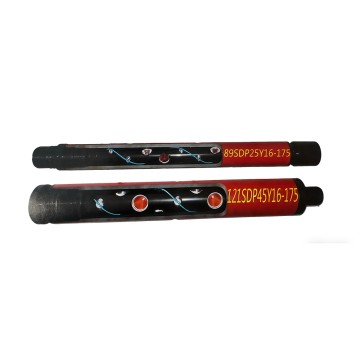
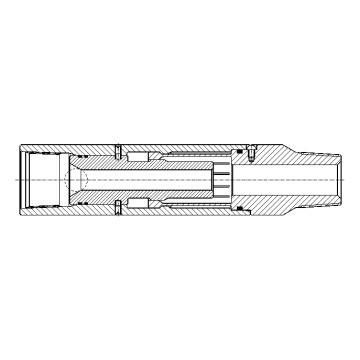
Understanding the critical role of advanced perforating systems in modern oil & gas completions and zonal integrity verification.
Zonal isolation testing is a fundamental process in oil and gas well completions, ensuring that individual reservoir zones are hydraulically separated from one another and from surface environments. The integrity of zonal isolation directly determines the efficiency of production, the safety of operations, and the long-term economic viability of a well. Perforating tools play a pivotal role in this process — they are the primary instruments used to create precisely controlled communication channels between the wellbore and the targeted pay zones, while ensuring adjacent zones remain effectively sealed.
In modern well completions, particularly in multi-zone horizontal wells and unconventional tight formations, the accuracy and reliability of perforating tools are non-negotiable. Any failure in perforation geometry, charge placement, or gun deployment can compromise zonal isolation, leading to unwanted cross-flow, premature water or gas breakthrough, and costly remediation operations. The demand for high-performance perforating systems has therefore grown in tandem with the industry's shift toward complex multi-stage completions.
Studies show that up to 40% of zonal isolation failures in multi-stage completions are attributable to suboptimal perforation placement or inadequate charge performance. Selecting the right perforating tool system is the first line of defense in ensuring long-term well integrity and maximizing hydrocarbon recovery.
The global market for downhole perforating tools has experienced robust growth over the past decade, driven by increasing exploration activities in unconventional reservoirs, deepwater fields, and high-temperature high-pressure (HTHP) environments. According to industry analyses, the perforating tools market is projected to maintain a compound annual growth rate (CAGR) exceeding 5% through the next five years, with Asia-Pacific and the Middle East representing the fastest-growing regions.
China has emerged as a significant manufacturing hub for high-quality perforating systems, with companies like Expetro Energy Service Co., Ltd. (FYPE) establishing themselves as globally competitive suppliers. The combination of advanced automated manufacturing, rigorous quality control aligned with API standards, and competitive pricing has enabled Chinese manufacturers to capture an increasing share of the international market. Today, FYPE's perforating tools are deployed in operations across 38 countries, serving major national oil companies, independent operators, and oilfield service providers alike.
The commercial landscape is characterized by increasing consolidation among tool suppliers, growing demand for integrated completion solutions, and rising customer expectations for digital traceability and real-time performance data. Operators are no longer satisfied with generic perforating hardware — they demand engineered solutions that are optimized for specific formation characteristics, wellbore geometries, and completion strategies.
Several transformative trends are reshaping how perforating tools are designed, deployed, and evaluated in the context of zonal isolation testing:
In horizontal wells targeting tight oil and shale gas formations, multi-stage hydraulic fracturing relies entirely on the integrity of zonal isolation between successive perforation clusters. Wireline modular gun systems and plug-and-perf techniques are deployed to perforate each stage with precision, followed immediately by hydraulic fracturing. The perforating tool must create clean, uniform entry holes that promote equal fluid distribution across all clusters — a direct prerequisite for effective fracture initiation and zonal isolation between stages. FYPE's wireline modular gun systems are specifically engineered for this application, offering configurable shot densities and phasing angles optimized for formation breakdown pressure requirements.
Deepwater completions present unique challenges for zonal isolation testing: extreme hydrostatic pressures, low-temperature environments, and logistical constraints that demand tools with exceptional reliability and minimal intervention requirements. Perforating guns deployed in deepwater environments must maintain mechanical integrity under differential pressures that can exceed 15,000 psi, while ensuring that the perforation event itself does not compromise the surrounding cement sheath. Full bore perforating gun systems are particularly valued in this context, as they allow subsequent through-tubing interventions without requiring gun retrieval.
High-temperature high-pressure reservoirs — common in deep gas fields, geothermal wells, and certain carbonate formations — demand perforating tools that maintain explosive stability, mechanical strength, and sealing performance at conditions that would degrade conventional equipment. FYPE's ultra HTHP perforating guns are designed to operate reliably at temperatures exceeding 200°C and pressures above 20,000 psi, making them the tool of choice for operators targeting these challenging but highly productive reservoirs. Zonal isolation testing in HTHP environments additionally requires that post-perforation pressure buildup tests (PBU) confirm zone-to-zone isolation without thermal or pressure-induced cement degradation.
Existing wells that experience zonal isolation failures — evidenced by unwanted water influx, gas coning, or cross-zone communication — often require re-perforation of alternative intervals to restore productive isolation. Through-tubing perforating systems, which can be deployed through existing production tubing without requiring full well workover, offer a cost-effective solution for these remediation scenarios. The compact design of through-tubing perforating tools allows operators to target new pay zones or bypass compromised intervals, restoring well productivity while maintaining wellbore integrity.
Perforating tools are also integral to cased-hole formation evaluation programs, where selective perforation of specific intervals allows pressure transient testing, fluid sampling, and production logging to characterize individual zones. Casing collar locators (CCL) are used in conjunction with perforating guns to ensure precise depth correlation, guaranteeing that perforations are placed exactly within target intervals and not in adjacent zones that must remain isolated. This application is critical in appraisal wells and in reservoir management programs aimed at optimizing field development strategies.
In naturally fractured reservoirs and formations with strong stress anisotropy, the azimuthal orientation of perforations relative to the maximum horizontal stress direction significantly influences both fracture initiation efficiency and the integrity of zonal isolation. Directional clustering perforating systems equipped with orientation tools allow operators to place charges in the optimal azimuthal position, reducing near-wellbore tortuosity, minimizing perforation-to-fracture misalignment, and preserving cement sheath integrity in non-perforated zones.
The next generation of perforating tools is defined by intelligence, precision, and adaptability to extreme environments.
Real-time telemetry, downhole sensors, and automated firing confirmation systems are transforming perforating from a blind operation into a fully monitored, data-driven completion process.
Advanced metallurgy and high-temperature explosive formulations are enabling reliable perforating operations in reservoirs previously considered inaccessible, expanding the economic frontier of oil and gas development.
Directional charge placement aligned with formation stress fields maximizes hydraulic fracture efficiency and preserves zonal isolation integrity in multi-stage completion programs.
Wireline-deployed modular gun systems offer unmatched configurability for multi-stage completions, enabling operators to customize shot density, phasing, and gun diameter for each individual stage.
Next-generation perforating tools minimize wellbore debris, reduce explosive consumption, and support through-tubing deployment to lower the environmental and operational footprint of completion activities.
Full digital traceability of manufacturing, inspection, and deployment data is becoming a standard requirement, enabling operators to verify tool performance history and support regulatory compliance.

Expetro Energy Service Co., Ltd. (FYPE) is a leading manufacturer of downhole perforating systems in China, dedicated to the research, development, and production of shaped charges, perforating guns, and associated accessories for oil and gas completions.
Equipped with state-of-the-art automated production and inspection lines, we deliver over 2.5 million shaped charges and 500,000 meters of perforating guns annually — meeting diverse customer requirements across the global market.
Every stage of our production process strictly adheres to the API Q1 Quality Management System. This unwavering commitment to quality, innovation, and customer satisfaction has established FYPE as a trusted partner in the global energy sector.
To date, our products have served customers in 38 countries worldwide and consistently earn positive feedback for performance and reliability. FYPE is dedicated to expanding its global footprint and building long-term partnerships with clients across continents.
Four pillars that define FYPE's leadership in perforating tools for zonal isolation testing and global oil & gas completions.
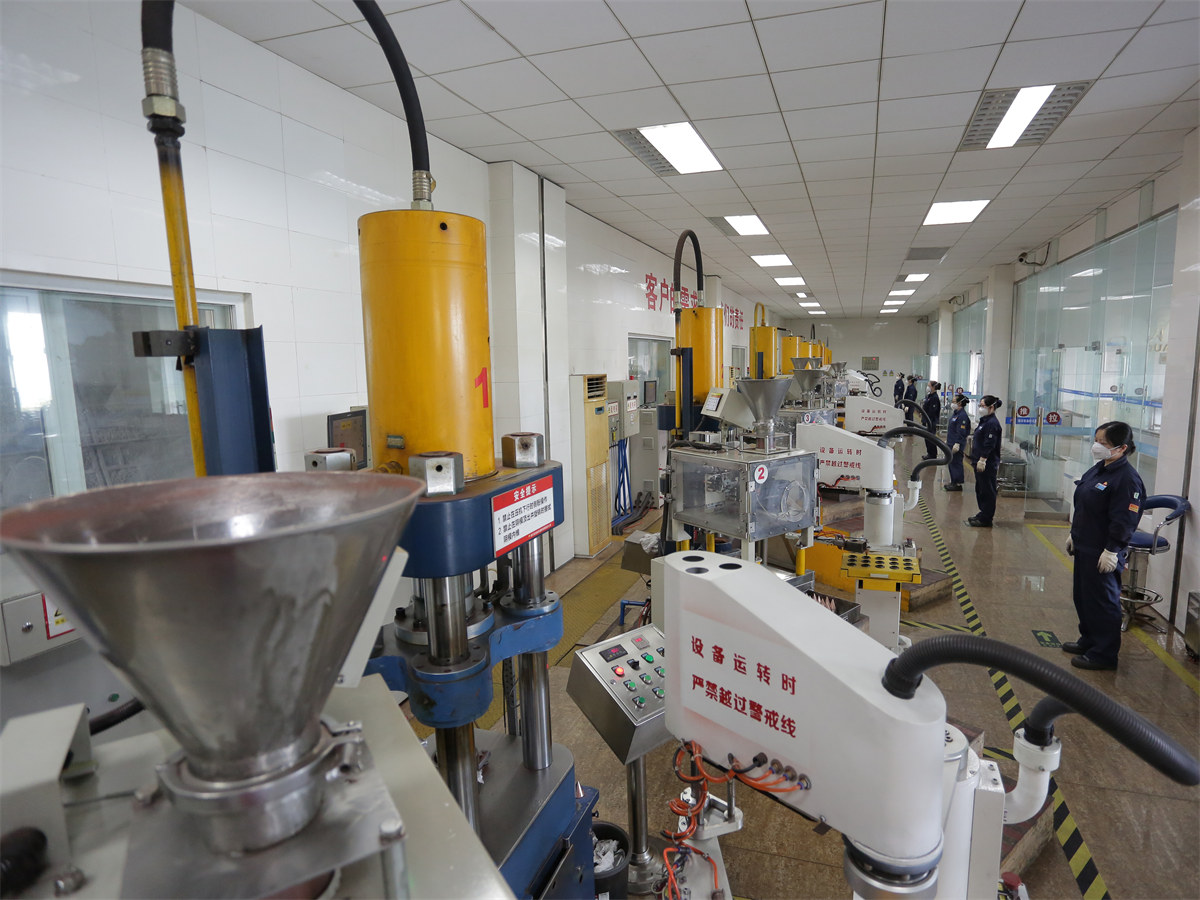
Our professional inspection team operates under a quality management system certified to API Q1 and ISO 9001 standards, ensuring product reliability and superior performance in every delivery.
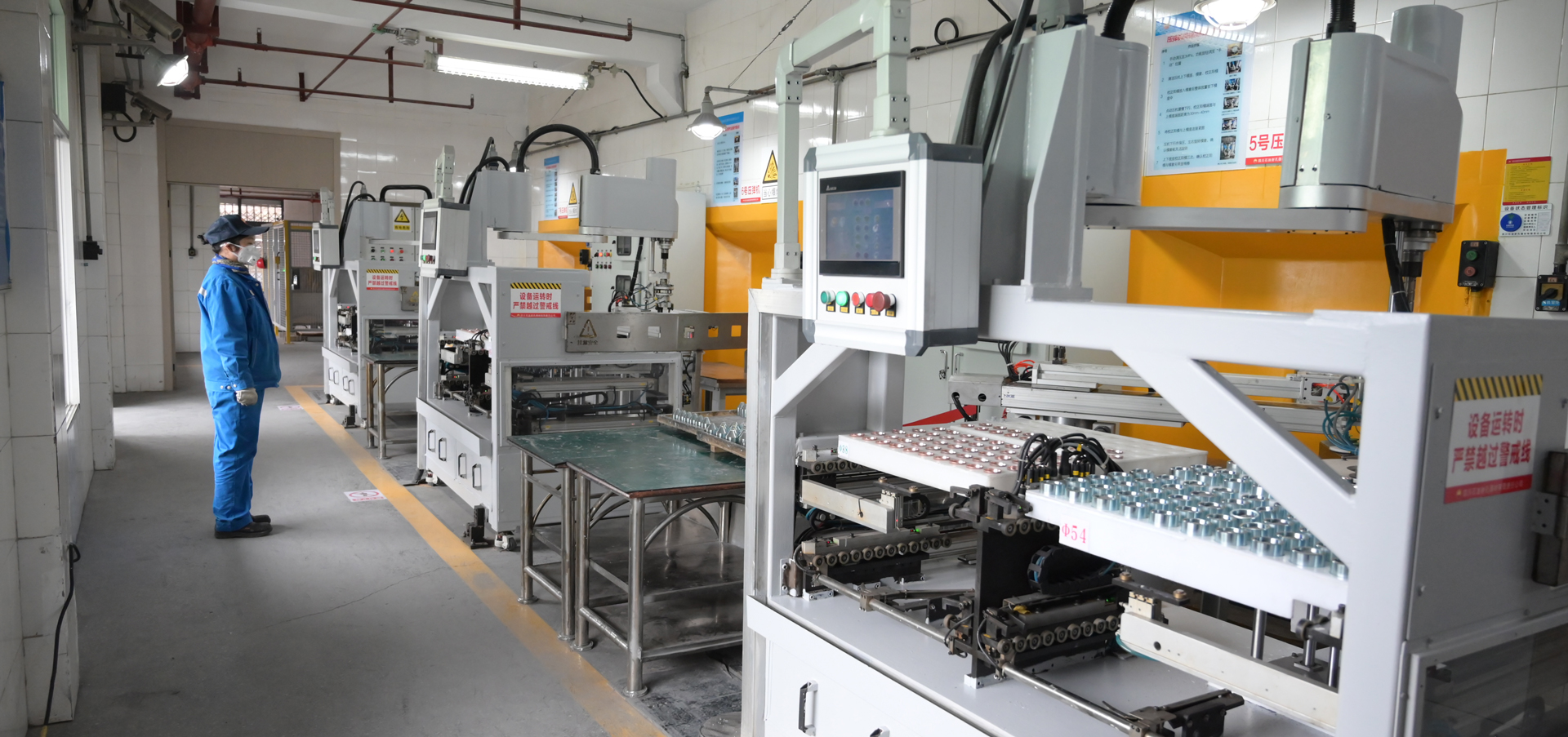
Our automated production lines ensure product consistency and enhance productivity. The daily capacity of shaped charges can reach 10,000. The perforating gun production line can meet the processing of 100+ types with different specifications.
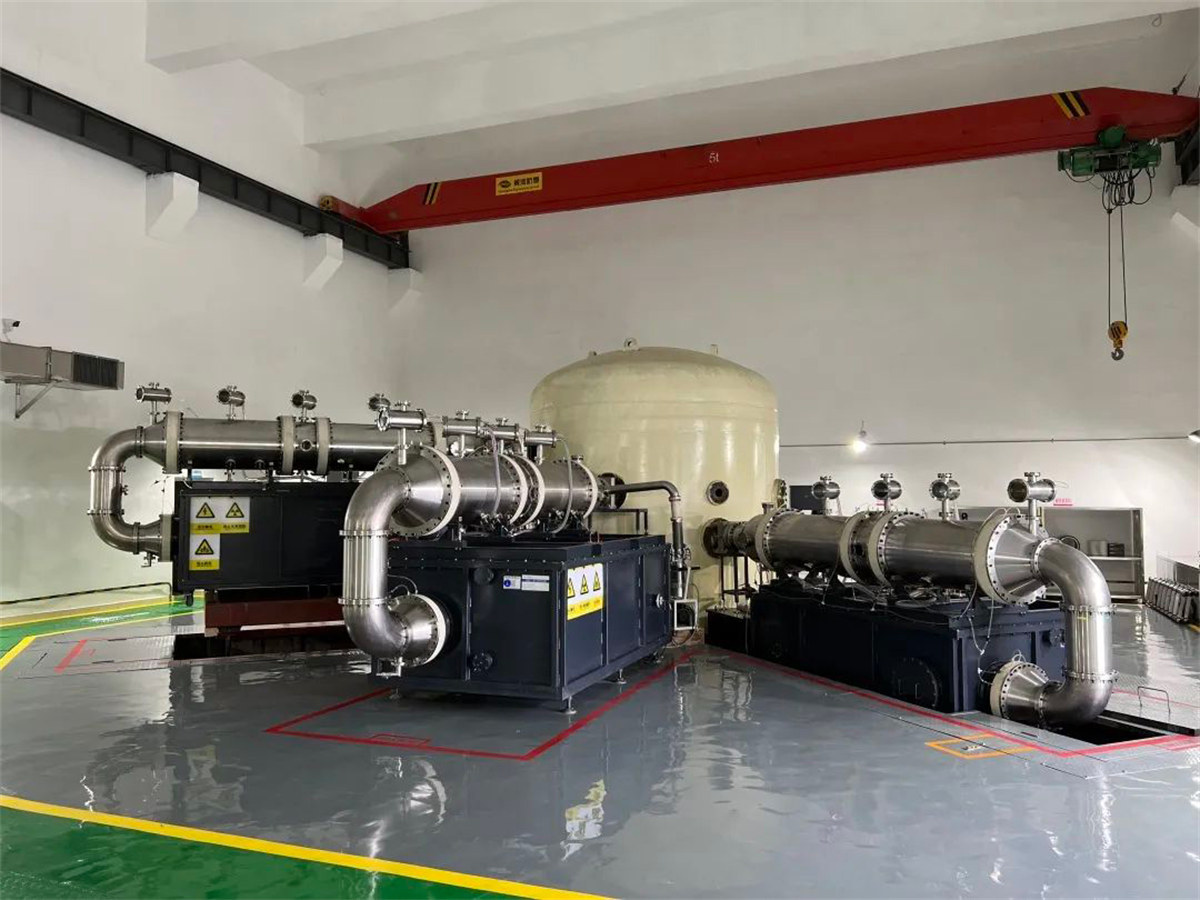
Our lab can carry out real-core target tests in simulated reservoirs, ultimate pressure resistance tests on perforation tools, explosion mechanism tests on shaped charges, and more.
With nearly 20 years of export experience across 38 countries, we deeply understand global market demands and deliver trusted, tailored solutions for every operating environment.
To date, our products have served customers in 38 countries worldwide and consistently earn positive feedback for performance and reliability.
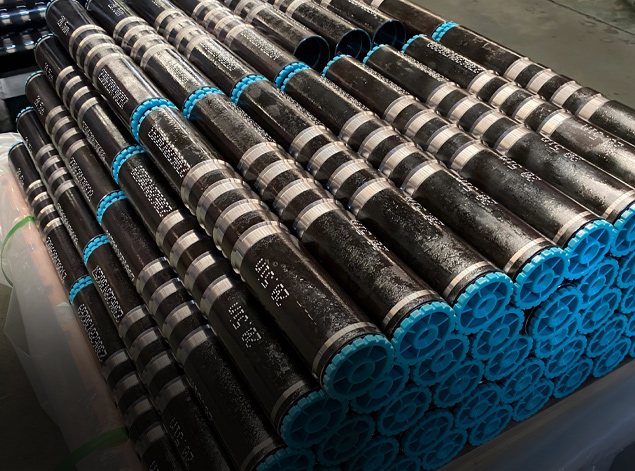
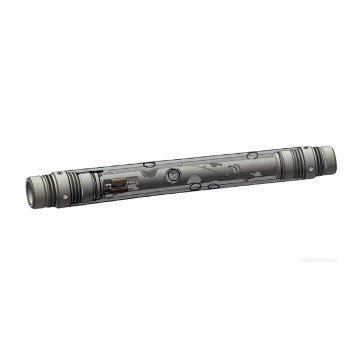
Instead of scallops, it can shoot regardless of the charge tube's angular position.
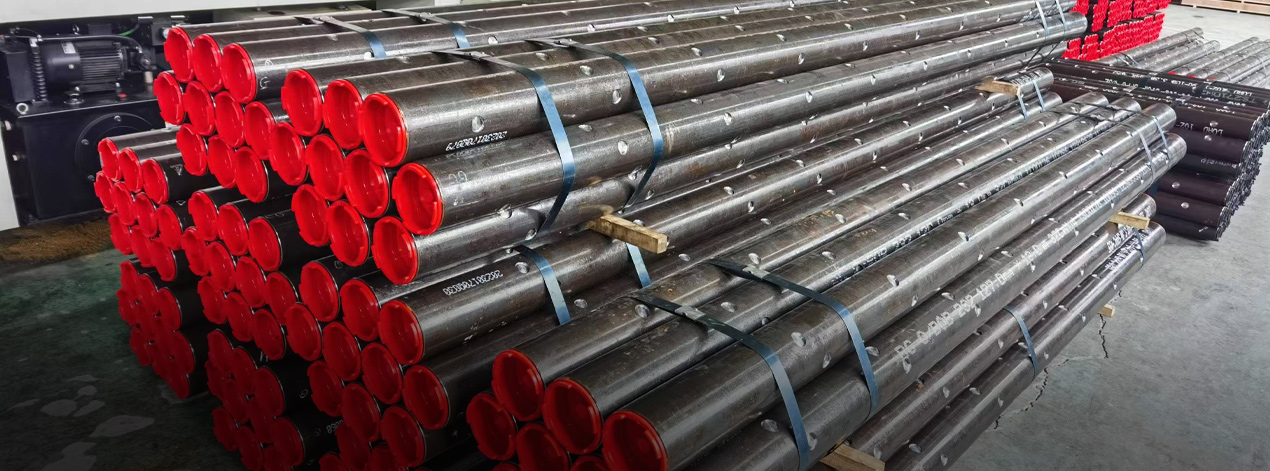
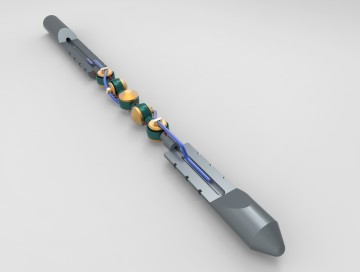
Provides deep penetration and high shot density.
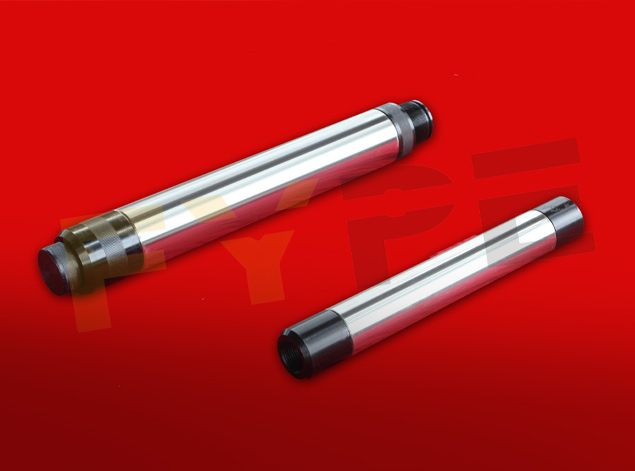
Detects casing collars for depth correlation in wells.
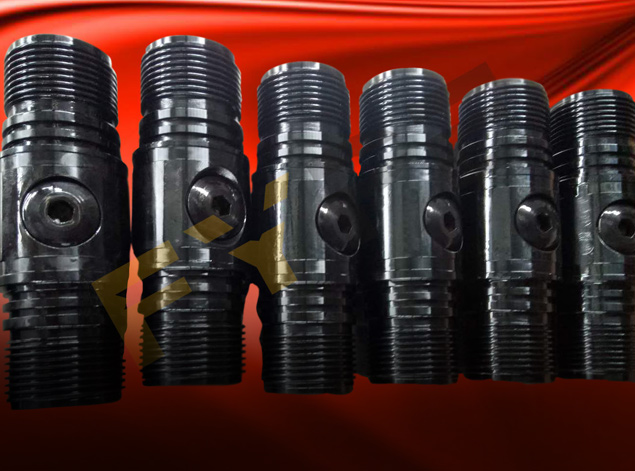
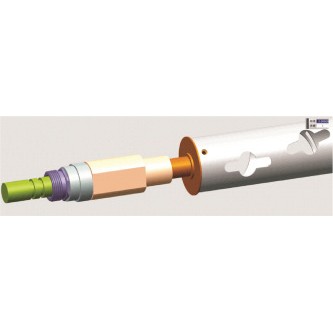
Connecting components used in perforating systems.
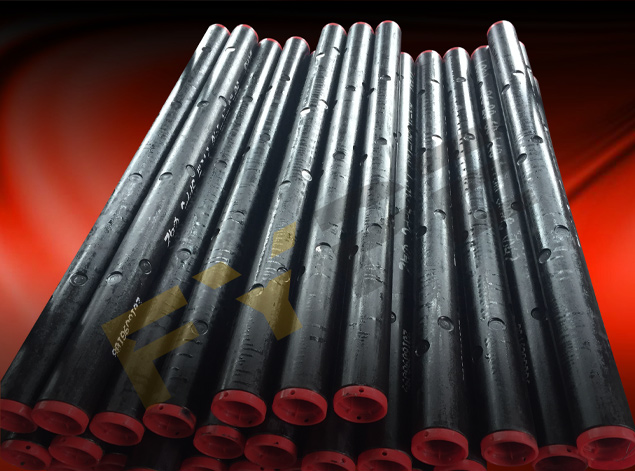
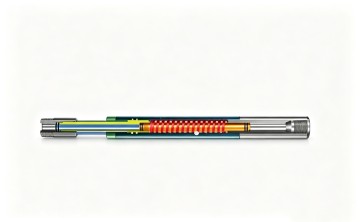
Designed for compact spaces and limited depth perforation.
State-of-the-art manufacturing facilities ensuring every perforating tool meets the highest standards of quality and precision.








At FYPE, we believe every well deserves precision, reliability, and excellence. Whether you require high-performance perforating tools for zonal isolation testing or dependable technical support, we are your trusted partner in the oil and gas industry.
Inquiry Now
Explore our full range of engineered perforating tools, designed to meet every operational requirement in zonal isolation and well completion applications worldwide.