
 +86-15829394411
Leave Your Message
-
Contact WhatsApp
-
 Contact Phone
-
 Contact Email
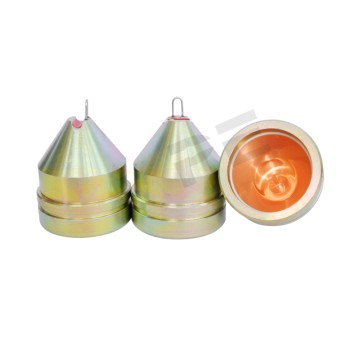
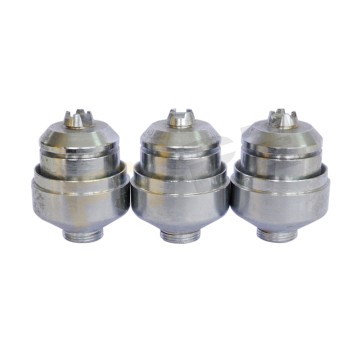
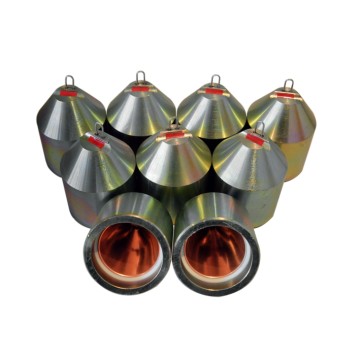
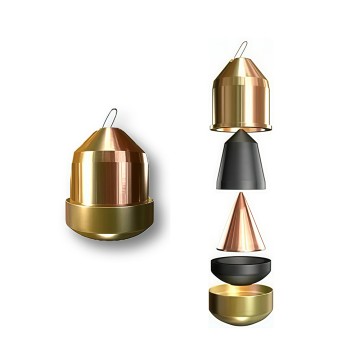
In the oil and gas industry, establishing effective wellbore communication is the critical bridge between drilling a well and producing hydrocarbons. Without a highly optimized connection between the reservoir formation and the interior of the casing, even the most resource-rich wells will suffer from poor productivity index (PI) and inefficient recovery. The primary tool utilized to establish this vital link is the perforation charge (shaped charge).
Modern perforation charges utilize the physics of the Monroe effect to focus explosive energy into a high-velocity metallic jet. This jet easily pierces through the heavy steel casing, the surrounding cement sheath, and deep into the geological formation. By creating clean, highly conductive tunnels, perforation charges bypass the "skin damage" zone caused by drilling muds and cementing fluids, facilitating the unimpeded flow of oil and gas into the wellbore.
The geometry, depth, and cleanliness of the perforated tunnel directly influence the pressure drop during production. A poorly executed perforation run can lead to high skin factors, early water or gas coning, and premature well abandonment. Conversely, selecting the optimal perforation charge geometry maximizes reservoir contact and enables successful hydraulic fracturing operations.
The global market for perforating systems has undergone significant shifts over the past decade. With the maturation of conventional oilfields, energy operators have turned their attention toward unconventional assets, such as shale oil, shale gas, tight sandstone reservoirs, and deepwater reserves. This transition has changed the commercial dynamics of perforation technology from a commodity-based market to a specialized, engineering-driven sector.
Key industrial trends include:
The future of wellbore communication lies in the integration of material science and digital design. The industry is moving away from generic "one-size-fits-all" charges toward custom-engineered solutions tailored to specific formation geomechanics.
In horizontal hydraulic fracturing, achieving uniform fluid distribution across all perforation clusters is essential. Standard shaped charges create varying entry hole sizes depending on the gun's positioning relative to the casing wall (eccentricity). Advanced Consistent Hole (CH) DP Shaped Charges solve this issue by delivering identical entry hole diameters and penetration depths regardless of gun orientation, ensuring uniform fracture propagation.
Traditional shaped charges can leave a compacted zone of crushed rock around the perforated tunnel, which acts as a barrier to flow. Next-generation Phase Coaxial Synergy Shaped Charges incorporate reactive materials within the liner. Upon penetration, a secondary exothermic reaction occurs inside the tunnel, effectively flushing out the debris and crushed zone, resulting in a completely clean, high-conductive pathway.
To maximize reservoir contact in highly deviated or horizontal wells, operators utilize Horizontal Oriented Perforating Guns. These systems align the perforation charges with the direction of the maximum horizontal stress, which significantly reduces the breakdown pressure required during subsequent fracturing stages.
In shale plays, wells are drilled horizontally for miles. The plug-and-perf technique is widely used, where multiple clusters are perforated in a single run, isolated by a frac plug, and then stimulated. If the entry holes are inconsistent, the fracturing fluid will take the path of least resistance, leaving some clusters completely unstimulated. Utilizing Consistent Hole charges ensures that every cluster receives its designed volume of proppant and fluid, optimizing the stimulated reservoir volume (SRV).
For mature wells requiring re-perforation or stimulation of new zones without removing the production tubing, space is extremely restricted. Operators rely on compact systems like the TTG Capsule Shaped Charge. These through-tubing guns can pass through narrow restrictions and expand downhole to deliver reliable perforation tunnels, extending the economic life of mature assets without the high cost of a workover rig.
In poorly consolidated sandstone reservoirs, sand production can damage downhole pumps and surface equipment. To prevent this, wells are completed with gravel packs or sand screens. In these scenarios, Big Hole Shaped Charges are preferred. Instead of deep penetration, they are designed to create large-diameter entry holes in the casing, reducing the flow velocity of fluids entering the wellbore and minimizing sand mobilization.
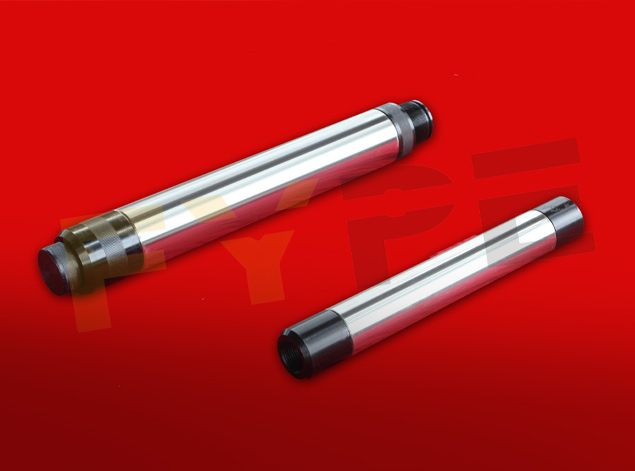
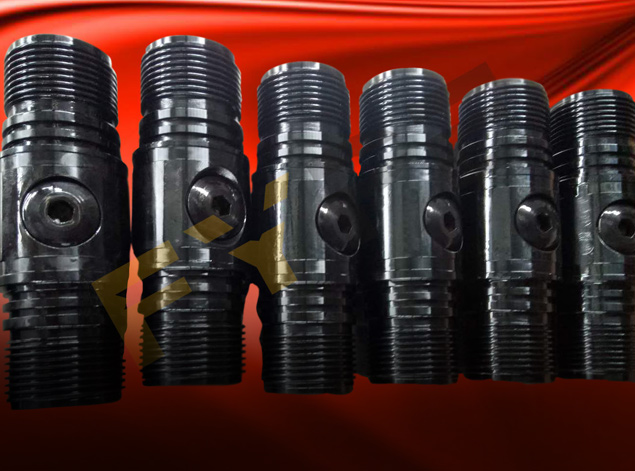
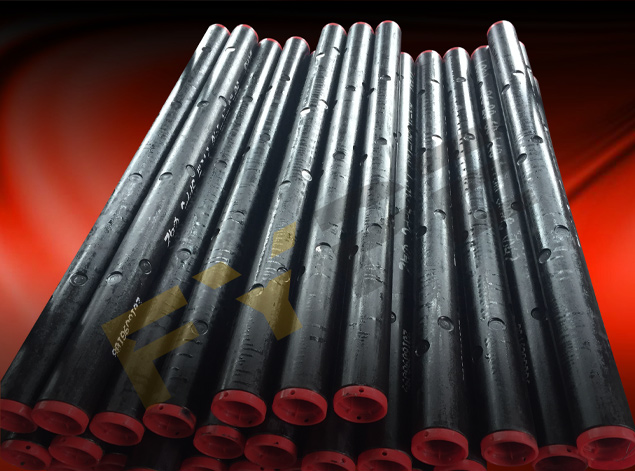
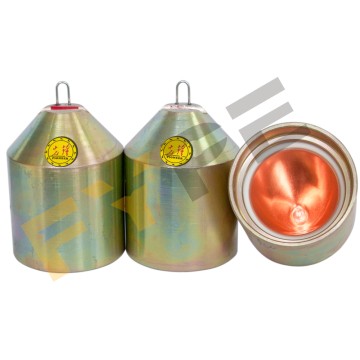
Expetro Energy Service Co., Ltd. (FYPE) is dedicated to the research, development, and production of shaped charges, perforating guns, and associated accessories for oil and gas completions. With a strong commitment to technological innovation and engineering precision, we provide high-performance solutions designed to solve the most complex wellbore communication challenges globally.
To date, our products have served customers in 38 countries worldwide and consistently earn positive feedback for performance and reliability. FYPE is dedicated to expanding its global footprint and building long-term partnerships with clients across continents.

Equipped with state-of-the-art automated production and inspection lines, we deliver over 2.5 million shaped charges and 500,000 meters of perforating guns annually — meeting diverse customer requirements across the global market.
Every stage of our production process strictly adheres to the API Q1 Quality Management System. This unwavering commitment to quality, innovation, and customer satisfaction has established FYPE as a trusted partner in the global energy sector.
Serving 38 countries with certified technology, ensuring that no matter where your reservoir is located, FYPE downhole systems deliver consistent performance under extreme pressures and temperatures.
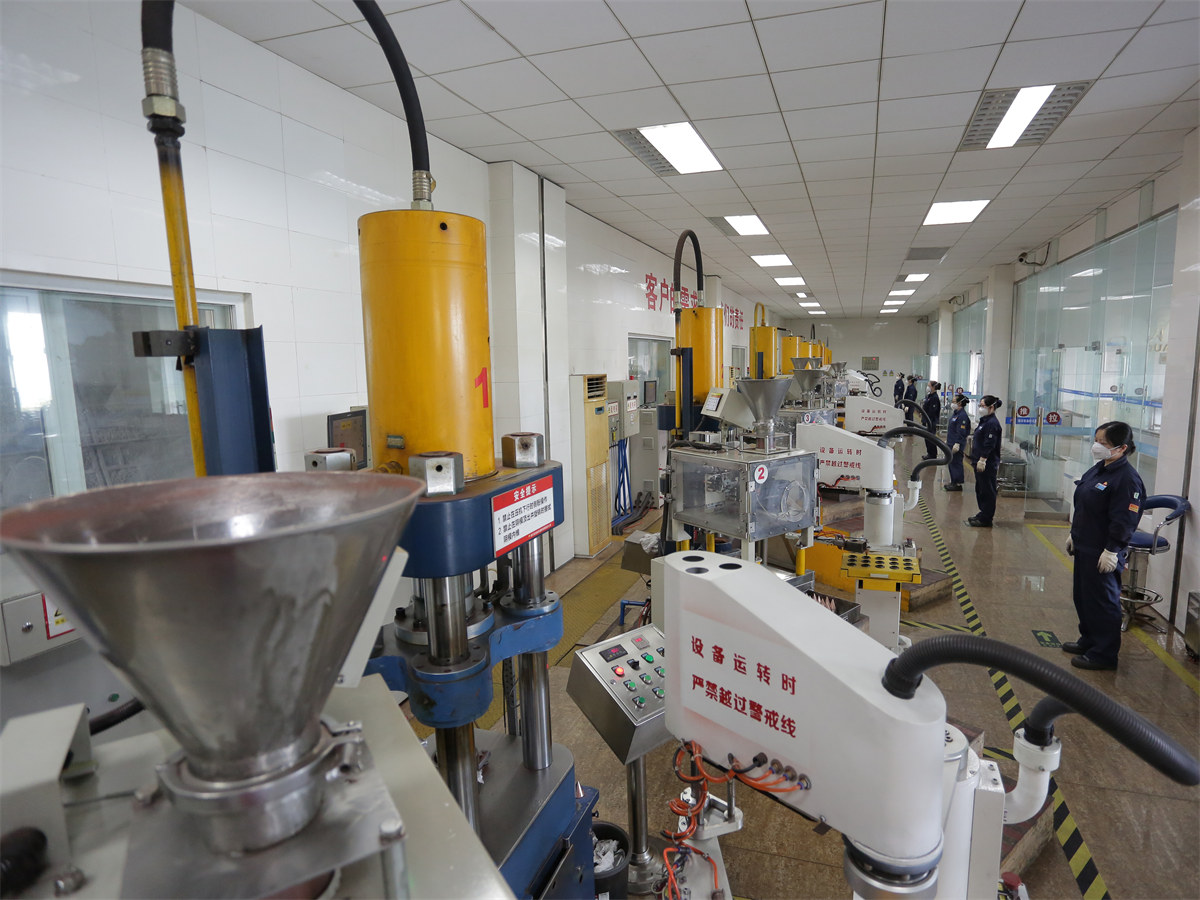
Our professional inspection team operates under a quality management system certified to API Q1 and ISO 9001 standards, ensuring product reliability and superior performance in every delivery.
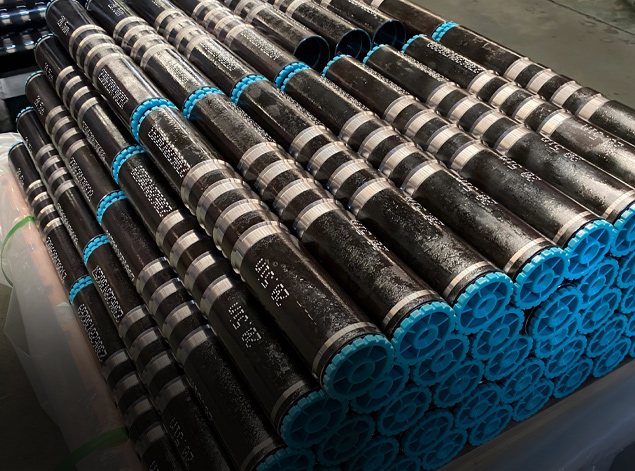
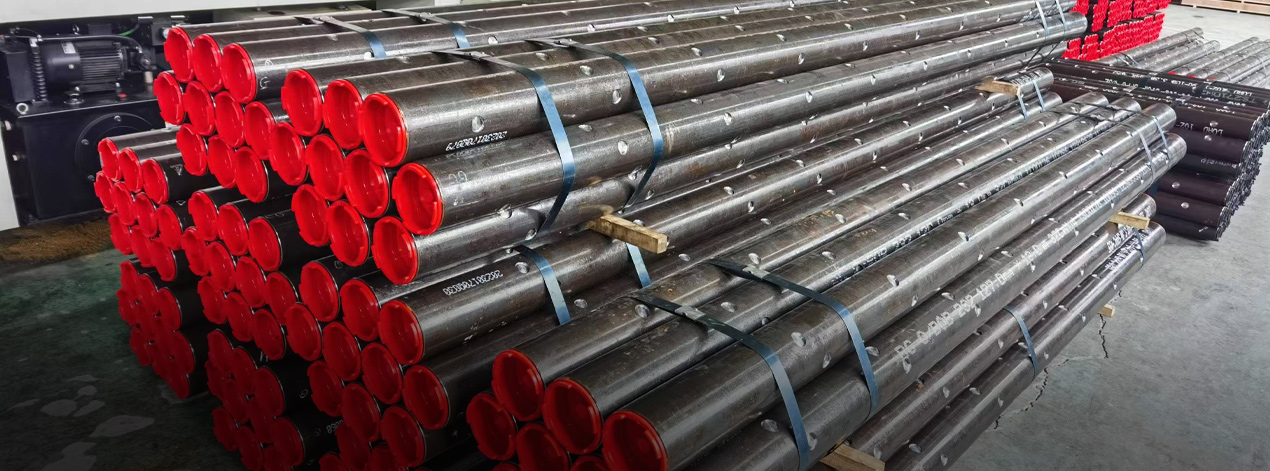
Our automated production lines ensure products consistency and enhance productivity. The daily capacity of shaped charges can reach 10,000. The perforating gun production line can meet the processing of 100+ types with different specifications.
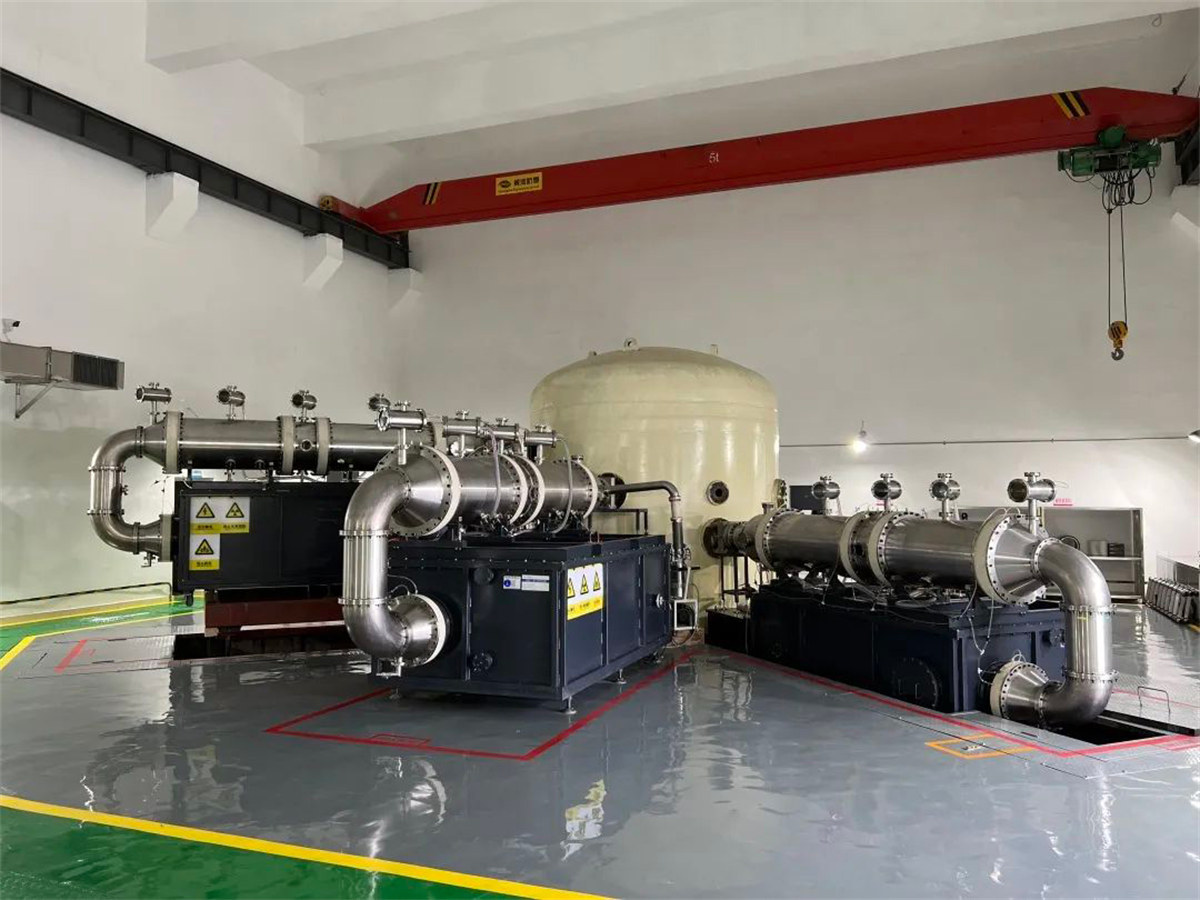
Our lab can carry out the real-core target tests in simulated reservoirs, the ultimate pressure resistance tests on perforation tools, the explosion mechanism tests on shaped charges, etc.
With nearly 20 years of export experience across 38 countries, we deeply understand global market demands and deliver trusted, tailored solutions.








At FYPE, we believe every well deserves precision, reliability, and excellence. Whether you require high-performance perforating tools or dependable technical support, we are your trusted partner in the oil and gas industry.
Inquiry Now