+86-15829394411
Leave Your Message
-
Contact WhatsApp
-
 Contact Phone
-
 Contact Email
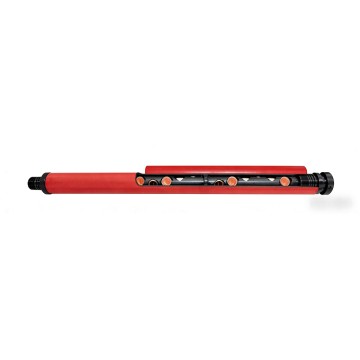
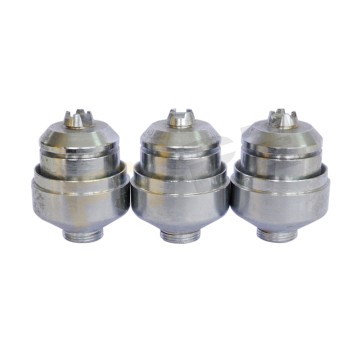
In the oil and gas industry, perforation techniques for initial well completion refer to the controlled process of creating channels through casing, cement, and formation rock to establish a hydraulic connection between the wellbore and the productive reservoir. This critical step determines the efficiency, longevity, and ultimate recovery factor of any well — making the selection of appropriate perforating systems one of the most consequential engineering decisions in the completion workflow.
Unlike remedial or recompletion perforating operations, initial well completion perforation sets the foundation for production from day one. Engineers must precisely select shot density, penetration depth, phasing angle, and charge type based on detailed reservoir characterization, well geometry, and anticipated production profiles.
Globally, over 65,000 new oil and gas wells are perforated annually — and the quality of the initial perforation directly correlates with 30–50% variance in long-term production output.
Tubing-Conveyed Perforation (TCP) remains the gold standard for initial well completion in high-pressure, high-temperature (HPHT) reservoirs and long horizontal wells. The perforating gun assembly is run on the production tubing string, allowing simultaneous perforating and well testing in a single trip. TCP enables maximum underbalanced or overbalanced conditions to be precisely controlled, significantly reducing formation damage and improving near-wellbore connectivity.
Modern TCP systems integrate with downhole gauges, firing heads, and retrievable packer assemblies to allow real-time data acquisition during the perforation event — yielding invaluable pressure transient data for reservoir characterization.
Wireline-conveyed perforating is the most widely deployed technique globally due to its speed, cost-effectiveness, and operational flexibility. Electric line (e-line) systems allow precise depth correlation via casing collar locators (CCLs) and gamma-ray tools, ensuring perforations are placed exactly within the target zone. For initial completions in vertical and moderately deviated wells, wireline systems using selective firing and port-plug technology provide exceptional zone isolation and entry point control.
Coiled tubing-conveyed perforation has gained significant traction in horizontal well completions and underbalanced operations. CTP systems allow real-time weight and pressure monitoring, critical for directional wells where wireline may experience friction-related deployment challenges. When combined with oriented perforating guns, CTP enables precise azimuthal placement of perforations aligned with the maximum stress orientation — a technique proven to substantially improve hydraulic fracture initiation in unconventional reservoirs.
Oriented perforation technology represents one of the most significant advances in initial well completion over the past decade. By aligning shaped charge jets with the maximum horizontal stress (σHmax) direction, oriented perforating creates perforation tunnels that act as natural fracture initiation points with minimal tortuosity. This dramatically improves hydraulic fracturing efficiency, reduces breakdown pressure, and maximizes propped fracture complexity in tight sand, shale, and carbonate formations.
Advanced gyroscopic and gravity-sensing orientation tools now achieve ±2° angular accuracy — enabling completion engineers to design perforation clusters with unprecedented precision in deviated and horizontal wellbores.
Log analysis, core testing & stress profiling to define target intervals
Choose charge type, shot density, phasing & gun OD for wellbore conditions
CCL / gamma-ray tools precisely locate target zones in the casing
Controlled detonation creates clean, deep tunnels into the productive formation
Pressure buildup analysis, flow tests & perforation imaging confirm results
The global well perforation market is valued at approximately USD 5.2 billion in 2024 and is projected to reach USD 7.8 billion by 2030, driven by surging demand for unconventional resource development, deepwater exploration, and enhanced oil recovery programs across the Middle East, North America, Latin America, Southeast Asia, and Africa.
China has emerged as both a significant consumer and a leading manufacturer of perforating technology. Domestic manufacturers with API Q1 certification now supply a substantial portion of the global market, offering cost-competitive solutions without compromising technical performance. This shift has democratized access to advanced perforating technology for independent operators and national oil companies in emerging markets.
Middle East, Africa, and Southeast Asia are driving double-digit growth in initial well completion demand, with NOCs investing heavily in modernizing perforation fleets and adopting oriented gun technology.
IoT-enabled firing heads, real-time downhole telemetry, and AI-driven perforation design software are transforming initial completion workflows — reducing NPT and optimizing zone selection with machine learning models.
The industry is shifting toward insensitive high explosive (IHE) shaped charges with reduced toxic byproducts, meeting tightening environmental regulations while maintaining superior penetration performance.
Super deep penetration (SDP) shaped charges are redefining what's possible in tight formations — achieving penetration depths exceeding 1,200 mm in Berea sandstone, bypassing near-wellbore damage zones entirely.
Comprehensive digital logs of every perforation event — including detonation time, pressure, and temperature — are becoming standard, enabling predictive analytics and regulatory compliance auditing.
Multi-cluster perforation strategies tailored for hydraulic fracturing in unconventional plays are now standard, with limited-entry perforation design (LEPD) achieving near-simultaneous fracture initiation across all clusters.
Horizontal wells in unconventional formations require perforation cluster designs that maximize fracture complexity while ensuring uniform stimulation across the lateral. Modern initial completion perforation programs for shale employ limited-entry perforation design with high shot density (12–24 SPF), small-diameter entry holes (0.3–0.4 in), and precisely oriented clusters spaced 30–50 ft apart along the lateral. This approach forces fluid diversion into all clusters simultaneously during hydraulic fracturing, substantially improving stimulated reservoir volume (SRV).
Diverter-assisted perforation strategies, combined with real-time fiber optic distributed acoustic sensing (DAS), now allow completion engineers to verify cluster efficiency in real time and adjust stimulation programs dynamically.
Subsea wells operating at pressures exceeding 20,000 psi and temperatures above 175°C demand perforating systems engineered to the extreme edge of material science. TCP systems with HPHT-rated shaped charges and high-temperature detonating cord assemblies are deployed on production tubing, enabling perforation and well testing in a single trip — eliminating costly multiple-trip operations in deepwater where rig day rates can exceed USD 500,000.
Ultra-deep penetrating charges are particularly critical in deepwater carbonates, where near-wellbore damage from overbalanced drilling fluid invasion can extend 12–18 inches into the formation — far beyond the reach of conventional shaped charge jets.
The global energy transition is opening significant new markets for perforating technology in geothermal well completions. Hot dry rock (HDR) geothermal systems require perforation into granite and crystalline basement formations at depths exceeding 4,000 m, with rock compressive strengths above 200 MPa. High-energy shaped charges with optimized liner geometry and explosive loading are now being adapted for geothermal applications — representing a fast-growing new sector for perforation equipment manufacturers.
Initial well completion perforation techniques also find application in intelligent recompletion programs targeting bypassed pay zones in mature fields. Capsule-shaped charges deployed on coiled tubing — such as the TTG capsule system — allow operators to perforate additional zones in live wells without killing the well, preserving reservoir pressure and dramatically reducing operational costs. This approach has proven particularly effective in Middle Eastern carbonate fields and North Sea chalk reservoirs undergoing IOR (improved oil recovery) programs.
Coal seam gas completions present unique challenges for perforating system designers — coal formations are mechanically weak, stress-sensitive, and prone to perforation tunnel collapse under drawdown pressure. Low-debris, big-hole perforation systems using large-diameter shaped charges create stable, circular perforations that resist mechanical closure, maximizing gas desorption surface area and maintaining connectivity during multi-year production lifecycles.
Expetro Energy Service Co., Ltd. (FYPE) is a leading manufacturer of downhole perforating systems in China, dedicated to the research, development, and production of shaped charges, perforating guns, and associated accessories for oil and gas completions.
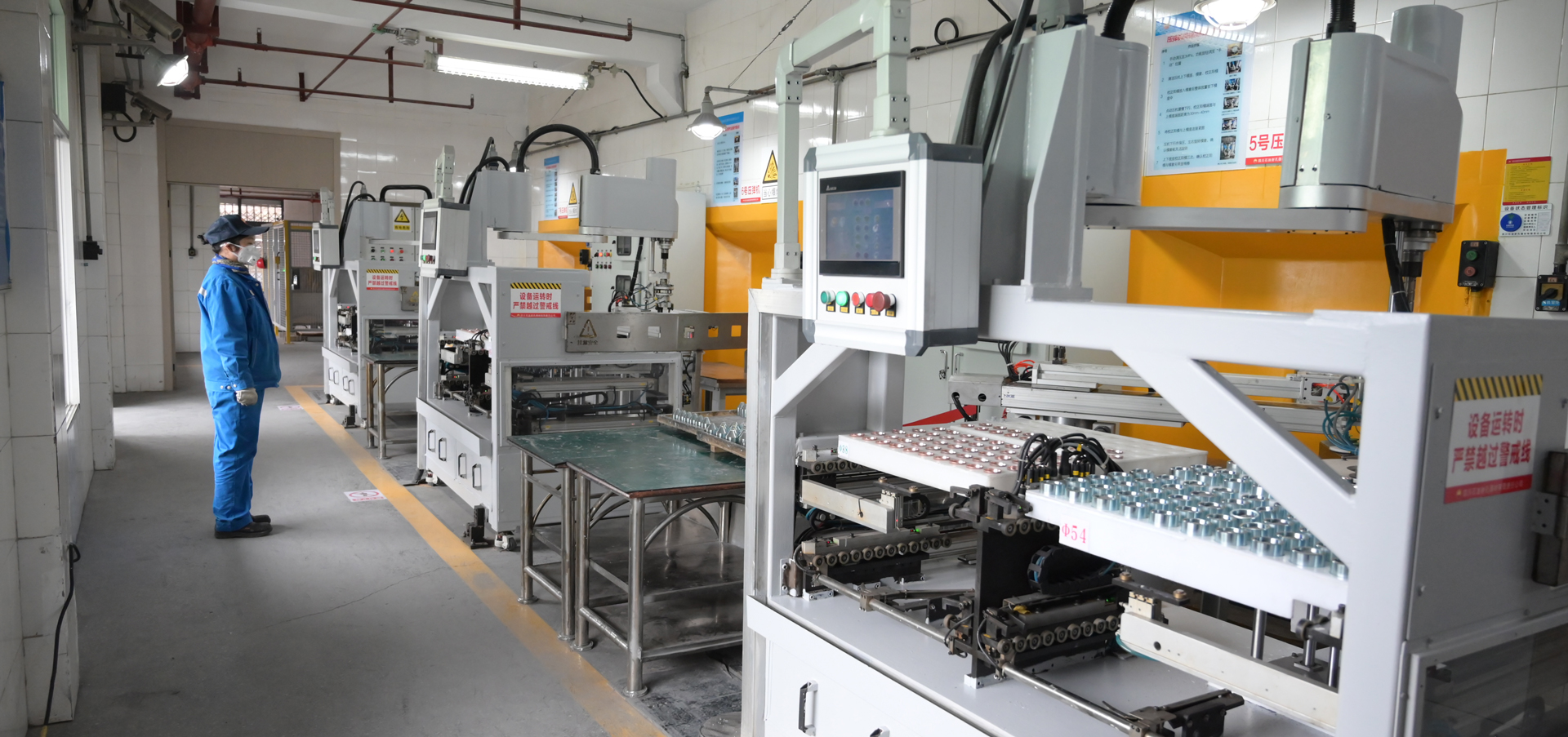
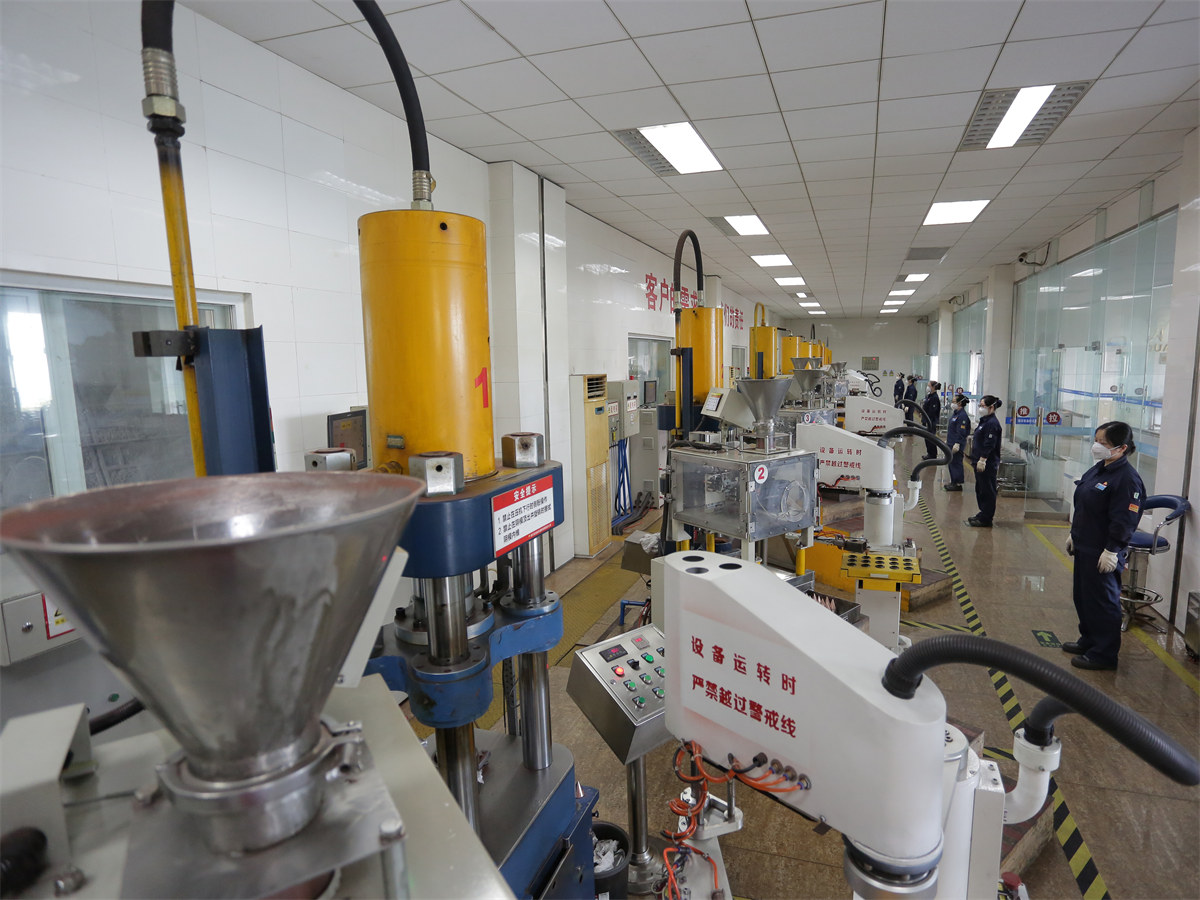
Equipped with state-of-the-art automated production and inspection lines, we deliver over 2.5 million shaped charges and 500,000 meters of perforating guns annually — meeting diverse customer requirements across the global market.
Every stage of our production process strictly adheres to the API Q1 Quality Management System. This unwavering commitment to quality, innovation, and customer satisfaction has established FYPE as a trusted partner in the global energy sector.
State-of-the-art automated production and inspection lines delivering 2.5M+ shaped charges and 500,000 m of perforating guns annually to meet global demand.
Full API Q1 & ISO 9001 certification across every production stage — ensuring consistent, superior performance in the world's most demanding downhole environments.
Products deployed across 38 countries — consistently earning top performance ratings from major international operators and national oil companies.

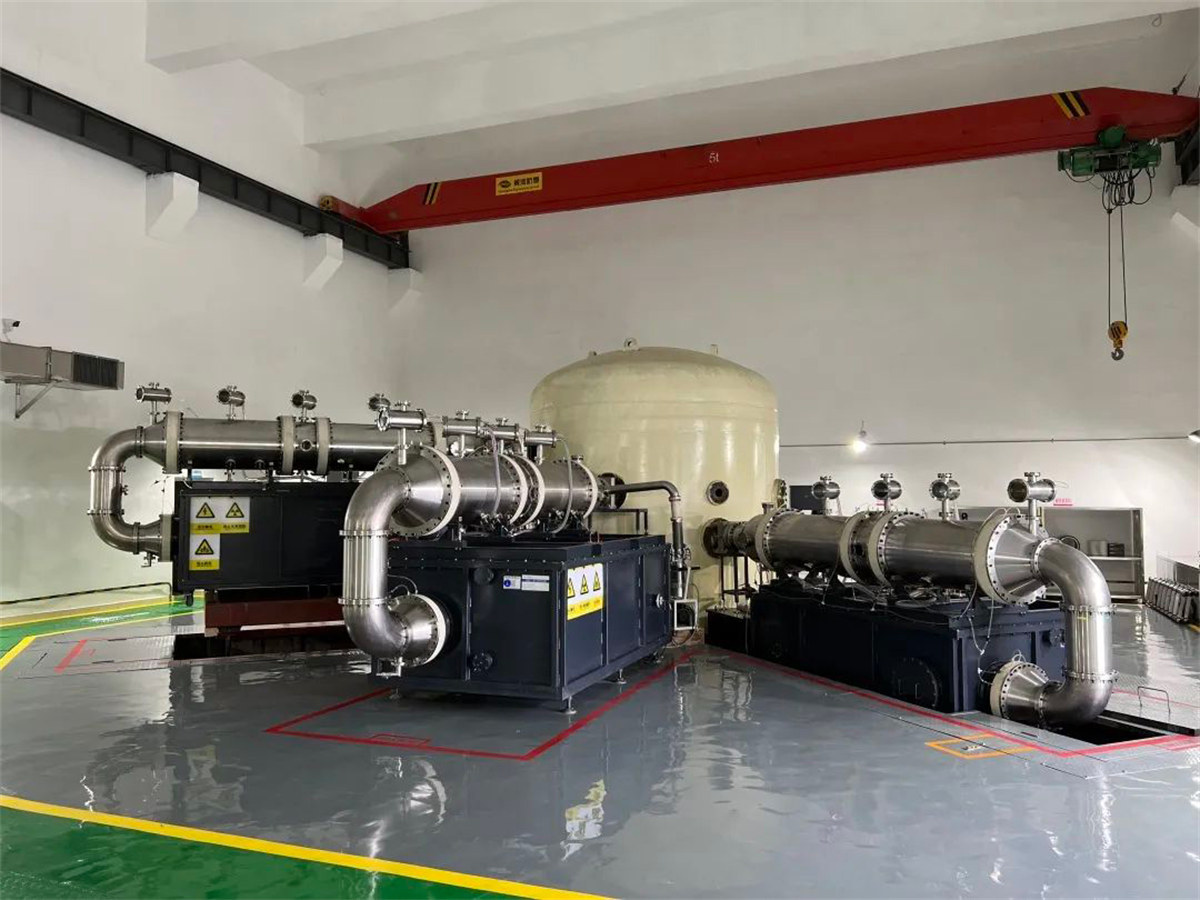
Our professional inspection team operates under API Q1 and ISO 9001 certified systems, ensuring product reliability and superior performance in every delivery.
Daily capacity of 10,000 shaped charges. Our gun production line supports 100+ specifications, ensuring consistency and rapid fulfillment for global clients.
Real-core target tests in simulated reservoirs, ultimate pressure resistance tests, and shaped charge explosion mechanism studies — driving continuous innovation.
Nearly 20 years of export experience across 38 countries. We understand global market demands and deliver trusted, tailored perforation solutions worldwide.
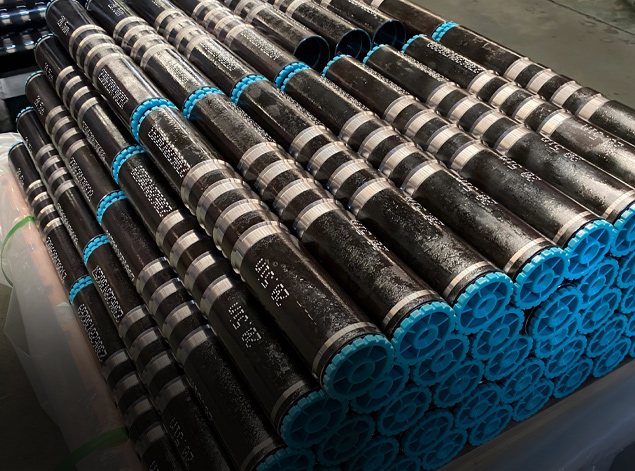
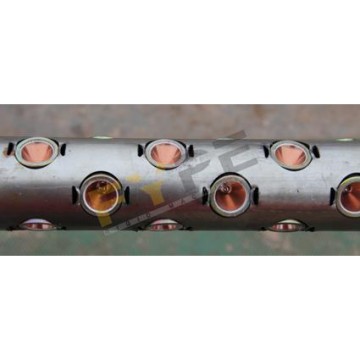
Instead of scallops, it can shoot regardless of the charge tube's angular position.
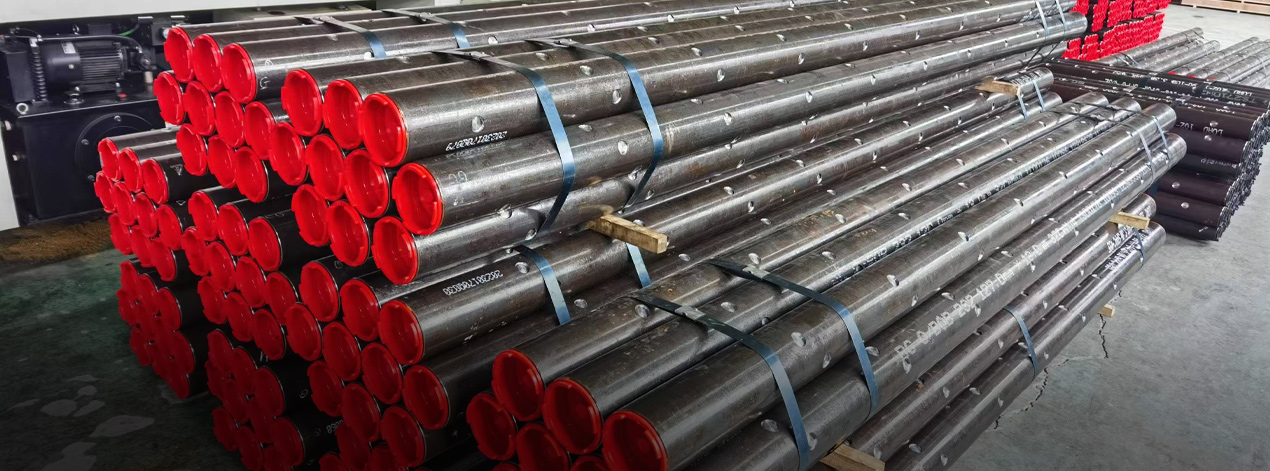
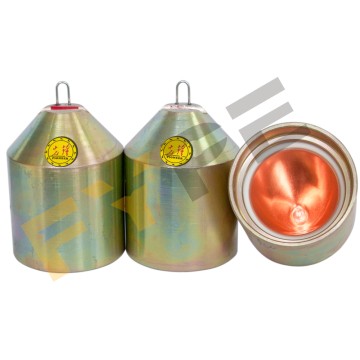
Provides deep penetration and high shot density for maximum reservoir connectivity.
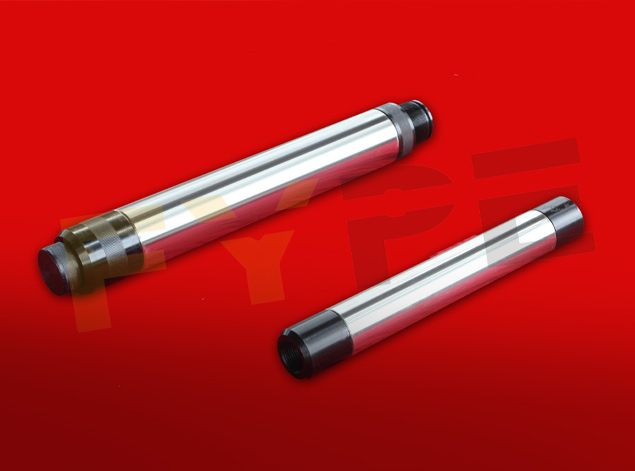
Detects casing collars for precise depth correlation in wells.
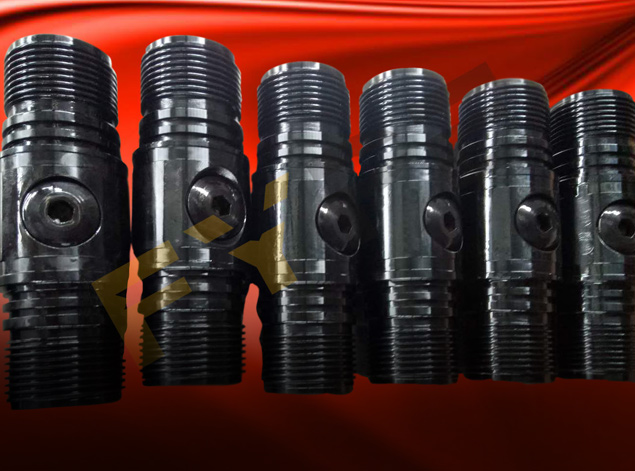
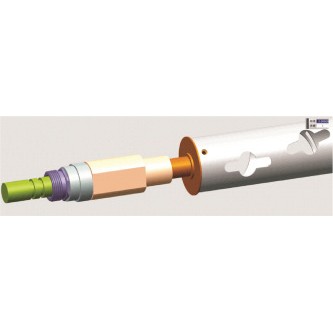
Connecting components used in perforating systems.
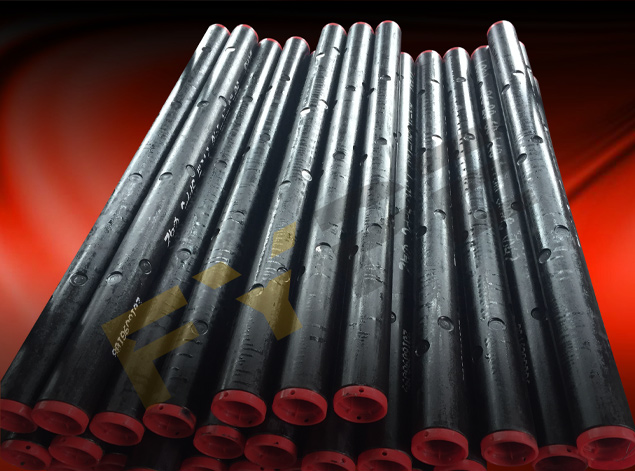
Designed for compact spaces and limited depth perforation requirements.








At FYPE, we believe every well deserves precision, reliability, and excellence. Whether you require high-performance perforating tools for initial well completion or dependable technical support, we are your trusted partner in the oil and gas industry.
Inquiry Now