+86-15829394411
Leave Your Message
-
Contact WhatsApp
-
 Contact Phone
-
 Contact Email
Multi-stage fracturing (MSF) has become the cornerstone of unconventional oil and gas development, enabling operators to unlock hydrocarbons from tight reservoirs, shale formations, and low-permeability sandstones that were previously uneconomical to produce. At the heart of every successful MSF operation lies a critical but often underappreciated process: perforation.
Perforation techniques for multi-stage fracturing operations determine not only where fractures initiate, but also how uniformly they propagate across multiple stages, how effectively the reservoir is drained, and ultimately, how productive the well will be over its lifetime. Selecting the right perforation strategy — including gun type, charge design, shot density, phasing, and cluster placement — is now recognized as one of the most impactful engineering decisions in the completion workflow.
Key Insight: Industry data consistently shows that optimized perforation design can increase initial production rates by 15–35% and improve estimated ultimate recovery (EUR) by up to 20% compared to conventional perforation approaches in multi-stage fracturing wells.
Modern multi-stage fracturing operations employ several distinct perforation methodologies, each suited to specific reservoir conditions, wellbore geometries, and operational constraints:
Plug-and-Perf remains the dominant perforation technique for multi-stage fracturing in horizontal wells, particularly in North American shale plays. In this approach, a bridge plug is set to isolate the previously fractured stage, and then a perforating gun assembly is conveyed on wireline or coiled tubing to create perforation clusters in the new stage. The process is repeated from toe to heel across all planned stages.
Modern PnP operations routinely achieve 20–40 stages per day, with advanced dissolvable plug technology eliminating the need for subsequent milling operations. The technique offers precise cluster placement, high shot density options, and excellent stage isolation — making it the preferred choice for complex multi-stage programs.
Oriented perforating uses gravity tools, gyroscopes, or magnetic sensors to position perforating charges at specific azimuths relative to the wellbore. In horizontal wells, this typically means aligning charges toward the maximum horizontal stress direction to minimize near-wellbore tortuosity and reduce fracture initiation pressure.
Horizontal oriented perforating guns represent a significant technological advancement, enabling operators to achieve consistent phasing control even in highly deviated wellbores. This technique is particularly valuable in formations with strong stress anisotropy, where misaligned perforations can cause fracture complexity, screen-outs, and reduced fracture half-lengths.
Directional clustering perforation systems allow multiple perforation clusters to be placed within a single stage with controlled azimuthal distribution. By combining directional orientation with optimized cluster spacing, this technique maximizes the number of simultaneously growing fractures while minimizing stress shadow interference between adjacent clusters.
Advanced directional clustering systems can simultaneously manage phasing, shot density, and cluster geometry — providing completion engineers with unprecedented control over fracture initiation and propagation patterns in multi-stage programs.
Limited entry perforation (LEP) is a hydraulic diversion technique that uses a deliberately restricted number of small-diameter perforations to create sufficient friction pressure drop across each cluster, forcing fracturing fluid to distribute more evenly across all perforations in a stage. This approach has gained significant traction as an alternative to mechanical diversion in multi-stage fracturing.
LEP design requires precise calculation of perforation diameter, shot count, and fluid injection rates to maintain adequate entry friction while avoiding excessive treating pressure. When properly executed, limited entry perforation can dramatically improve cluster efficiency — a metric that measures the percentage of perforations that actually contribute to fracture growth.
Through-tubing gun (TTG) systems, including capsule-shaped charge designs, enable perforation operations to be conducted through existing production tubing without the need for tubing removal. This technique is increasingly important for well recompletion, infill perforation, and workover operations in mature multi-stage fracturing wells.
TTG capsule shaped charges are specifically engineered to deliver maximum penetration depth within the severe geometric constraints imposed by through-tubing deployment, making them indispensable for cost-effective well redevelopment programs.
In high-density rock formations and tight carbonates, standard perforation penetration depth may be insufficient to bypass near-wellbore damage zones and connect with the natural fracture network. Super deep penetration (SDP) shaped charges are specifically engineered to achieve exceptional penetration depths — often exceeding 30 inches in concrete targets — ensuring reliable connectivity with the undamaged reservoir matrix.
The global market for perforating systems used in multi-stage fracturing operations has experienced robust growth over the past decade, driven by the continued expansion of unconventional resource development in North America, the Middle East, China, Argentina, and emerging markets in Africa and Southeast Asia. The global oilfield perforating market is projected to exceed USD 4.5 billion by 2028, with multi-stage fracturing applications representing the fastest-growing segment.
China has emerged as a particularly significant market and manufacturing hub for perforation technology. With the rapid development of the Sichuan Basin shale gas play — now one of the largest shale gas producing regions outside North America — Chinese operators and service companies have invested heavily in advanced perforating systems capable of handling the unique challenges posed by deep, high-temperature, high-pressure (HTHP) shale formations.
Machine learning algorithms are being applied to optimize perforation cluster placement, shot density, and phasing based on integrated geological, geomechanical, and production data — enabling real-time design adjustments during operations.
Advanced fiber-optic distributed sensing (DAS/DTS) and downhole gauges are being integrated with perforation systems to provide real-time feedback on fracture initiation, fluid distribution, and cluster efficiency during multi-stage operations.
Next-generation perforating gun components manufactured from dissolvable or composite materials are eliminating the need for milling and flowback cleanup operations, significantly reducing multi-stage completion cycle times.
New shaped charge formulations and liner materials are enabling reliable performance at temperatures exceeding 200°C and pressures above 20,000 psi — critical for deepwater and HTHP multi-stage fracturing applications.
Integration of microseismic data, production logging, and geomechanical modeling is enabling increasingly precise cluster spacing optimization, maximizing fracture complexity and reservoir contact in multi-stage programs.
Environmentally conscious perforation designs — including reduced-debris guns, lower-energy charges, and precision-timed detonation systems — are gaining traction as operators seek to minimize formation damage and environmental impact.
In a typical horizontal shale gas well with 30–50 fracturing stages, perforation cluster efficiency is paramount. Industry studies using distributed fiber-optic sensing have revealed that in conventionally perforated wells, often only 30–50% of perforation clusters actively contribute to fracture growth — with the remainder receiving little or no fluid. This "cluster efficiency" problem directly translates to suboptimal reservoir drainage and reduced EUR.
By implementing oriented directional clustering perforating systems combined with limited entry design principles, operators have demonstrated cluster efficiency improvements to 70–85%, with corresponding increases in initial production rates of 20–30%. The key is ensuring that each cluster receives adequate fluid volume to initiate and propagate a productive fracture, rather than allowing dominant clusters to capture the majority of injected fluid.
Deep tight gas formations — particularly those found in the Sichuan Basin of China, the Permian Basin of West Texas, and the deep Jurassic formations of the Middle East — present extreme challenges for perforation. Formation compressive strengths exceeding 30,000 psi, combined with significant near-wellbore drilling damage zones, require shaped charges capable of delivering penetration depths well beyond what standard charges can achieve.
Super deep penetration shaped charges engineered specifically for high-density rock are essential in these applications. Their optimized liner geometry, explosive loading, and charge case design work together to focus the jet energy for maximum penetration, ensuring reliable hydraulic connectivity between the wellbore and the undamaged reservoir beyond the damage zone.
As the North American shale industry matures, well recompletion has emerged as a major activity. Operators are re-entering existing multi-stage fracturing wells to add perforation clusters in bypassed pay zones, restimulate underperforming stages, or perforate new intervals that were not originally completed. These operations typically must be conducted through existing production tubing, making through-tubing gun (TTG) systems and capsule shaped charges the tools of choice.
TTG capsule shaped charges must deliver maximum penetration performance within the severe size constraints imposed by through-tubing deployment — often limited to 1.5–2.0 inch outer diameters. Advanced capsule charge designs using high-detonation-velocity explosives and precision-machined liners are achieving penetration performance approaching that of conventional full-bore systems, making through-tubing recompletion economically attractive.
Offshore multi-stage fracturing operations in deepwater and ultra-deepwater environments impose unique constraints on perforation system design. Hydrostatic pressures at water depths of 2,000–3,000 meters can exceed 5,000 psi before even accounting for reservoir pressure, requiring perforation guns and charges rated for extreme combined pressure and temperature environments.
Additionally, the logistics of offshore operations — limited deck space, high rig day rates, and extended mobilization times — place a premium on perforation system reliability and operational efficiency. Multi-stage perforation systems designed for offshore applications must demonstrate zero failure tolerance, with extensive qualification testing under simulated downhole conditions prior to deployment.
Coal bed methane (CBM) and other unconventional gas resources present unique perforation challenges due to the mechanical properties of the target formations. Coal is highly compressible and stress-sensitive, requiring perforation techniques that minimize formation damage while creating effective hydraulic communication between the wellbore and the natural cleat system.
Oriented perforating systems that direct charges toward the natural fracture orientation can dramatically improve CBM well productivity by aligning induced fractures with the existing cleat network, reducing the hydraulic pressure required to initiate and propagate fractures, and maximizing the effective stimulated reservoir volume (SRV).
Optimal perforation system selection for multi-stage fracturing requires a systematic evaluation of multiple technical and operational parameters:
Expetro Energy Service Co., Ltd. (FYPE) is a leading manufacturer of downhole perforating systems in China, dedicated to the research, development, and production of shaped charges, perforating guns, and associated accessories for oil and gas completions.
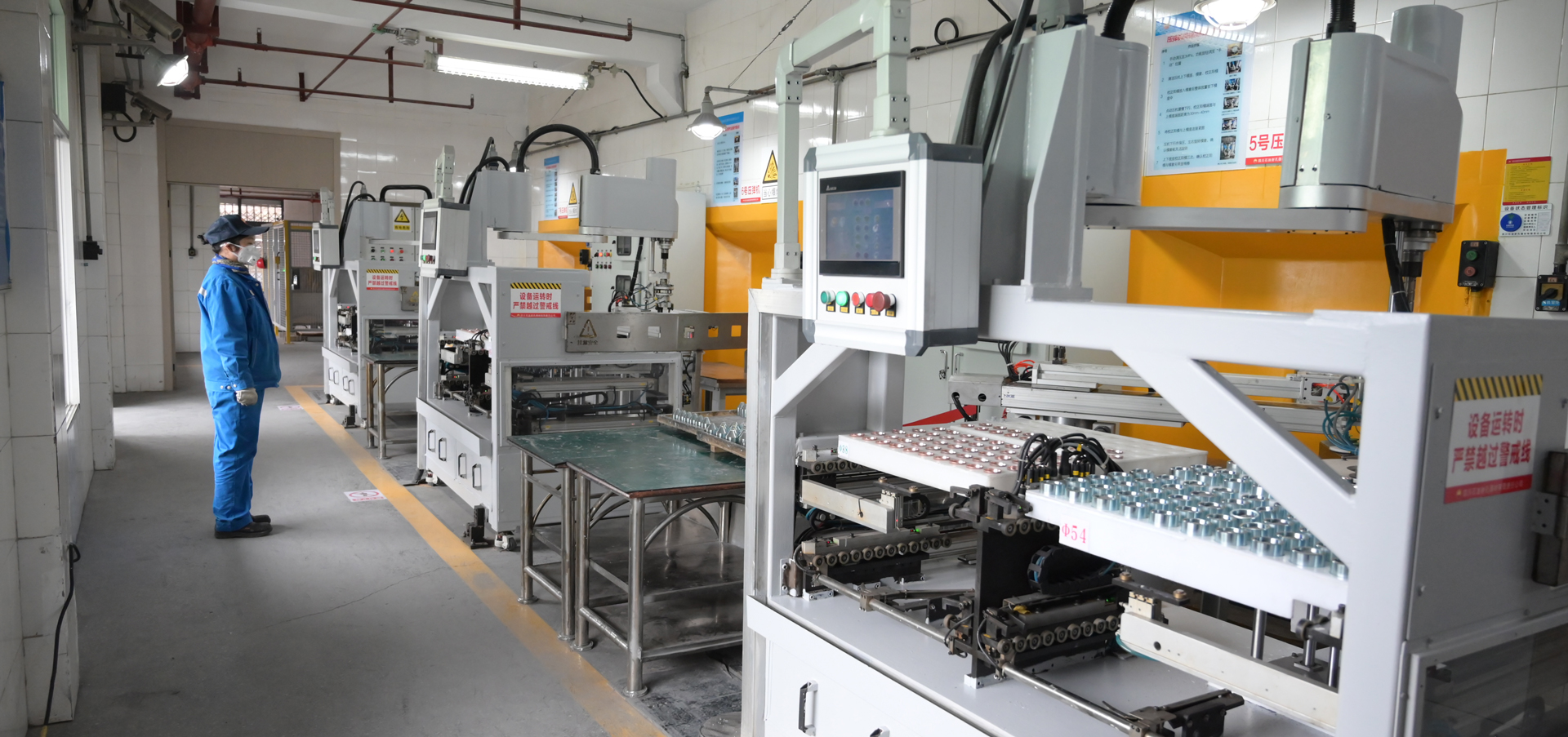
Equipped with state-of-the-art automated production and inspection lines, we deliver over 2.5 million shaped charges and 500,000 meters of perforating guns annually — meeting diverse customer requirements across the global market.
Every stage of our production process strictly adheres to the API Q1 Quality Management System. This unwavering commitment to quality, innovation, and customer satisfaction has established FYPE as a trusted partner in the global energy sector.
To date, our products have served customers in 38 countries worldwide and consistently earn positive feedback for performance and reliability. FYPE is dedicated to expanding its global footprint and building long-term partnerships with clients across continents.

Our professional inspection team operates under a quality management system certified to API Q1 and ISO 9001 standards, ensuring product reliability and superior performance in every delivery.
Our automated production lines ensure product consistency and enhance productivity. Daily capacity of shaped charges can reach 10,000. The perforating gun line can meet 100+ specification types.
Our lab carries out real-core target tests in simulated reservoirs, ultimate pressure resistance tests on perforation tools, and explosion mechanism tests on shaped charges.
With nearly 20 years of export experience across 38 countries, we deeply understand global market demands and deliver trusted, tailored solutions for every application.
Our products have served customers in 38 countries worldwide and consistently earn positive feedback for performance and reliability in multi-stage fracturing operations.
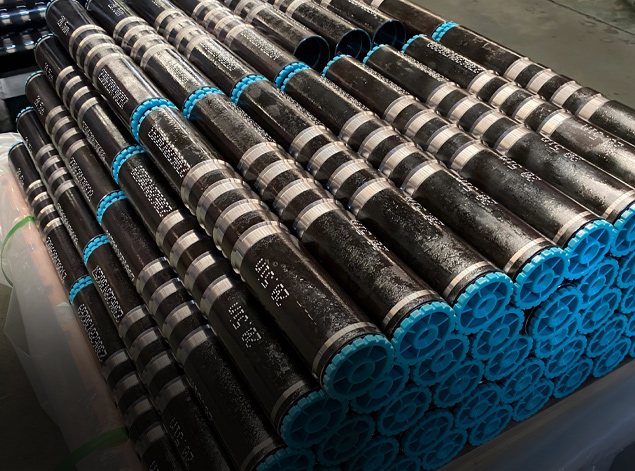
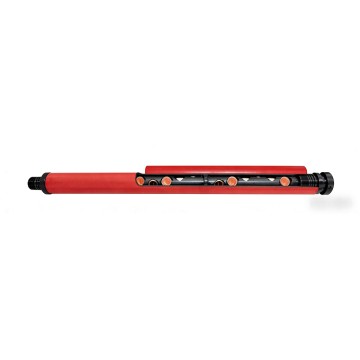
Instead of scallops, it can shoot regardless of the charge tube's angular position — ideal for multi-stage fracturing stage isolation.
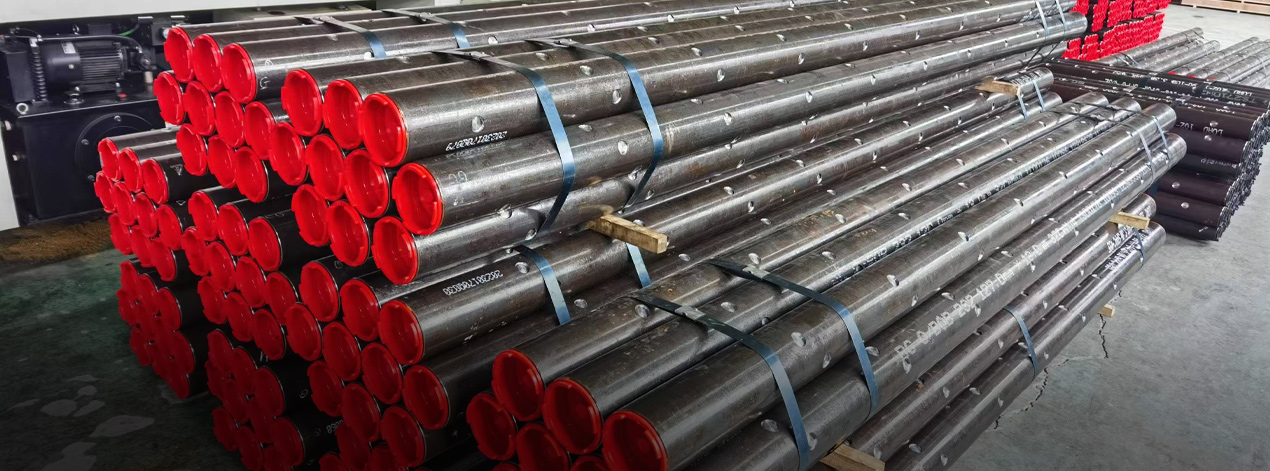
Provides deep penetration and high shot density — optimized for multi-stage fracturing in tight reservoirs.
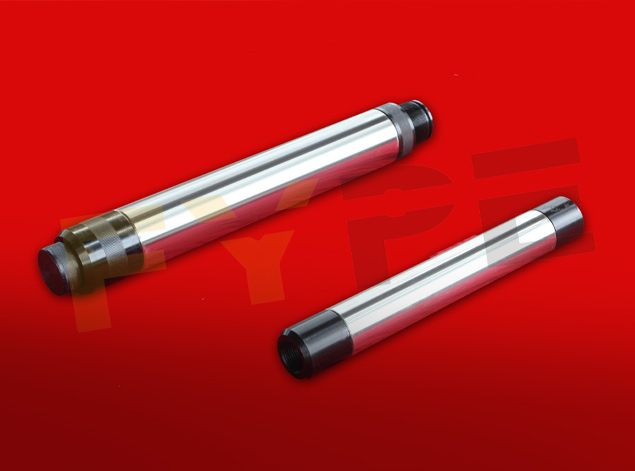
Detects casing collars for precise depth correlation in multi-stage fracturing wells.
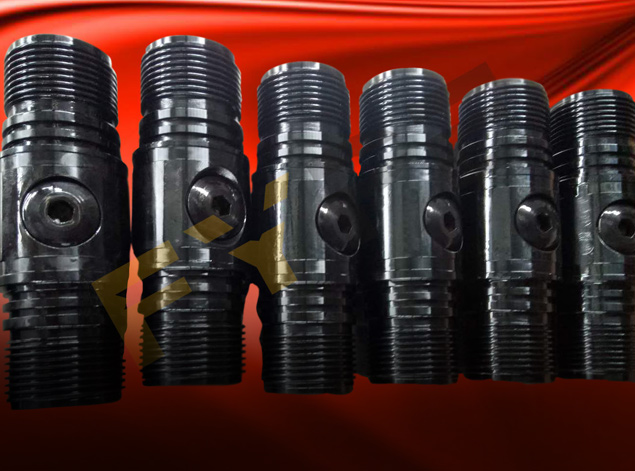
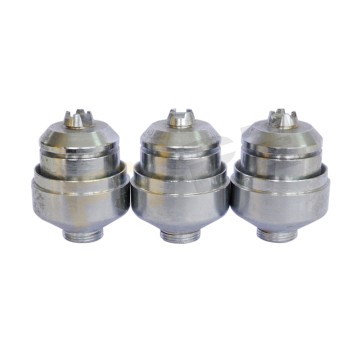
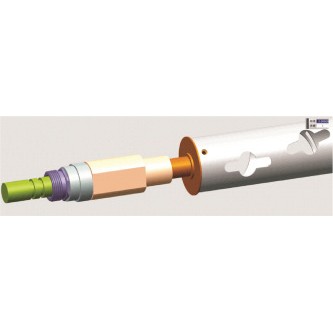
Precision connecting components used in multi-stage perforating systems for reliable stage-to-stage assembly.
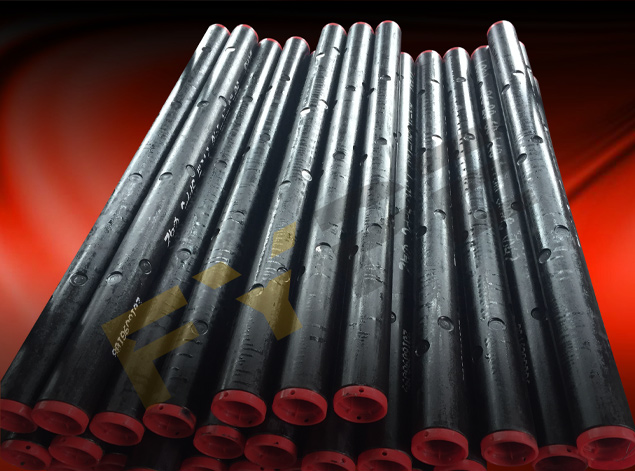
Designed for compact spaces and limited depth perforation in multi-stage fracturing completions.
State-of-the-art manufacturing facilities ensuring the highest quality perforation tools for multi-stage fracturing operations worldwide.
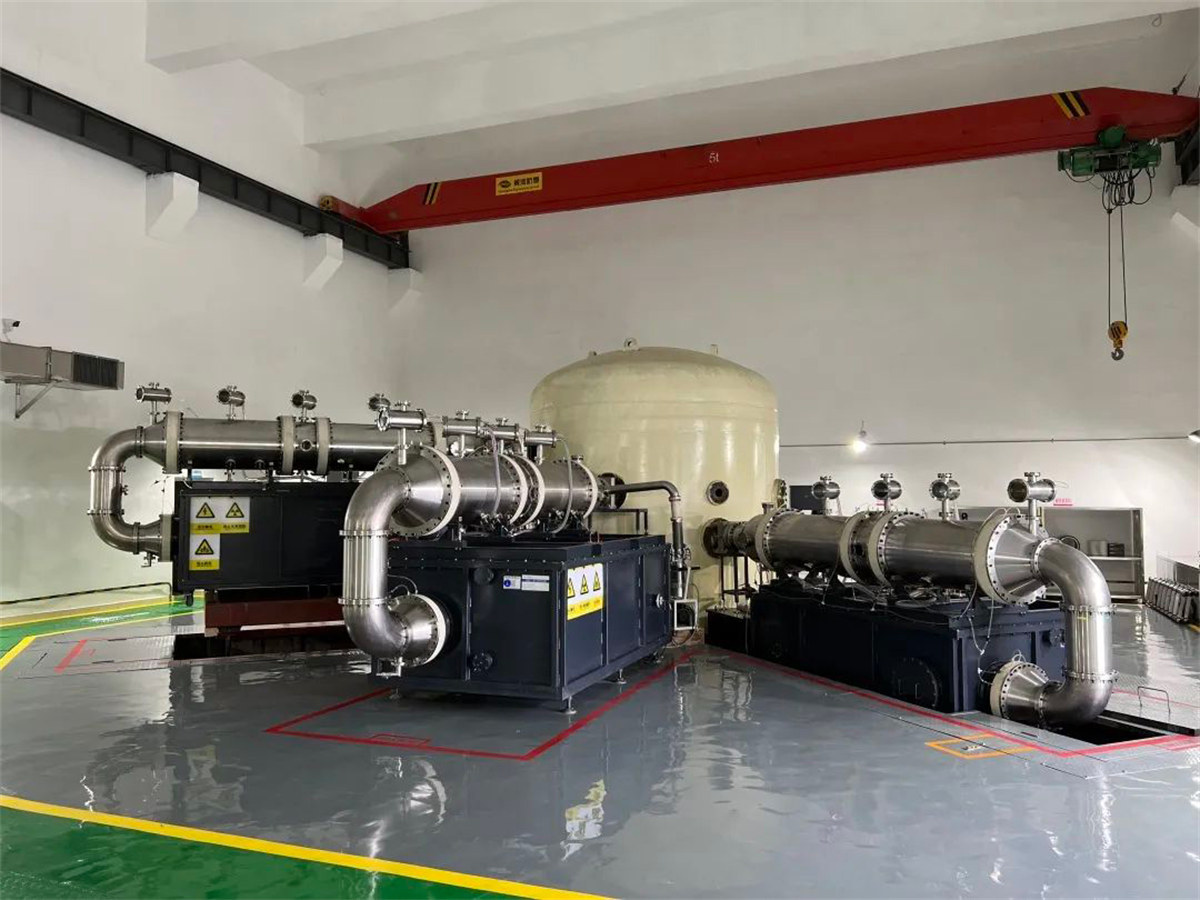
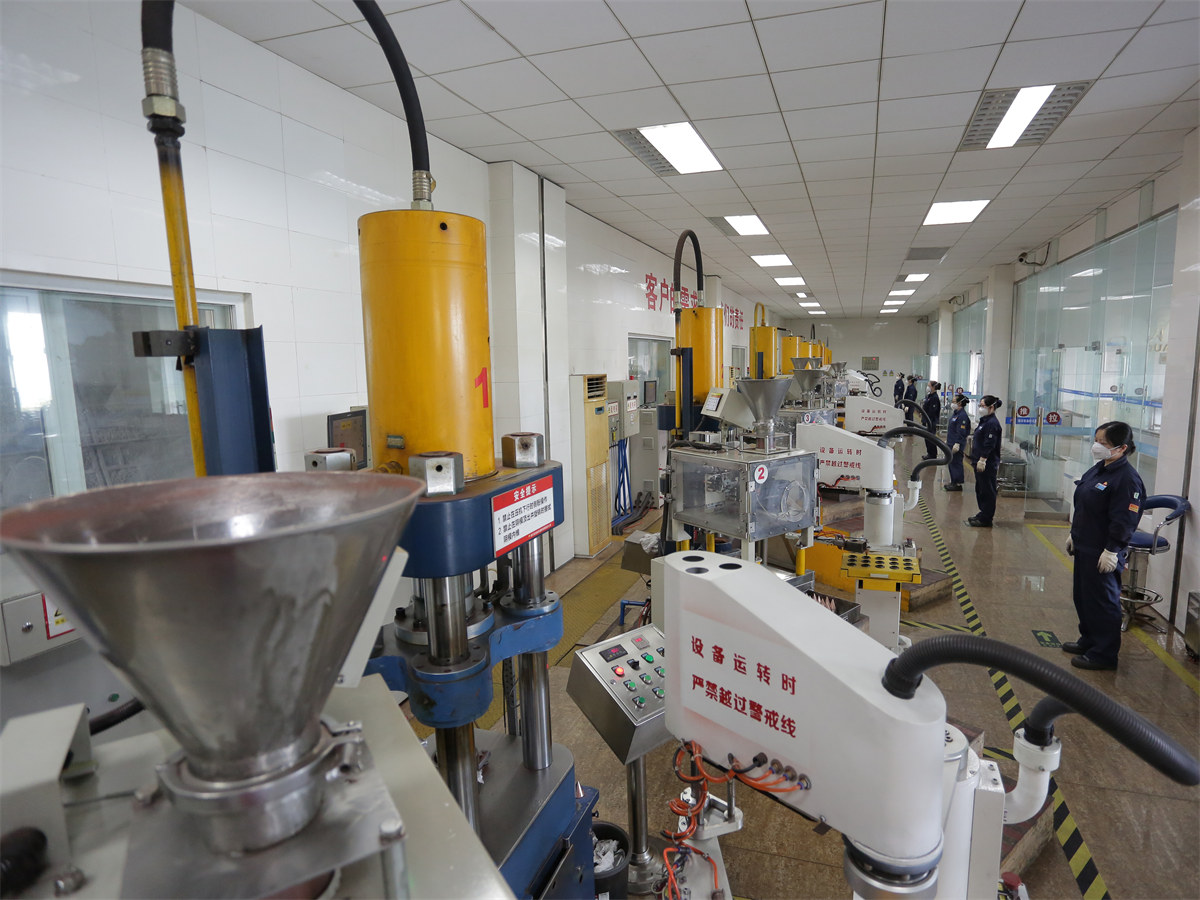








At FYPE, we believe every well deserves precision, reliability, and excellence. Whether you require high-performance perforating tools for multi-stage fracturing operations or dependable technical support, we are your trusted partner in the oil and gas industry.
Inquiry Now