 +86-15829394411
Leave Your Message
-
Contact WhatsApp
-
 Contact Phone
-
 Contact Email
Our flagship perforating systems are purpose-built to create optimized perforation tunnels that dramatically improve reservoir-to-wellbore connectivity — the cornerstone of any successful EOR program.
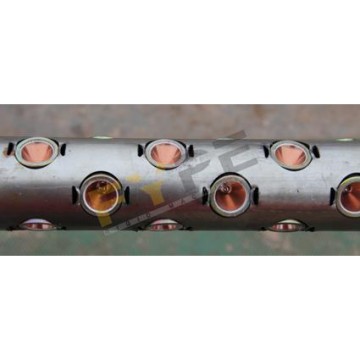
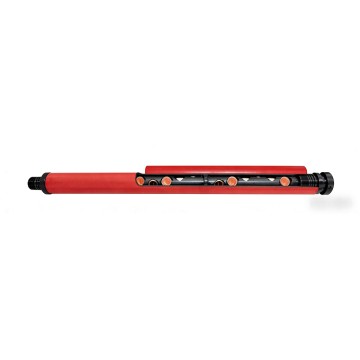
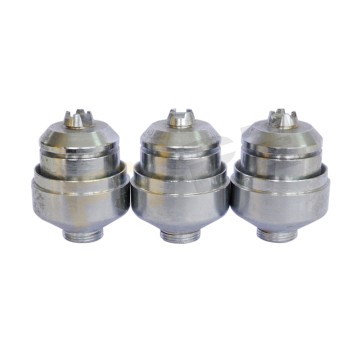
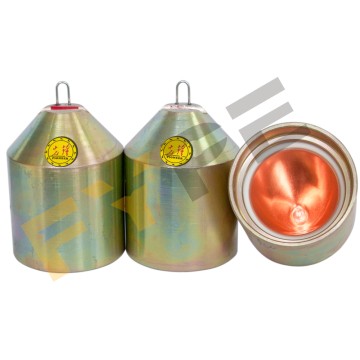
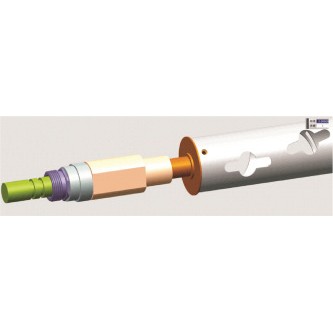
A perforation tunnel is the channel created through casing, cement, and into the reservoir formation by a shaped charge. Its geometry, depth, and density directly govern inflow performance — making it the single most critical factor in Enhanced Oil Recovery (EOR) operations.
Studies consistently demonstrate that increasing perforation tunnel depth by just 20% can boost well productivity index by up to 35% in tight formations. In EOR scenarios — whether steam injection, CO₂ flooding, or chemical EOR — the tunnel acts as the primary conduit for injected fluids and mobilized hydrocarbons, making precision perforation engineering non-negotiable.
Deep penetration tunnels bypass the near-wellbore damage zone — typically 1–3 feet of compacted, low-permeability rock caused by drilling fluids. In EOR, bypassing this zone ensures injected agents (steam, CO₂, polymers) reach undamaged reservoir rock, dramatically improving sweep efficiency and ultimate recovery factors.
High shot density (12–24 SPF) combined with optimized phase angles (60°, 90°, 120°) maximizes the contact area between the wellbore and reservoir. For EOR applications, especially in heterogeneous formations, multi-directional perforation patterns ensure uniform fluid distribution and minimize channeling effects.
Larger tunnel entrance diameters reduce skin damage and lower flowing bottomhole pressure requirements. In steam-assisted gravity drainage (SAGD) and polymer flooding EOR, high-viscosity fluids demand larger flow conduits — making entrance diameter a critical design parameter often overlooked in conventional completions.
The crushed zone surrounding a perforation tunnel can reduce local permeability by 80–90%. Advanced shaped charge formulations and optimized liner materials minimize compaction damage, preserving the natural permeability of the formation and maximizing EOR fluid injectivity from day one.
The global EOR market — valued at over $250 billion — is increasingly dependent on precision perforation engineering. Understanding the commercial dynamics shaping this industry is essential for operators seeking competitive advantage.
With conventional reservoirs maturing globally and oil prices stabilizing above $70/bbl, operators are aggressively investing in EOR to extend field life. Perforation systems optimized for EOR represent the fastest-growing segment of the completion tools market, with demand surging in the Middle East, North America, and Southeast Asia. The shift toward unconventional resources further amplifies the need for high-performance perforation tunnels capable of initiating hydraulic fractures with precision.
Leading manufacturers like FYPE are investing heavily in automated production lines, advanced metallurgy, and AI-driven quality control. The move toward precision-machined gun bodies, high-energy explosive formulations, and composite liner materials is reshaping what's achievable in downhole perforation geometry. Daily capacities exceeding 10,000 shaped charges demonstrate the industrial scale now required to meet global EOR project timelines.
Operators increasingly demand perforation solutions that deliver maximum EOR performance per dollar spent. Through-tubing perforating, reperforating existing wells, and oriented perforation systems offer compelling economics — often delivering 15–40% production uplift at a fraction of the cost of drilling new wells. This cost-efficiency narrative is driving rapid commercial adoption across mature basin operators worldwide.
The perforation tunnel supply chain is consolidating around vertically integrated manufacturers capable of delivering customized solutions at scale. Long-term supply agreements, technical service partnerships, and co-development programs between operators and manufacturers like FYPE are replacing transactional procurement — reflecting the strategic importance of perforation technology in EOR programs.
The next decade will see transformative advances in how perforation tunnels are designed, deployed, and optimized for EOR. These trends are already reshaping competitive dynamics across the global oilfield services sector.
Machine learning algorithms now analyze seismic, petrophysical, and production data to prescribe optimal perforation tunnel geometries for specific EOR mechanisms. AI-driven design reduces trial-and-error, cutting time-to-peak-production and improving ultimate recovery factors by 8–15% in pilot programs.
Oriented perforating — placing tunnels in specific azimuthal directions aligned with maximum horizontal stress — is becoming standard in EOR completions. This technique minimizes fracture tortuosity, reduces breakdown pressure, and ensures injected EOR fluids follow designed flow paths through the reservoir.
Next-generation shaped charges incorporate high-density copper-tungsten composite liners, insensitive high-explosive (IHE) formulations, and nano-engineered jet materials. These advances produce longer, cleaner tunnels with reduced compaction damage — critical for EOR applications where formation permeability preservation is paramount.
Integration of fiber optic sensing, distributed temperature sensing (DTS), and pressure transient analysis enables real-time assessment of perforation tunnel performance post-EOR injection. Operators can now identify underperforming tunnels and remediate them without costly workovers, maximizing EOR program ROI.
As the industry pivots toward CO₂-EOR and hydrogen storage applications, perforation systems must handle corrosive, high-pressure environments with unprecedented reliability. New alloy gun bodies, corrosion-resistant coatings, and enhanced pressure ratings are being developed to support the energy transition while maintaining EOR performance.
Perforation tunnels are increasingly designed as part of integrated completion architectures — combining perforating, fracturing, and intelligent well systems into unified workflows. This systems-thinking approach optimizes the entire EOR value chain from reservoir to surface, delivering superior production outcomes with reduced operational complexity.
Different EOR mechanisms impose unique demands on perforation tunnel design. Here we examine the most critical application scenarios where perforation engineering directly determines EOR program success or failure.
Steam injection demands perforation tunnels with large entrance diameters and high shot density to accommodate steam volumes and prevent near-wellbore steam override. In SAGD pairs, oriented perforations ensure steam chambers develop uniformly along horizontal wellbores. High-temperature rated gun systems (up to 204°C) and heat-resistant explosive formulations are essential for reliable performance in thermal EOR environments.
CO₂-EOR requires perforation tunnels that maintain integrity in highly corrosive, supercritical CO₂ environments. Optimal tunnel placement targets zones with highest residual oil saturation, guided by 4D seismic and reservoir simulation. High-density perforating (12–21 SPF) with 60° phase angles maximizes CO₂ contact with oil-bearing rock while minimizing gravity override and viscous fingering in heterogeneous reservoirs.
Polymer flooding's high-viscosity slugs require perforation tunnels with minimal flow restriction. Large-diameter, deep-penetrating tunnels with low skin damage are critical. Surfactant-polymer systems further demand that tunnels access undamaged formation to achieve ultra-low interfacial tension effects. Selective interval perforating targets high-permeability streaks for polymer conformance control.
Mature waterfloods benefit enormously from reperforating bypassed pay zones identified through production logging and 4D seismic. Through-tubing gun systems enable operators to add new perforation intervals without pulling production tubing, dramatically reducing workover costs. Strategic tunnel placement in unswept zones can add 5–15% incremental recovery to mature waterflood projects.
In tight and unconventional reservoirs, perforation tunnels serve as fracture initiation points. Cluster perforation design — using oriented, limited-entry perforating — controls fracture initiation pressure and promotes simultaneous multi-cluster fracture propagation. Optimal tunnel geometry minimizes near-wellbore tortuosity, reducing fracture initiation pressure by 10–25% and improving fracture complexity in EOR-targeted formations.
Long horizontal wells in EOR programs require precisely placed perforation clusters across hundreds of meters of pay zone. Directional clustering perforating systems enable stage-by-stage isolation and perforation, ensuring uniform EOR fluid distribution along the entire horizontal section. This approach maximizes reservoir contact and sweep efficiency in formations where vertical permeability variation would otherwise cause severe EOR fluid channeling.
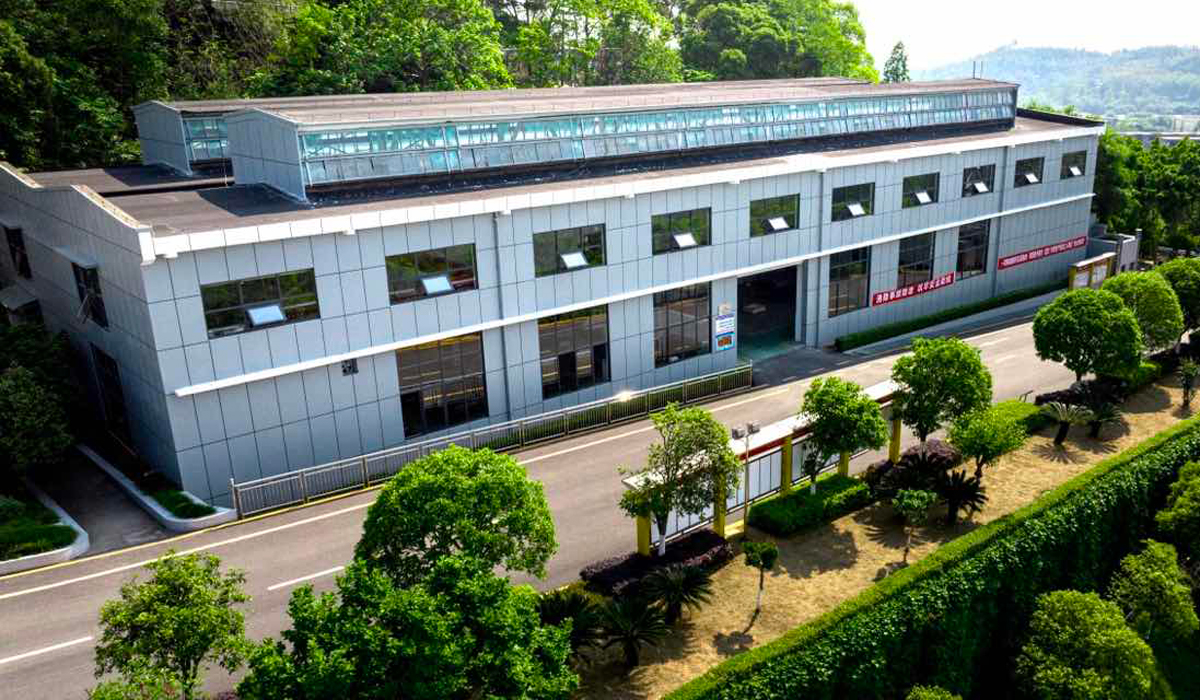
FYPE is a leading manufacturer of downhole perforating systems in China, dedicated to the research, development, and production of shaped charges, perforating guns, and associated accessories for oil and gas completions. Our perforation tunnel solutions are engineered to meet the exacting demands of modern Enhanced Oil Recovery programs worldwide.
Our professional inspection team operates under a quality management system certified to API Q1 and ISO 9001 standards, ensuring product reliability and superior performance in every delivery.
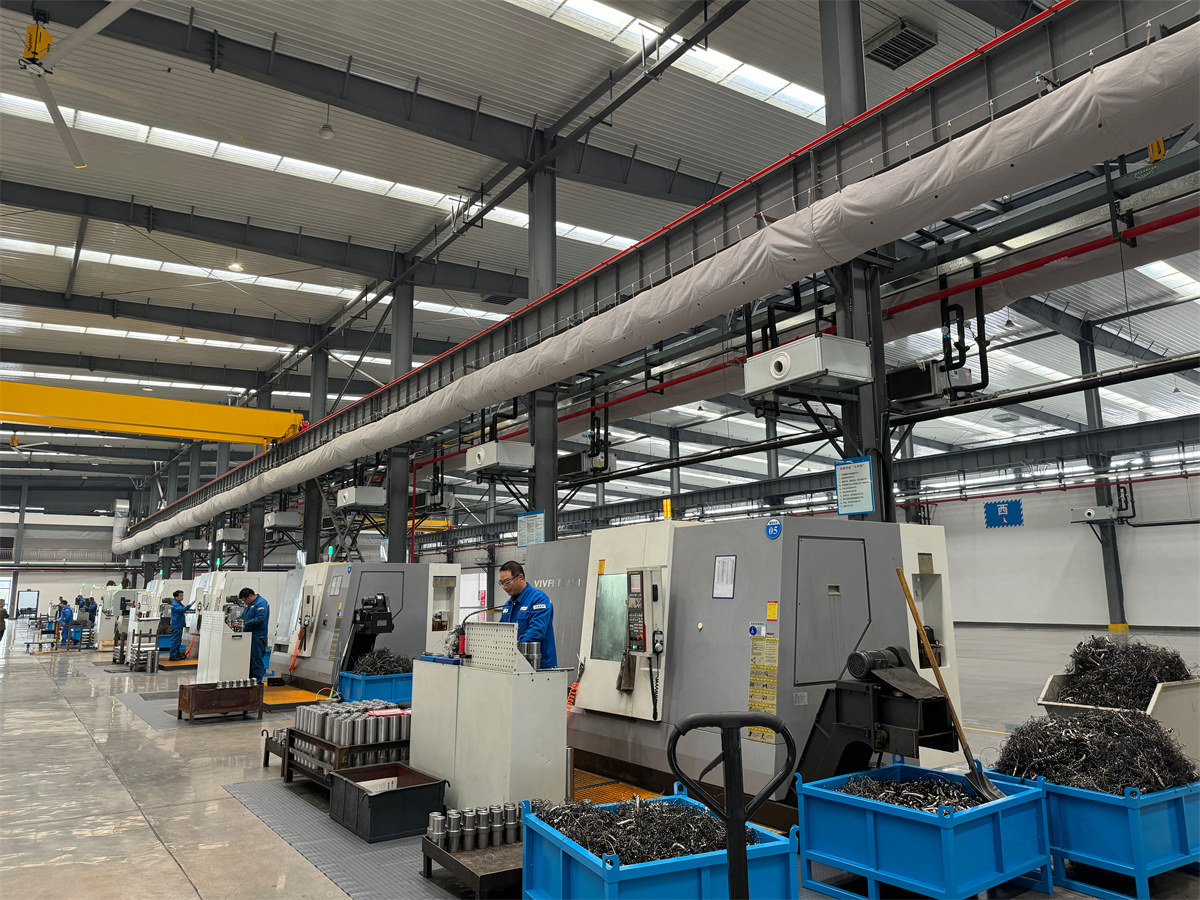
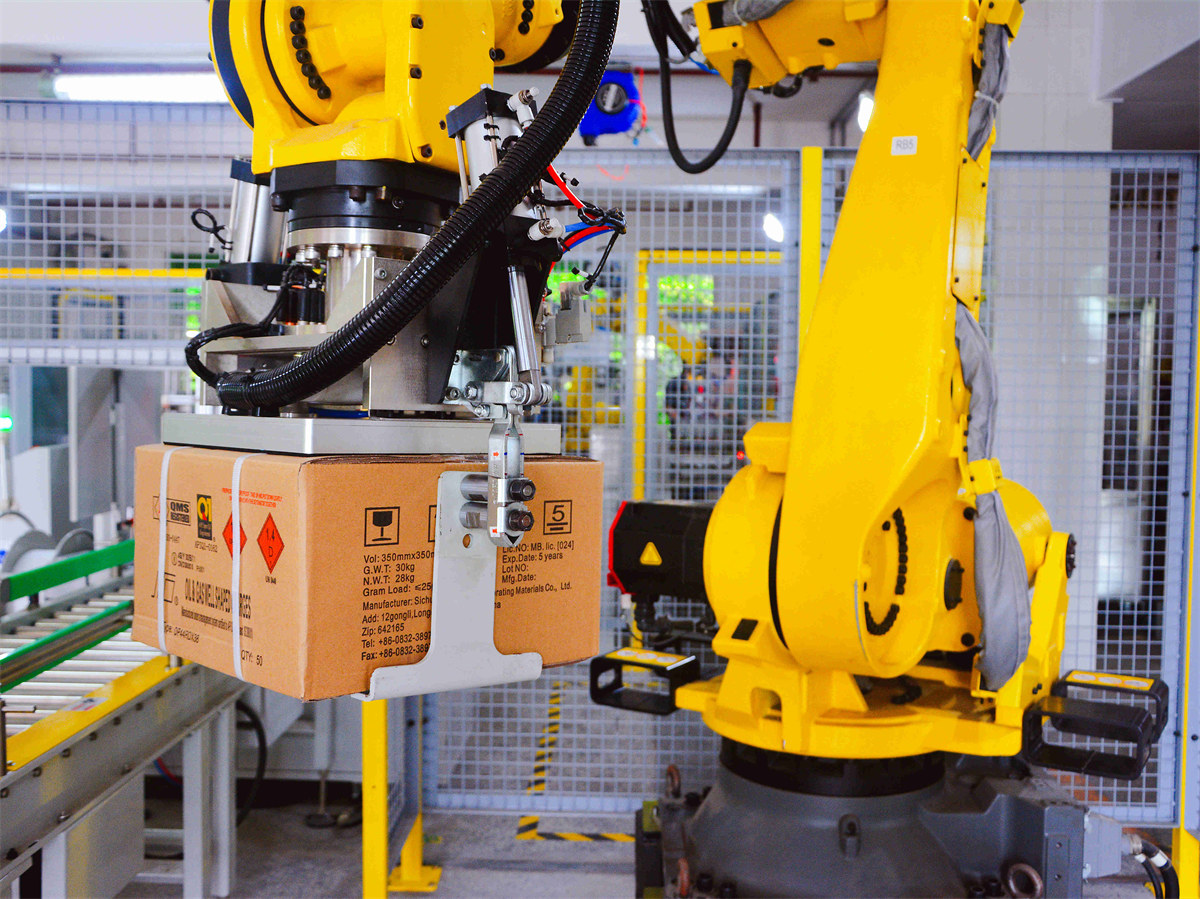
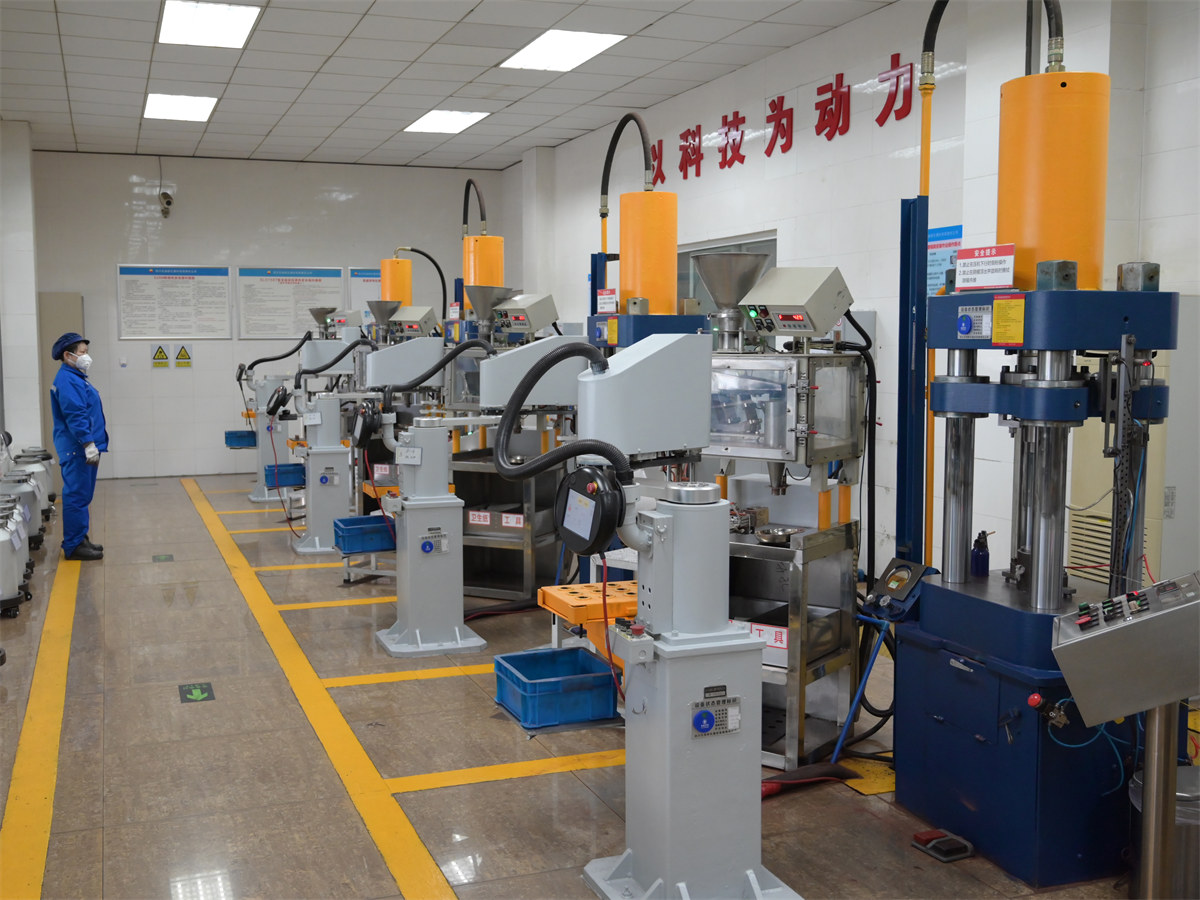
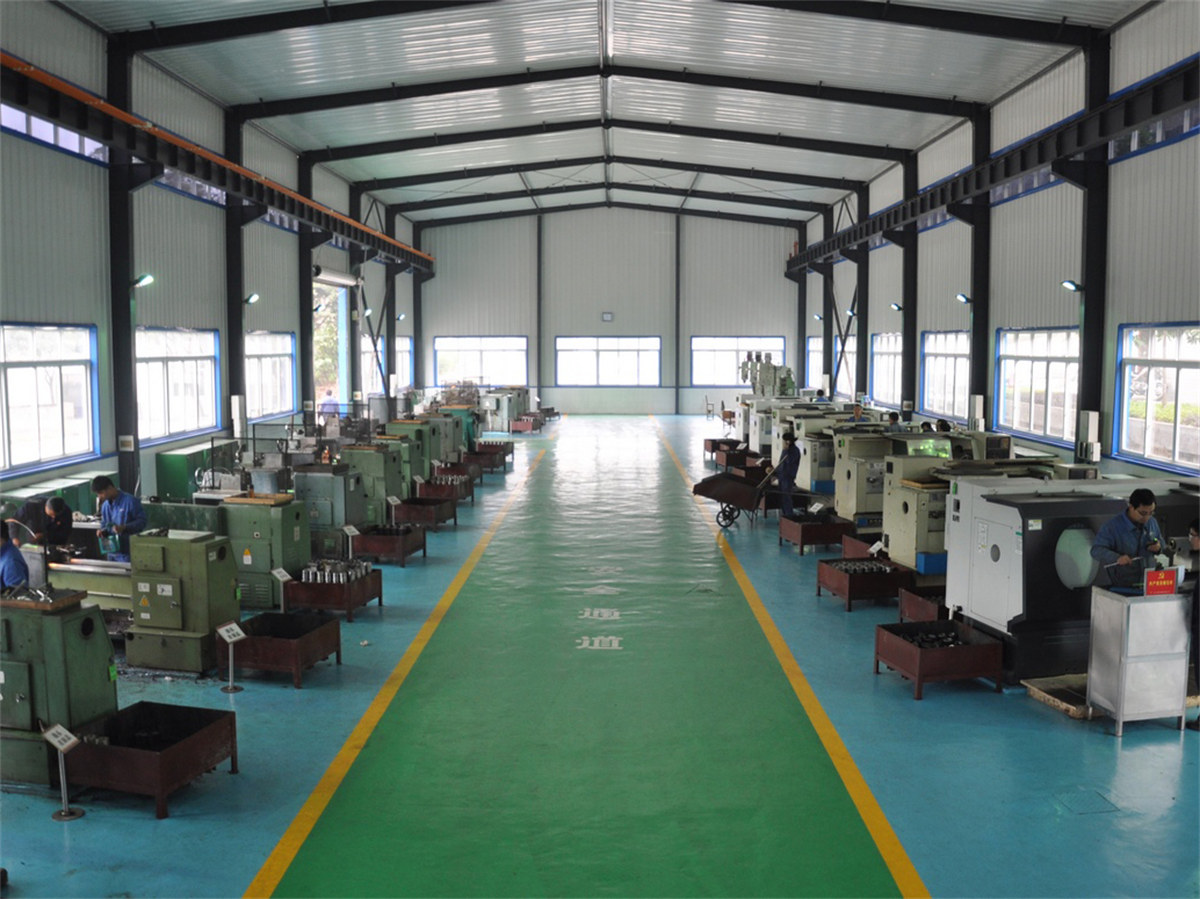
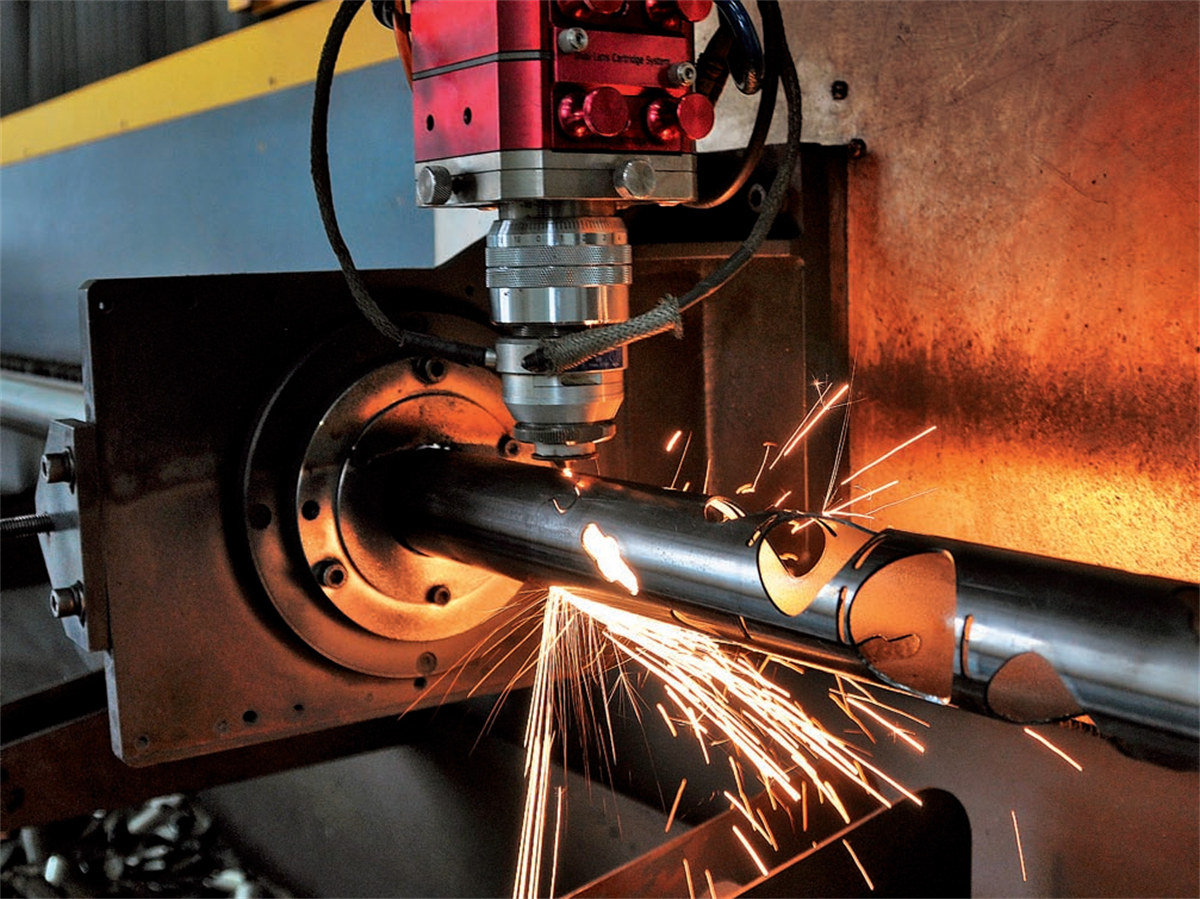
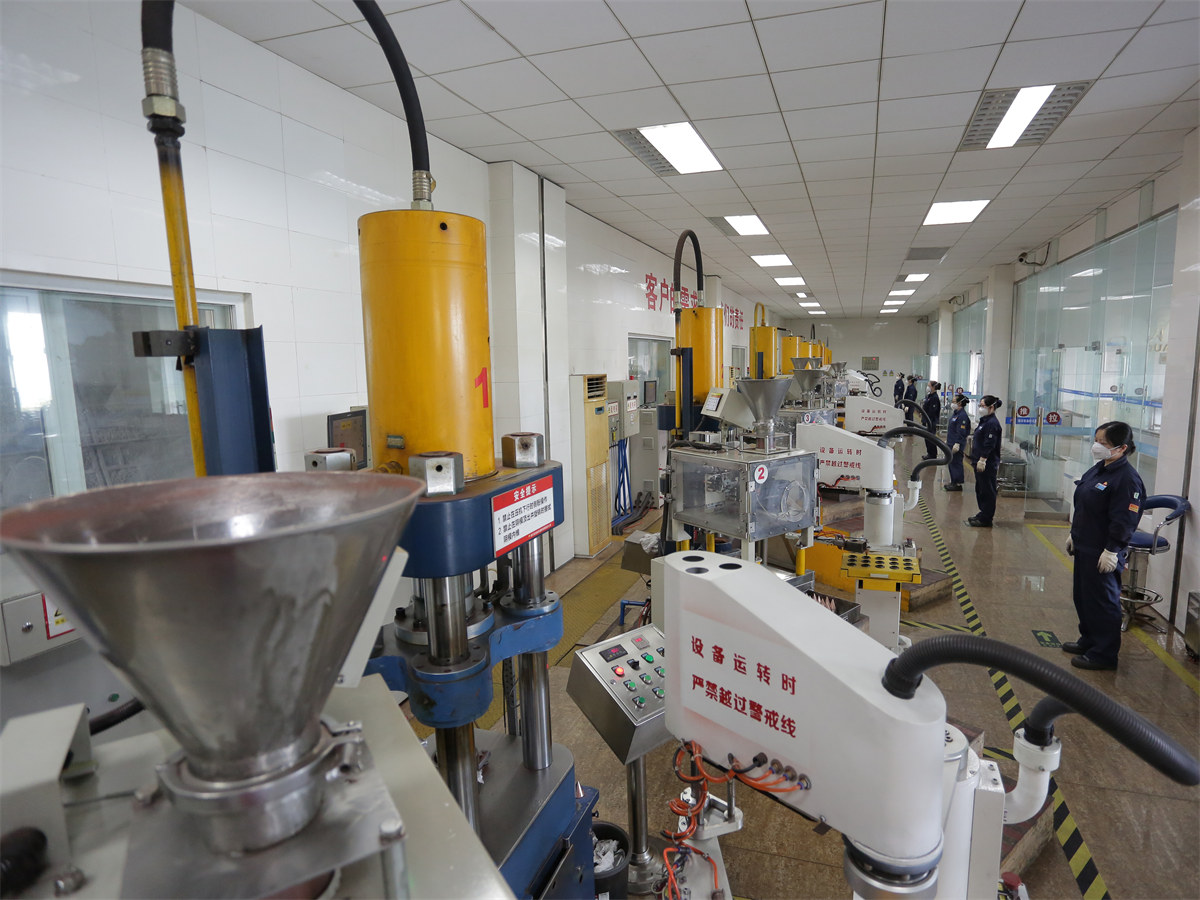
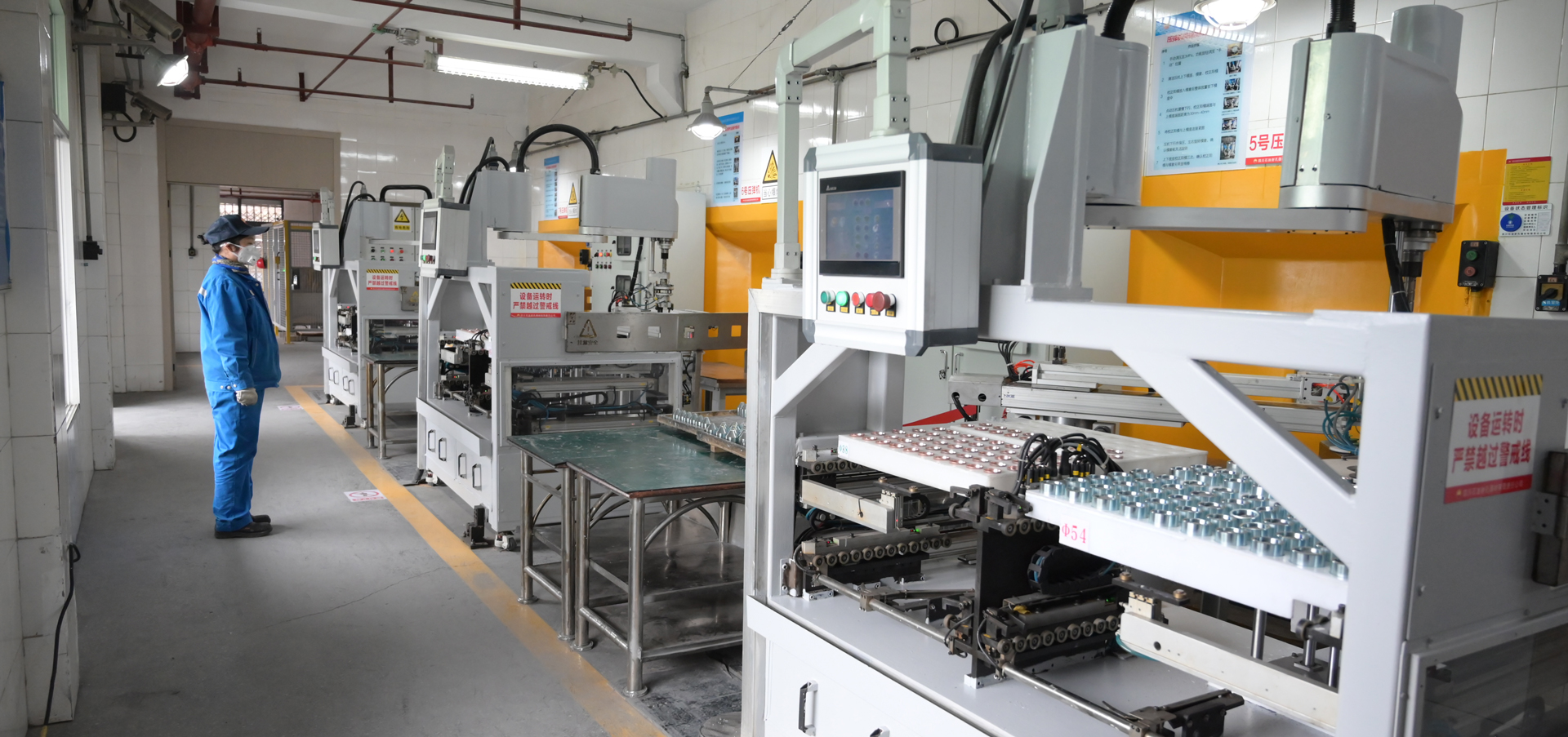
Our automated production lines ensure product consistency and enhance productivity. The daily capacity of shaped charges can reach 10,000. The perforating gun production line can meet the processing of 100+ types with different specifications.
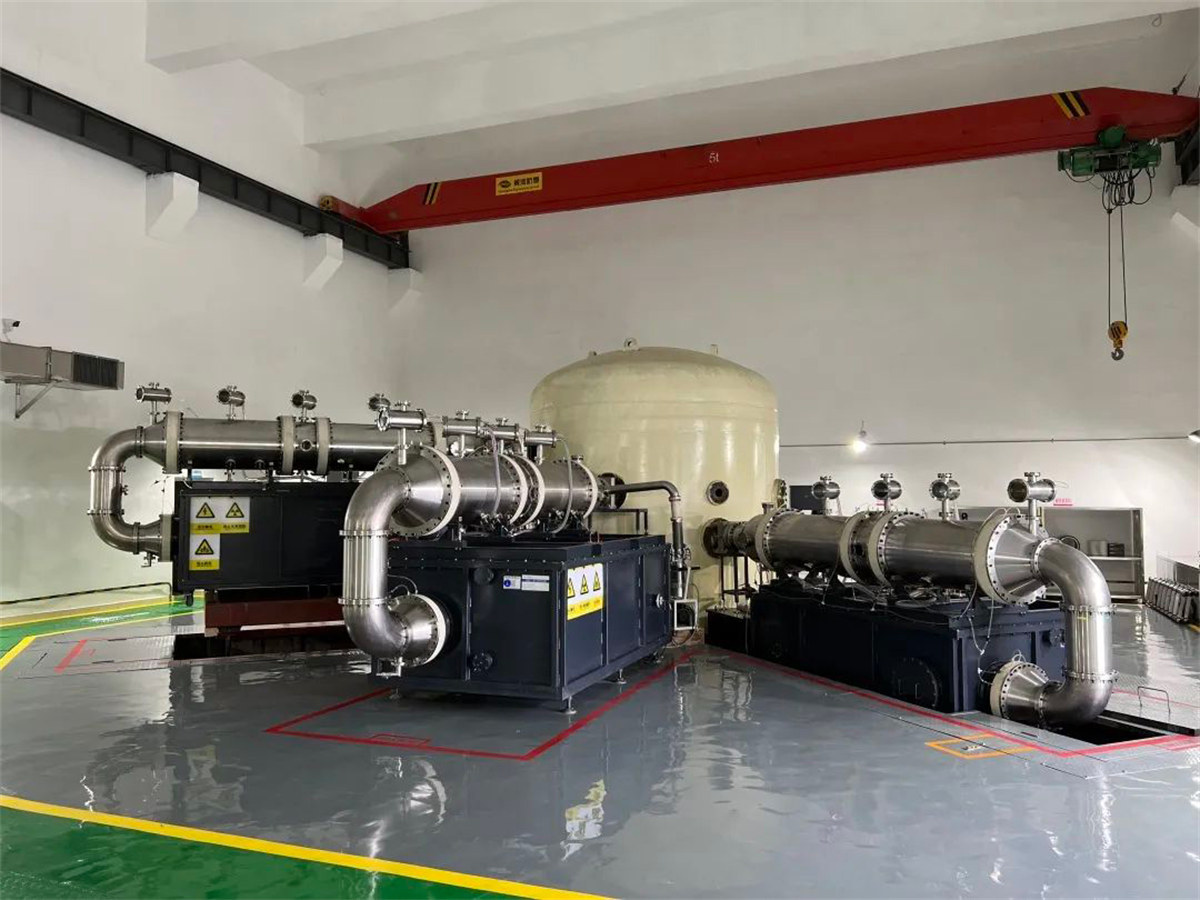
Our lab carries out real-core target tests in simulated reservoirs, ultimate pressure resistance tests on perforation tools, and explosion mechanism tests on shaped charges — ensuring every perforation tunnel solution is validated before deployment.
With nearly 20 years of export experience across 38 countries, we deeply understand global market demands and deliver trusted, tailored EOR perforation solutions to operators worldwide.
FYPE's perforation tunnel solutions for EOR are deployed across major oil-producing regions on every continent. Our global network of clients trusts our technology to deliver results in the world's most demanding reservoir environments.
To date, our products have served customers in 38 countries worldwide and consistently earn positive feedback for performance and reliability.
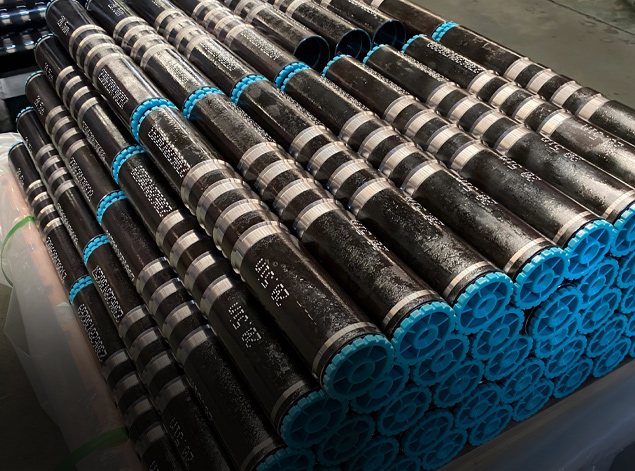
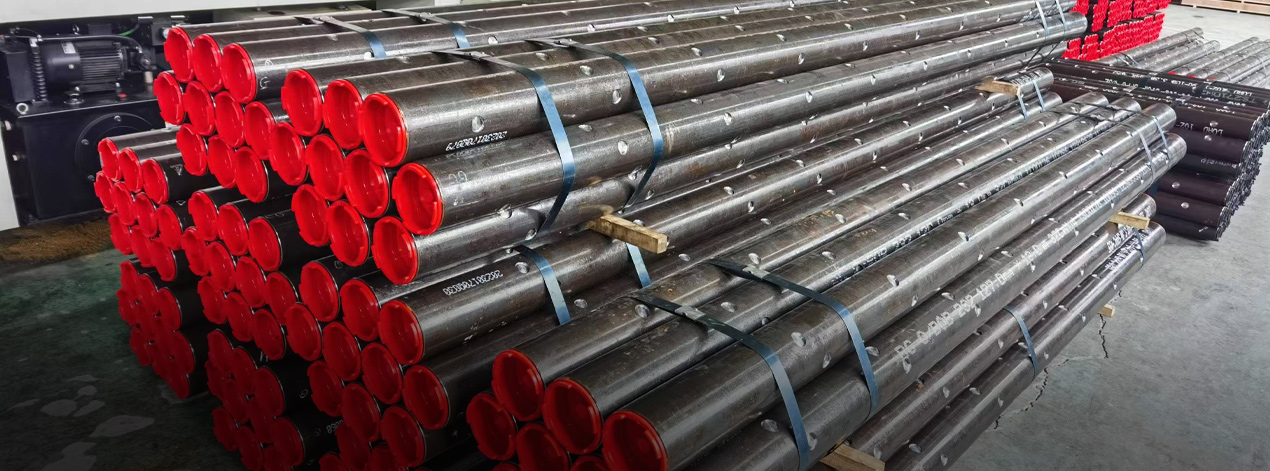
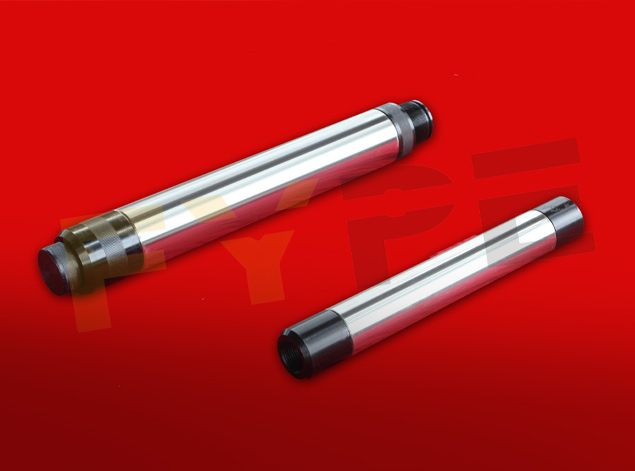
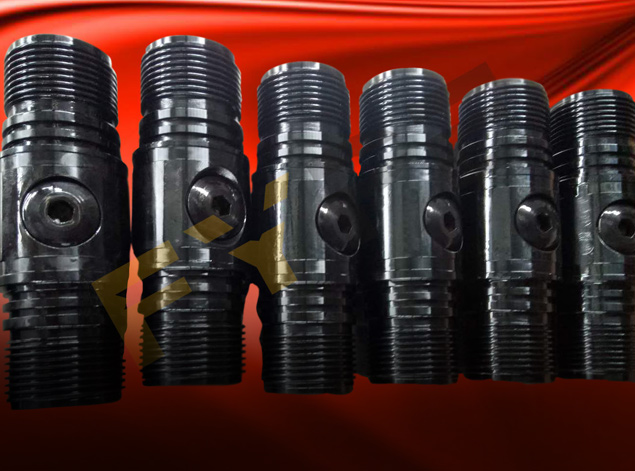
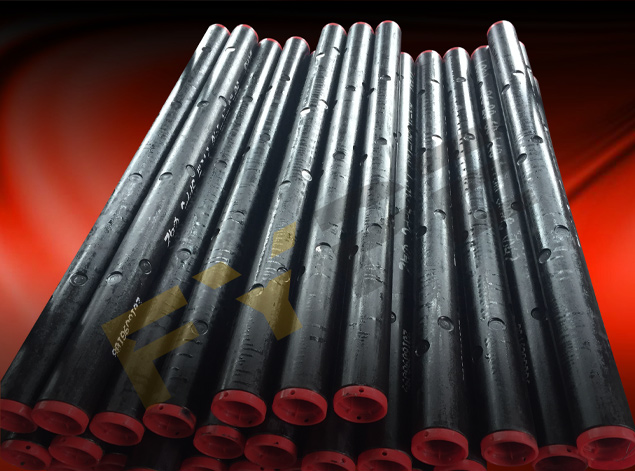
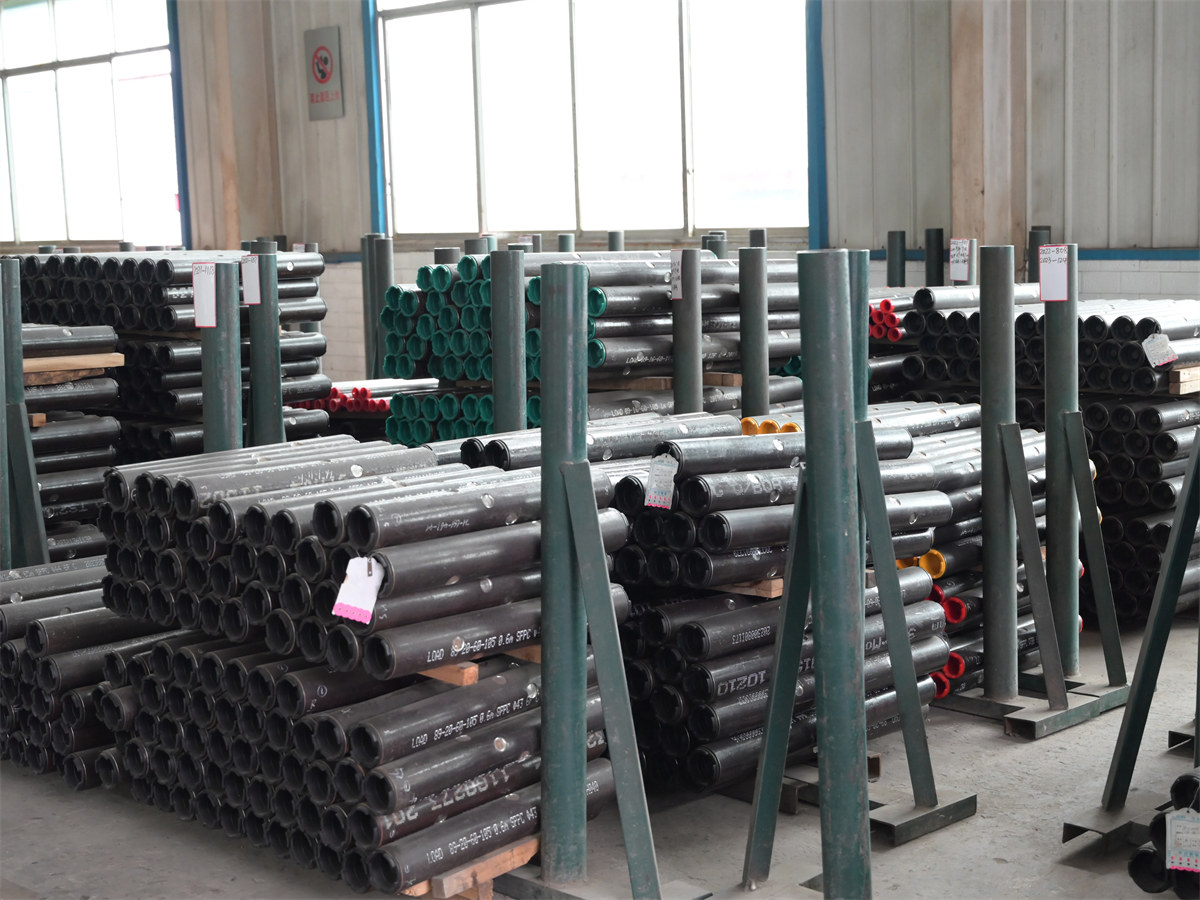
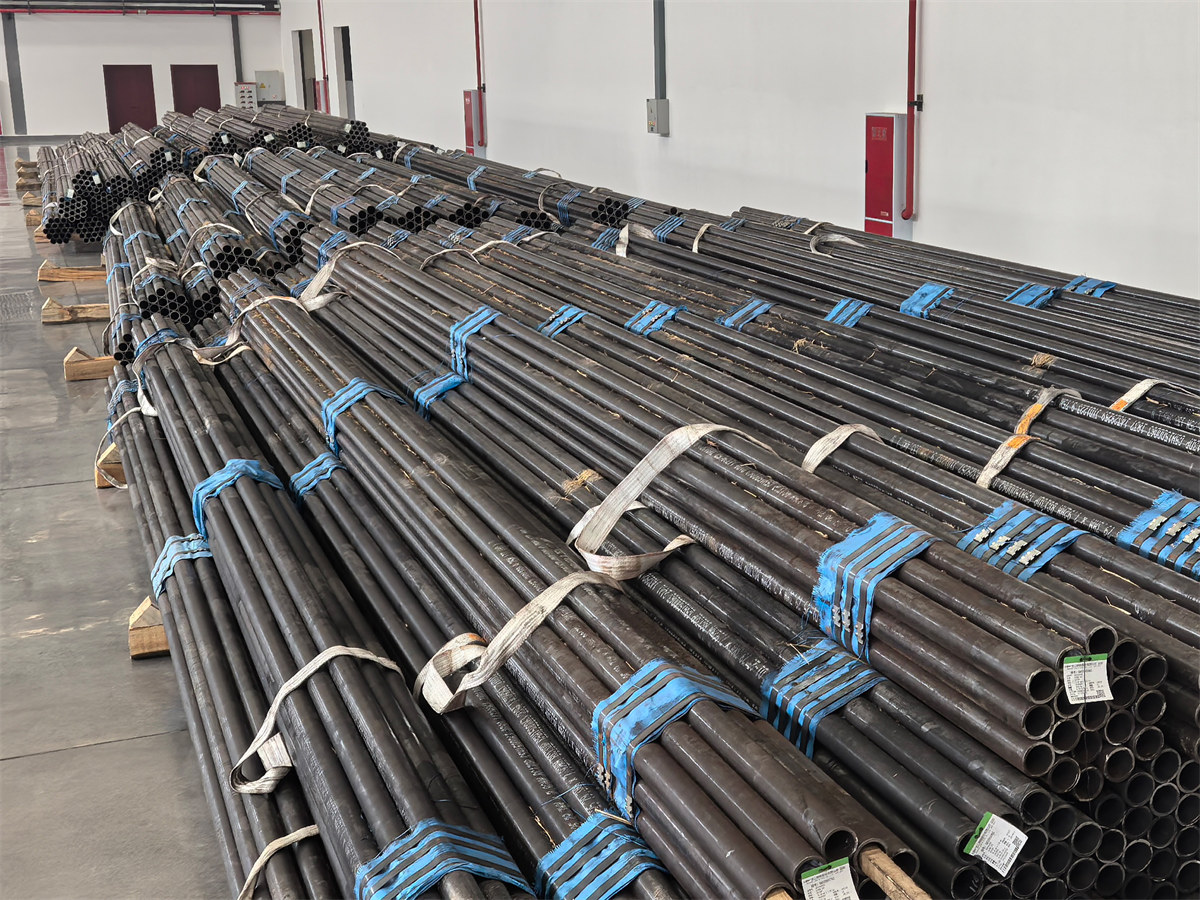
Our world-class manufacturing facility is equipped with automated production lines, advanced R&D laboratories, and rigorous quality inspection systems — all dedicated to producing the highest-performance perforation tunnel solutions for EOR operations globally.
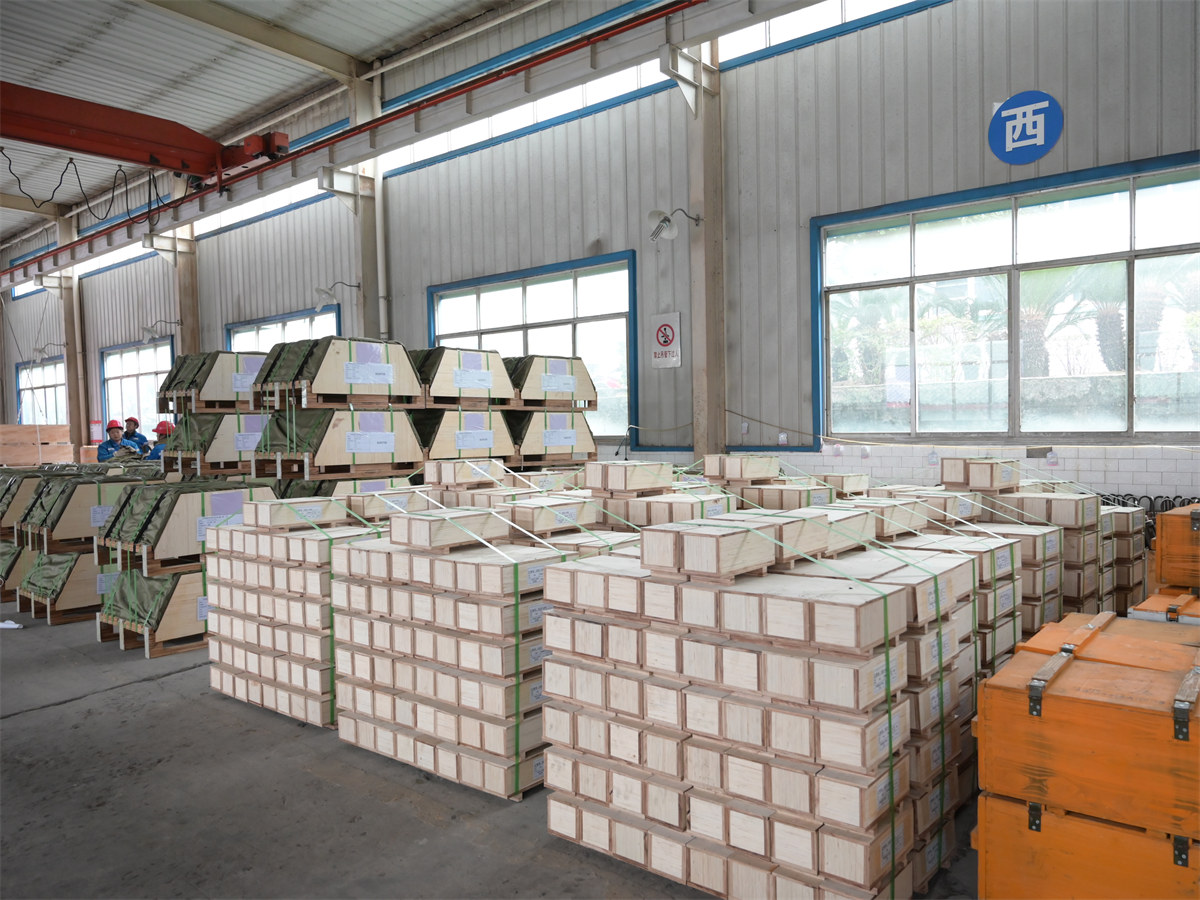
At FYPE, we believe every well deserves precision, reliability, and excellence. Whether you require high-performance perforating tools optimized for Enhanced Oil Recovery or dependable technical support for your EOR program, we are your trusted partner in the oil and gas industry.
Inquiry Now
Explore our full portfolio of perforating guns, shaped charges, and downhole perforation systems — each engineered to create optimized perforation tunnels that maximize Enhanced Oil Recovery performance.