+86-15829394411
Leave Your Message
-
Contact WhatsApp
-
 Contact Phone
-
 Contact Email
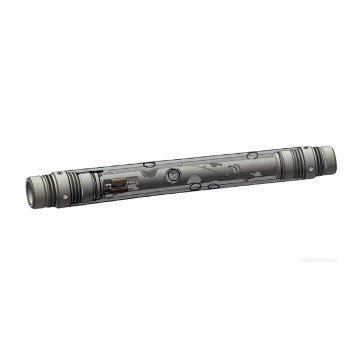
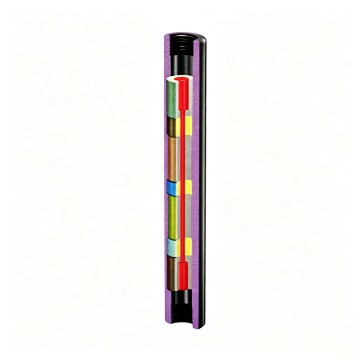
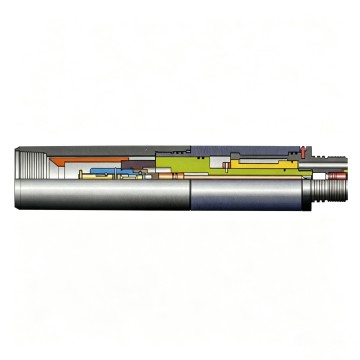
In the contemporary oil and gas landscape, the Perforator Gun For Formation Pressure Testing has evolved from a simple completion tool into a sophisticated diagnostic instrument. As global energy demands push exploration into deeper, high-pressure, and high-temperature (HPHT) environments, the accuracy of initial reservoir data becomes paramount. Formation pressure testing, often integrated with Drill Stem Testing (DST), relies heavily on the initial "connection" made between the wellbore and the reservoir. This is where the perforating gun's precision dictates the success of the entire evaluation campaign.
The industrial status of perforating technology is currently seeing a paradigm shift. No longer is it just about creating holes; it is about creating clean, debris-free conduits that allow for undisturbed pressure transients. For engineers, the perforating gun is the gateway to understanding reservoir permeability, skin factor, and initial pressure. Any inefficiency in the perforation stage can lead to "slugging" or false pressure readings, potentially costing operators millions in miscalculated reservoir potential.
The global market for advanced perforating systems is projected to grow significantly as unconventional shale gas and deep-water offshore projects require more granular data during the testing phase.
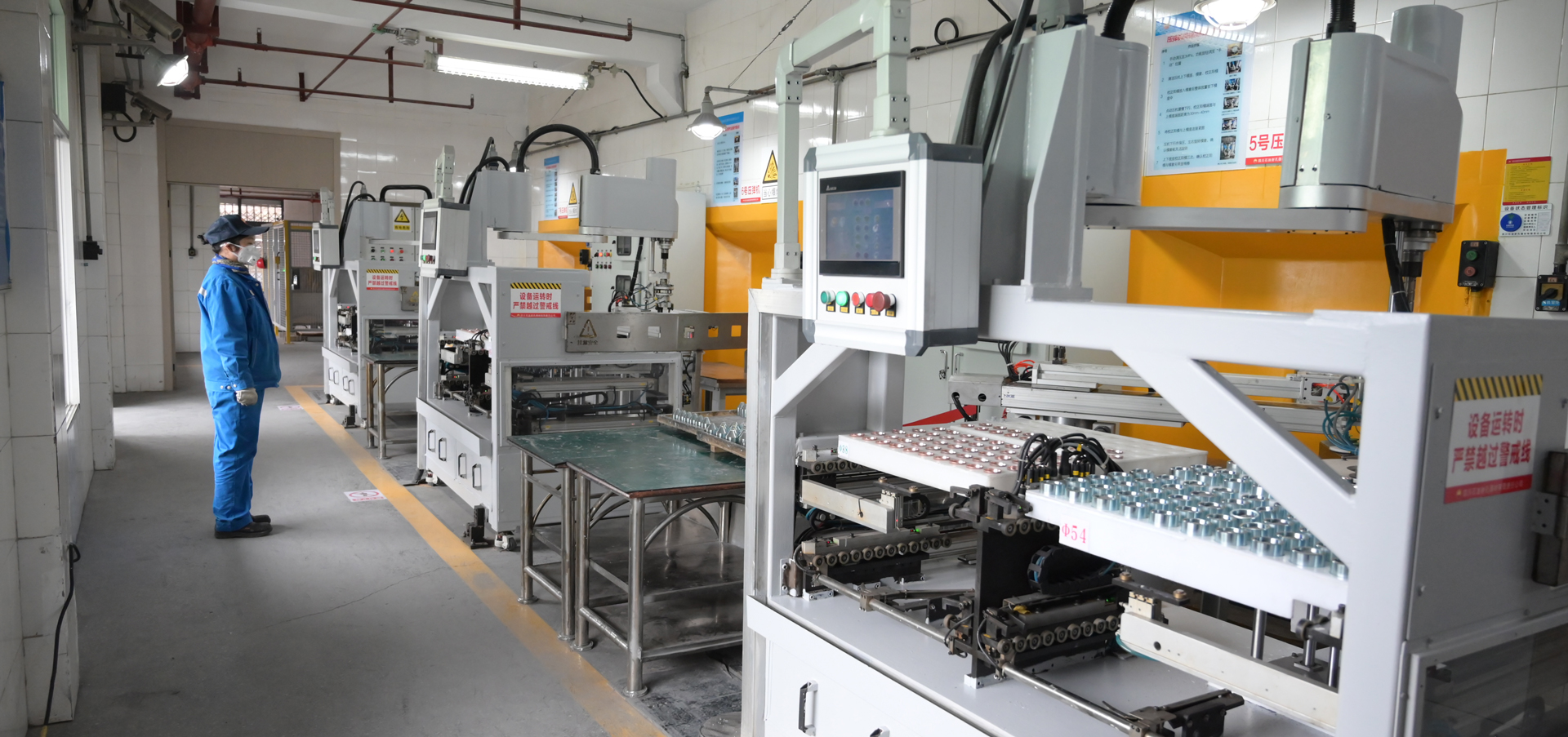
Expetro Energy Service Co., Ltd. (FYPE) is a leading manufacturer of downhole perforating systems in China, dedicated to the research, development, and production of shaped charges, perforating guns, and associated accessories for oil and gas completions.

The future of Perforator Gun For Formation Pressure Testing is being written with "smart" technology. One of the most significant trends is the integration of real-time downhole sensors within the gun string. Historically, engineers had to wait for the gun to be pulled or for surface pressure changes to confirm a successful shot. Modern systems now incorporate electronic triggers and pressure-pulse telemetry that provide immediate confirmation of detonation and initial pressure response.
Furthermore, the move toward "Extreme HPHT" (High Pressure High Temperature) solutions is non-negotiable. With wells reaching temperatures above 400°F and pressures exceeding 20,000 psi, the metallurgy of the perforating gun and the thermal stability of the explosives (HNS/HMX) are being pushed to their limits. We are also seeing a rise in Oriented Perforating, where guns are aligned with the maximum principal stress of the formation to optimize the pressure flow during testing, reducing the "skin effect" that can mask true reservoir performance.
By creating a temporary vacuum at the moment of detonation, modern guns "suck" debris out of the tunnels, providing a pristine environment for accurate pressure testing.
When we discuss the Perforator Gun For Formation Pressure Testing, we must look at specific high-stakes scenarios where these tools are indispensable:
In exploration, the primary goal is to determine if a find is commercially viable. The perforating gun is deployed via Tubing Conveyed Perforating (TCP) to create a large-diameter entry point. This allows for a high-volume flow test, which is critical for measuring the "drawdown" and "build-up" pressures. A high-performance gun ensures that the pressure data collected reflects the reservoir's true potential rather than the damage caused by the drilling process.
In unconsolidated formations, pressure testing is often combined with sand control measures. Perforating guns in these scenarios must be designed to work in conjunction with screens and gravel packs. The precision of the shot density (SPF) and phasing is calculated to ensure that subsequent pressure testing doesn't cause a collapse of the formation before the sand control is in place.
A new and emerging application for perforating guns is in the testing of CO2 injection wells. Here, formation pressure testing is used to ensure the integrity of the caprock and the injectivity of the storage reservoir. The gun systems must be compatible with corrosive CO2 environments, requiring specialized alloys and elastomers.
Reliability is the soul of pressure testing. Our gun systems are designed to prevent misfires, which can lead to catastrophic delays in deepwater operations.
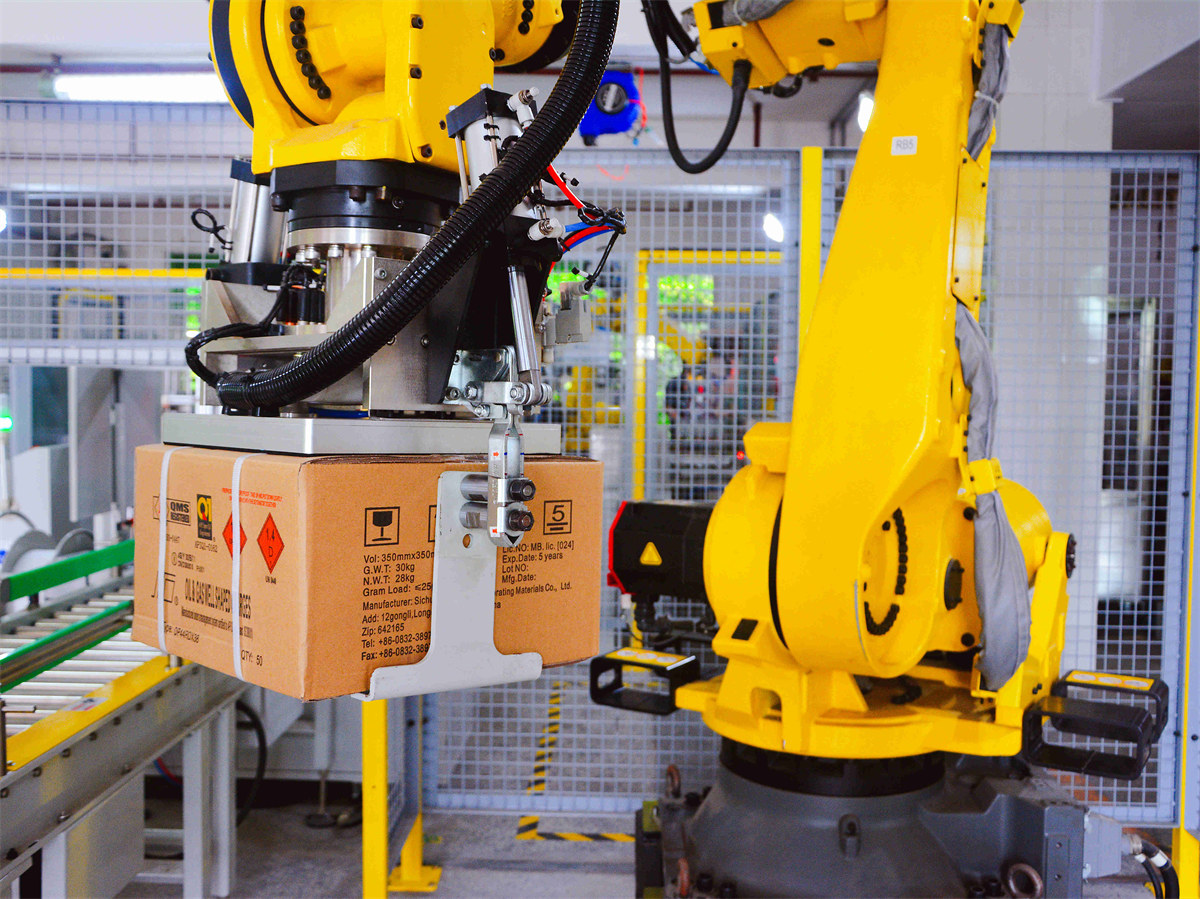
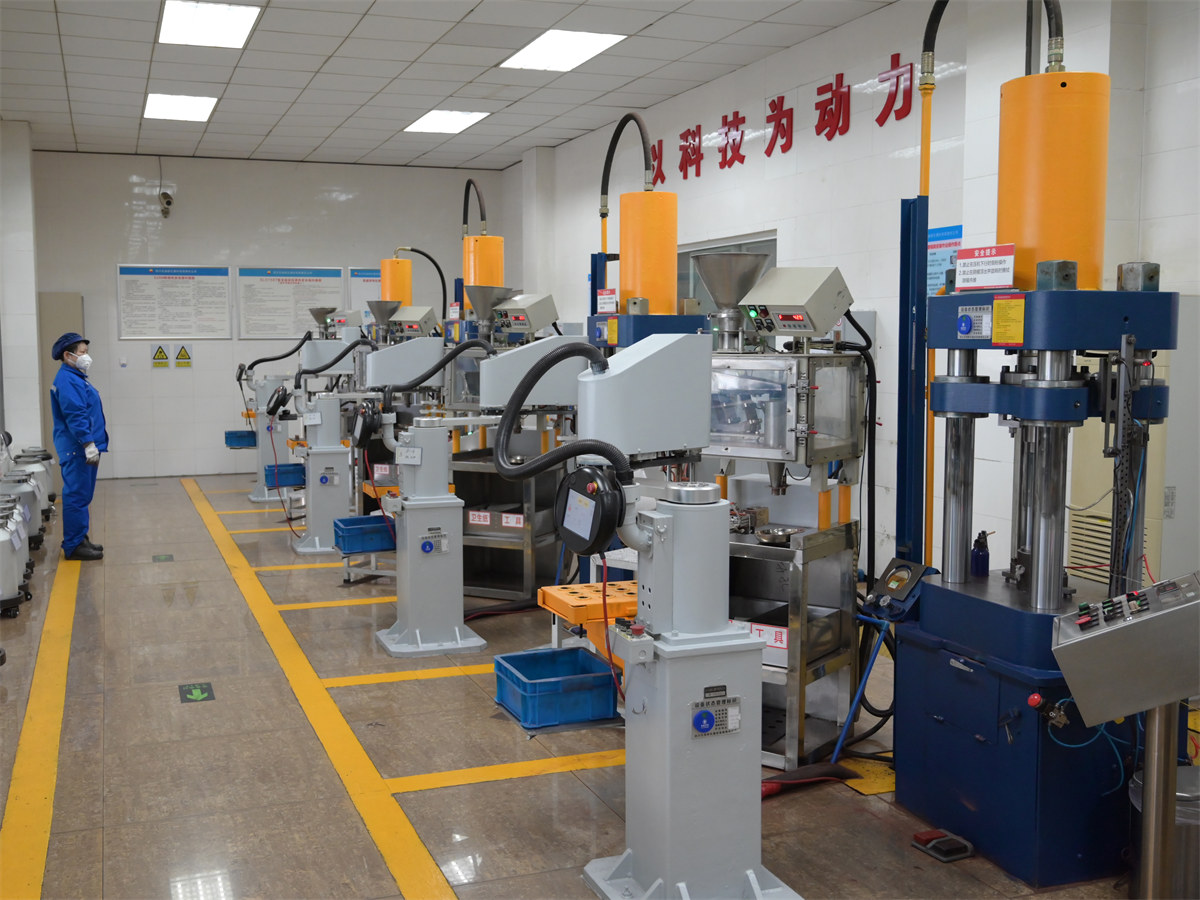
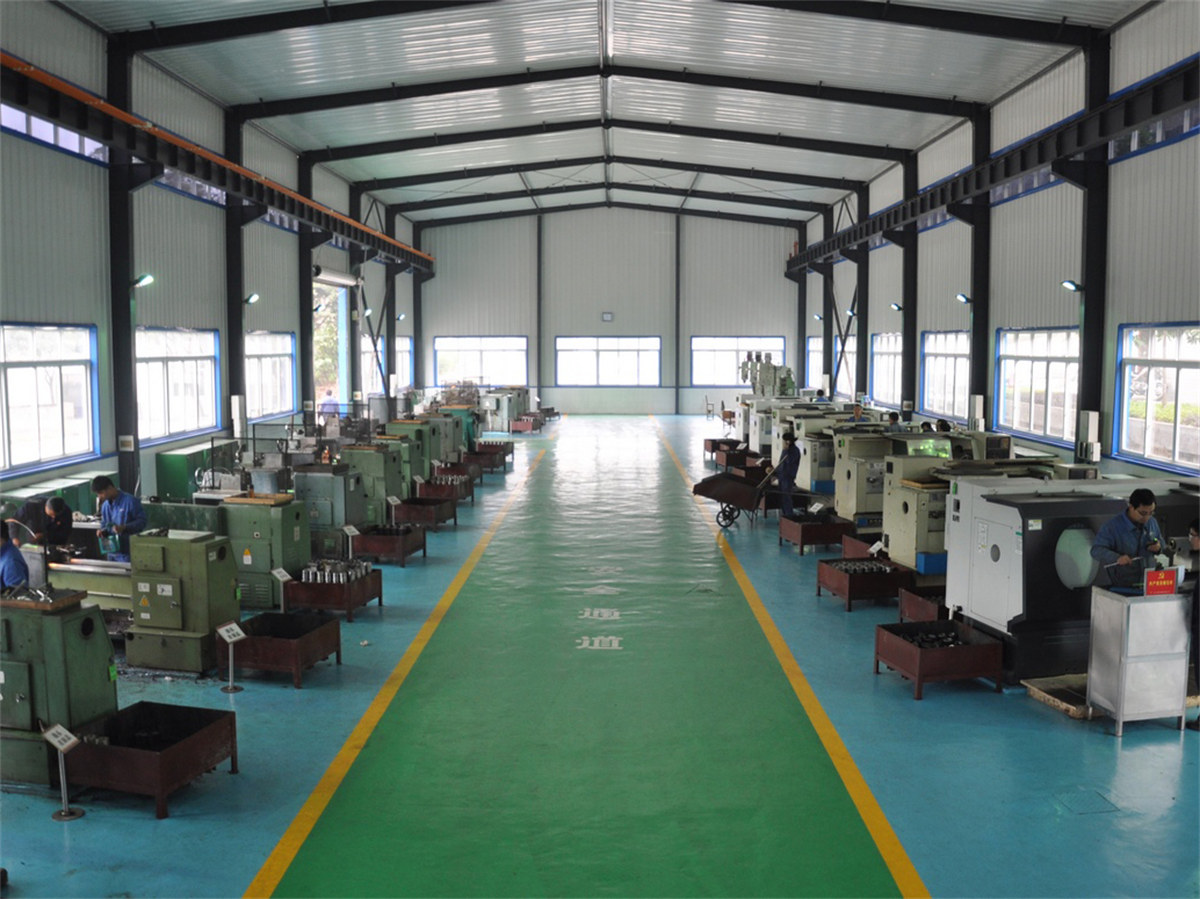
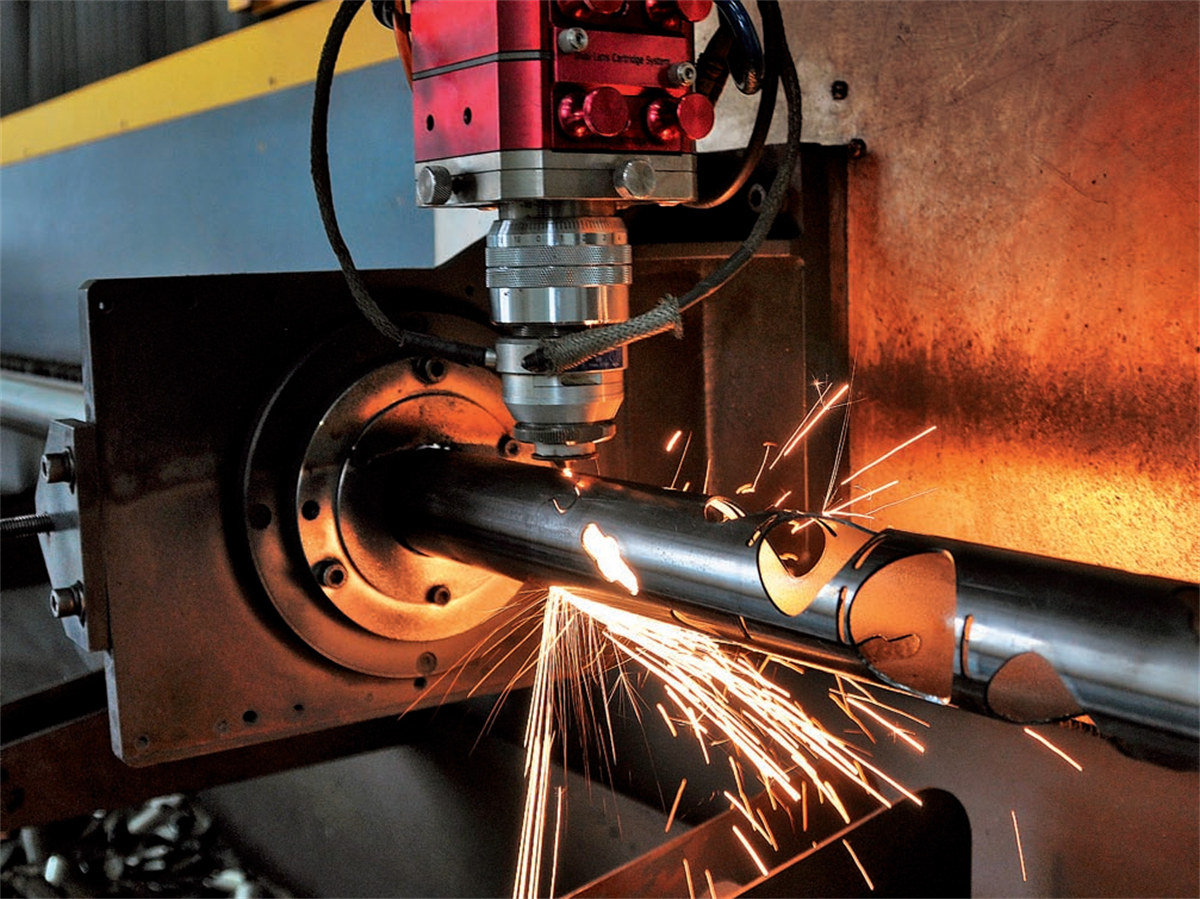
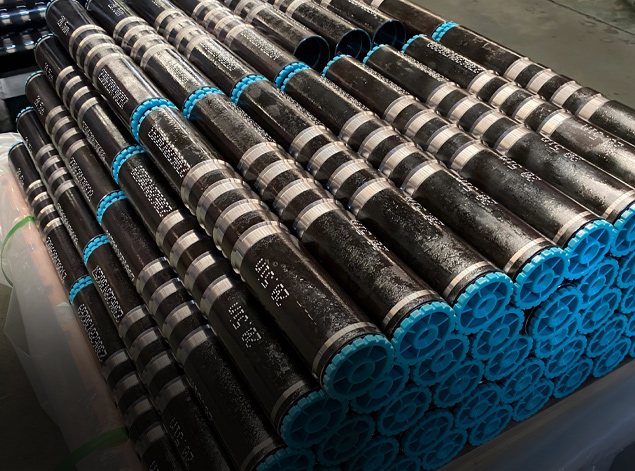
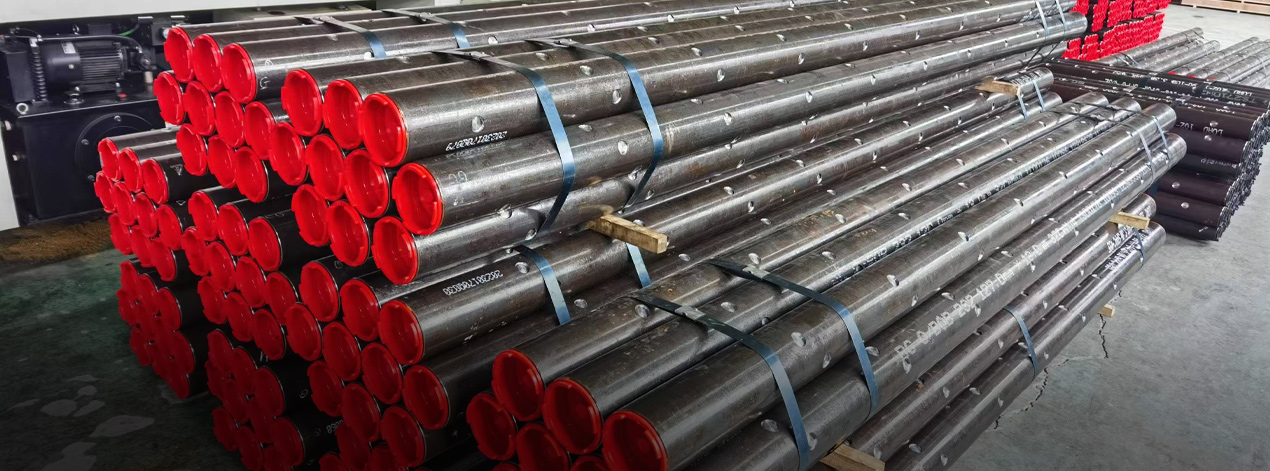
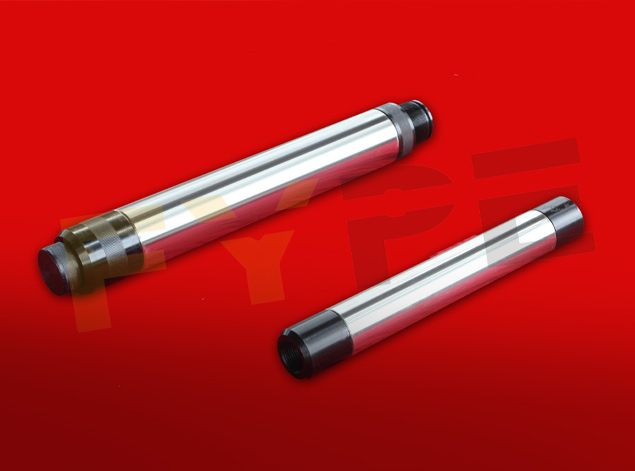
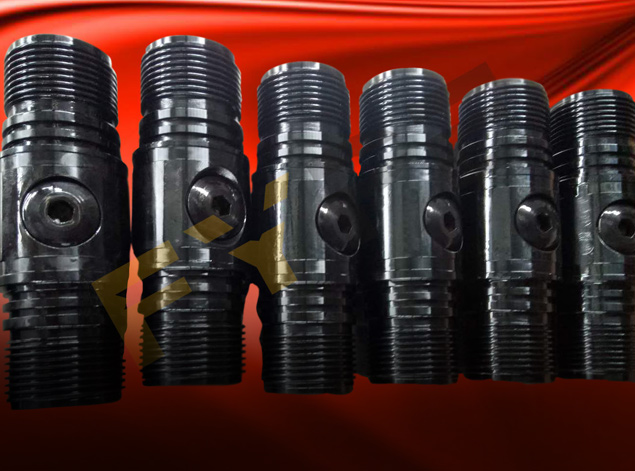
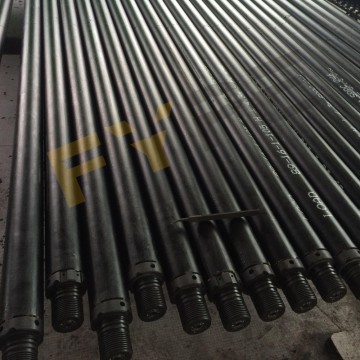
The manufacturing of a Perforator Gun For Formation Pressure Testing requires a deep understanding of ballistics and material science. At Expetro Energy (FYPE), we focus on the synergy between the gun body and the shaped charge. A common challenge in pressure testing is "gun swell"—where the gun body expands excessively upon detonation, making retrieval difficult or impossible. Our engineering team utilizes high-tensile alloy steels and precision machining to ensure that guns maintain their structural integrity even under extreme internal explosive pressures.
Moreover, the "phasing" of the perforations (the angle between shots) is optimized for pressure testing. 60-degree or 120-degree phasing is often preferred to ensure that the pressure transient is captured from all sides of the wellbore, providing a more average and accurate reservoir pressure reading. We also offer Big Hole (BH) charges specifically designed for testing scenarios where maximum flow area is required to minimize turbulence during high-rate flow tests.
Sustainability is also becoming a key commercial driver. The industry is moving toward "zinc-free" charges and recyclable gun bodies to reduce the environmental footprint of testing operations. FYPE is at the forefront of this movement, ensuring that our products not only perform under pressure but also meet the rigorous environmental standards of the 21st century.
At FYPE, we believe every well deserves precision, reliability, and excellence. Whether you require high-performance perforating tools or dependable technical support, we are your trusted partner in the oil and gas industry.
Inquiry Now