
 +86-15829394411
Leave Your Message
-
Contact WhatsApp
-
 Contact Phone
-
 Contact Email
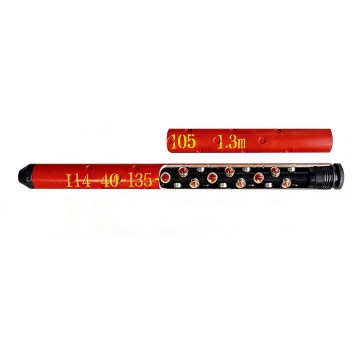
Engineered for enhanced well performance, maximizing flow area and bypass zone damage.
Optimized charge configurations designed to break through complex matrix barriers.
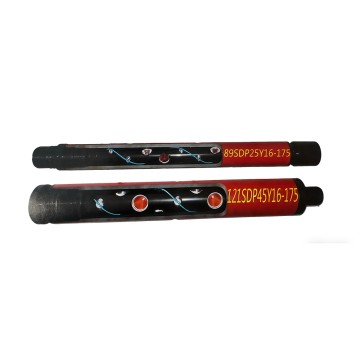
Designed to withstand extreme downhole environments, delivering reliable ignition.
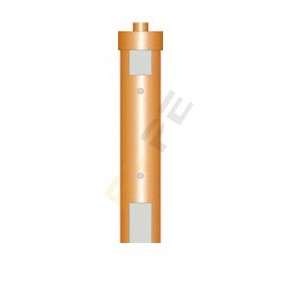
Essential downhole completion solutions ensuring precise initiation sequences.
In modern hydrocarbon exploration and production, establishing a clean, efficient, and unobstructed pathway between the geological reservoir and the wellbore is the ultimate goal of the completion phase. This crucial step is known as establishing wellbore communication. Among the various methods available to petroleum engineers, Tubing-Conveyed Perforating (TCP) stands out as the most robust, versatile, and effective technique for demanding downhole environments.
A TCP perforating gun is lowered into the wellbore on a work string, production tubing, or coiled tubing. This configuration allows operators to deploy longer gun strings, utilize larger charge diameters, and run perforating assemblies in highly deviated or horizontal wells where gravity-dependent wireline tools cannot reach. By enabling precise depth control and supporting underbalanced well conditions, TCP systems dramatically reduce skin damage and maximize initial flow rates, forming a critical foundation for the entire lifecycle of the well.
"Establishing optimal wellbore communication is not just about punching holes in casing; it is about managing downhole dynamics, minimizing formation damage, and ensuring safe, predictable flow pathways from the reservoir to the surface."
The global oil and gas industry is witnessing a significant shift toward unconventional reservoirs, deepwater exploration, and highly complex geological structures. The commercial demand for advanced TCP perforating systems has surged as operators strive to improve recovery factors while driving down operational expenditures (OPEX). In deepwater developments, where rig rates can exceed hundreds of thousands of dollars per day, the reliability of perforating systems is paramount. A single misrun can result in millions of dollars in non-productive time (NPT).
Consequently, the market has transitioned from standard wireline-deployed systems to high-performance TCP configurations. Industrial manufacturers are now focusing on modular gun designs, high-yield steel alloys, and advanced explosive chemistry. These innovations ensure that the gun body remains intact post-detonation, preventing wellbore debris issues and allowing for the safe retrieval of the gun string. The commercial landscape is highly competitive, with leading suppliers offering integrated solutions that combine shaped charges, gun carriers, firing heads, and localization subs into single, high-reliability packages.
Modern reservoirs often present temperatures exceeding 200°C and pressures above 15,000 psi. TCP guns must utilize specialized explosive compounds (such as HNS or PYX) and heavy-walled carriers to maintain structural integrity until the moment of firing.
In fractured reservoirs or highly stressed formations, perforating in the direction of maximum principal stress is vital. Oriented TCP systems rotate the gun string downhole to align the charges precisely, optimizing fracture propagation during subsequent stimulation.
By keeping the wellbore pressure lower than the reservoir pressure at the time of detonation, the immediate influx of reservoir fluids flushes out perforation debris and charge liners, leaving clean, undamaged tunnels for fluid flow.
TCP systems allow for the deployment of gun strings spanning hundreds or even thousands of meters in a single run. This is a game-changer for thick pay zones and multi-stage completion designs, drastically reducing deployment times.
In horizontal wells, gravity-fed wireline systems are ineffective once the well deviation exceeds approximately 60 degrees. TCP guns, run on drill pipe or coiled tubing, provide the mechanical push necessary to navigate long lateral sections. This capability is essential for shale plays and tight-gas reservoirs where lateral sections can extend for miles. The mechanical strength of the TCP string allows operators to push past doglegs and tight spots in the wellbore, ensuring the perforating charges reach the target zone safely.
Deep gas reservoirs and offshore wells present hostile downhole environments. Standard perforating tools degrade rapidly under high thermal stress, leading to potential misfires or premature detonations. Premium TCP systems utilize high-temperature explosives and heavy-duty steel carriers that protect the internal explosive train. Combined with time-delay boosters and mechanical or hydraulic firing heads, TCP systems provide a safe window for operators to position the guns, correlate depth, and initiate the firing sequence without risking thermal degradation.
For wells requiring hydraulic fracturing, establishing the initial wellbore communication is the critical first step. The perforations act as the entry points for high-pressure fracturing fluids. If the perforations are poorly aligned, shallow, or unevenly distributed, it can lead to high injection pressures, premature screen-outs, and poor fracture geometry. High-density deep penetration TCP guns create uniform, clean entry holes that facilitate smooth fluid injection and optimal fracture propagation throughout the reservoir matrix.
The future of TCP technology is deeply intertwined with digitalization, automation, and environmental sustainability. One of the most promising trends is the development of "smart" perforating systems that incorporate downhole sensors to record real-time pressure, temperature, and shock waves during detonation. This data provides invaluable feedback, allowing engineers to verify successful detonation, evaluate dynamic underbalance, and assess the immediate response of the reservoir.
Additionally, material science is playing a major role in the evolution of gun systems. The industry is exploring the use of degradable or dissolvable materials for certain downhole components, reducing the need to retrieve spent gun bodies and minimizing the carbon footprint of completion operations. Furthermore, automated manufacturing processes, such as those utilized by FYPE, ensure absolute consistency in charge alignment and gun wall thickness, minimizing human error and maximizing reliability in the field.
Expetro Energy Service Co., Ltd. (FYPE) is a leading manufacturer of downhole perforating systems in China, dedicated to the research, development, and production of shaped charges, perforating guns, and associated accessories for oil and gas completions.
Equipped with state-of-the-art automated production and inspection lines, we deliver over 2.5 million shaped charges and 500,000 meters of perforating guns annually — meeting diverse customer requirements across the global market.
Every stage of our production process strictly adheres to the API Q1 Quality Management System. This unwavering commitment to quality, innovation, and customer satisfaction has established FYPE as a trusted partner in the global energy sector.
To date, our products have served customers in 38 countries worldwide and consistently earn positive feedback for performance and reliability. FYPE is dedicated to expanding its global footprint and building long-term partnerships with clients across continents.

Our professional inspection team operates under a quality management system certified to API Q1 and ISO 9001 standards, ensuring product reliability and superior performance in every delivery.
Our automated production lines ensure products consistency and enhance productivity. The daily capacity of shaped charges can reach 10,000. The perforating gun production line can meet the processing of 100+ types with different specifications.
Our lab can carry out the real-core target tests in simulated reservoirs, the ultimate pressure resistance tests on perforation tools, the explosion mechanism tests on shaped charges, etc.
With nearly 20 years of export experience across 38 countries, we deeply understand global market demands and deliver trusted, tailored solutions.
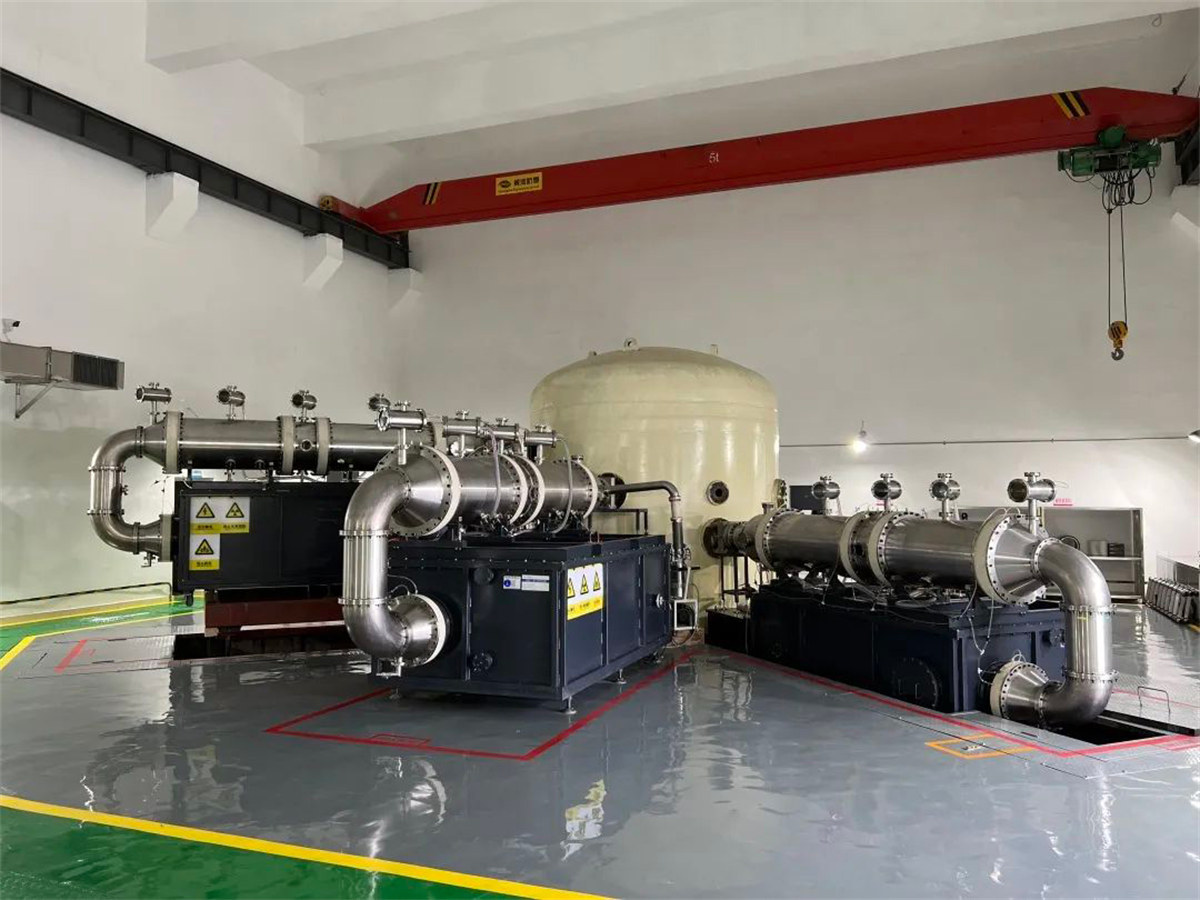
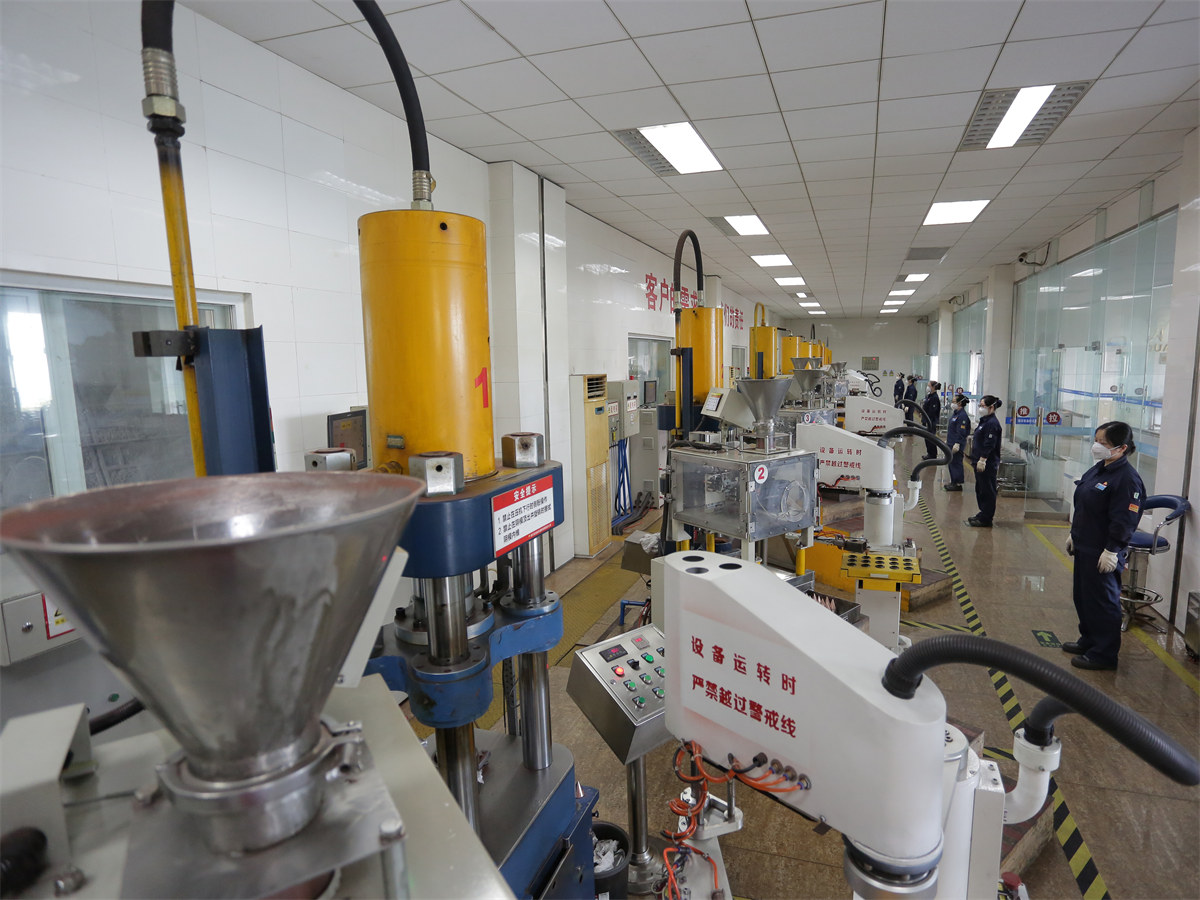








To date, our products have served customers in 38 countries worldwide and consistently earn positive feedback for performance and reliability.
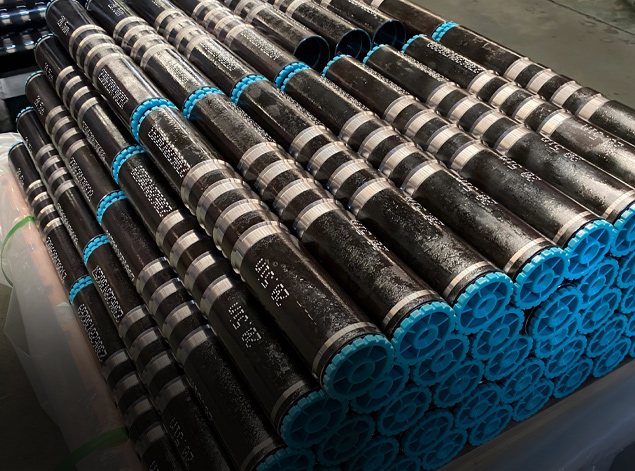
Instead of scallops, it can shoot regardless of the charge tube's angular position.
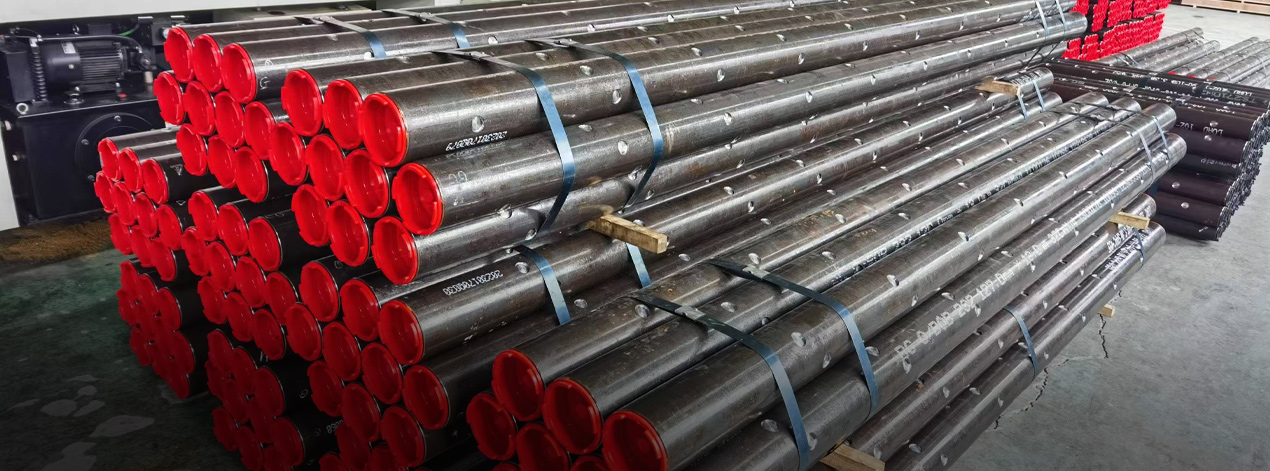
Provides deep penetration and high shot density.
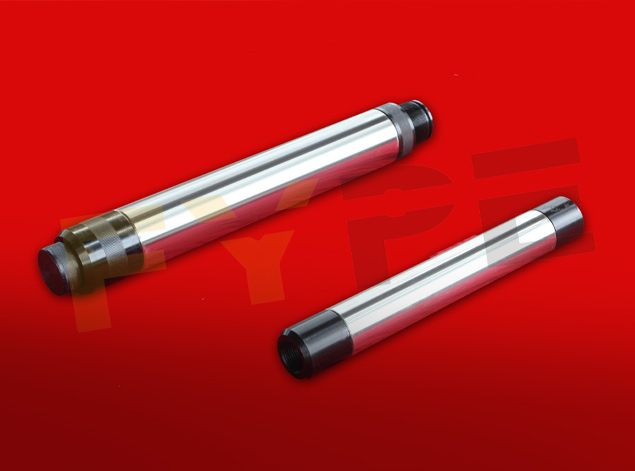
Detects casing collars for depth correlation in wells.
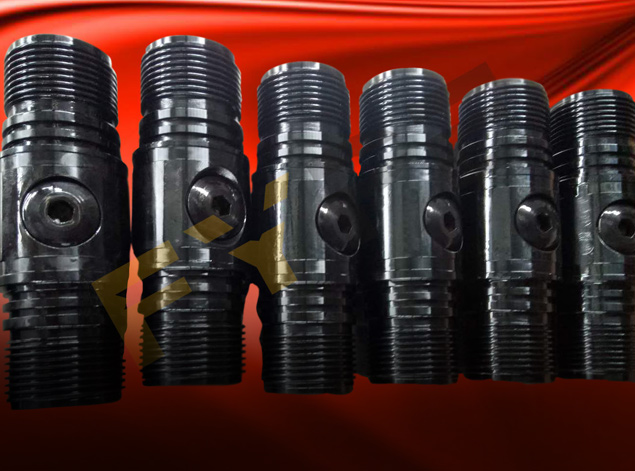
Connecting components used in perforating systems.
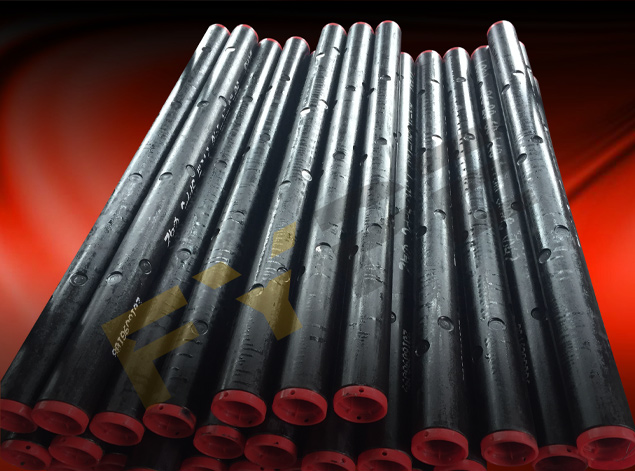
Designed for compact spaces and limited depth perforation.
At FYPE, we believe every well deserves precision, reliability, and excellence. Whether you require high-performance perforating tools or dependable technical support, we are your trusted partner in the oil and gas industry.
Inquiry Now
Designed for optimal wellbore communication and enhanced well performance.
Optimized charge configurations designed to break through complex matrix barriers.
Designed to withstand extreme downhole environments, delivering reliable ignition.
Essential downhole completion solutions ensuring precise initiation sequences.
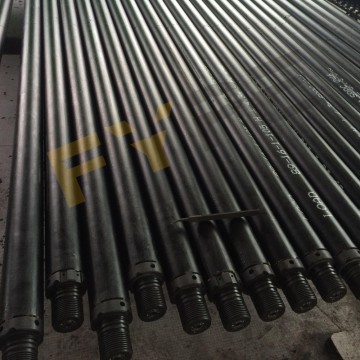
Enables complete internal access for subsequent interventions and flow optimization.
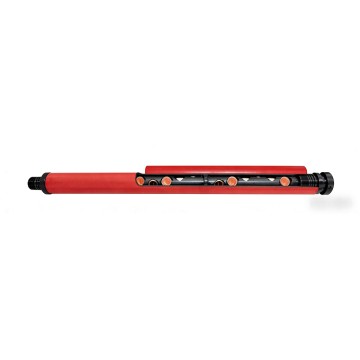
Engineered for precise alignment in horizontal and highly deviated wells.
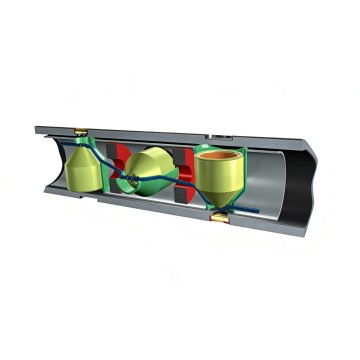
Top supplier solutions designed for stimulation optimization and enhanced oil production.
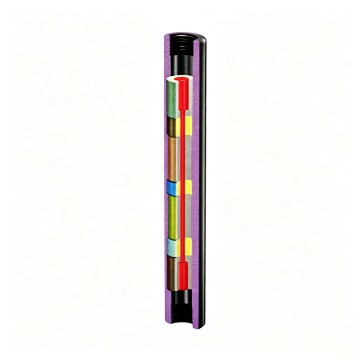
Ensures consistent standoff distances for uniform casing penetration and flow area.