What Are the 2026 Top Downhole Perforating Tools?
So, when we talk about downhole perforating tools in 2026, the real question isn't just about the hardware—it's something more practical: how do you actually get reliable flow paths when reservoir conditions keep shifting? Honestly, picking the right tool these days goes way beyond just looking at charge performance. You've got to think about all sorts of stuff—like how deviated the well is, the pressure and temperature you're dealing with, casing strength, your completion design, and even environmental limits. It's a whole balancing act.
So, the International Energy Agency just put out their Oil 2024 report, and here's the gist: global oil demand is going to slow down quite a bit before 2030. But that doesn't mean we can just kick back—existing wells still need to be completed or re-completed efficiently, you know? That's where accurate perforating systems come in, especially when you're dealing with mature fields or those tricky horizontal wells. And if you look at the Baker Hughes rig count, it really shows how drilling activity swings from region to region. It's a pretty clear reminder for operators that you can't just use a one-size-fits-all tool; your perforating gear has to match the local well conditions, or you're asking for trouble.
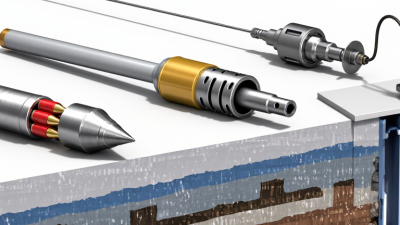
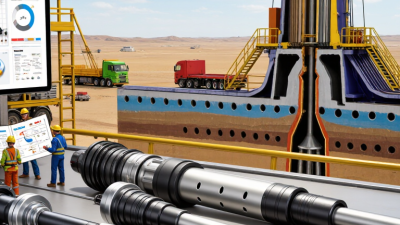
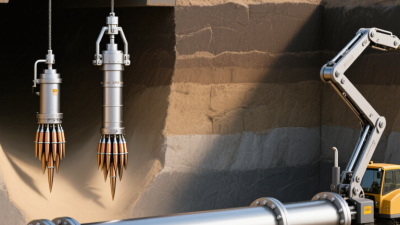
Looking ahead to 2026, a few tool groups are really worth keeping an eye on. Wireline-conveyed perforating systems? They're pretty straightforward—fast and familiar, so crews tend to like them. Then you've got tubing-conveyed systems, which are your go-to when things get tough—high pressure, highly deviated wells, no problem. And if you're dealing with extended-reach laterals, tractor-conveyed systems come to the rescue when conventional access just won't cut it. Plus, there are advanced shaped charges and selective, oriented systems that might help you place tunnels more precisely and cut down on unwanted reservoir communication. Yeah, the little things can make a big difference—sometimes it's the small tweaks that pay off the most.
You know, SPE papers keep hammering on about how shot density, phasing, underbalance, and completion geometry really do matter for actual production. But here's the thing—what works in the lab doesn't always play out in the field. That disconnect? It deserves a lot more honest conversation than it gets. I mean, you can have a tool that looks perfect on paper, but throw in some debris, scale, poor centralization, or unexpected rock stress, and it might just fall flat. That's the reality we need to face.
So, when we're looking at downhole perforating options, this guide isn't about picking a winner. It's more about comparing them based on what actually works in the field, the engineering behind each one, their operating limits, and how reliable the service really is. Honestly, there's no one-size-fits-all here. The right choice depends on the specific well program and the rules you've got to follow—and that choice should be backed up by evidence, not just gut feeling.
Read more »