 +86-15829394411
Leave Your Message
-
Contact WhatsApp
-
 Contact Phone
-
 Contact Email
Our purpose-built perforating gun systems for sand control management combine directional precision, high shot density, and robust structural integrity to maximize formation flow while minimizing sand ingress.
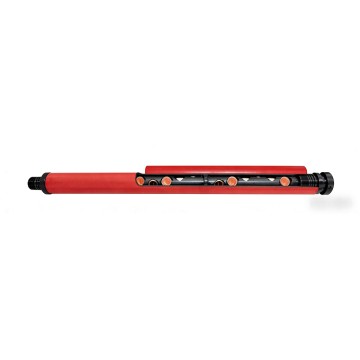
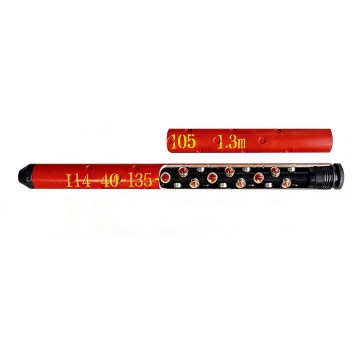
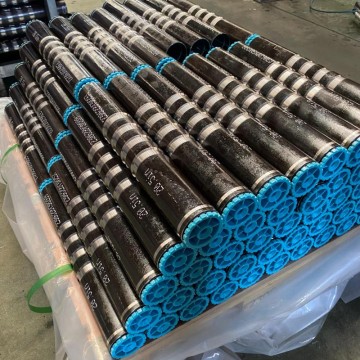
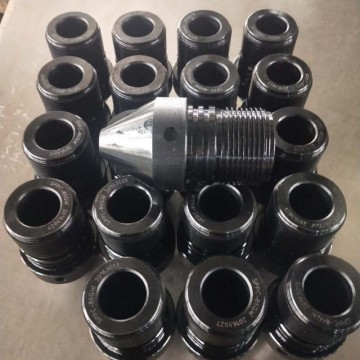
In the oil and gas industry, tubing perforating for sand control management refers to a specialized well completion strategy that integrates perforation design with sand exclusion technologies to ensure stable, long-term production from unconsolidated or weakly consolidated formations. Unlike conventional perforating, which focuses solely on creating flow channels between the reservoir and the wellbore, sand control perforating must simultaneously optimize perforation geometry, phasing, shot density, and tunnel cleanliness to support downstream sand control completions such as gravel packing, frac packing, and standalone screens.
Sand production is one of the most significant operational challenges in global oil and gas production. Produced sand causes erosion of downhole and surface equipment, plugging of perforations and screens, wellbore instability, and in severe cases, complete loss of well productivity. Effective sand control management through precision tubing perforating has therefore become a cornerstone of modern completion engineering.
Industry data indicates that over 70% of global oil and gas reservoirs are located in formations susceptible to sand production — making tubing perforating for sand control management one of the most commercially critical technologies in the upstream sector today.
The global sand control market has experienced consistent growth over the past decade, driven by the increasing exploitation of deepwater, ultra-deepwater, and unconventional reservoirs where formation consolidation is poor. According to market research, the global sand control market was valued at approximately USD 1.8 billion in 2023 and is projected to reach over USD 2.7 billion by 2030, growing at a CAGR of around 6.1%.
Key growth drivers include the expansion of deepwater production in West Africa, the Gulf of Mexico, and Southeast Asia; the development of tight and unconventional reservoirs in North America and the Middle East; and the increasing maturity of existing fields that require workover and recompletion with enhanced sand control strategies. In this environment, the role of tubing perforating systems has evolved from a simple wellbore access tool to a highly engineered, application-specific technology that directly determines the success or failure of the entire sand control completion.
China, as a leading manufacturer of downhole perforating equipment, has emerged as a major supplier to international markets. Chinese manufacturers such as Expetro Energy Service Co., Ltd. (FYPE) now deliver API-certified perforating systems to operators in 38 countries, offering competitive pricing without compromising on technical performance or quality compliance — a combination that has fundamentally reshaped global supply chain dynamics in the oilfield services sector.
The design of the perforation program is the single most influential factor in determining the performance of any sand control completion. Key parameters include:
Technological advancement and shifting reservoir profiles are reshaping how operators approach tubing perforating for sand control. Key trends defining the next decade include:
Machine learning algorithms are being deployed to analyze reservoir geomechanical data and automatically generate perforation programs that minimize sand onset pressure while maximizing productivity index. Integration with digital twin wellbore models enables real-time optimization during perforating operations.
Gravity-oriented and magnetically-guided perforating tools enable precise perforation placement in horizontal wells, aligning shots with the optimal azimuth for gravel packing and screen installation. This dramatically improves sand control efficiency in complex well trajectories.
As deepwater and high-pressure/high-temperature (HPHT) fields become increasingly important production targets, perforating systems must withstand extreme downhole conditions while maintaining precise sand control geometry. Advanced alloy materials and pressure-rated gun systems are enabling new frontier developments.
Self-cleaning perforating systems that automatically remove crushed zone debris immediately after detonation are gaining significant market adoption. Clean perforation tunnels are essential for effective gravel pack consolidation and screen performance in sand control completions.
Environmental regulations and ESG commitments are driving demand for perforating systems that minimize downhole debris, reduce the use of hazardous materials in shaped charges, and enable single-trip completion operations that lower the overall carbon footprint of well construction.
Integration of fiber optic distributed acoustic sensing (DAS) and distributed temperature sensing (DTS) with perforating operations allows real-time monitoring of perforation efficiency and sand production onset, enabling proactive intervention before costly sand-related failures occur.
Tubing perforating for sand control management is applied across a diverse range of formation types and completion architectures. Understanding the specific requirements of each scenario is essential for selecting the right perforating system.
In offshore fields such as the Gulf of Mexico, West Africa, and Southeast Asia, weakly consolidated Tertiary sands require carefully designed perforation programs to support gravel pack or frac pack completions. High shot density (8–12 SPF), large perforation diameter, and underbalanced firing conditions are standard practice to ensure clean tunnels and optimal gravel placement.
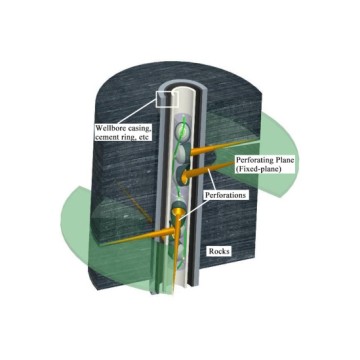
Horizontal well gravel packing presents unique challenges for perforation design. Oriented perforating systems that place all shots on the low side of the wellbore (typically 180° phasing toward the bottom) significantly improve gravel distribution along the horizontal section, reducing the risk of void formation and screen erosion from localized flow.
Frac packing combines hydraulic fracturing with gravel packing to create a highly conductive, sand-free flow path. Perforation design for frac packs must balance the need for fracture initiation (requiring specific phasing and limited entry designs) with the gravel placement requirements of the subsequent pack operation. Constant plane perforating systems are particularly effective in this application.
Many mature wells that have experienced sand production damage require workover operations that include re-perforating and re-completing with improved sand control systems. Tubing-conveyed perforating (TCP) systems allow operators to perforate and install sand control screens in a single trip, minimizing rig time and operational costs in recompletion campaigns.
HPHT reservoirs, typically defined as formations with pressures exceeding 10,000 psi and temperatures above 300°F, present extreme challenges for perforating equipment. Specialized HPHT-rated gun systems with high-temperature shaped charges, pressure-rated gun bodies, and thermally stable detonating systems are required to maintain sand control perforation geometry under these conditions.
In tight sand formations where natural permeability is insufficient for economic production, deep penetration perforating combined with hydraulic fracturing creates the necessary flow capacity. Sand control in these applications focuses on preventing proppant flowback rather than formation sand, requiring specialized perforation geometry that supports proppant retention screens and resin-coated proppant systems.

Expetro Energy Service Co., Ltd. (FYPE) is a leading manufacturer of downhole perforating systems in China, dedicated to the research, development, and production of shaped charges, perforating guns, and associated accessories for oil and gas completions. With nearly two decades of international export experience, FYPE has established itself as a globally trusted partner for operators requiring precision sand control perforating solutions.
Four core pillars underpin FYPE's position as a world-class manufacturer of tubing perforating systems for sand control management.
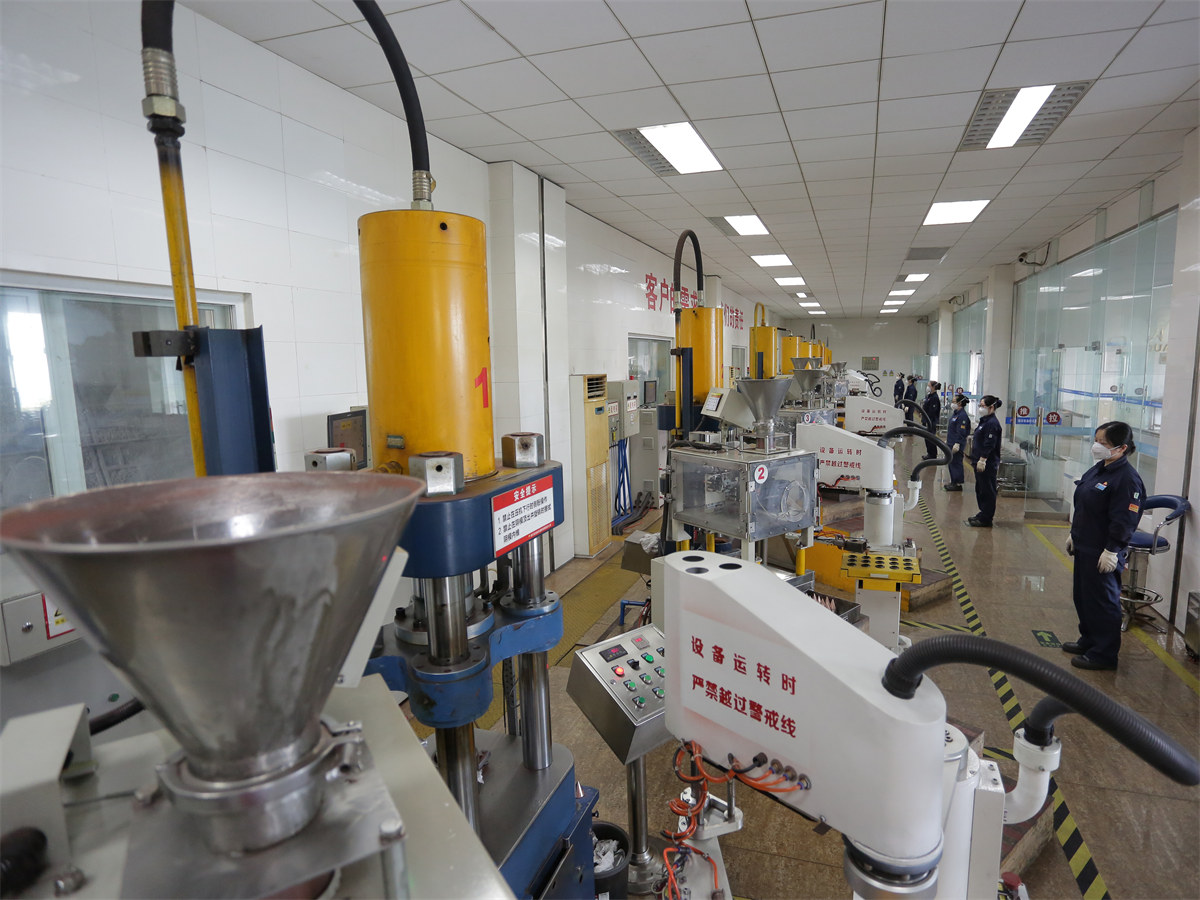
Our professional inspection team operates under a quality management system certified to API Q1 and ISO 9001 standards, ensuring product reliability and superior performance in every delivery.
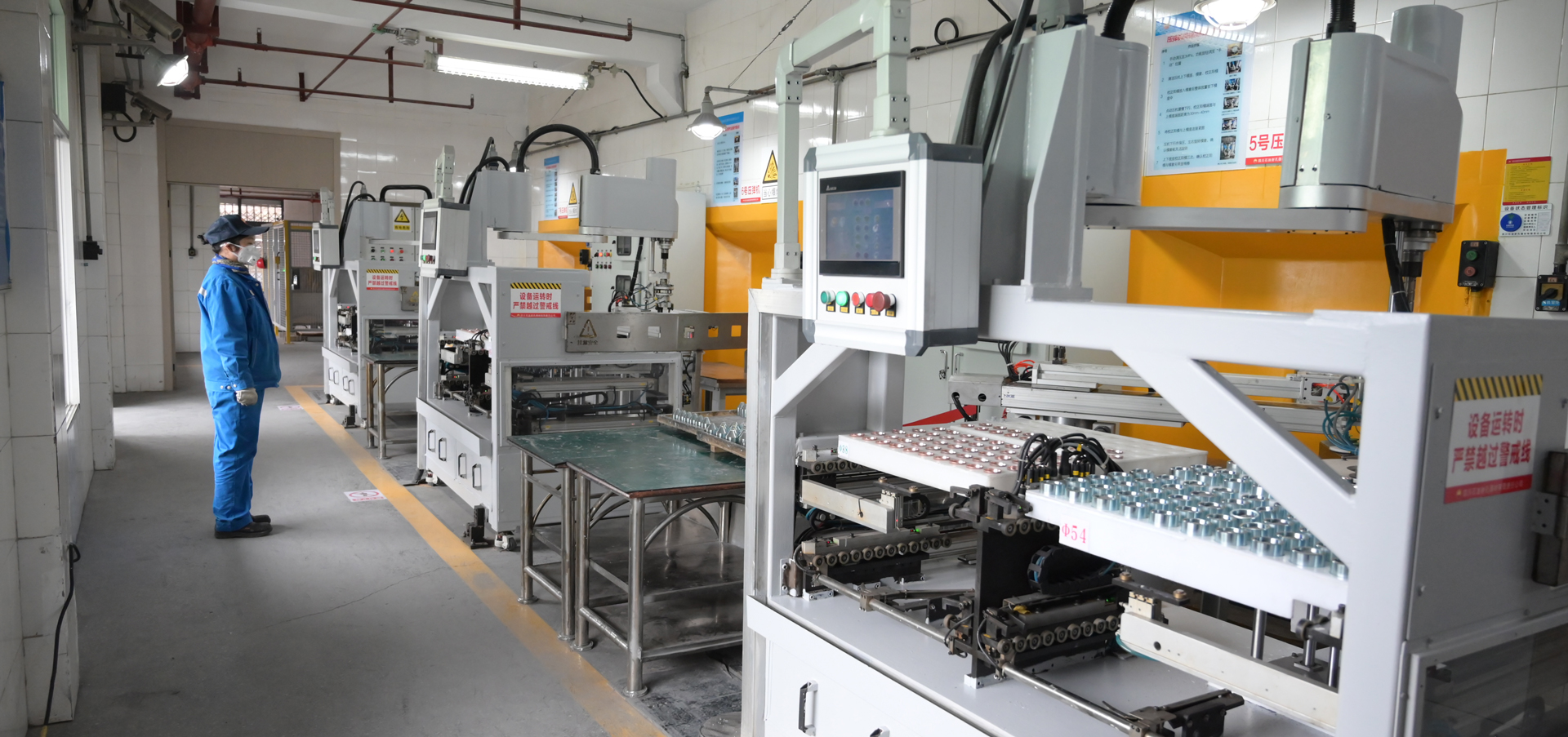
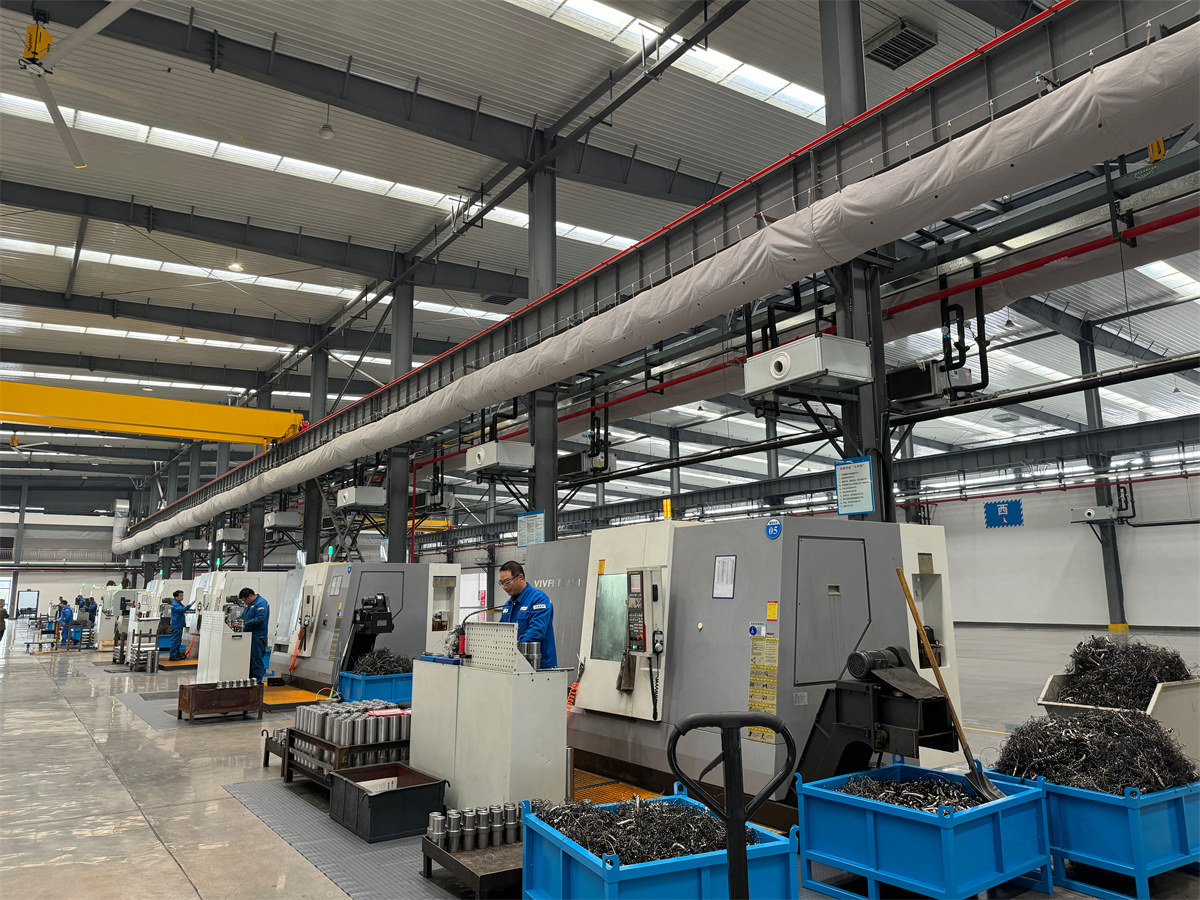
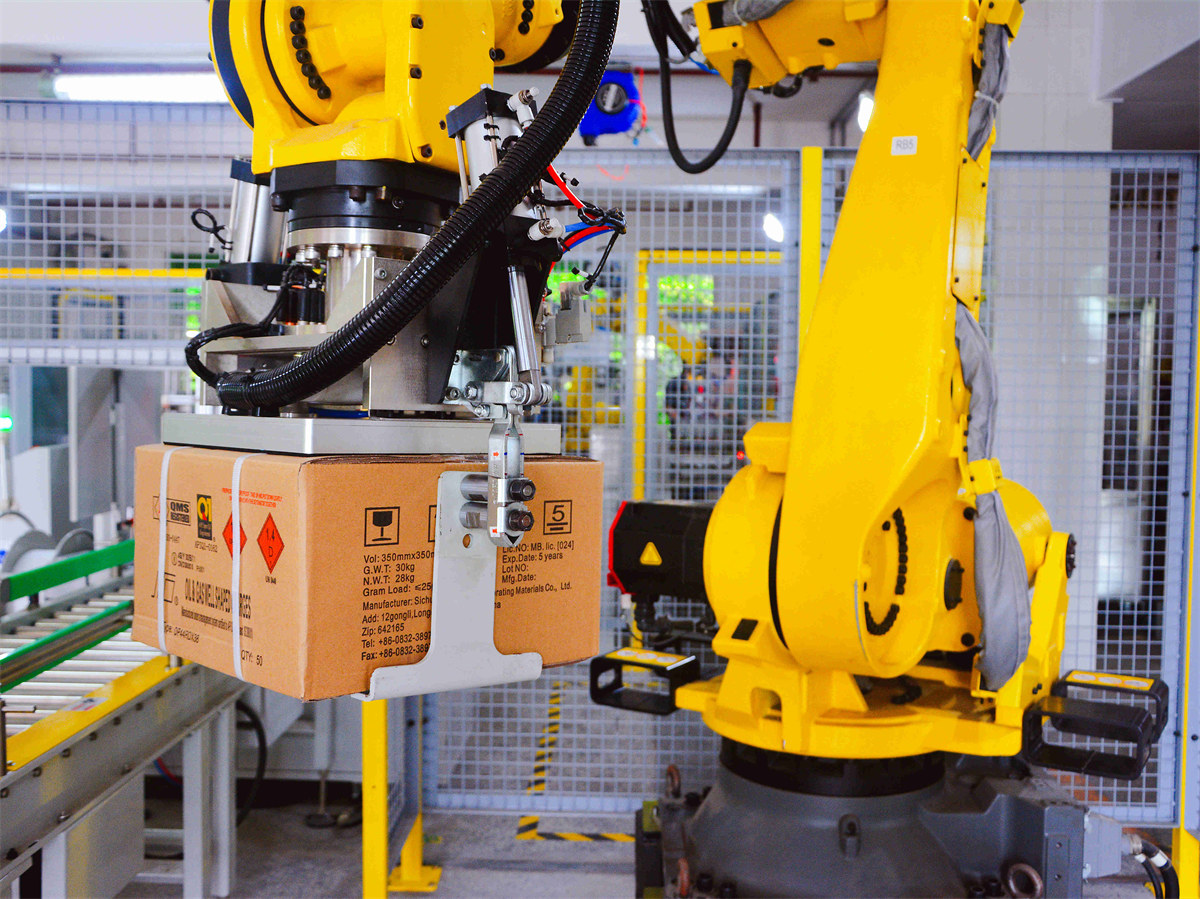
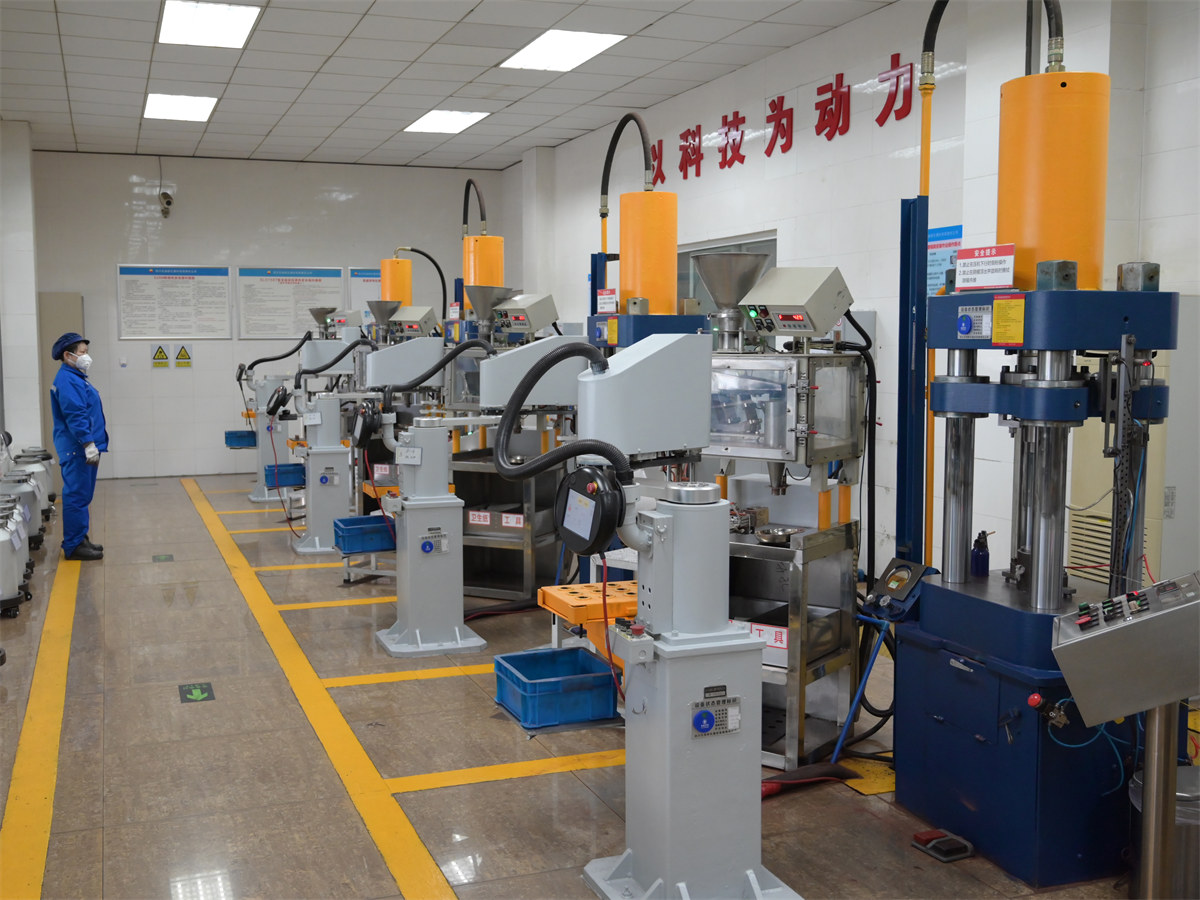
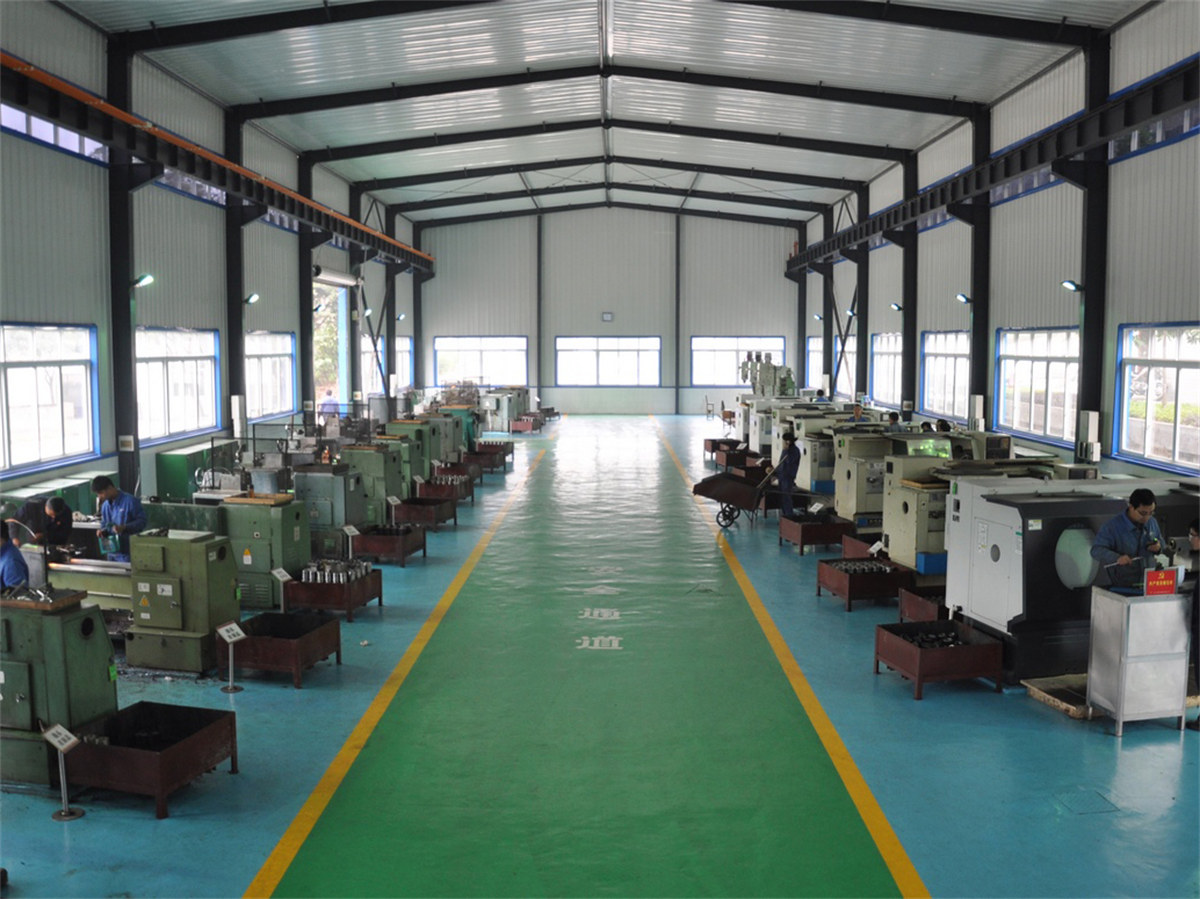
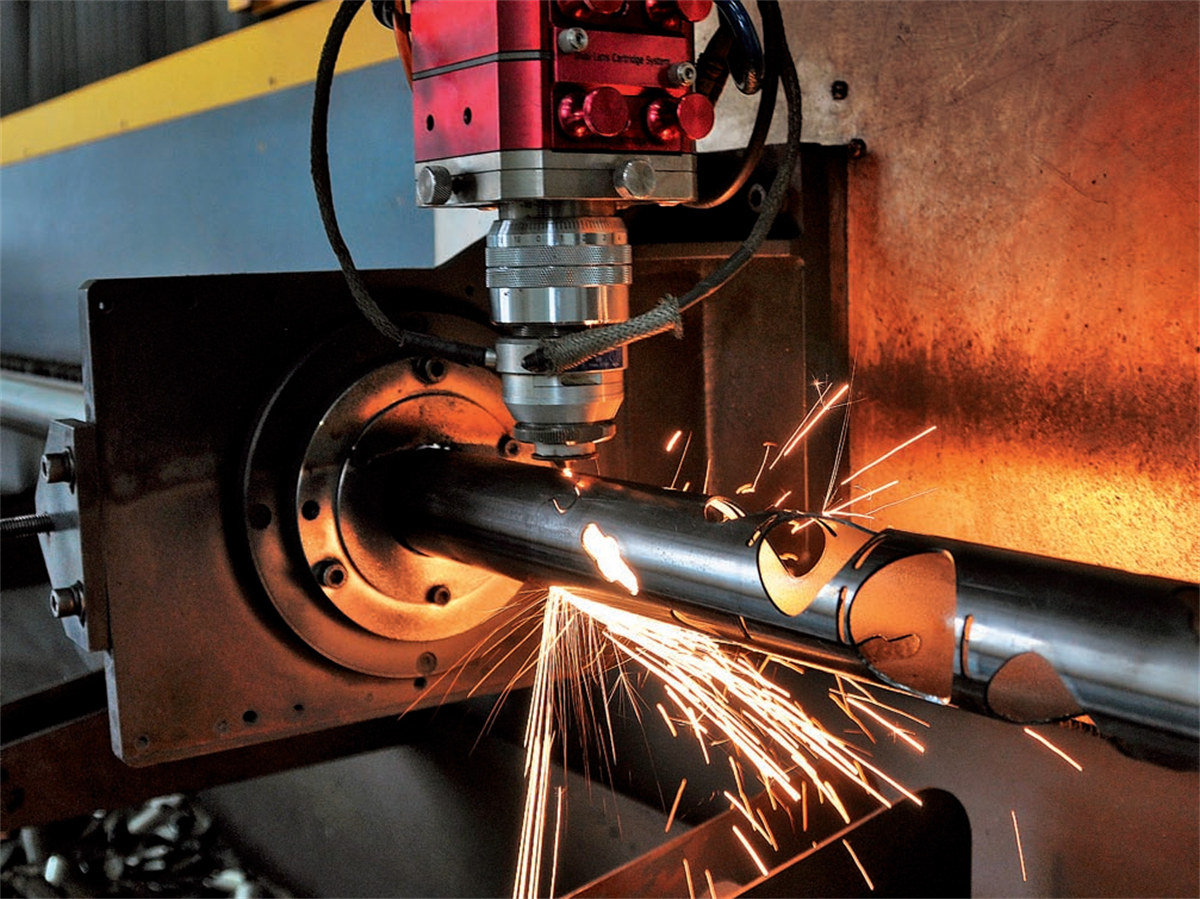
Our automated production lines ensure product consistency and enhance productivity. Daily capacity of shaped charges can reach 10,000. The perforating gun production line can meet the processing of 100+ types with different specifications.
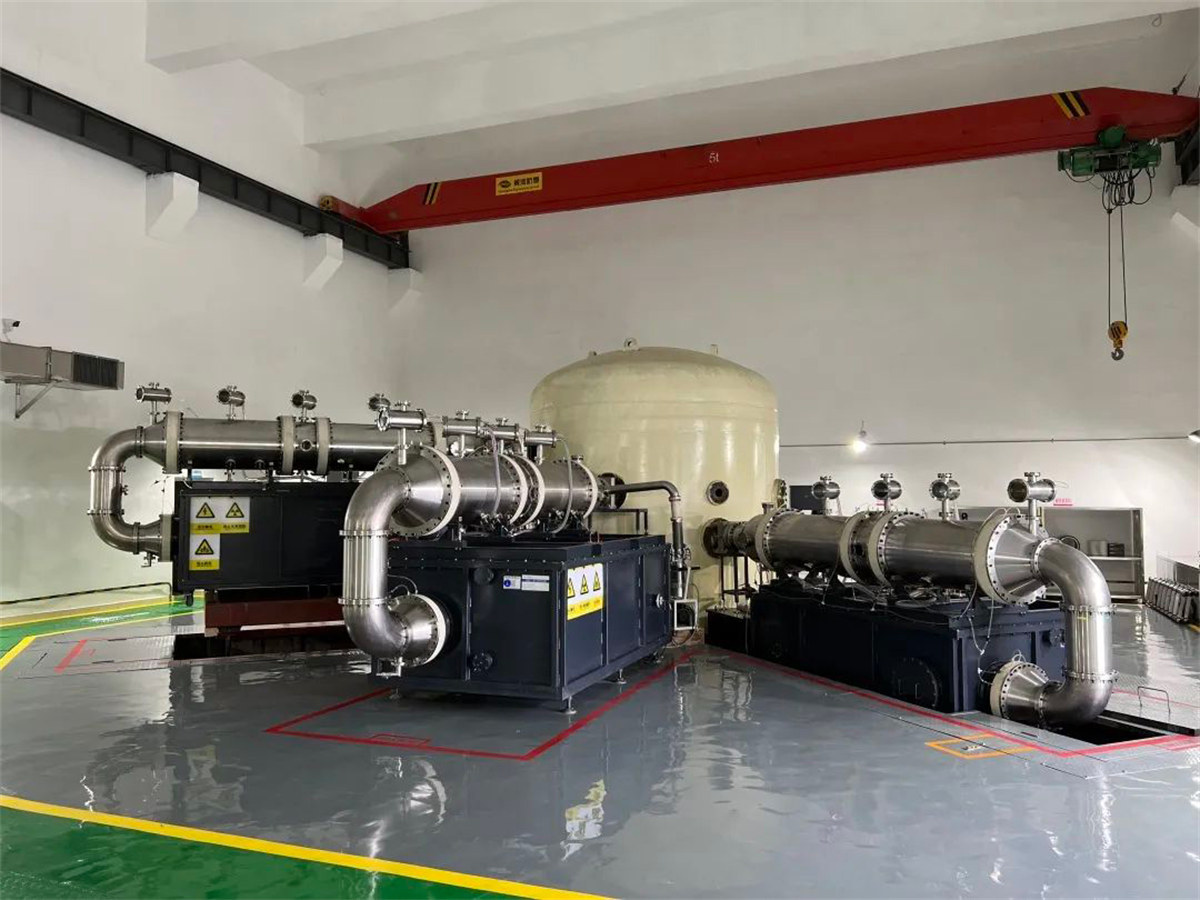
Our lab can carry out real-core target tests in simulated reservoirs, ultimate pressure resistance tests on perforation tools, and explosion mechanism tests on shaped charges, ensuring every product performs under real-world sand control conditions.
With nearly 20 years of export experience across 38 countries, we deeply understand global market demands and deliver trusted, tailored solutions for every sand control perforating challenge.
Choosing the optimal tubing perforating system for sand control management requires a thorough understanding of reservoir characteristics, completion architecture, and operational constraints. The following framework provides a systematic approach to perforating system selection:
The foundation of any sand control perforating program is a detailed characterization of the target formation. Key parameters include unconfined compressive strength (UCS), formation grain size distribution, clay content, degree of cementation, and in-situ stress orientation. These parameters determine the risk of sand production, the appropriate perforation geometry, and the most suitable sand control completion method.
The choice of sand control method — standalone screen, wire-wrapped screen, gravel pack, frac pack, or chemical consolidation — directly dictates the perforation design requirements. Each method has specific requirements for shot density, phasing, perforation diameter, and tunnel cleanliness that must be incorporated into the perforating program from the outset.
Based on the formation characterization and sand control method, the perforating engineer specifies the gun system, shaped charge type, shot density, phasing, and firing technique. For sand control applications, the following FYPE product lines offer proven performance:
Successful sand control perforating requires meticulous operational planning, including wellbore fluid selection (underbalanced vs. overbalanced conditions), firing system selection (tubing-conveyed vs. wireline), and post-perforation flow testing protocols. FYPE's technical team provides comprehensive application engineering support to ensure optimal execution of every sand control perforating program.
Pro Insight: Studies show that optimizing perforation design specifically for sand control completions can increase gravel pack efficiency by up to 40% and extend well productive life by 3–5 years compared to using generic perforation programs not tailored to sand control requirements.
The future of tubing perforating for sand control management is being shaped by the convergence of digital technologies, advanced materials science, and evolving reservoir exploitation strategies. Key developments on the horizon include:
Autonomous Perforating Systems: Next-generation perforating tools equipped with downhole sensors and micro-processors will be capable of adapting perforation parameters in real-time based on formation response, eliminating the need for surface intervention and dramatically improving sand control completion efficiency.
Nano-Enhanced Shaped Charges: Research into nano-material-enhanced explosive formulations promises to deliver shaped charges with significantly higher penetration efficiency and cleaner tunnel geometry, further improving the effectiveness of sand control completions in challenging formations.
Integrated Completion Systems: The trend toward single-trip, multi-function completion systems is accelerating. Future systems will combine perforating, sand face completion installation, and initial well testing in a single downhole run, reducing rig time and operational complexity while improving the consistency of sand control outcomes.
As the global energy industry continues its transition toward more complex, challenging, and remote production environments, the role of precision tubing perforating for sand control management will only grow in strategic importance. FYPE remains committed to investing in research, development, and manufacturing excellence to deliver the next generation of sand control perforating solutions to operators worldwide.
To date, our products have served customers in 38 countries worldwide and consistently earn positive feedback for performance and reliability.
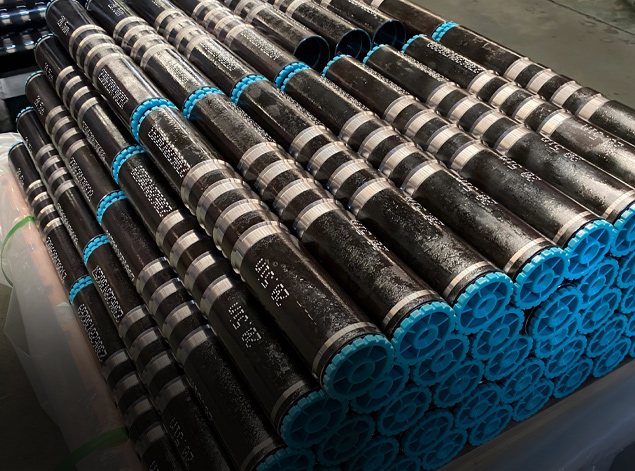
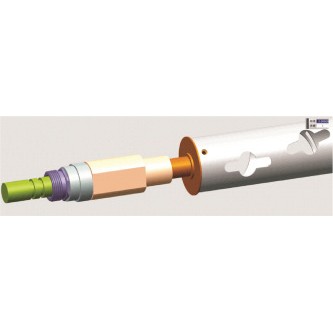
Instead of scallops, it can shoot regardless of the charge tube's angular position.
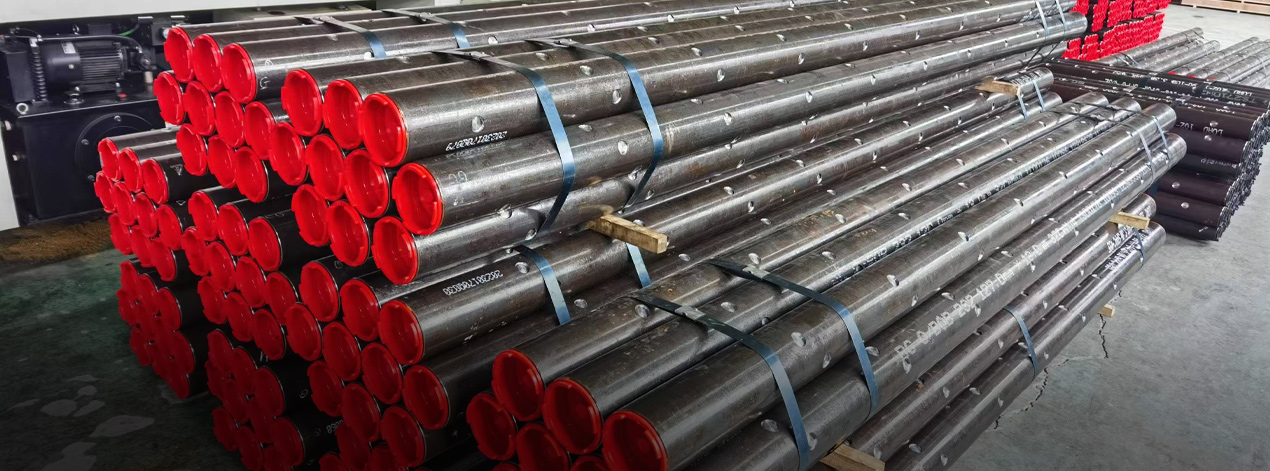
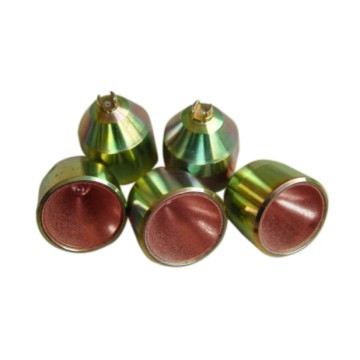
Provides deep penetration and high shot density.
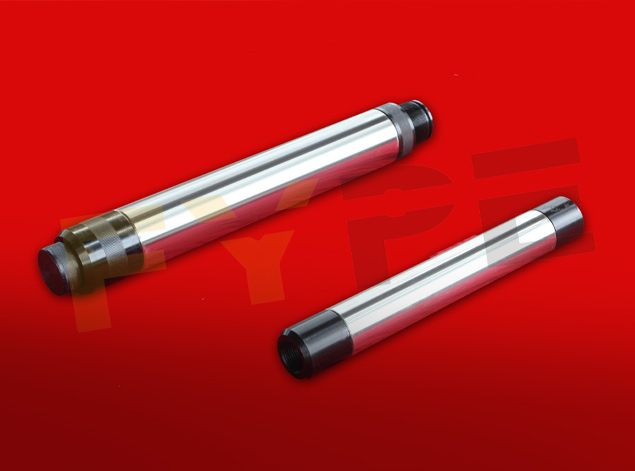
Detects casing collars for depth correlation in wells.
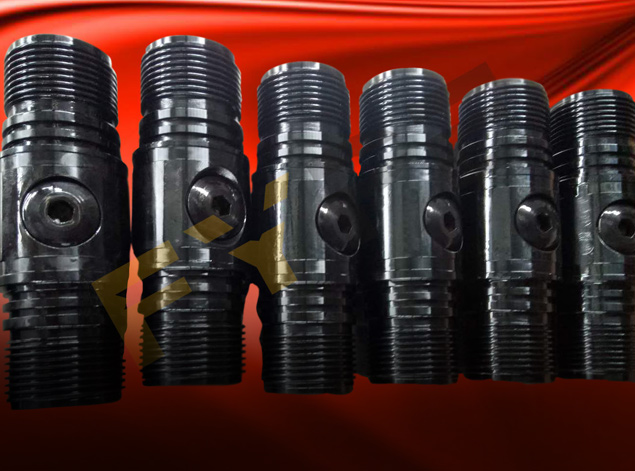
Connecting components used in perforating systems.
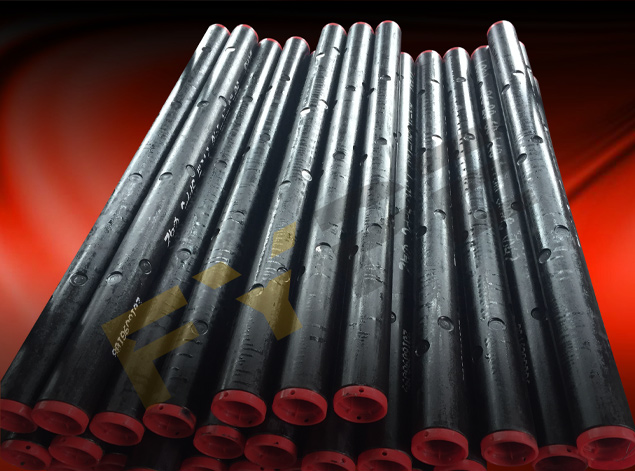
Designed for compact spaces and limited depth perforation.
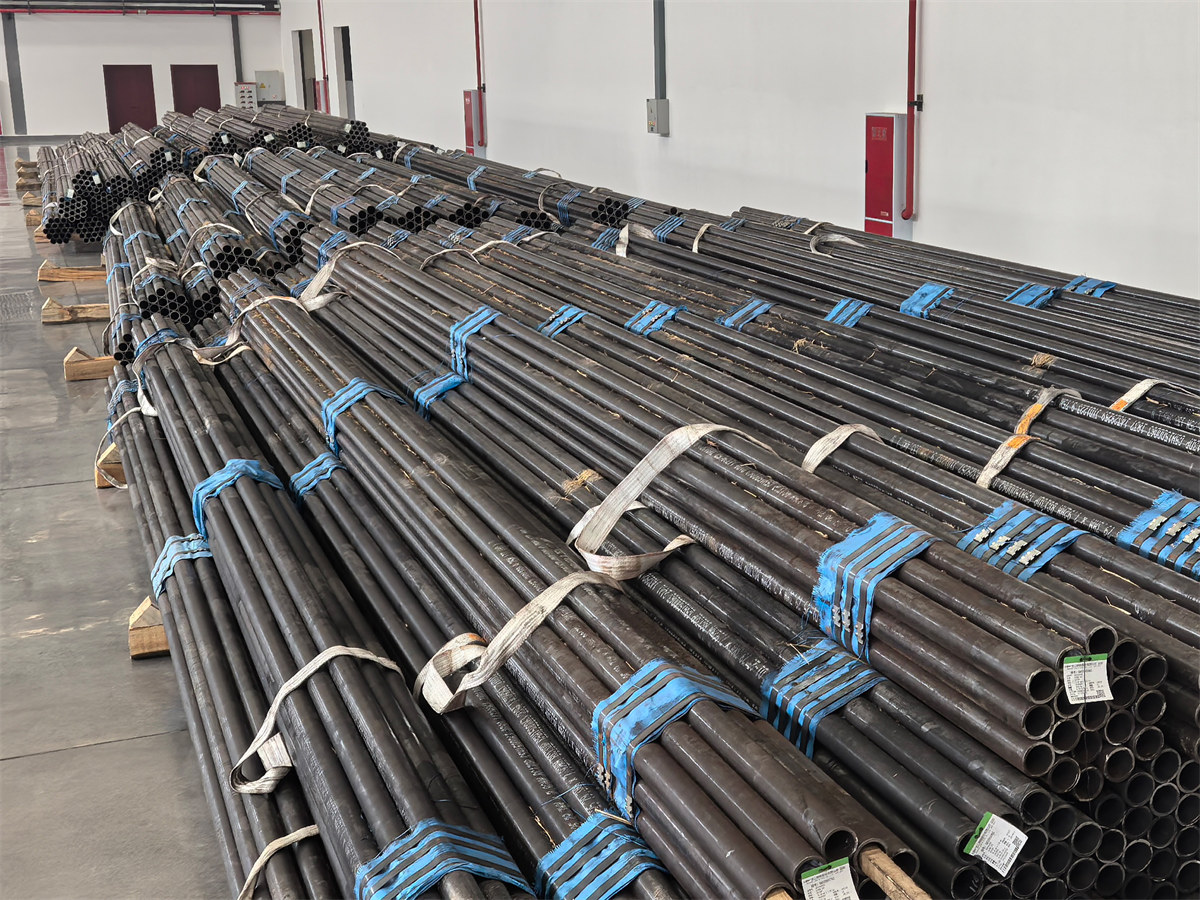
Our state-of-the-art manufacturing facility is equipped with automated production lines and advanced inspection systems to ensure every perforating product meets the highest quality standards.
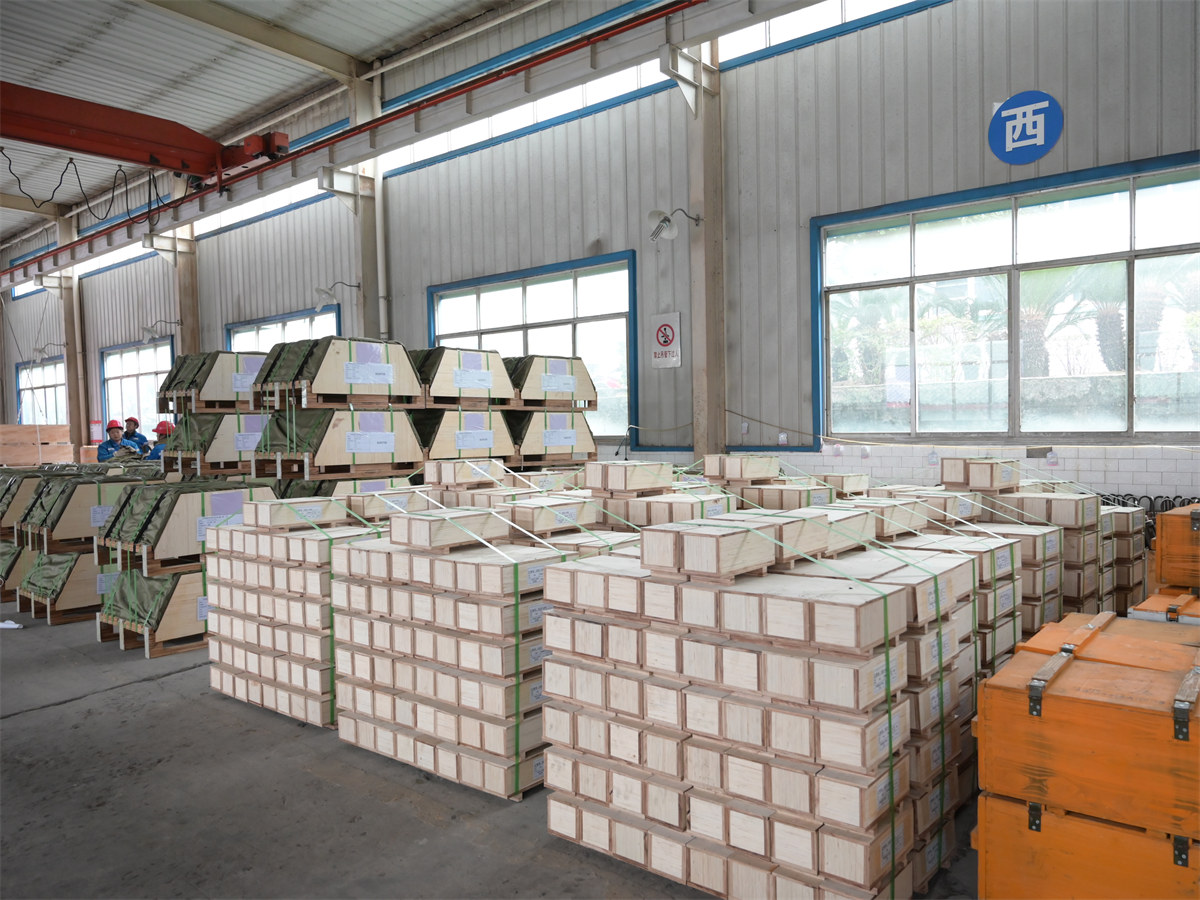
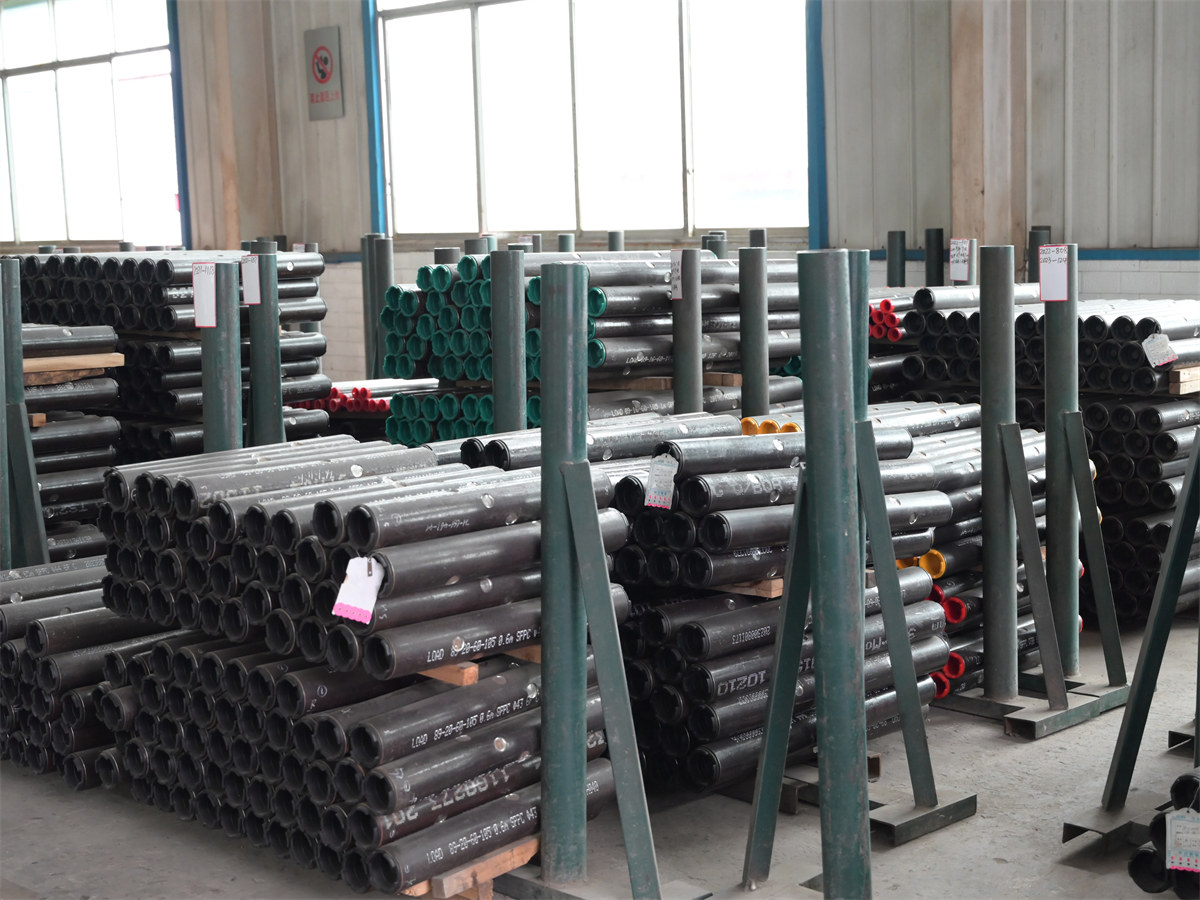
Explore our full range of perforating systems engineered specifically for sand control management applications across diverse formation types and completion architectures.
At FYPE, we believe every well deserves precision, reliability, and excellence. Whether you require high-performance perforating tools for sand control management or dependable technical support, we are your trusted partner in the oil and gas industry. Our engineering team is ready to develop customized perforating solutions tailored to your specific formation characteristics, completion architecture, and operational requirements.
Inquiry Now