+86-15829394411
Leave Your Message
-
Contact WhatsApp
-
 Contact Phone
-
 Contact Email
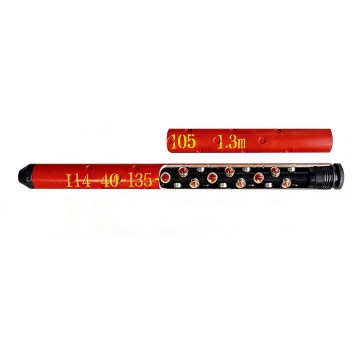
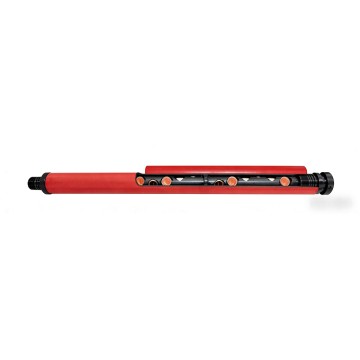
High-performance tools designed to establish precise communication channels through casing and tubing for reliable pressure and fluid isolation verification.
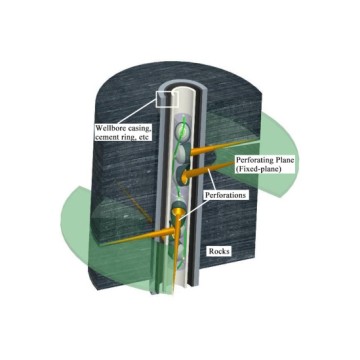
In modern hydrocarbon completion and reservoir management, ensuring absolute wellbore integrity is paramount. Zonal isolation testing stands as a critical phase in verifying that cement barriers between geological formations are robust, leak-free, and capable of preventing fluid migration behind the casing. Run-in-hole (RIH) tubing perforating systems serve as the engineering catalyst for this validation process.
By executing localized, high-precision perforations through the production tubing and inner casing string, operators can establish direct hydraulic communication with the cement sheath and surrounding formation. This communication enables precise pressure testing, diagnostic fluid injection, and acoustic logging to evaluate the quality of the cement bond. Without reliable tubing perforation, detecting micro-annular leaks or cross-flow between water-bearing zones and oil reservoirs would be virtually impossible, risking early water breakthrough or catastrophic environmental containment failures.
How global energy demands and regulatory frameworks are driving the evolution of downhole perforation technologies.
As operators venture into ultra-deepwater and high-pressure, high-temperature (HPHT) reservoirs, the financial risk of isolation failure escalates. Tubing perforating systems must withstand pressures exceeding 15,000 psi and temperatures above 175°C while maintaining explosive structural integrity.
Rig-less intervention and through-tubing operations have transitioned from niche applications to standard industry practices. Deploying compact perforating guns through existing production tubing eliminates the need to pull the completion string, saving operators millions in daily rig rates.
Stringent environmental regulations worldwide mandate zero-tolerance policies for cross-zone contamination. Robust zonal isolation testing, powered by precise tubing perforating, is now a legal prerequisite for both well production licensing and Plug & Abandonment (P&A) operations.
Tubing perforating for zonal isolation testing is deployed across various critical stages of a well’s lifecycle. Below is an in-depth analysis of these scenarios:
During decommissioning, operators must establish permanent, impermeable barriers across the wellbore. To verify that the external casing cement is still intact and providing isolation, through-tubing perforating guns are run to shoot diagnostic holes. Fluid is then pumped through these perforations to test the pressure containment of the outer annulus. If a leak is detected, cement is squeezed directly through these same perforations, ensuring a verified environmental seal before final abandonment.
In mature fields with multiple stacked reservoirs, water breakthrough in one zone can jeopardize the economics of the entire well. Tubing perforating is used to access the suspect zone's casing annulus. By isolating the segment with packers and testing the hydraulic communication, engineers can identify whether water is bypassing the primary cement. Once identified, remedial action (such as chemical gel injection or mechanical patching) can be precisely targeted.
Exploratory wells require rigorous testing of separate geological horizons to evaluate reservoir fluid properties and pressure regimes. Tubing-conveyed perforating (TCP) systems are integrated directly into the DST string. The guns are detonated underbalanced to minimize formation damage, allowing immediate zonal isolation testing and fluid sampling. The high mechanical strength of the perforating gun subs and connections prevents wellbore collapse under extreme downhole forces.
When perforating for isolation testing, shot density and phasing must be optimized. Too high a density can shatter the cement bond we aim to test; too low a density may yield inconclusive pressure data. Customized shaped charges are engineered to provide clean entry holes with minimal shockwave propagation.
Expetro Energy Service Co., Ltd. (FYPE) is a leading manufacturer of downhole perforating systems in China, dedicated to the research, development, and production of shaped charges, perforating guns, and associated accessories for oil and gas completions.
Equipped with state-of-the-art automated production and inspection lines, we deliver over 2.5 million shaped charges and 500,000 meters of perforating guns annually — meeting diverse customer requirements across the global market. Every stage of our production process strictly adheres to the API Q1 Quality Management System. This unwavering commitment to quality, innovation, and customer satisfaction has established FYPE as a trusted partner in the global energy sector.
To date, our products have served customers in 38 countries worldwide and consistently earn positive feedback for performance and reliability. FYPE is dedicated to expanding its global footprint and building long-term partnerships with clients across continents.

Why leading energy companies trust FYPE for critical tubing perforation and wellbore integrity operations.
Our professional inspection team operates under a quality management system certified to API Q1 and ISO 9001 standards, ensuring product reliability and superior performance in every delivery.
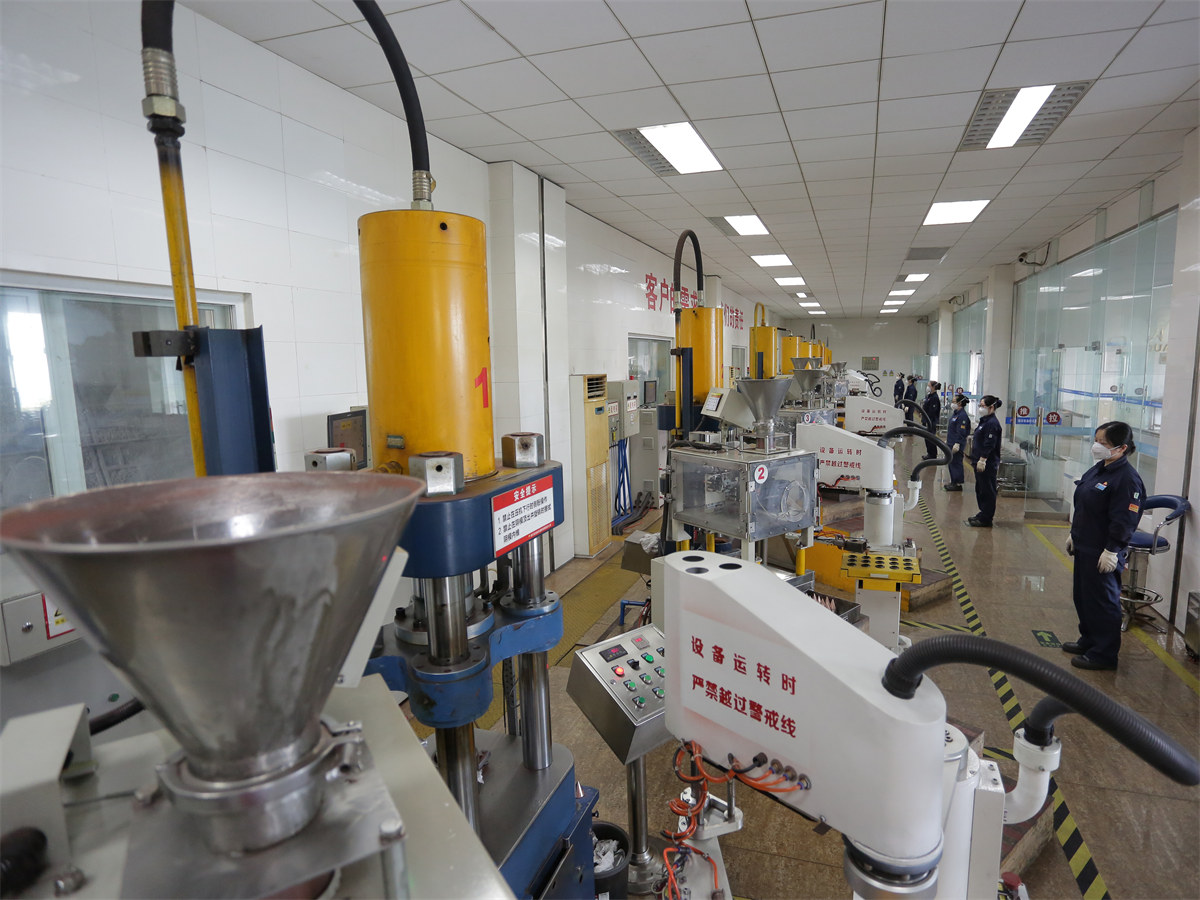
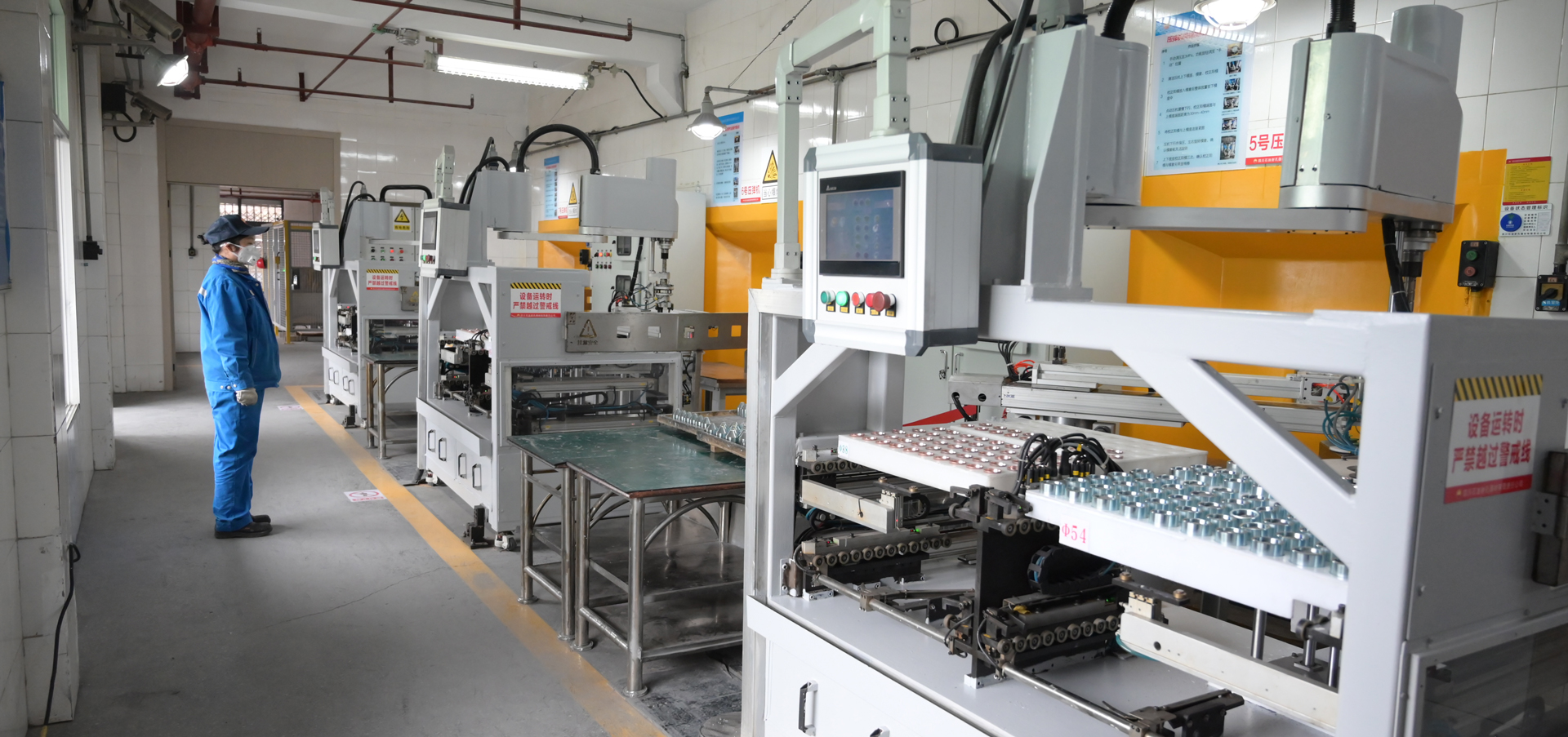
Our automated production lines ensure product consistency and enhance productivity. The daily capacity of shaped charges can reach 10,000. The perforating gun production line can meet the processing of 100+ types with different specifications.
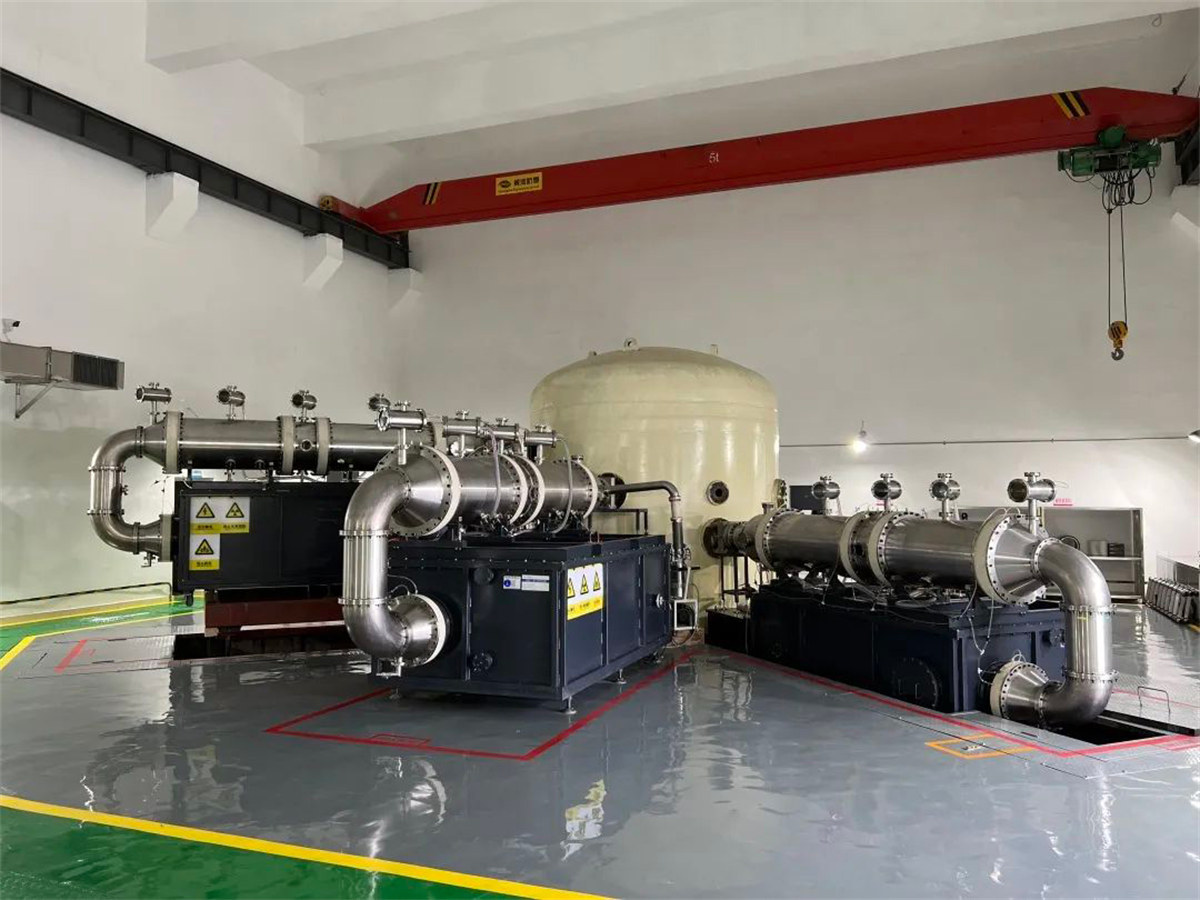
Our lab can carry out real-core target tests in simulated reservoirs, ultimate pressure resistance tests on perforation tools, and explosion mechanism tests on shaped charges, aligning our products with real downhole conditions.
With nearly 20 years of export experience across 38 countries, we deeply understand global market demands and deliver trusted, tailored solutions.
Take a look inside our state-of-the-art manufacturing facilities, where precision engineering meets high-volume automated production.








The perforation industry is undergoing a digital and metallurgical transformation. To achieve absolute certainty in zonal isolation testing, several key technologies are emerging:
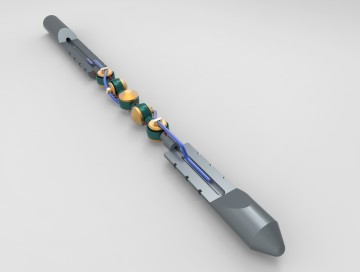
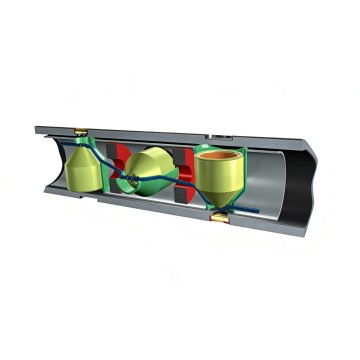
Standard perforating systems shoot in random angular directions, which can sometimes result in poor alignment with the optimal stress plane of the formation or miss target diagnostic zones entirely. Constant Plane Perforating Systems and horizontally oriented guns ensure that shots are fired in a single, predictable plane. This precision is vital when validating thin-bed isolation or when avoiding downhole control lines clamped to the exterior of the casing.
Classic perforating charges leave metallic debris, casing burrs, and charge residues inside the wellbore. For zonal isolation testing, this debris can plug fluid flow pathways, resulting in false pressure readings. Modern R&D focuses on zinc-free, fully consumable shaped charges that leave zero debris, ensuring that subsequent injection tests reflect the true flow capacity of the cement annulus.
To bypass thick cement sheaths or damaged near-wellbore regions, HDDP guns are utilized. These guns feature high explosive loads coupled with optimized liner geometry to drill deep, clean tunnels. By penetrating far beyond the invaded zone, they ensure that pressure testing evaluates the virgin formation and the outer cement boundary, providing a complete picture of zonal integrity.
Integrating fiber-optic and acoustic sensors into the tubing-conveyed perforating (TCP) string allows operators to monitor the exact moment of detonation and the subsequent pressure response in real-time. This immediate feedback loop confirms whether the perforation successfully established hydraulic communication, streamlining the testing timeline and minimizing operational risks.
At FYPE, we believe every well deserves precision, reliability, and excellence. Whether you require high-performance tubing perforating tools, specialized shaped charges, or dependable technical support for your zonal isolation testing, we are your trusted global partner in the oil and gas completions sector.
Inquiry Now
Explore our full line of API-certified perforating solutions engineered for global completions, fracturing, and zonal isolation testing applications.