+86-15829394411
Leave Your Message
-
Contact WhatsApp
-
 Contact Phone
-
 Contact Email
Our flagship wireline perforating tools are engineered to establish reliable wellbore communication across diverse reservoir conditions — from HTHP environments to compact small-diameter wells.
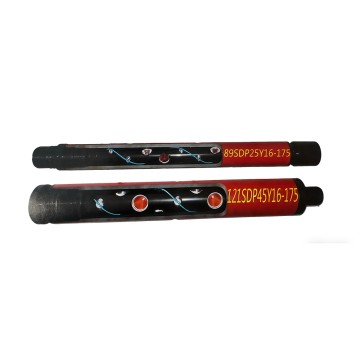
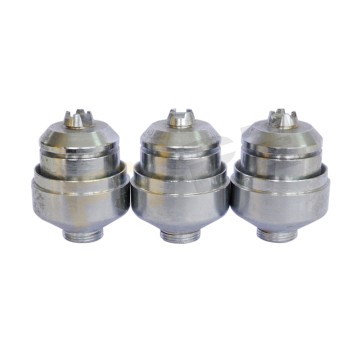
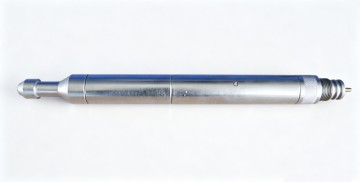
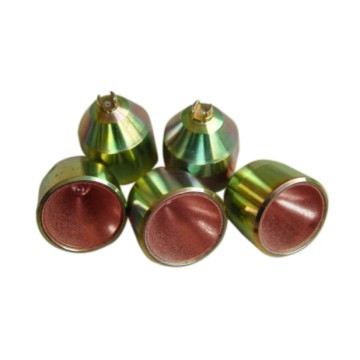
Wireline perforating is the foundational process that physically connects a productive reservoir formation to the wellbore, enabling hydrocarbons — oil, gas, or condensate — to flow from the rock matrix into the production string. Without precise perforation, even the most prolific reservoir remains commercially inaccessible.
In wireline conveyed perforating operations, a perforating gun assembly is lowered into the cased wellbore on an armored electrical cable (wireline). At the target depth, shaped charges are detonated, punching through the casing, cement sheath, and into the formation to create perforation tunnels. These tunnels form the critical communication pathway between reservoir and wellbore.
Modern wireline perforating systems integrate real-time depth correlation (via casing collar locators), precision firing systems, and advanced shaped charge metallurgy to deliver repeatable, high-performance wellbore communication across onshore, offshore, and deepwater environments.
At the heart of every wireline perforating operation is the shaped charge — a precision-manufactured explosive device designed to focus detonation energy into a high-velocity jet capable of penetrating steel casing and hard rock formations.
A shaped charge consists of:
Upon detonation, the metallic liner collapses at velocities exceeding 8,000 m/s, creating a coherent jet that perforates the casing and penetrates 200–1,200 mm into the formation, depending on charge design and formation strength.
The global wireline perforating market is undergoing rapid transformation, driven by unconventional resource development, digitalization, and increasingly demanding reservoir conditions.
The global wireline services market exceeded USD 8 billion in 2024 and is projected to grow at a CAGR of 5.2% through 2030. Wireline perforating accounts for the largest segment share, driven by accelerating completion activity in the Permian Basin, Middle East, and offshore Southeast Asia. Chinese manufacturers have captured significant market share through competitive pricing, API-certified quality, and rapid delivery cycles — reshaping traditional supply chains dominated by Western oilfield service giants.
Next-generation wireline perforating is increasingly integrated with real-time data acquisition. Smart firing heads with embedded sensors transmit downhole pressure, temperature, and detonation confirmation data to surface in real time. Digital twin modeling enables engineers to simulate perforation geometry before gun deployment, reducing costly re-runs. Integration with AI-driven completion optimization platforms allows dynamic adjustment of shot density and phasing based on live formation evaluation data — a paradigm shift from conventional pre-planned perforation programs.
Deepwater and ultra-deep formations routinely expose perforating systems to temperatures exceeding 200°C and pressures above 20,000 psi. Conventional RDX-based explosives degrade rapidly under these conditions, necessitating HMX or PYX formulations with specialized high-temperature detonator assemblies. FYPE's Ultra HTHP Perforating Gun series addresses these challenges with thermally stable explosive loading, reinforced gun bodies, and high-temperature-rated O-ring sealing systems — enabling reliable wellbore communication in the world's most demanding environments.
The shale revolution has fundamentally changed perforating requirements. Multistage hydraulic fracturing in horizontal wells demands cluster perforating with precise shot placement, limited-entry designs, and high-density perforation patterns to achieve uniform fracture initiation across all clusters. Fracturing-optimized perforating guns — featuring high shot density, specific phasing angles, and controlled debris generation — are now standard in North American shale plays and are rapidly adopted in China's Sichuan Basin, Argentina's Vaca Muerta, and other emerging unconventional plays worldwide.
Perforation debris — gun fragments, charge case remnants, and formation fines — has historically been a major cause of post-perforation flow impairment and completion failures. Advanced self-cleaning perforating systems utilize disintegrating gun bodies, soluble charge cases, and optimized debris management designs to minimize near-wellbore damage. This technology is particularly critical in sand-prone formations and horizontal wells where debris accumulation can block perforation tunnels and reduce inflow performance by 20–40%.
Environmental pressure is reshaping completion design. Operators increasingly demand perforating systems that minimize fluid usage, reduce surface footprint, and lower operational emissions. Wireline perforating's inherent efficiency advantage over alternative perforation methods (e.g., coiled tubing conveyed guns) makes it the preferred choice for low-impact completions. Additionally, advances in biodegradable charge materials and recyclable gun body components are emerging as key differentiators in environmentally sensitive operating regions.
From conventional vertical wells to complex multilateral completions, wireline perforating delivers tailored wellbore communication solutions across the full spectrum of reservoir types and completion architectures.
In conventional oil and gas fields, wireline perforating remains the most cost-effective method for establishing initial wellbore communication. Tubing-conveyed or wireline-conveyed guns are positioned at target intervals, and perforations are fired in a single run or selectively across multiple pay zones. The ability to correlate perforation depth with formation evaluation logs — using casing collar locators and gamma-ray logging tools run in combination — ensures precise placement of perforations in the highest-quality reservoir intervals, maximizing initial production rates and ultimate recovery.
Horizontal well completions in tight oil and shale gas formations rely entirely on multi-cluster wireline perforating to create the initiation points for hydraulic fractures. Plug-and-perf (PnP) completions — where a bridge plug is set to isolate the previous stage, followed by perforation of the new stage — have become the dominant completion technique in North American unconventional plays, accounting for over 70% of horizontal well completions. Each stage typically comprises 3–6 perforation clusters, each with 4–6 shots per cluster, requiring precise depth control and consistent charge performance to achieve uniform fracture initiation and maximize stimulated reservoir volume (SRV).
Offshore wireline perforating presents unique operational challenges: limited rig time, high well costs, extreme pressures and temperatures, and the requirement for zero-failure reliability. Through-tubing wireline perforating — where slim guns are run through existing production tubing — enables operators to perforate new pay intervals or re-perforate existing zones without pulling the completion string, saving millions of dollars in rig time. Deepwater operations in the Gulf of Mexico, West Africa, and Brazil routinely deploy HTHP-rated perforating systems capable of operating reliably at water depths exceeding 3,000 meters.
The global energy transition is driving rapid growth in geothermal energy development. Enhanced geothermal systems (EGS) require the creation of permeable fracture networks in hot dry rock formations at depths of 3,000–10,000 meters, where temperatures can exceed 300°C. Wireline perforating with ultra-HTHP-rated systems provides the initial wellbore communication required to initiate hydraulic stimulation in these extreme environments. FYPE's HTHP perforating gun technology — validated in oil and gas applications at temperatures exceeding 200°C — is directly applicable to next-generation geothermal completion programs.
CCUS projects require the injection of supercritical CO₂ into deep saline aquifers or depleted hydrocarbon reservoirs for permanent storage. Wireline perforating establishes the communication pathways between the wellbore and the storage formation, and must be compatible with the corrosive CO₂-rich environment. Corrosion-resistant gun body materials and CO₂-compatible sealing systems are essential for reliable long-term performance in CCUS injection wells — an emerging application area where FYPE's engineering capabilities provide a distinct competitive advantage.

Expetro Energy Service Co., Ltd. (FYPE) is a leading manufacturer of downhole perforating systems in China, dedicated to the research, development, and production of shaped charges, perforating guns, and associated accessories for oil and gas completions.
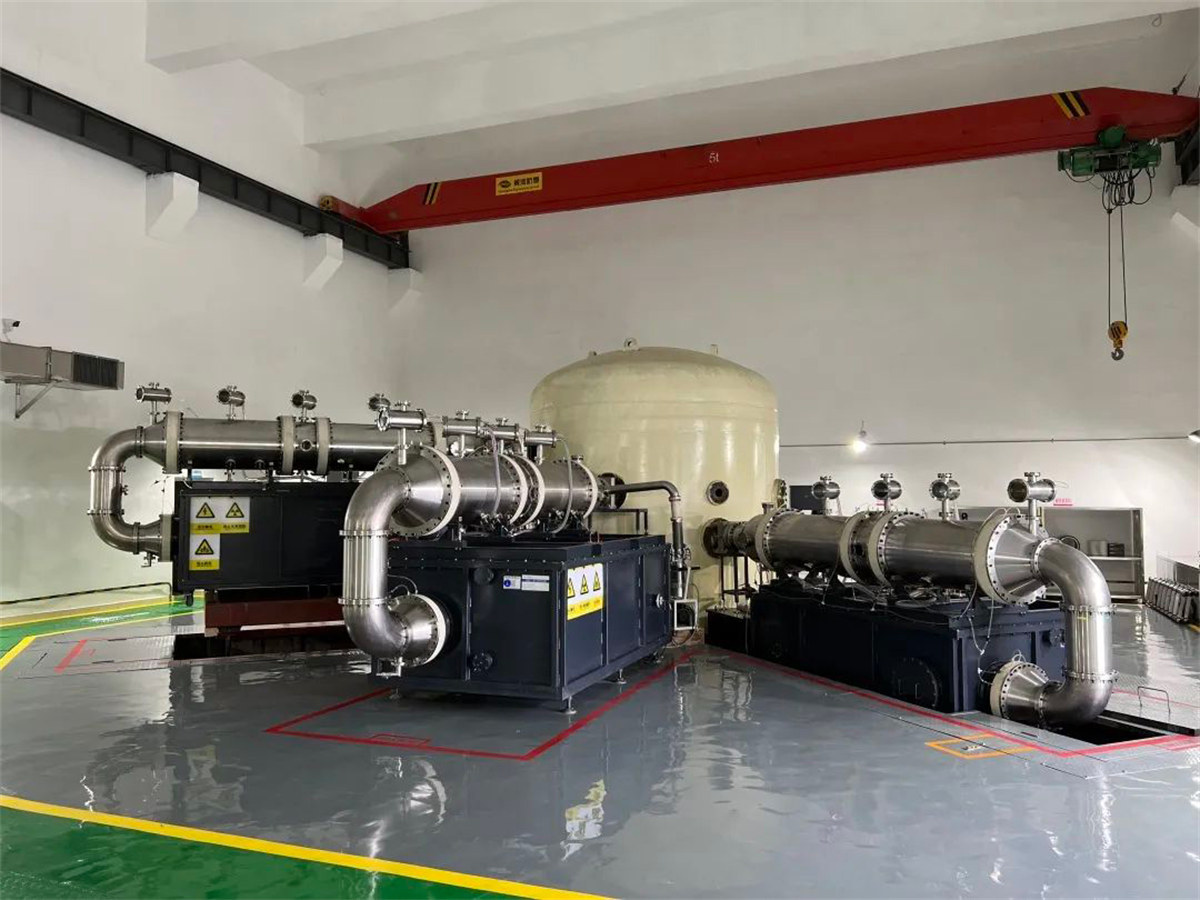
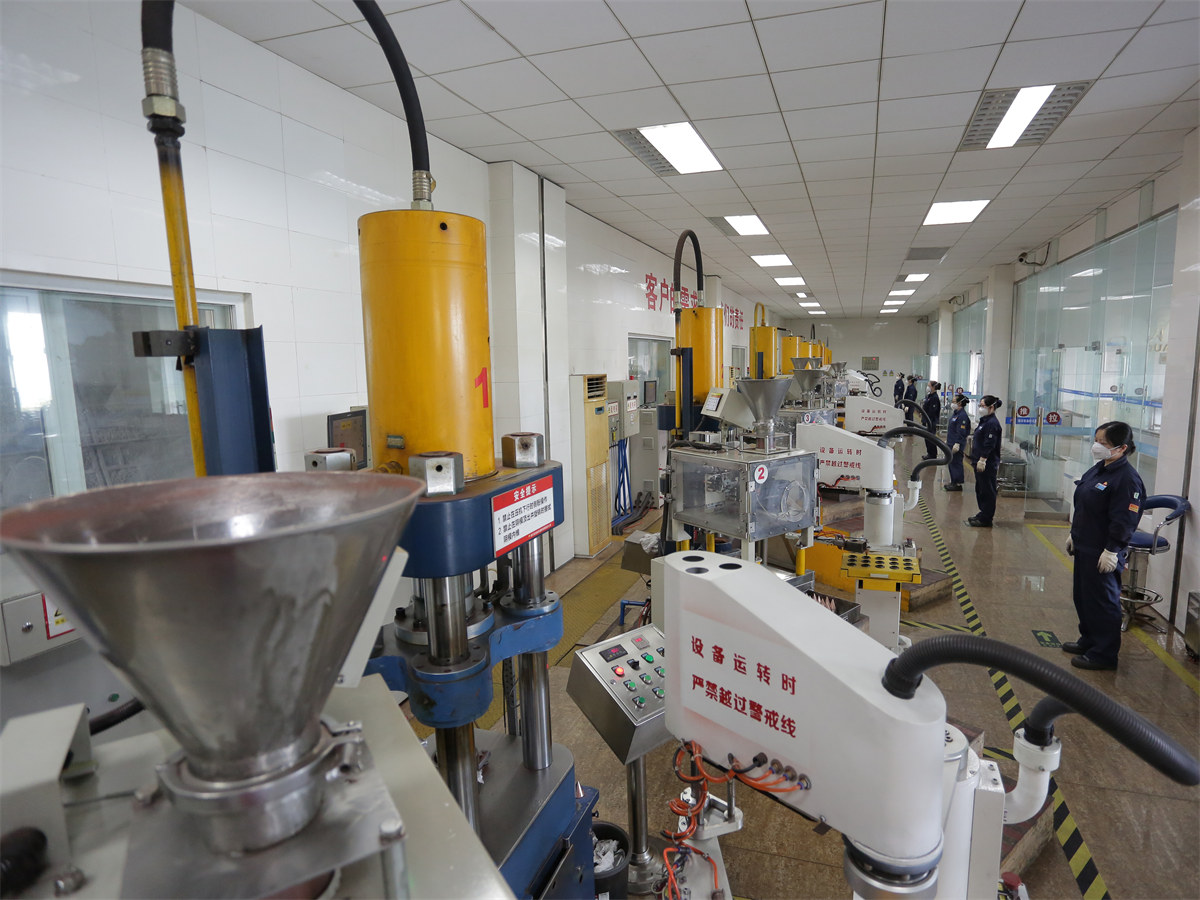
Equipped with state-of-the-art automated production and inspection lines, we deliver over 2.5 million shaped charges and 500,000 meters of perforating guns annually — meeting diverse customer requirements across the global market. Every stage of our production process strictly adheres to the API Q1 Quality Management System.
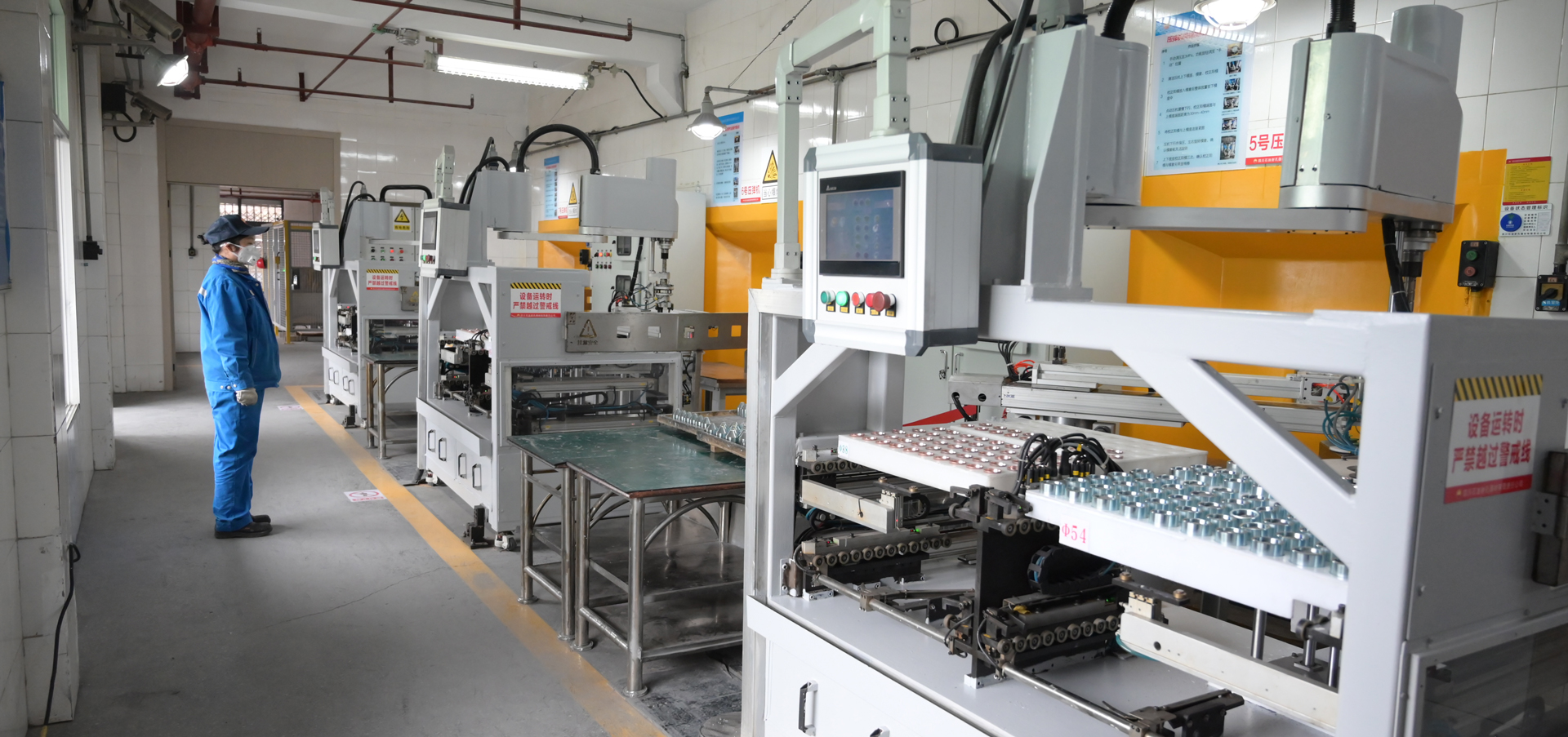
Automated production lines delivering 2.5M+ shaped charges and 500,000 meters of perforating guns annually, with daily shaped charge capacity reaching 10,000 units.
API Q1 and ISO 9001 certified quality management system. Rigorous inspection at every production stage ensures superior performance and reliability in every delivery.
Products have served customers in 38 countries worldwide. Nearly 20 years of export experience with consistently positive feedback for performance and reliability.
Four core pillars that make FYPE the preferred wireline perforating partner for operators worldwide.
Our professional inspection team operates under API Q1 and ISO 9001 certified quality management systems, ensuring product reliability and superior performance in every delivery.
Our automated production lines ensure product consistency and enhance productivity. Daily capacity of shaped charges can reach 10,000. Perforating gun lines process 100+ specification types.
Our lab conducts real-core target tests in simulated reservoirs, ultimate pressure resistance tests on perforation tools, and explosion mechanism tests on shaped charges.
With nearly 20 years of export experience across 38 countries, we deeply understand global market demands and deliver trusted, tailored wireline perforating solutions.
To date, our products have served customers in 38 countries worldwide and consistently earn positive feedback for performance and reliability.
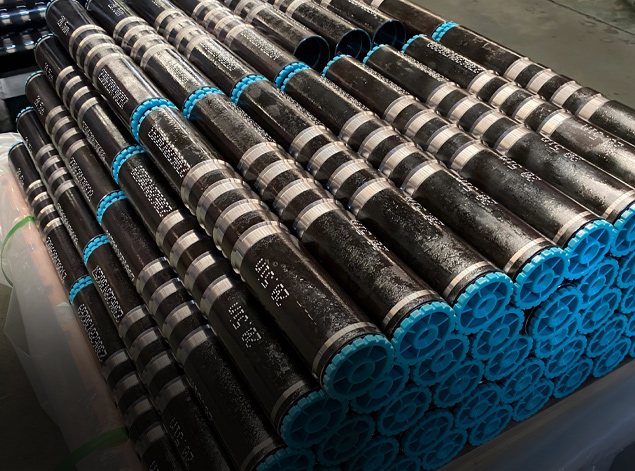
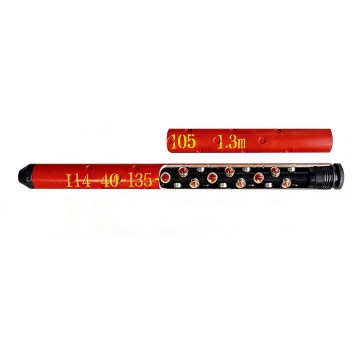
Instead of scallops, it can shoot regardless of the charge tube's angular position.
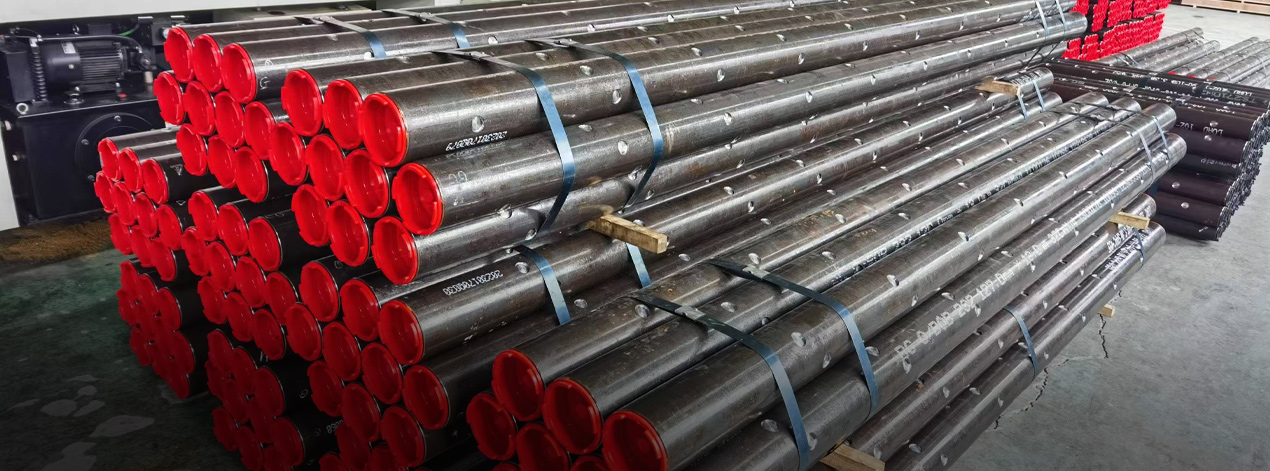
Provides deep penetration and high shot density.
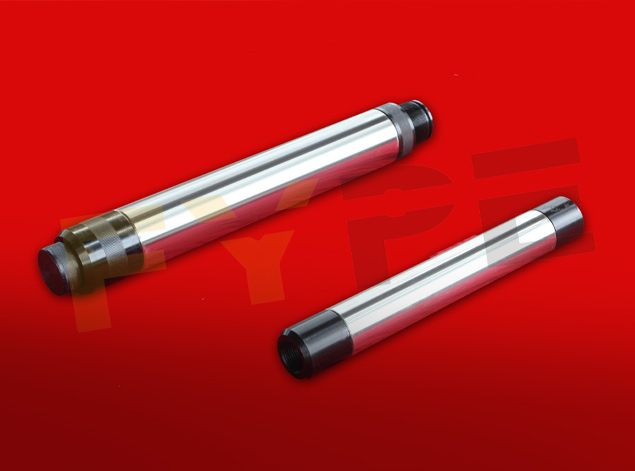
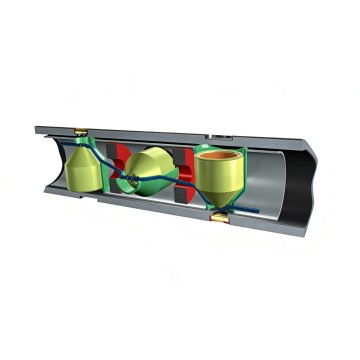
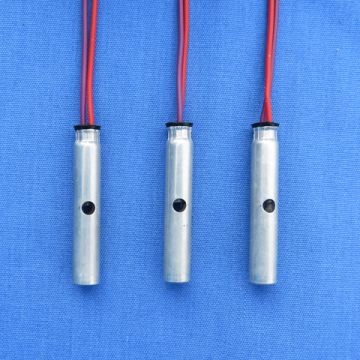
Detects casing collars for depth correlation in wells.
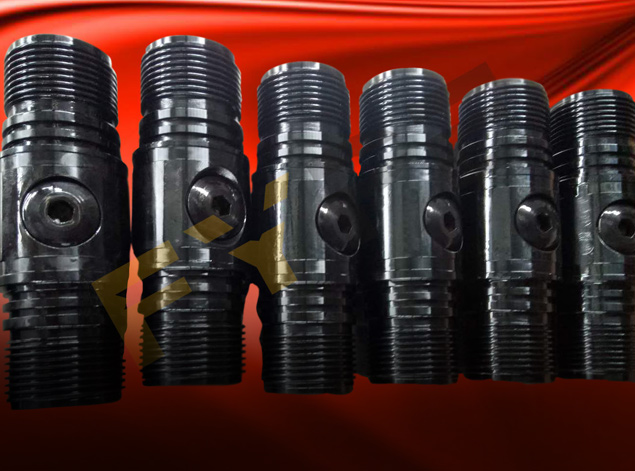
Connecting components used in perforating systems.
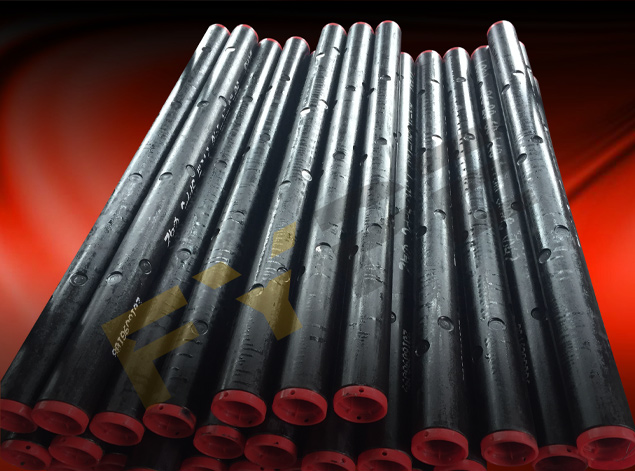
Designed for compact spaces and limited depth perforation.
State-of-the-art manufacturing facilities engineered for precision, consistency, and global-scale production of wireline perforating systems.








At FYPE, we believe every well deserves precision, reliability, and excellence. Whether you require high-performance perforating tools for establishing wellbore communication or dependable technical support, we are your trusted partner in the oil and gas industry. Our team of engineers and technical specialists is ready to design custom wireline perforating solutions tailored to your specific reservoir conditions, operational constraints, and performance targets.
Inquiry Now
Explore our full portfolio of wireline perforating systems engineered for reliable wellbore communication across all reservoir types and operating environments.