 +86-15829394411
Leave Your Message
-
Contact WhatsApp
-
 Contact Phone
-
 Contact Email
Our flagship wireline perforating systems are engineered for maximum production flow optimization — combining advanced shaped charge technology with precision gun assembly for superior reservoir penetration.
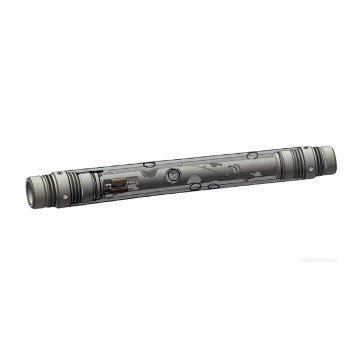
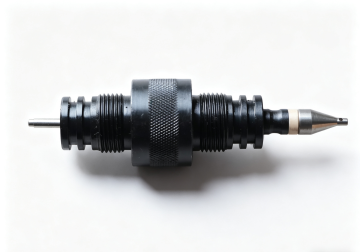
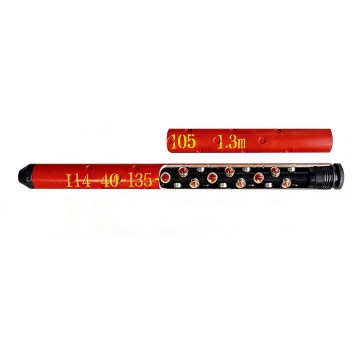
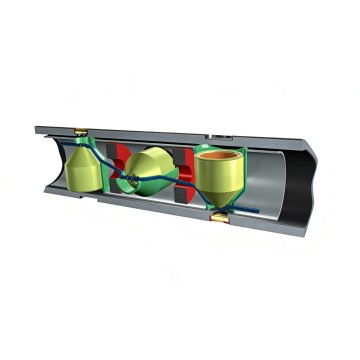
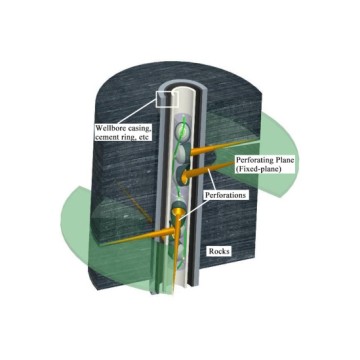
Wireline perforating is one of the most critical operations in oil and gas well completion. It involves deploying a perforating gun assembly downhole via a wireline cable to create precisely engineered holes — known as perforations — through the casing, cement sheath, and into the surrounding reservoir rock. These perforations establish hydraulic communication pathways between the wellbore and the hydrocarbon-bearing formation, directly controlling the volume and efficiency of production flow.
Unlike conventional completion methods, wireline perforating offers unmatched depth accuracy, operational flexibility, and cost efficiency. The technique enables operators to selectively perforate specific pay zones, minimizing formation damage and maximizing the inflow of oil and gas. Modern wireline perforating systems integrate advanced shaped charge technology, real-time downhole telemetry, and engineered gun assembly designs to deliver optimal perforation geometry — including penetration depth, tunnel diameter, and shot density — all of which are pivotal parameters for production flow optimization.
Perforation geometry — including penetration depth, shot density (SPF), phasing angle, and tunnel diameter — directly determines reservoir inflow performance. Optimized wireline perforating can increase production flow rates by 20–45% compared to suboptimal perforation designs, making gun and charge selection a mission-critical engineering decision.
The global wireline perforating market is experiencing robust growth, driven by the accelerating development of unconventional resources — including shale oil, tight gas, and coalbed methane — alongside the continued deepening of conventional offshore and onshore exploration. According to industry analysis, the wireline services market is projected to surpass USD 12 billion by 2028, with perforating operations accounting for a significant share of total completion expenditure.
In North America, the shale revolution has fundamentally transformed wireline perforating from a routine completion step into a highly engineered, data-driven process. Multi-stage hydraulic fracturing programs in the Permian Basin, Eagle Ford, and Marcellus Shale routinely deploy plug-and-perf (PnP) wireline systems across 30 to 60+ stages per horizontal well. In the Middle East, operators are leveraging high-density perforating guns to optimize production from thick carbonate reservoirs. Meanwhile, the Asia-Pacific region — particularly China — is rapidly scaling up domestic wireline perforating manufacturing capability to reduce import dependency and serve both local and international markets.
Chinese manufacturers such as Expetro Energy Service Co., Ltd. (FYPE) have emerged as globally competitive suppliers, combining API Q1 quality compliance with cost-effective production at scale. With annual output exceeding 2.5 million shaped charges and 500,000 meters of perforating guns, FYPE exemplifies the industrial maturity that China's oilfield equipment sector has achieved — serving operators in 38 countries across six continents.
The wireline perforating industry is undergoing rapid technological evolution. Here are the key trends reshaping how operators optimize production flow in modern wells.
Next-generation wireline perforating tools are increasingly embedded with downhole sensors, real-time data transmission capabilities, and intelligent firing systems. Digital perforating enables operators to confirm gun depth, monitor downhole pressure and temperature during firing, and validate perforation integrity — all in real time — dramatically reducing non-productive time (NPT) and improving production flow certainty.
Modern shaped charge development focuses on optimizing liner geometry, explosive loading density, and case material to achieve deeper penetration with minimal formation damage. New high-performance charges achieve penetration depths exceeding 40 inches in API RP 19B target tests, directly translating to higher production inflow and better reservoir drainage in tight formations.
As operators push into deeper, hotter, and higher-pressure reservoirs — including ultra-deep offshore wells and geothermal-adjacent formations — the demand for ultra-high temperature and high pressure (HTHP) perforating guns has surged. Modern HTHP systems are rated for temperatures exceeding 200°C and pressures above 20,000 psi, enabling production flow optimization in previously inaccessible reserves.
The widespread adoption of multi-stage hydraulic fracturing in horizontal wells has driven demand for modular wireline perforating systems that integrate seamlessly with composite frac plugs. Plug-and-perf (PnP) operations require rapid gun assembly, reliable detonation across all stages, and precise depth control — capabilities that modern modular gun systems deliver with increasing efficiency and reliability.
Environmental and operational considerations are driving the development of low-debris perforating systems that minimize metallic and explosive residue in the wellbore post-firing. Reduced debris translates to lower risk of tool sticking, improved wellbore cleanout efficiency, and reduced environmental footprint — all critical factors for sustainable production flow management.
Leading operators now integrate wireline perforating design with reservoir simulation models to predict optimal perforation placement, shot density, and phasing for each unique reservoir interval. This data-driven approach — combining geomechanical modeling, formation evaluation logs, and perforating performance databases — enables production flow optimization at a level of precision previously unattainable.
Wireline perforating plays a decisive role across a wide spectrum of well types and reservoir conditions. Understanding these application scenarios is essential for selecting the right perforating system.
In unconventional shale and tight gas formations, wireline plug-and-perf operations are the backbone of hydraulic fracturing programs. Each stage requires precise perforation cluster placement to initiate simultaneous fracture propagation. High-shot-density charges (6–8 SPF) with optimized phasing (60° or 120°) ensure uniform fracture initiation, maximizing stimulated reservoir volume (SRV) and production flow per stage.
Offshore and subsea wells present extreme challenges: high hydrostatic pressures, elevated temperatures, and limited intervention windows. HTHP-rated wireline perforating guns with double-sealed contact sub assemblies ensure reliable detonation and pressure integrity in these demanding environments. Optimized perforation geometry in thick carbonate and sandstone pay zones directly drives production flow rates from billion-dollar subsea infrastructure.
In deviated and horizontal wells where wireline conveyance is challenging, coiled tubing-conveyed perforating provides reliable gun delivery and precise depth control. Modular gun systems with coaxial radial designs deliver high perforation density in horizontal sections, enabling production flow optimization across the entire lateral length without the depth uncertainty associated with gravity-dependent wireline deployment.
Wireline perforating is a cornerstone of well recompletion strategies for aging fields. By selectively re-perforating bypassed pay zones or adding perforations in new reservoir intervals, operators can revitalize declining production wells at a fraction of the cost of new well drilling. Constant-plane perforating systems ensure uniform perforation entry across the wellbore cross-section, maximizing inflow from each new interval.
The energy transition is creating new application frontiers for wireline perforating technology. Geothermal energy development requires high-temperature perforating systems capable of operating in formations exceeding 300°C. Similarly, carbon capture and storage (CCS) injection wells require precise perforating to ensure uniform CO₂ distribution into storage formations — a growing market opportunity for advanced perforating system manufacturers.
In unconsolidated formations prone to sand production, wireline perforating must be carefully engineered to avoid destabilizing the formation while maintaining adequate production flow. Large-diameter, low-shot-density perforation designs combined with gravel pack completions create a stable inflow architecture that balances production flow maximization with long-term wellbore integrity and sand exclusion performance.
The selection of shot density, phasing, penetration depth, and charge type should never be made in isolation. Optimal wireline perforating design integrates formation evaluation data, geomechanical stress analysis, completion architecture, and production flow modeling to deliver a perforation program that truly maximizes well economics throughout the entire production lifecycle.
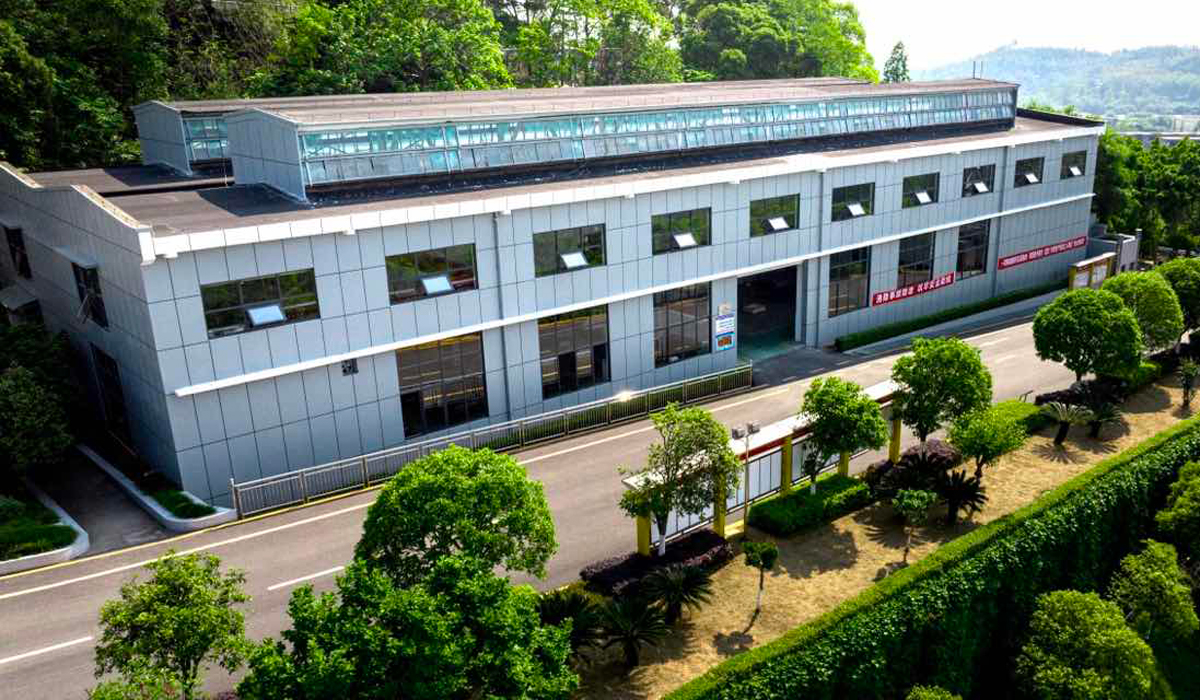
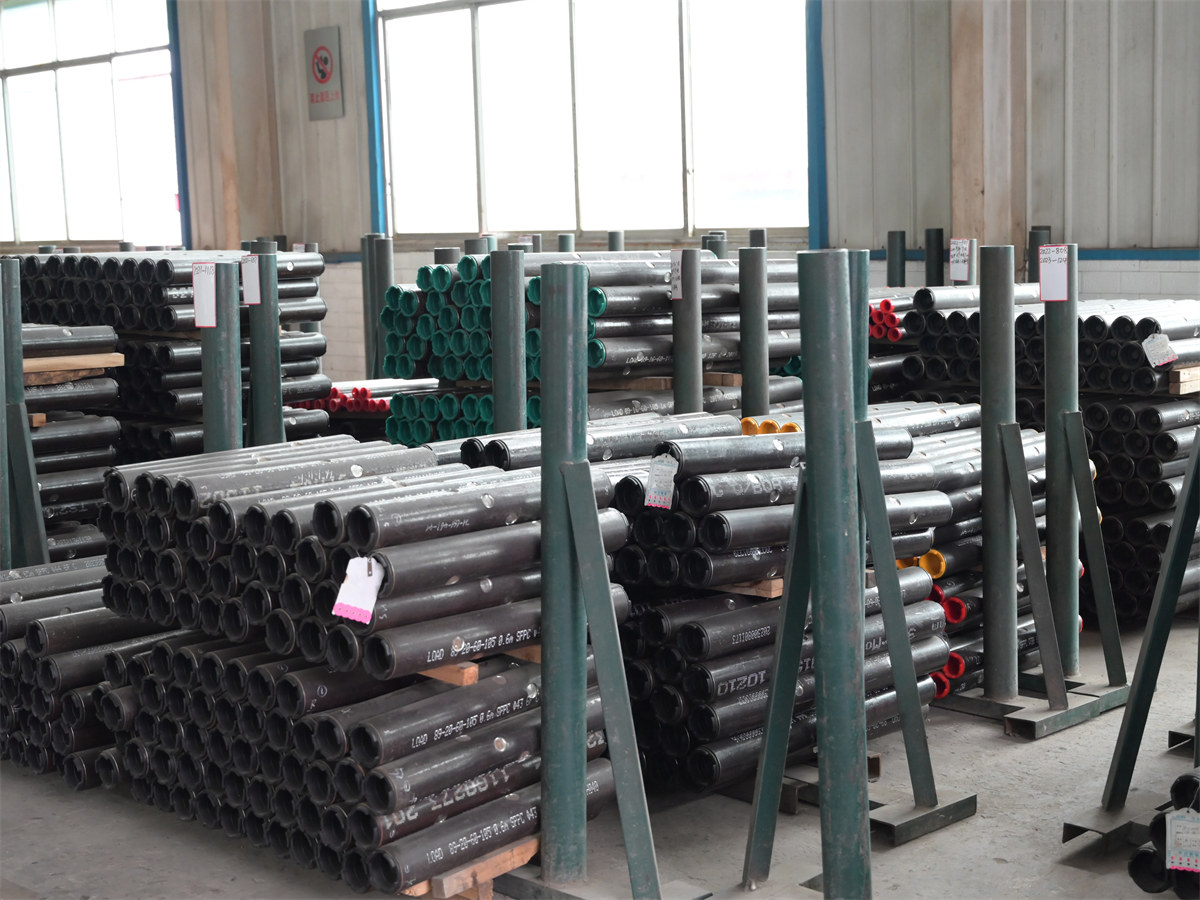
Expetro Energy Service Co., Ltd. (FYPE) is a leading manufacturer of downhole perforating systems in China, dedicated to the research, development, and production of shaped charges, perforating guns, and associated accessories for oil and gas completions.
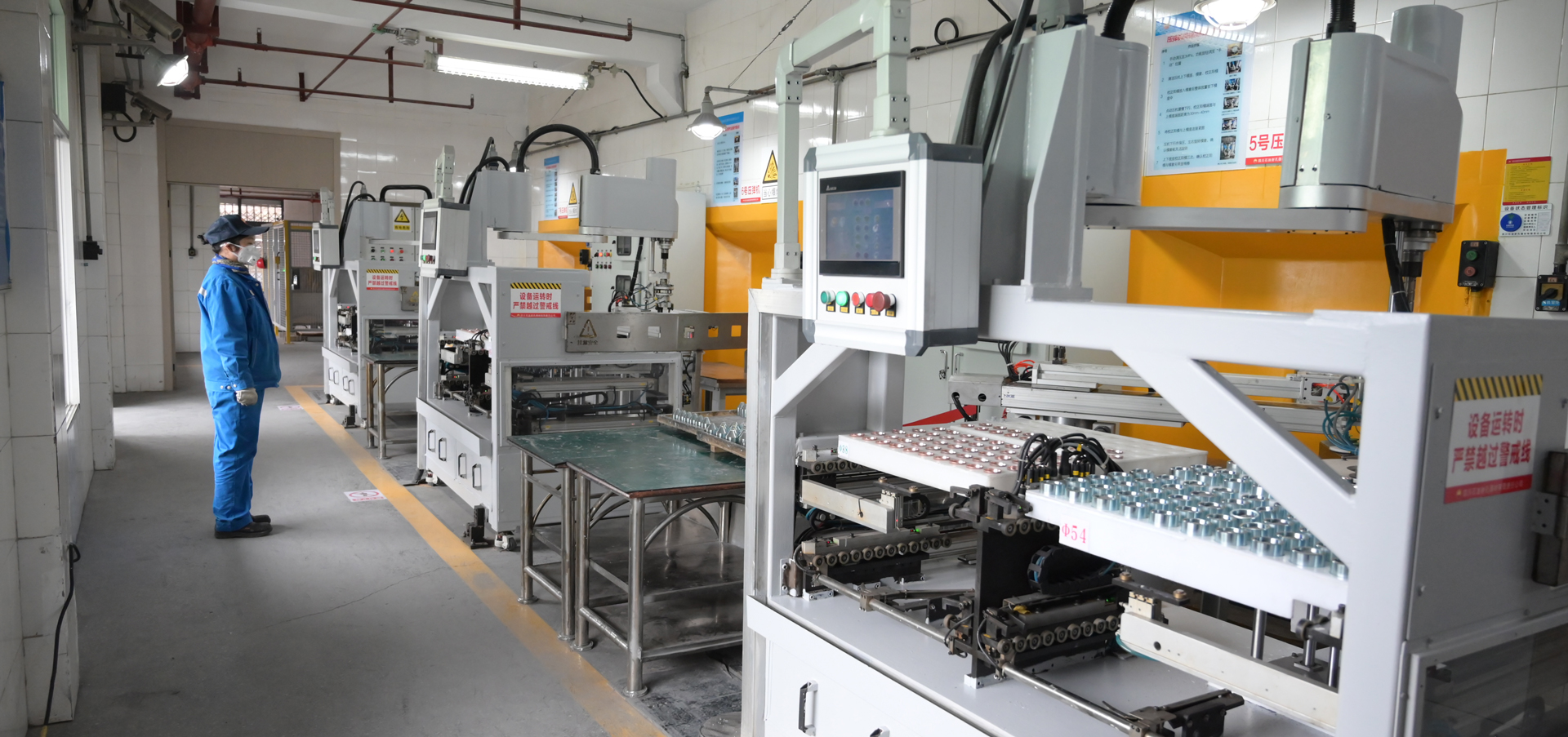
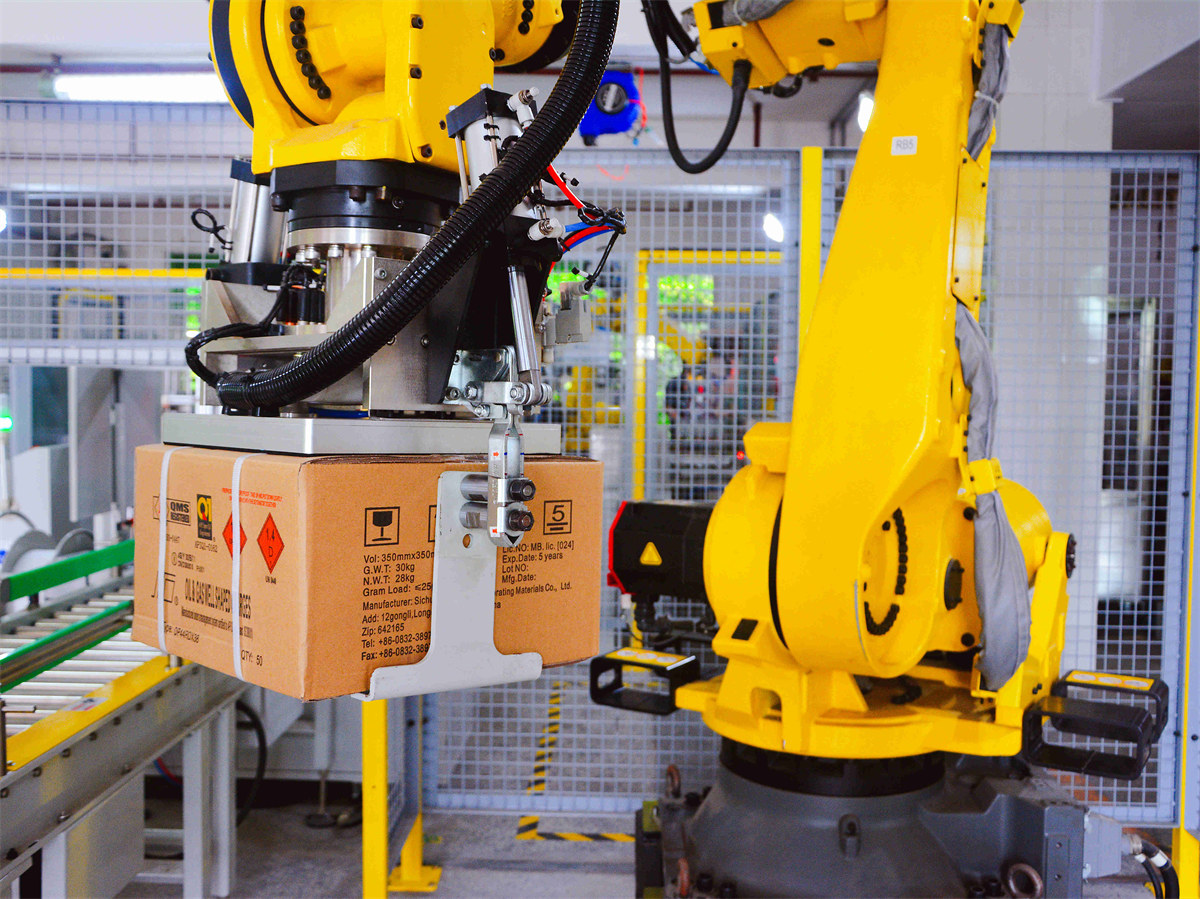
Equipped with state-of-the-art automated production and inspection lines, we deliver over 2.5 million shaped charges and 500,000 meters of perforating guns annually — meeting diverse customer requirements across the global market.
Four core pillars that make FYPE the trusted partner for wireline perforating solutions optimizing production flow worldwide.
Our professional inspection team operates under a quality management system certified to API Q1 and ISO 9001 standards, ensuring product reliability and superior performance in every delivery.
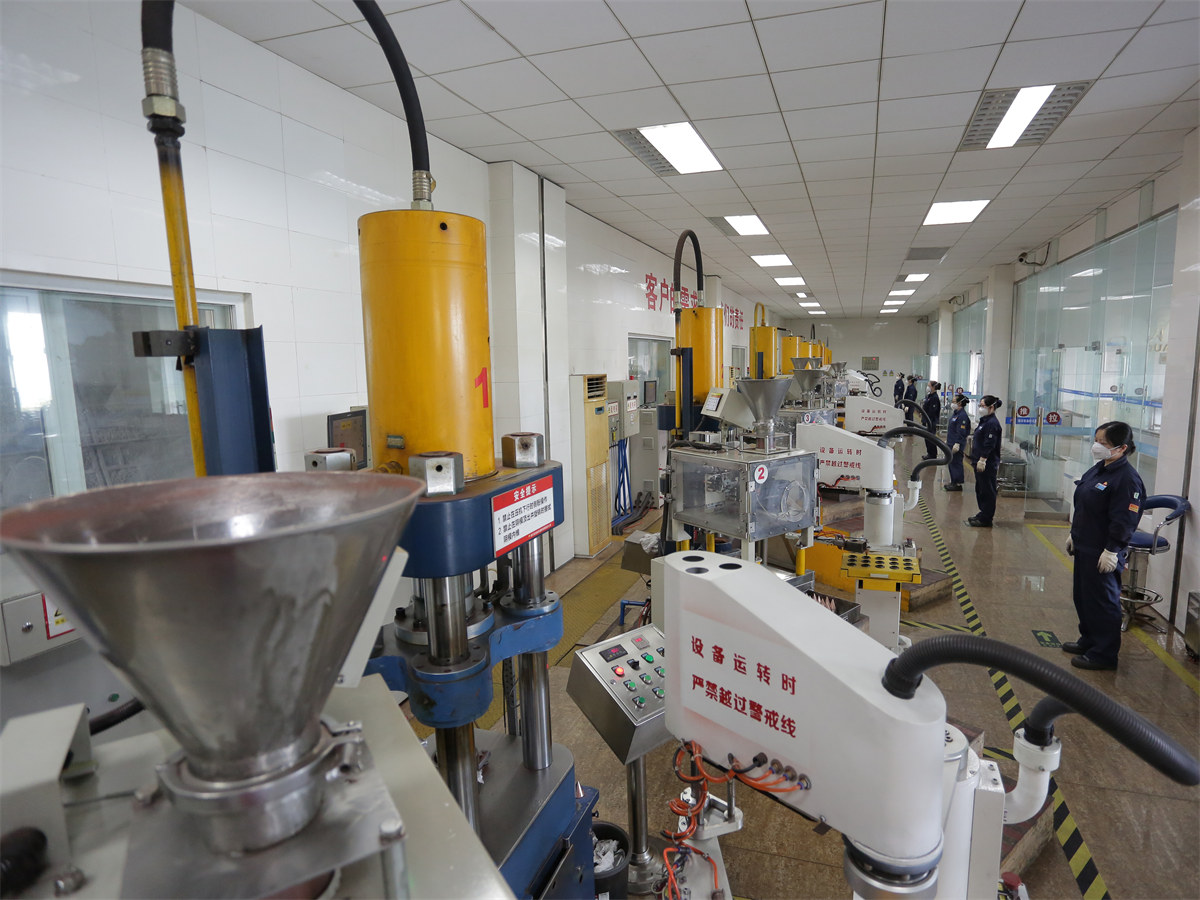
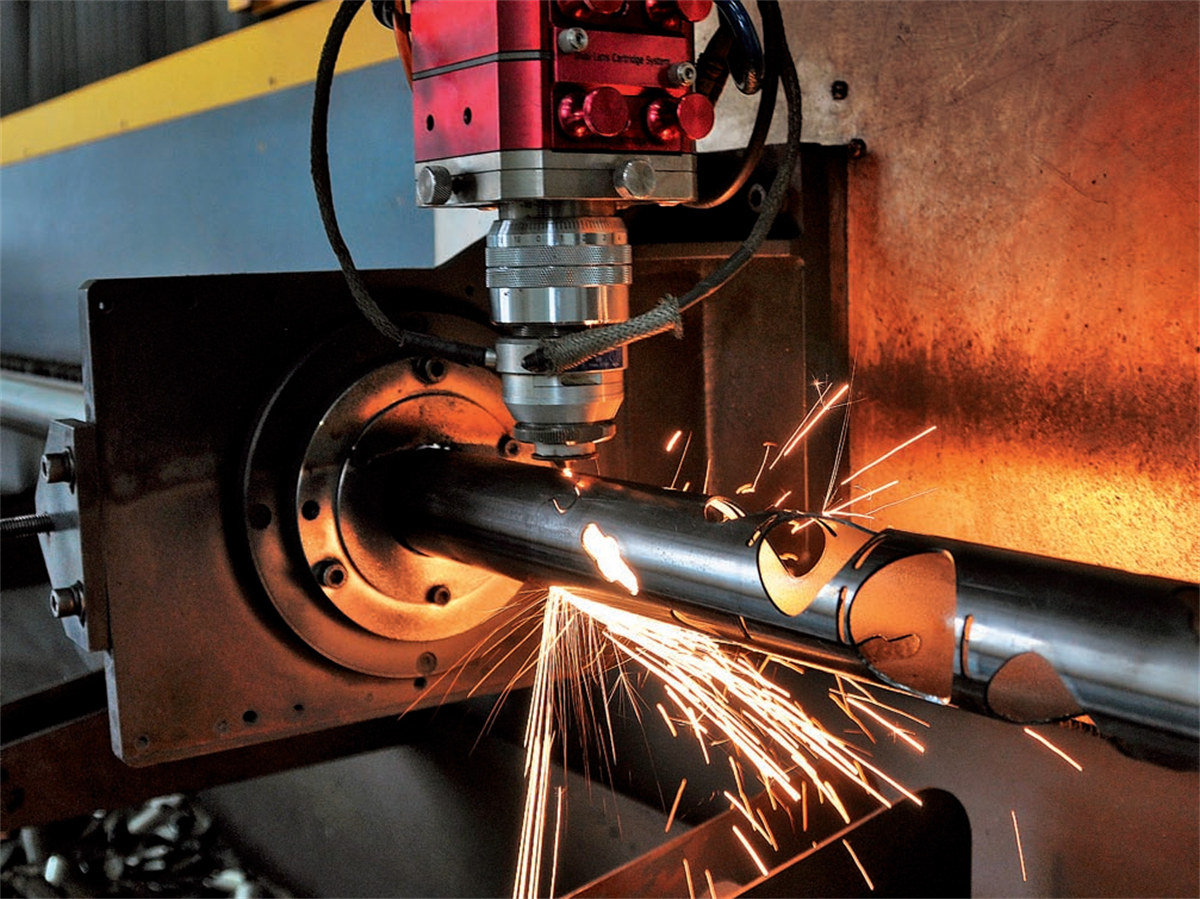
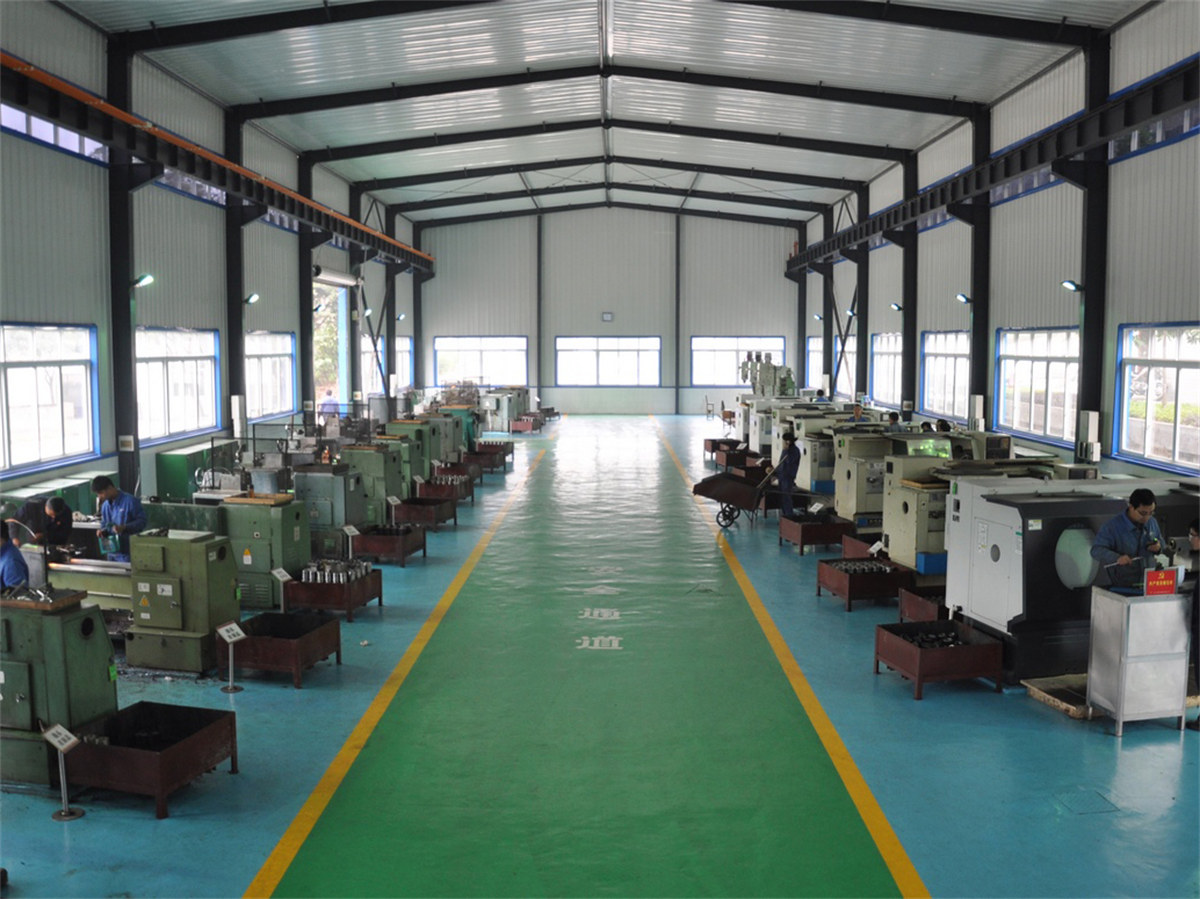
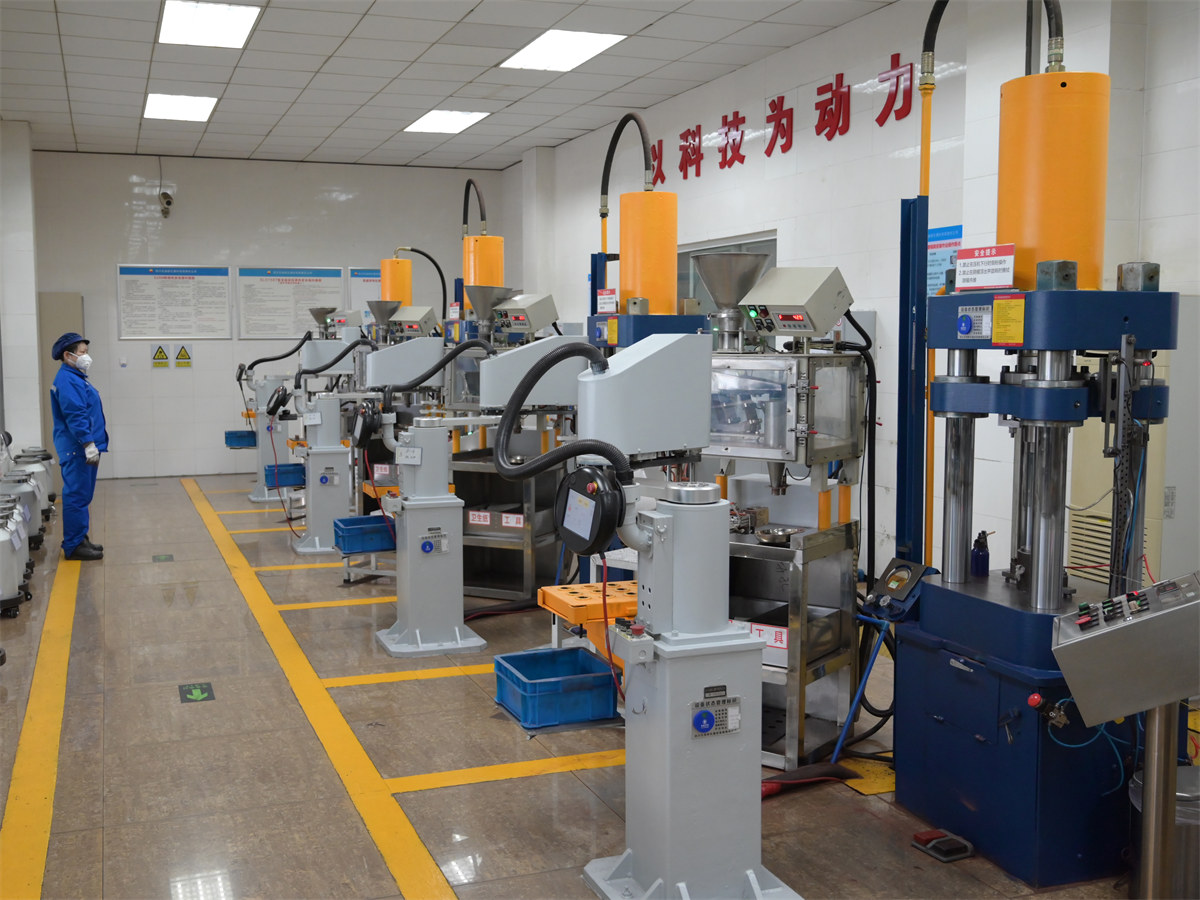
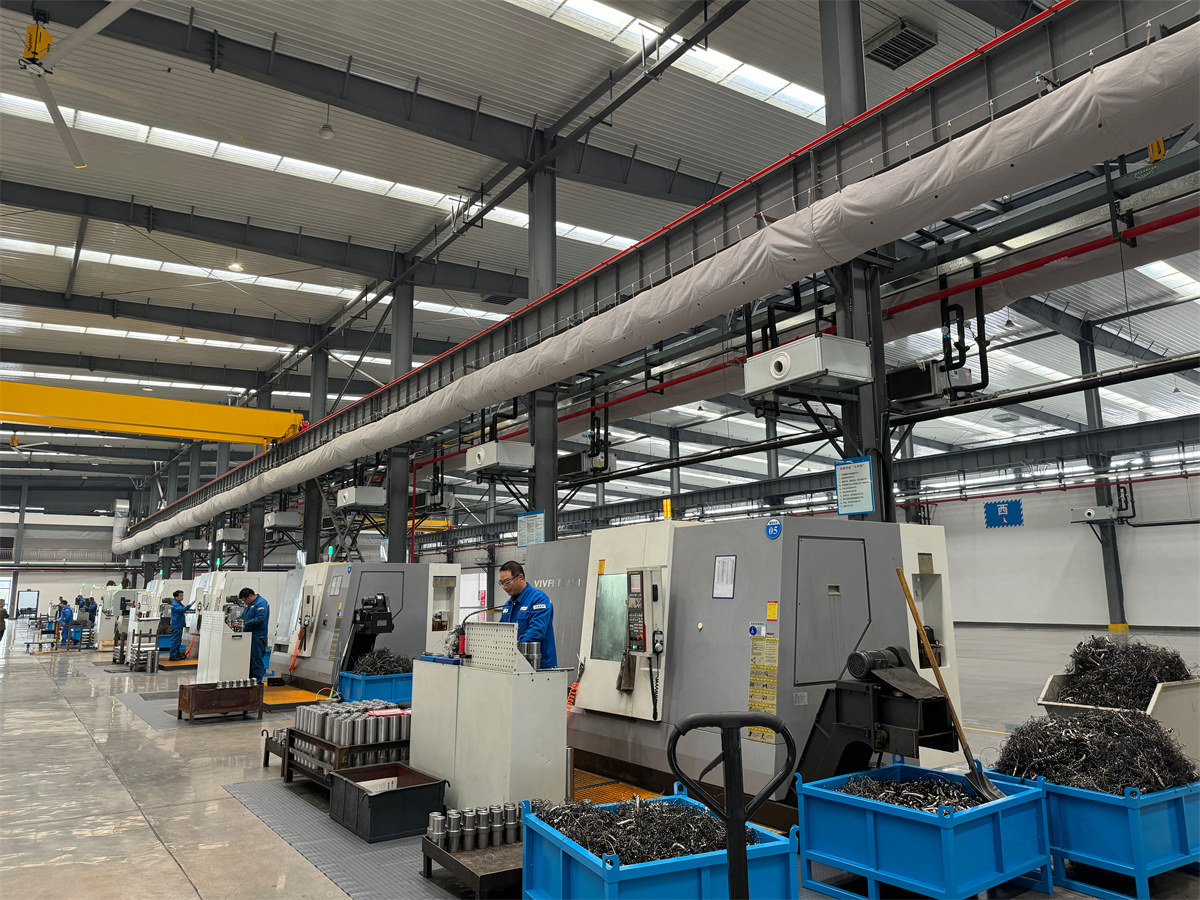
Our automated production lines ensure product consistency and enhance productivity. Daily capacity of shaped charges can reach 10,000. The perforating gun production line can meet the processing of 100+ types with different specifications.
Our lab can carry out real-core target tests in simulated reservoirs, ultimate pressure resistance tests on perforation tools, explosion mechanism tests on shaped charges, and more — ensuring every product performs under real field conditions.
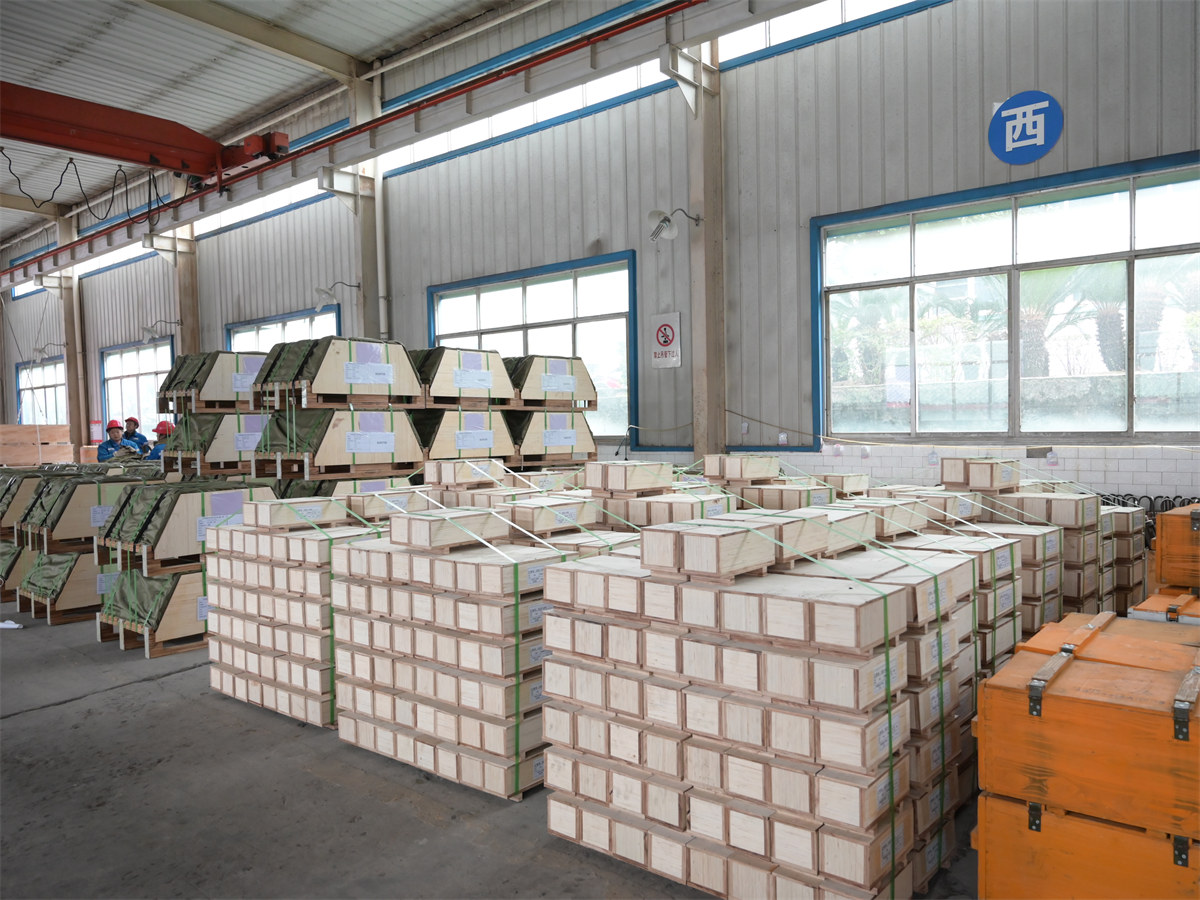
With nearly 20 years of export experience across 38 countries, we deeply understand global market demands and deliver trusted, tailored solutions — from specification customization to logistics and technical support.
To date, our products have served customers in 38 countries worldwide and consistently earn positive feedback for performance and reliability.
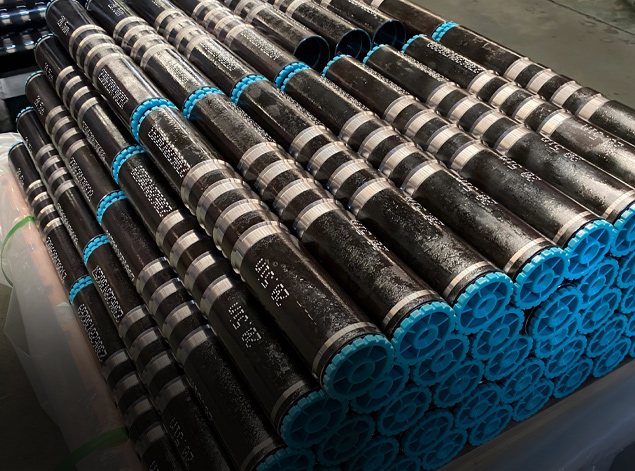
Instead of scallops, it can shoot regardless of the charge tube's angular position.
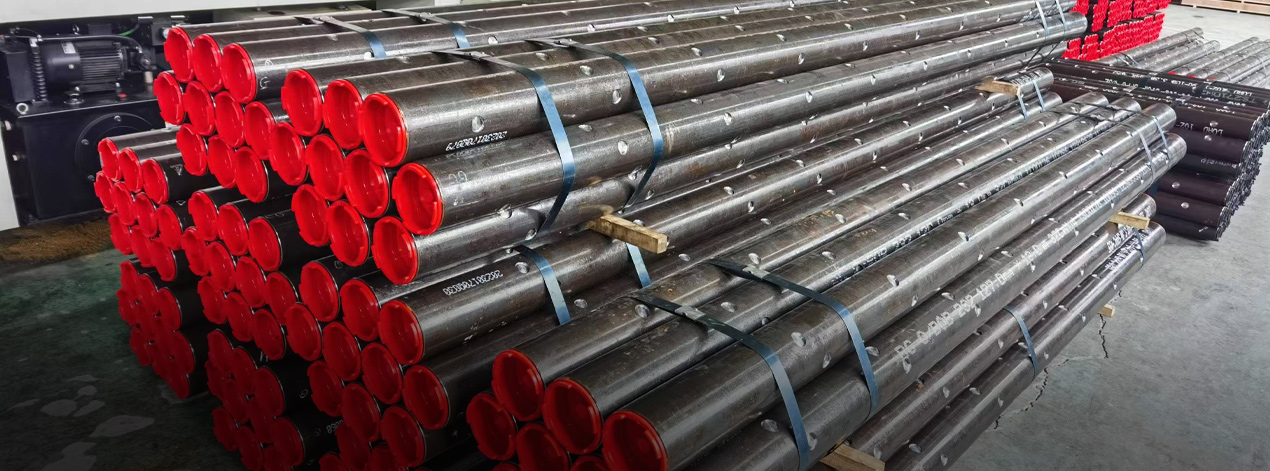
Provides deep penetration and high shot density for maximum reservoir inflow.
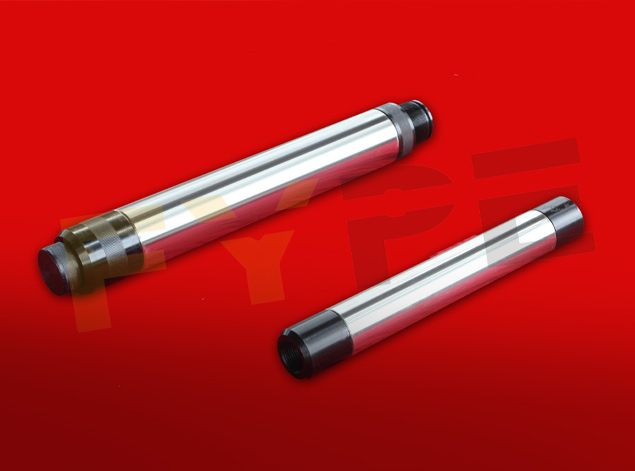
Detects casing collars for depth correlation in wells.
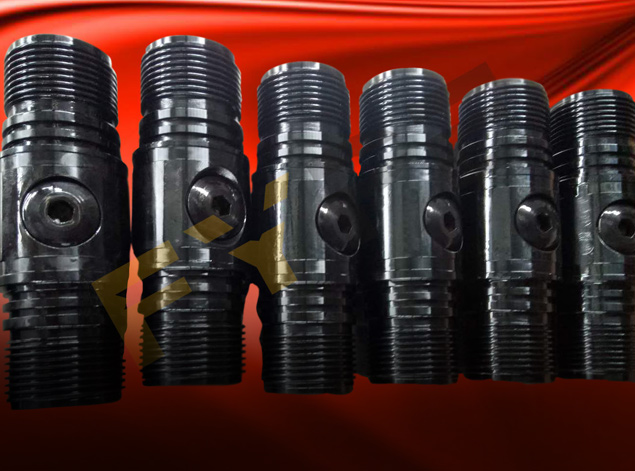
Connecting components used in perforating systems.
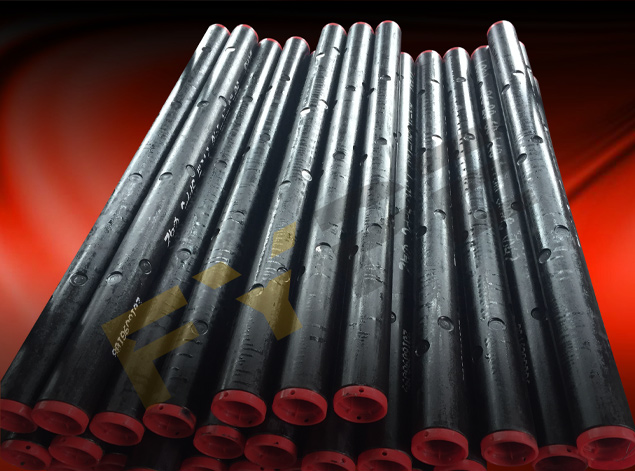
Designed for compact spaces and limited depth perforation.
Our state-of-the-art manufacturing facility is equipped with advanced automated production lines, precision inspection equipment, and a dedicated R&D laboratory — all designed to deliver wireline perforating systems that optimize production flow.
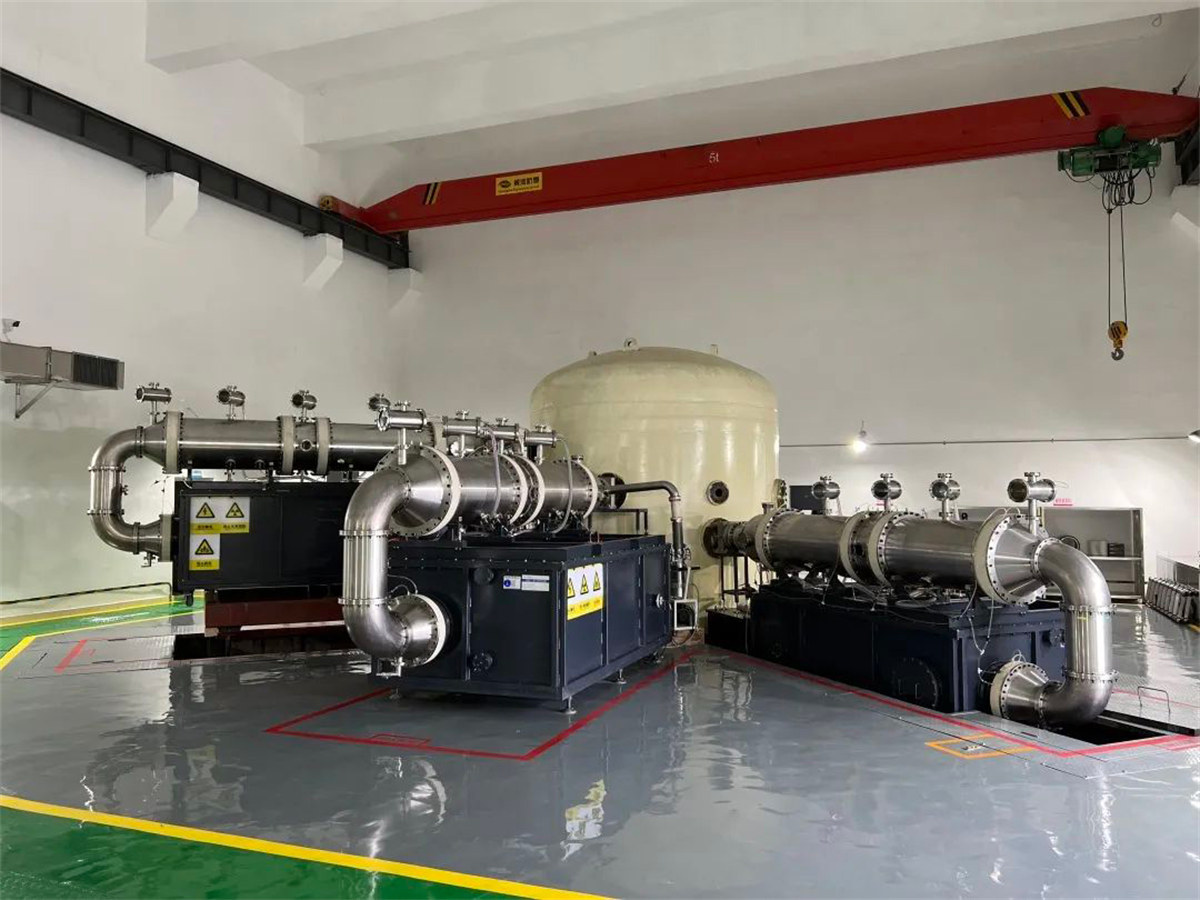
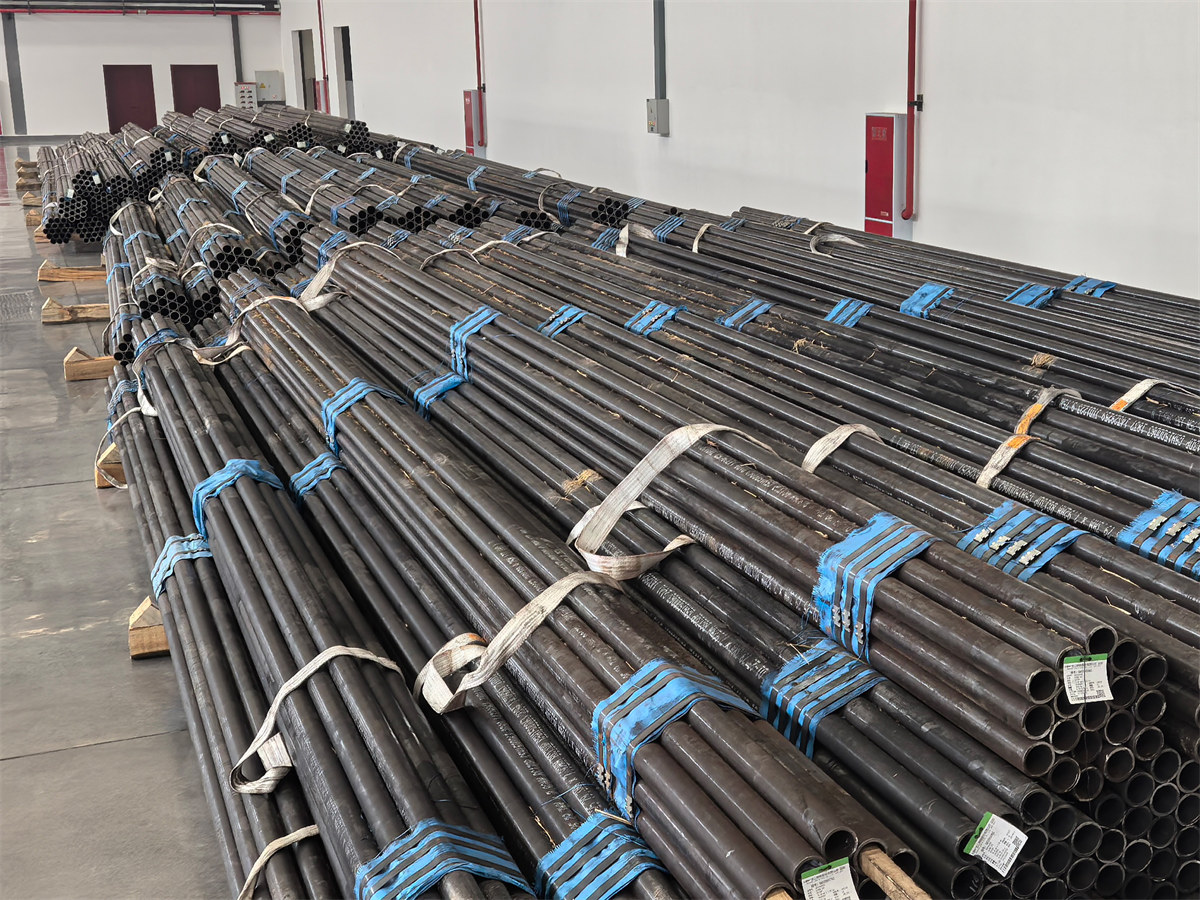
Explore our comprehensive portfolio of wireline perforating solutions — each engineered to optimize production flow across diverse well types, reservoir conditions, and operational environments.
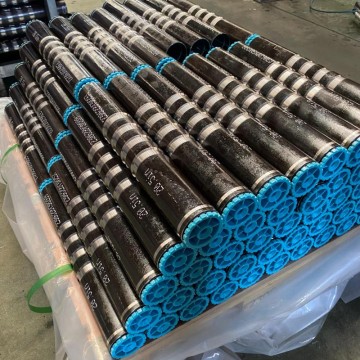
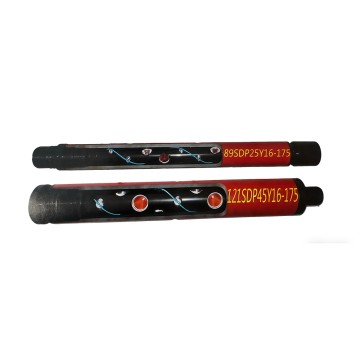
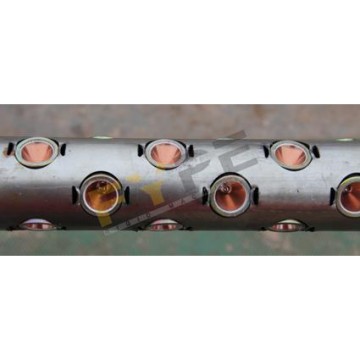
At FYPE, we believe every well deserves precision, reliability, and excellence. Whether you require high-performance perforating tools or dependable technical support, we are your trusted partner in the oil and gas industry. Contact us today to discuss your wireline perforating requirements and discover how our solutions can optimize your production flow.
Inquiry Now